
On 24 June 1941, two days after the launch of Barbarossa, the Soviet authorities created an Evacuation Council. The Wehrmacht was advancing fast toward Minsk and Smolensk; the bulk of the country's industrial potential lay in the threatened western regions.
, an Old Bolshevik and Commissar for Transport, took charge of this body. Before him lay a dizzying dilemma. Dismantling entire production lines, loading thousands of railcars and routing them to the Urals, Siberia or Kazakhstan would mean paralyzing production for months, in the middle of a war.
Keeping the factories in place, on the other hand, meant betting that the front would hold — and risking handing everything over to the enemy if the line gave way.
Should a massive dismantling of the western factories be launched to transport them thousands of kilometers away, or should the effort focus on keeping production running where it stands?
The choice fell on massive evacuation. From July to November 1941, roughly 1,500 enterprises were dismantled and transferred eastward (the Urals, Siberia, Kazakhstan, the Volga), in one of the most gigantic industrial transfers in history. Kaganovich was quickly overwhelmed by the task and was replaced at the head of the Council as early as 16 July 1941 by , assisted by . Despite the chaos and considerable losses, armaments production resumed in the east as early as that winter, laying the foundations of the Soviet recovery.
Learn more about this event
Related polls
10
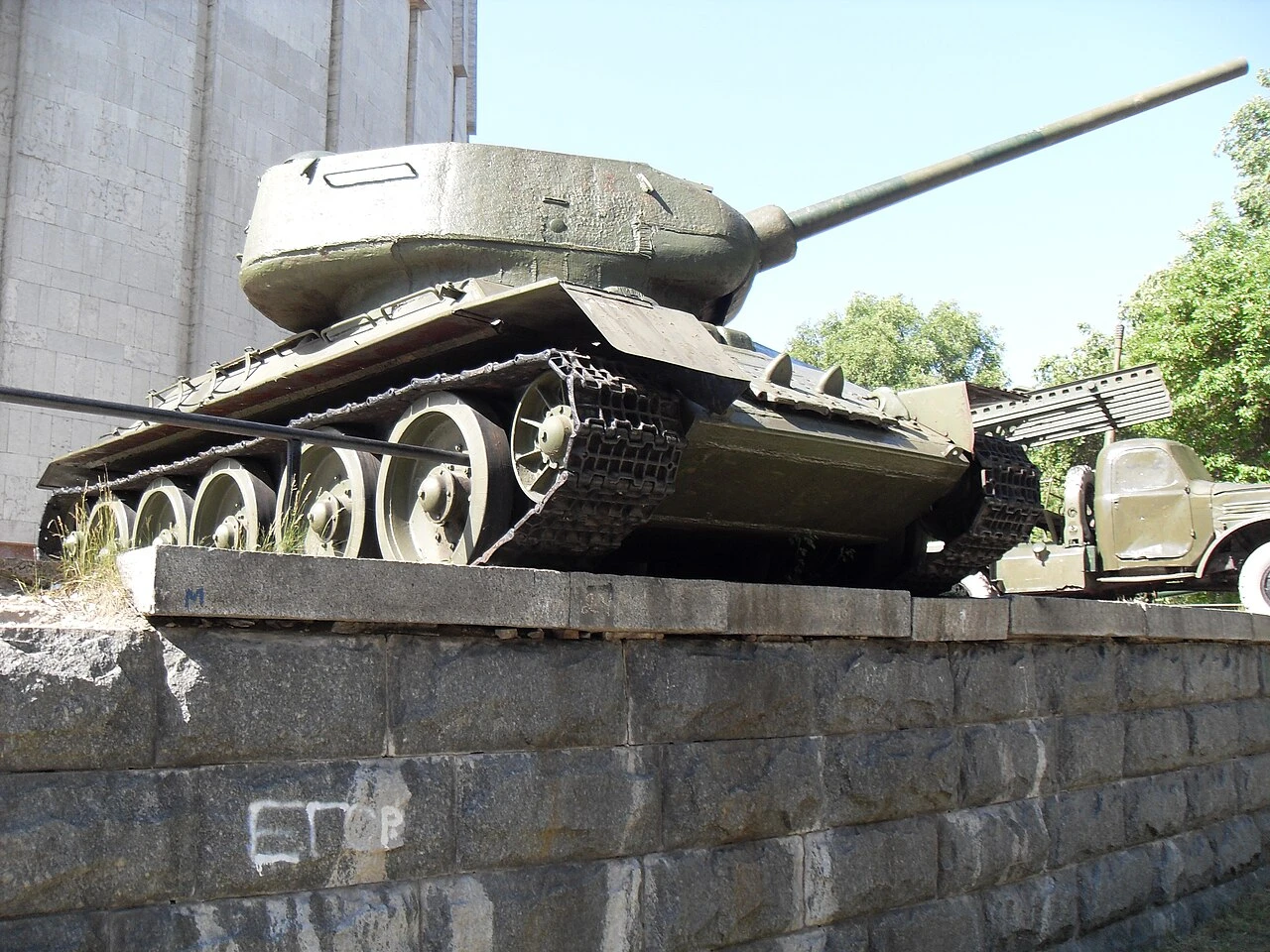
Ten thousand tanks, and nothing on paper
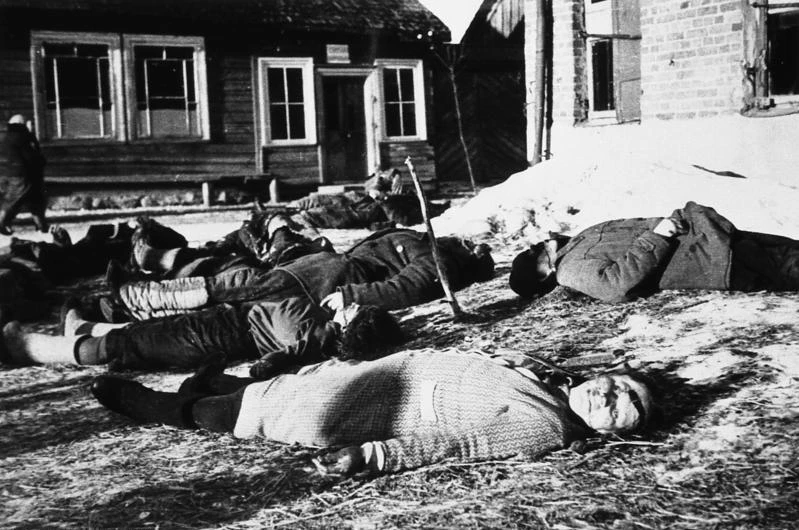
Generalplan Ost — the Hunger Plan
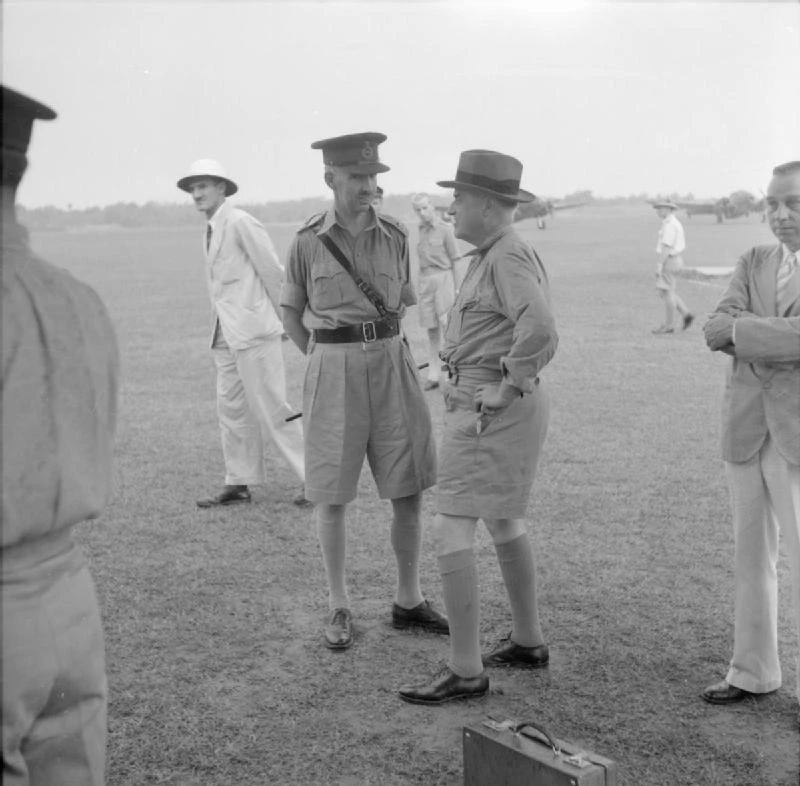
Harriman in Moscow, Face to Face with Stalin
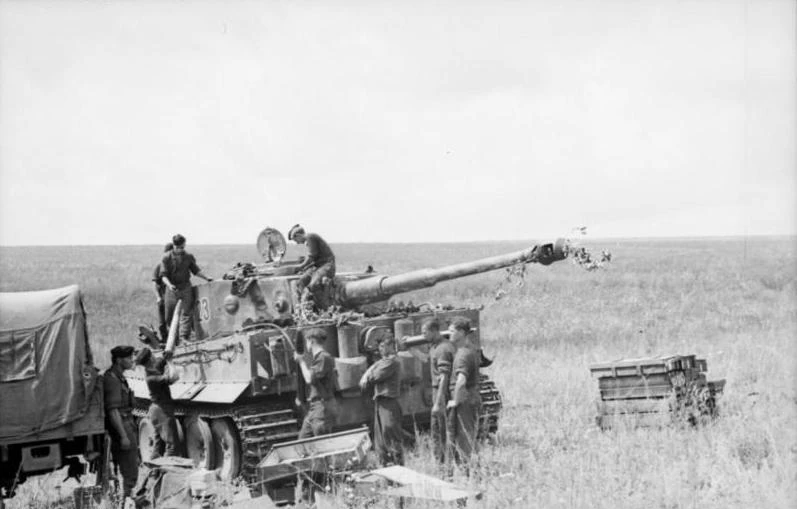
Krupp and the Beast's Cannon
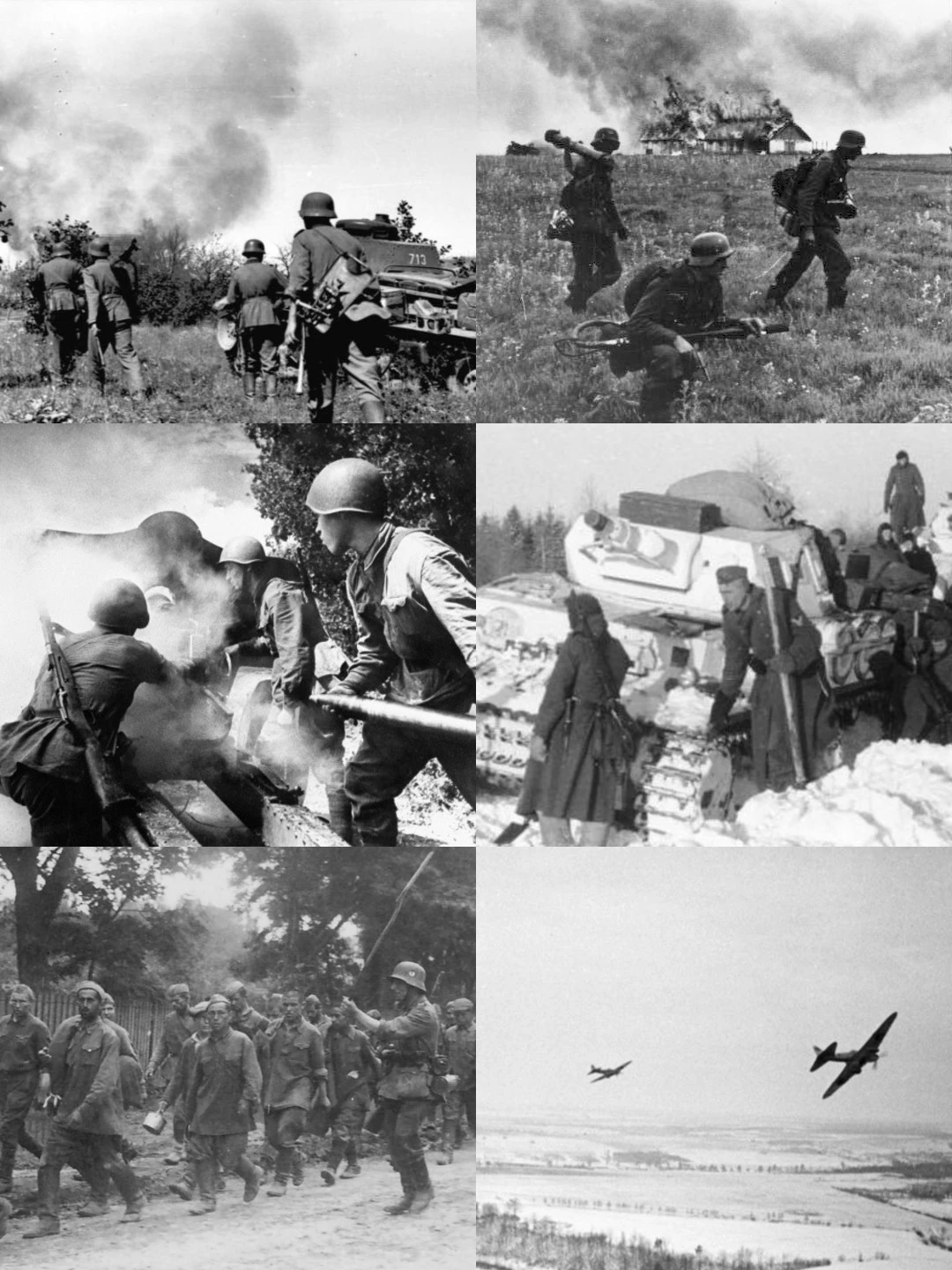
The Soviet schoolteacher facing the German advance
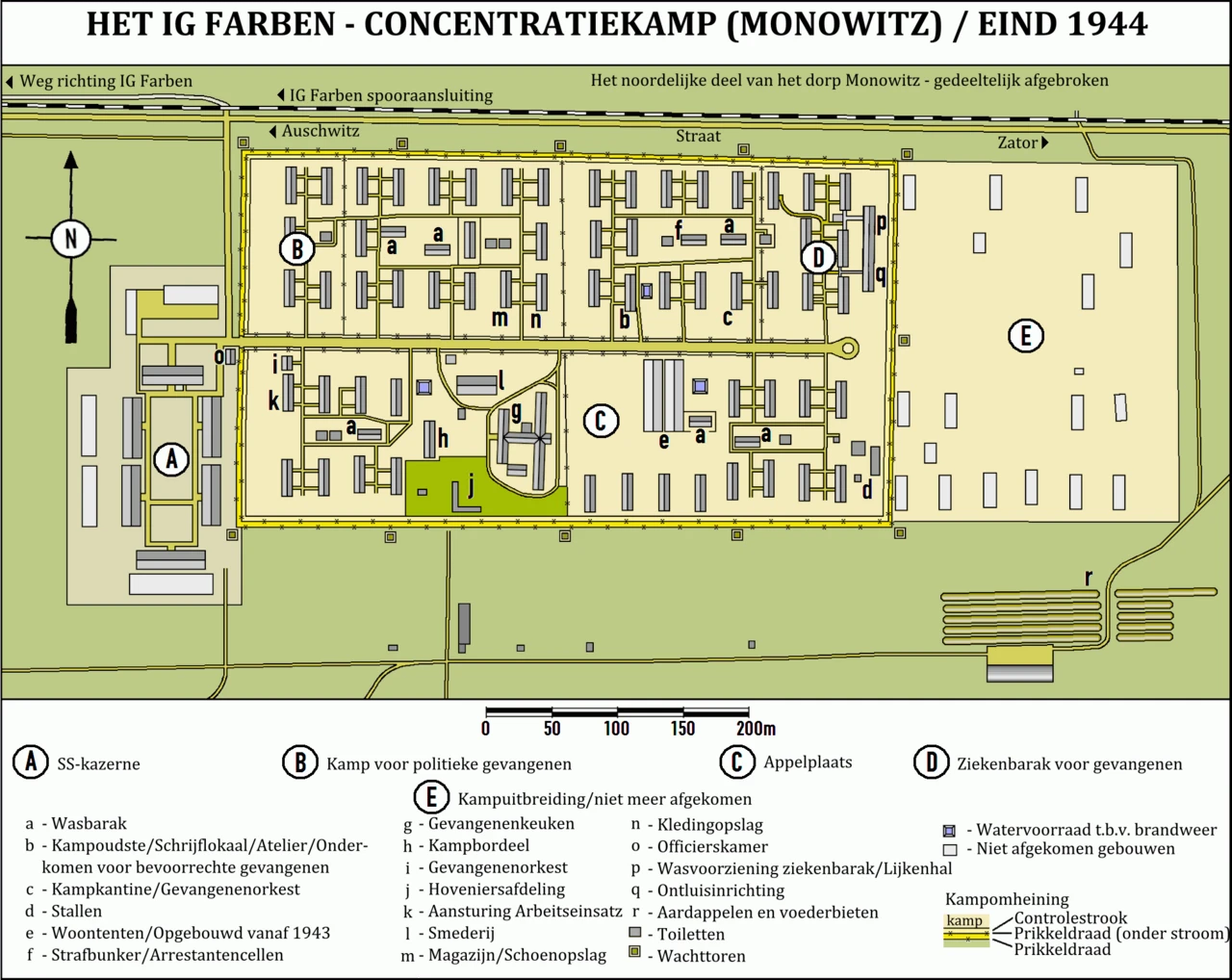
The Monowitz Construction Site
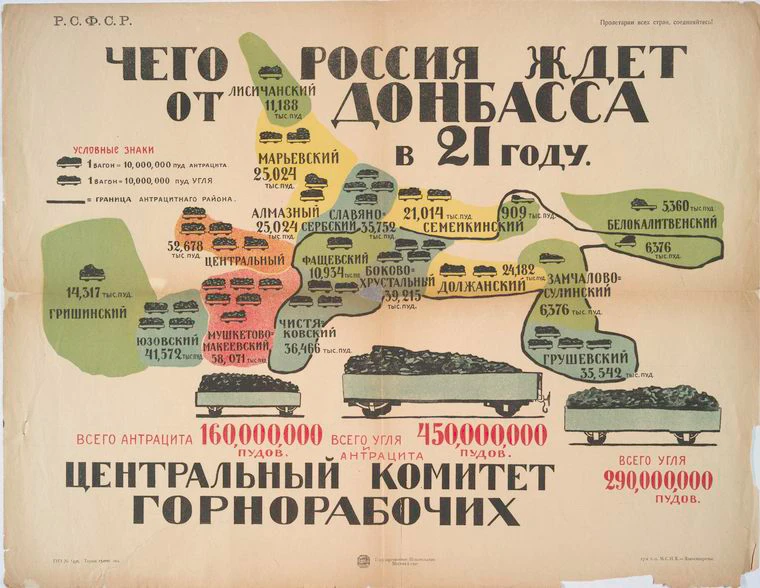
The Donbass Is About to Fall — What to Do With the Basin?
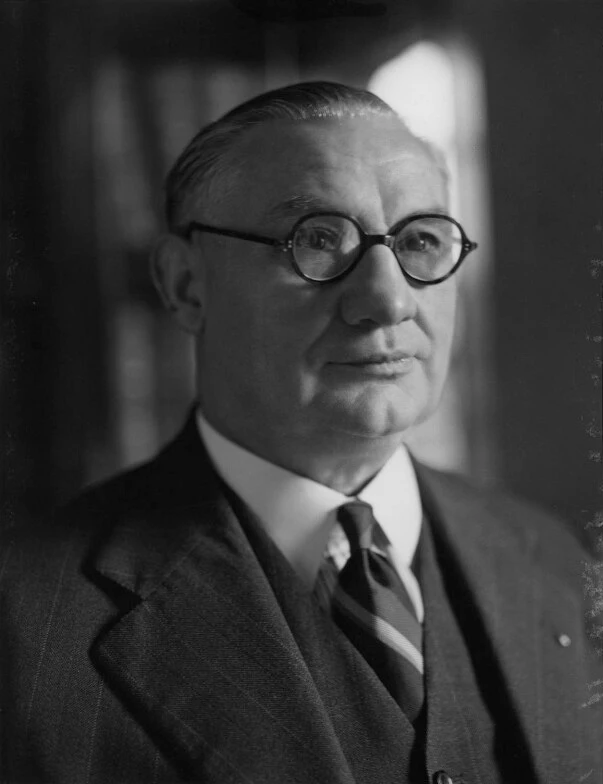
The Pits Run Dry — Bevin and the Coal of 1941
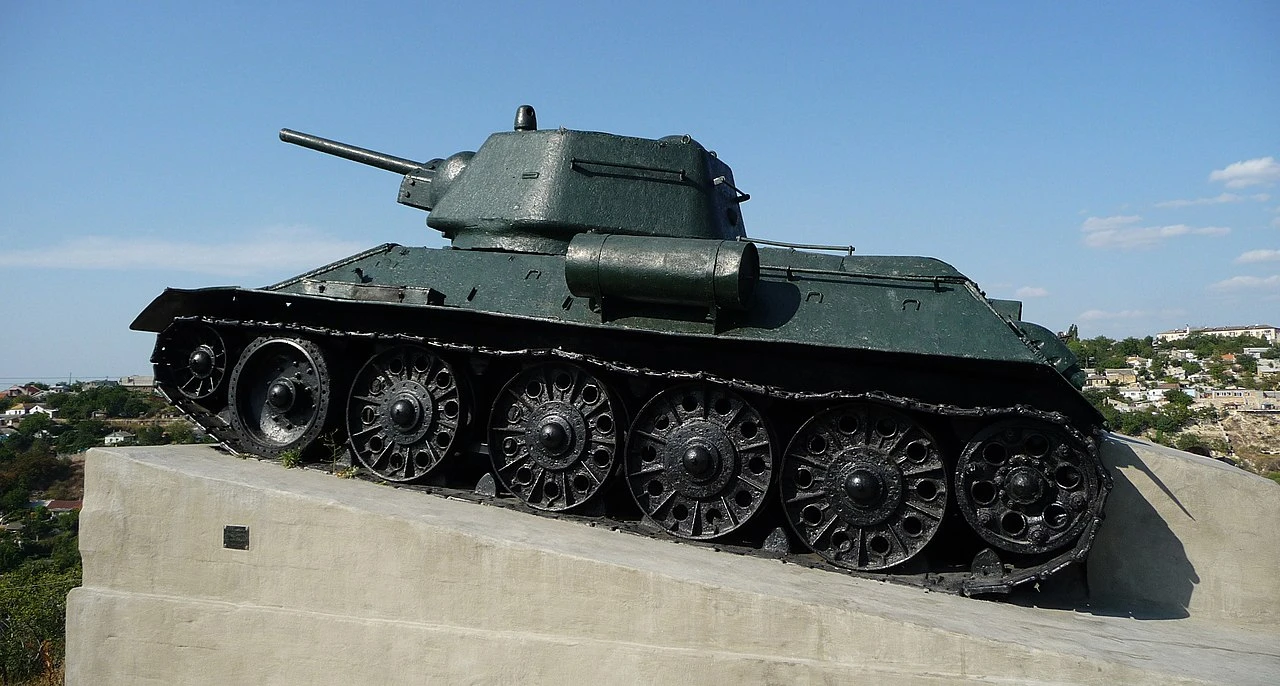
Malyshev and the Tank Exodus to the Urals
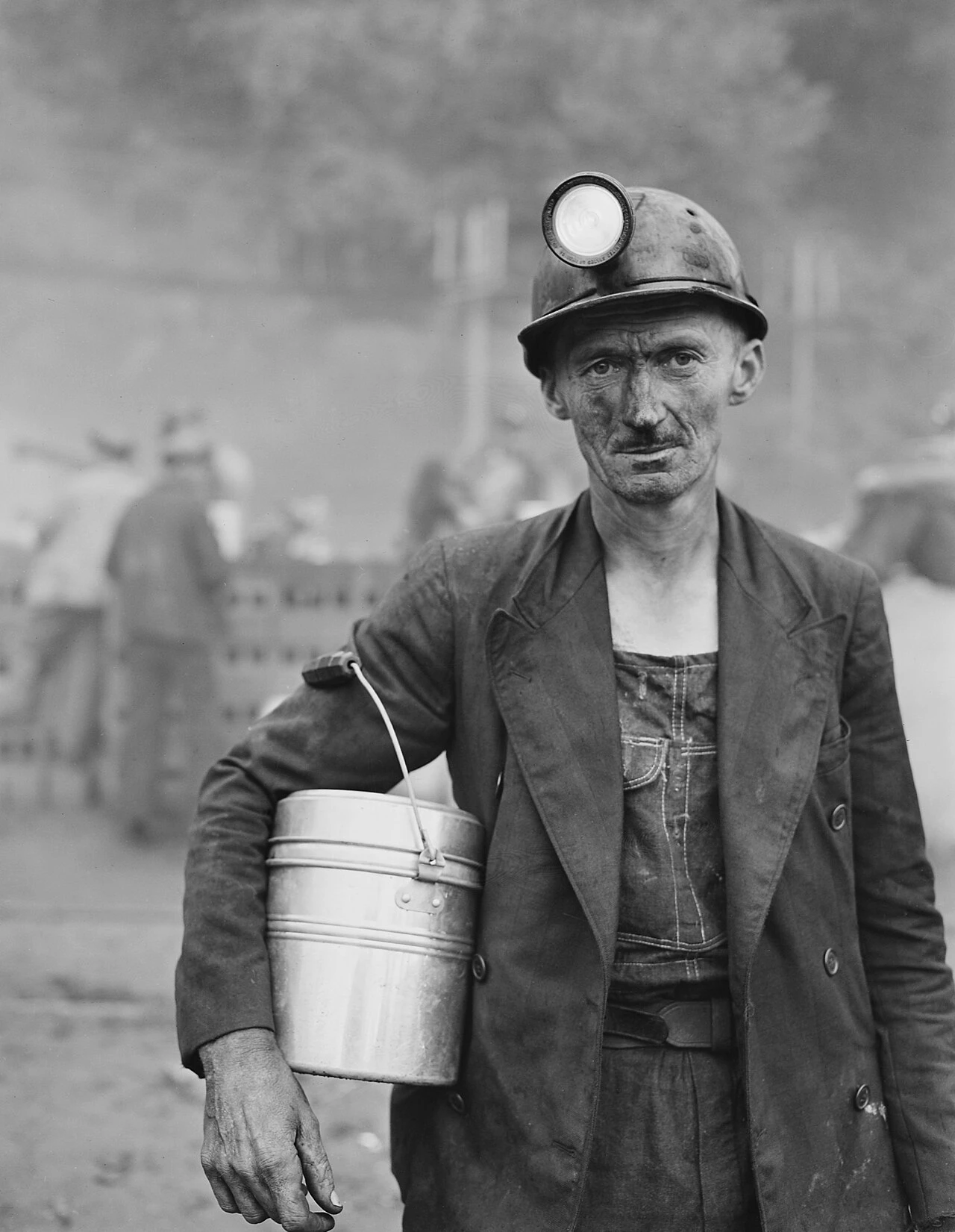
At the Dahomey pit, the morning of team-rate pay
Ten thousand tanks, and nothing on paper
Generalplan Ost — the Hunger Plan
Harriman in Moscow, Face to Face with Stalin
Krupp and the Beast's Cannon
The Soviet schoolteacher facing the German advance
The Monowitz Construction Site
The Donbass Is About to Fall — What to Do With the Basin?
The Pits Run Dry — Bevin and the Coal of 1941
Malyshev and the Tank Exodus to the Urals