
Hanoi — the Japanese ultimatum in Indochina
After France's defeat, French Indochina finds herself isolated and indefensible. Japan, which has been fighting China since 1937, wants to cut the last major supply route of the Chinese nationalists: the railway and road linking the port of Haiphong to the Chinese province of Yunnan. Tokyo demands the right to station troops in Tonkin and to use its airfields.
The Governor-General, Admiral , answers to Vichy and can hope for no relief: the metropole is occupied, Britain refuses to commit, the United States limits itself to protests. French forces on the ground are weak and cut off from any reinforcement.
On September 22, 1940, an agreement is imposed under the pressure of a virtual ultimatum. But the Japanese army does not wait for its application: units cross the border and attack French posts. Decoux must decide how to deal with a de facto "ally" forcing his way in: yield to every demand, resist militarily for honor's sake, or try to bargain inch by inch for a limited presence.
Faced with the Japanese demands, what should the French administration in Indochina do?
The Vichy administration in practice chooses A, tinged with C: it signs the agreement authorizing the stationing of Japanese troops and the use of the bases, while trying to keep up the appearance of French sovereignty. Some fighting nonetheless breaks out, notably around Lang Son, where French posts are seized before a ceasefire restores the agreement. Japan obtains its springboard into South-East Asia; a year later, it will occupy all of southern Indochina, triggering the American embargo that will lead to Pearl Harbor. Indochina will remain under joint Franco-Japanese tutelage until the Japanese coup of March 1945. The capitulation of 1940 inaugurates a decade of war there.
Learn more about this event
Related polls
10
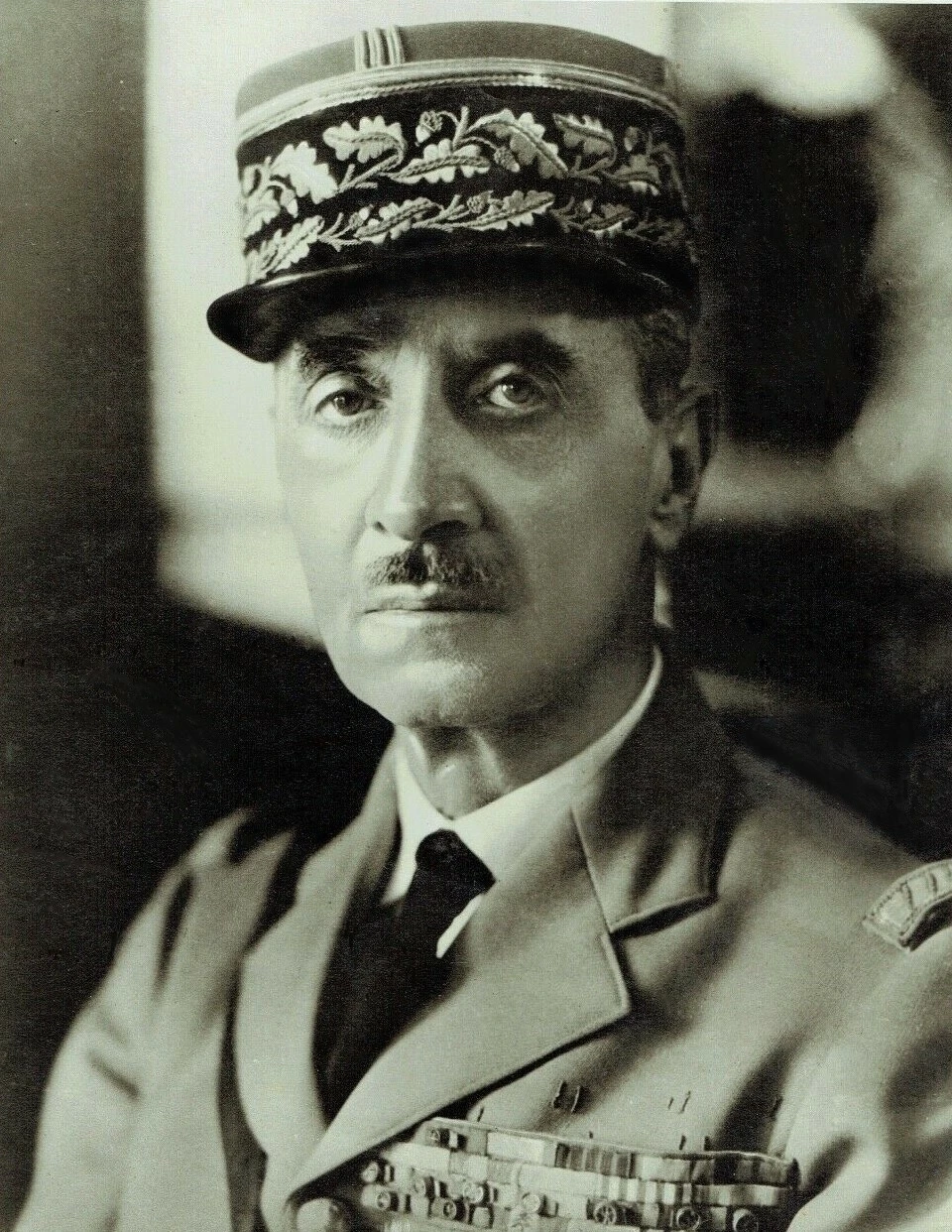
Catroux and Tokyo's pressure on Indochina
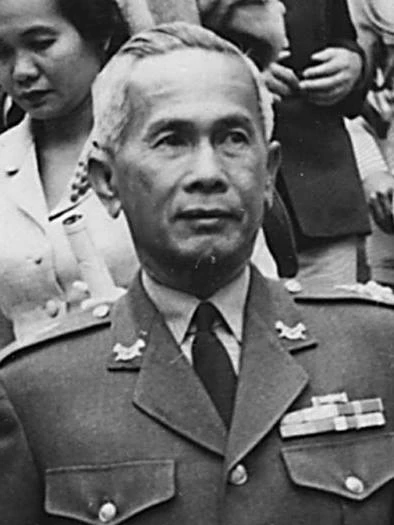
Bangkok Eyes the Lost Provinces of the Mekong
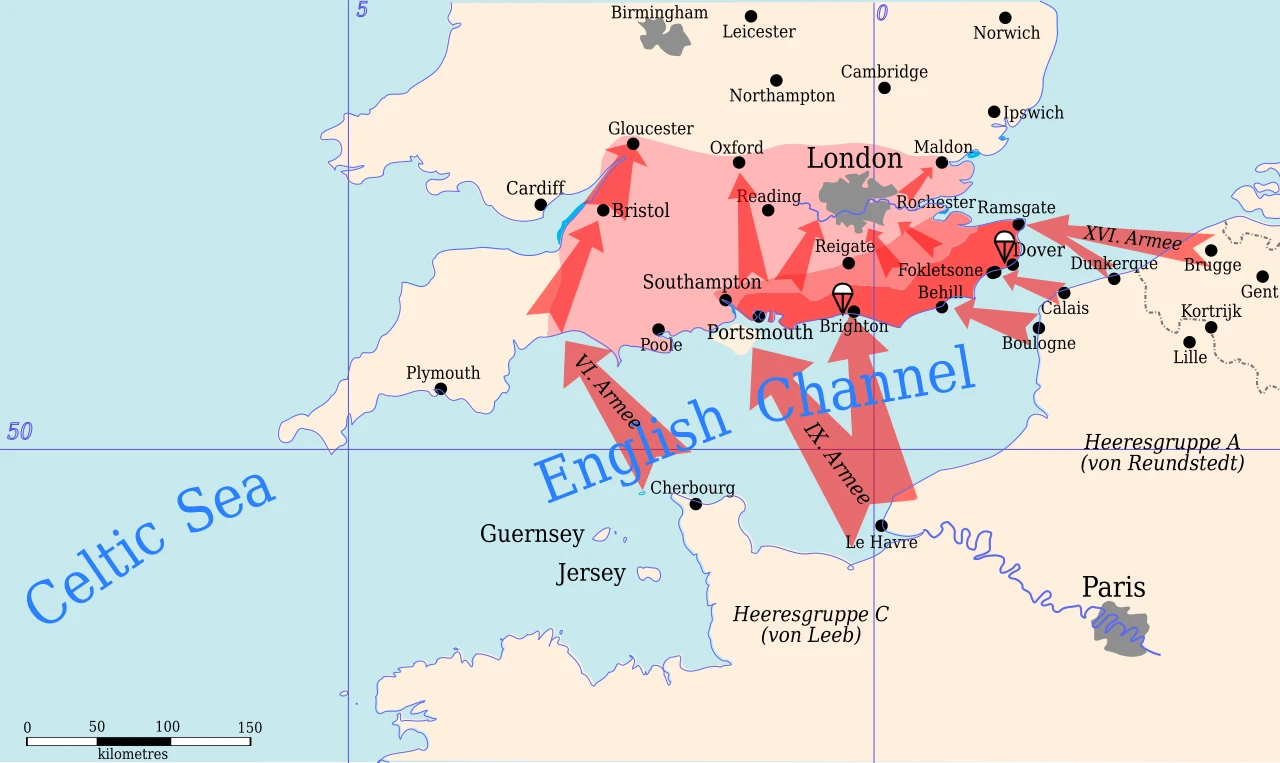
Hitler faces Sea Lion — September 17
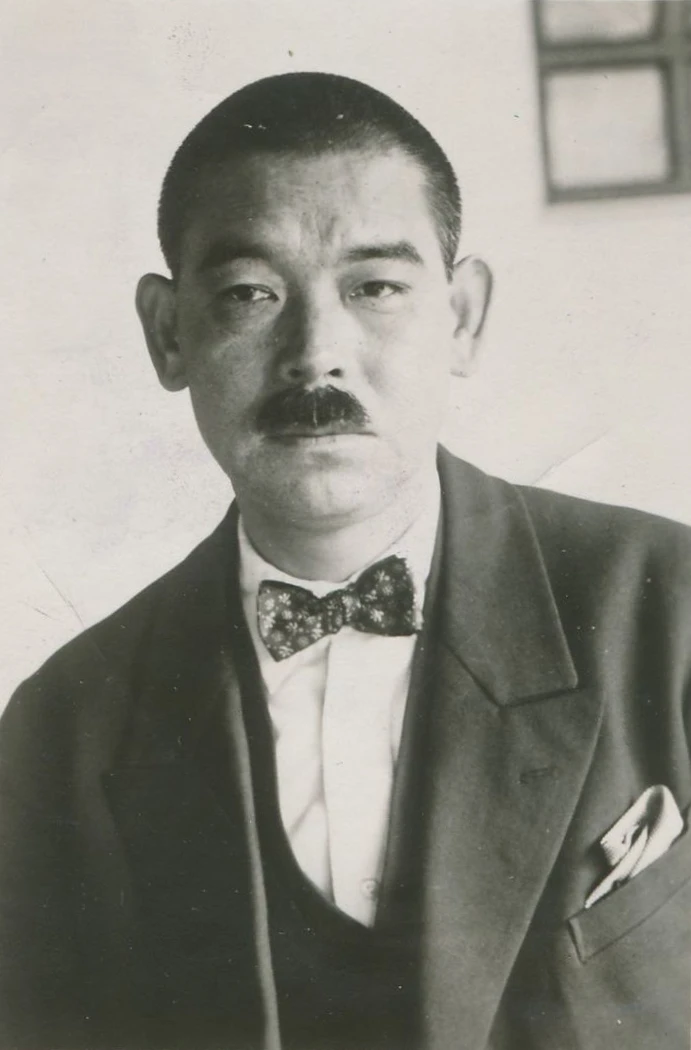
Tokyo — Japan and the Tripartite Pact
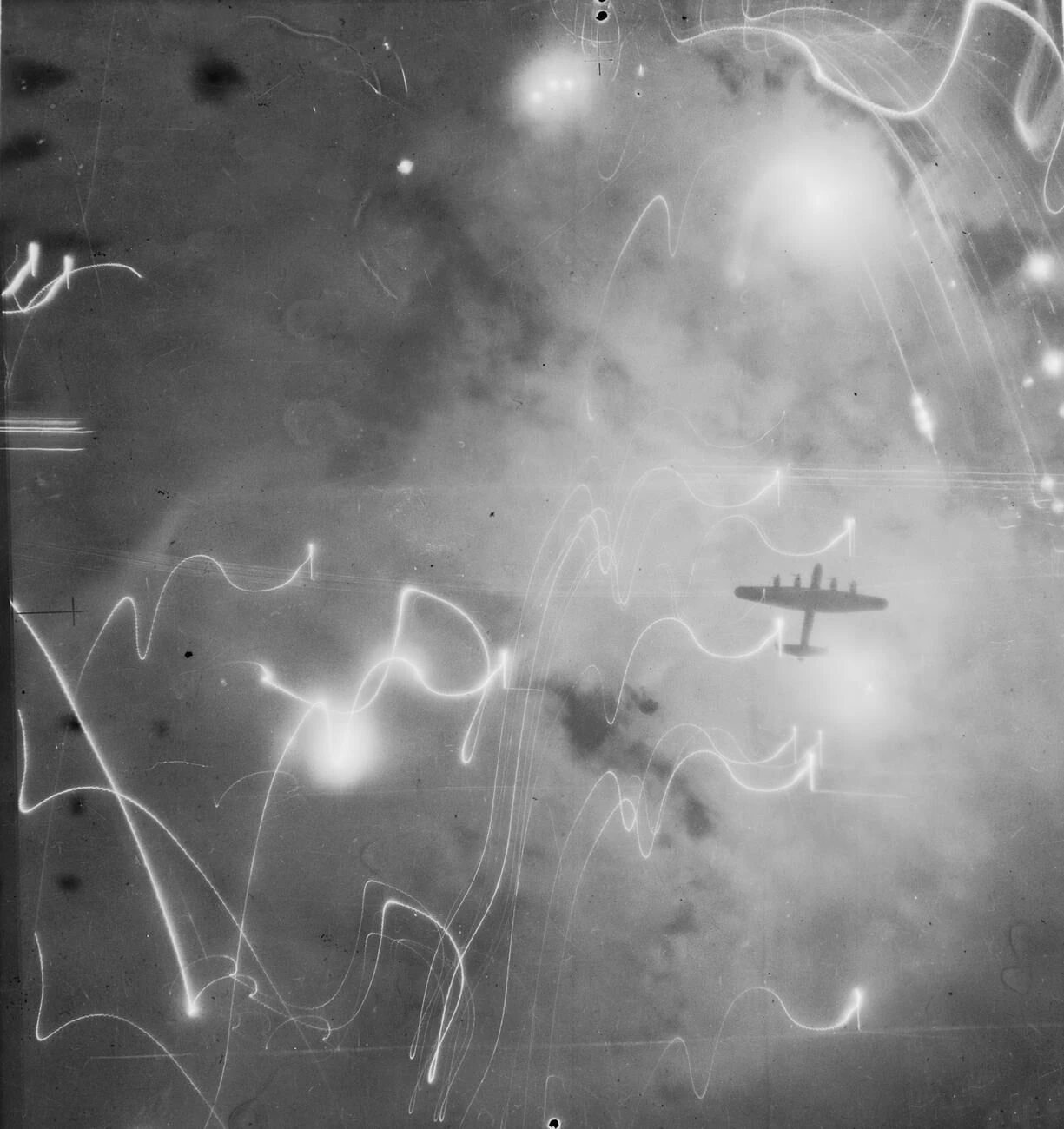
Bombing London — and the reply on Berlin
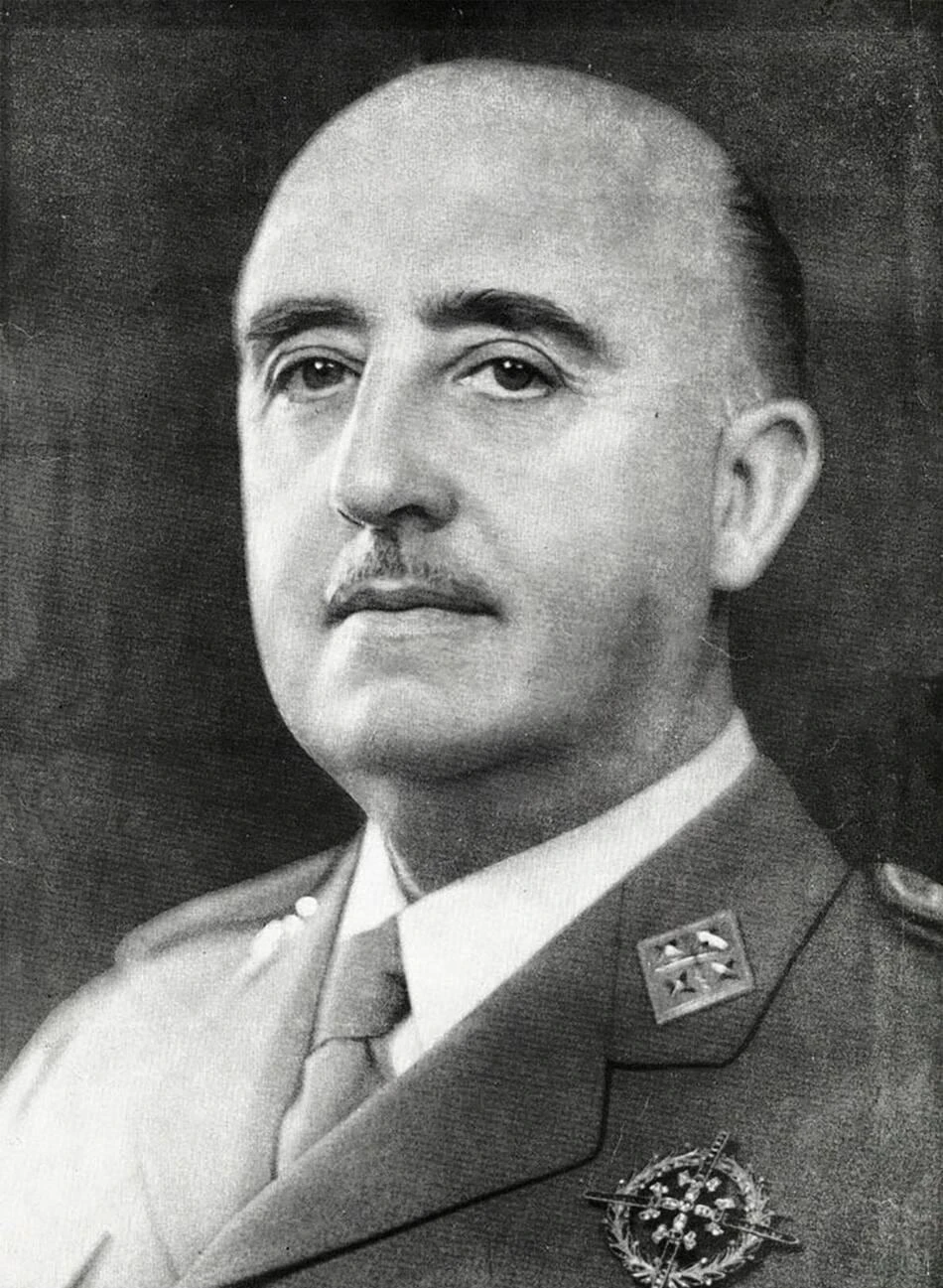
Franco at Hendaye — October 23
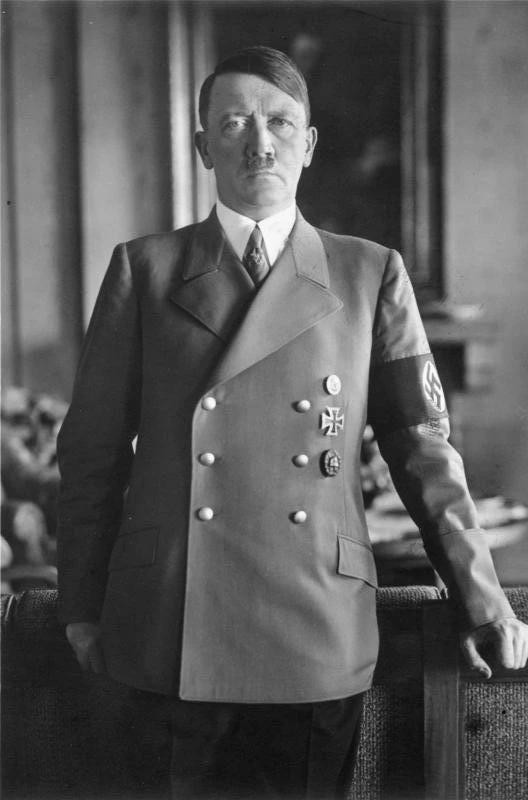
Gibraltar after the rebuff at Hendaye
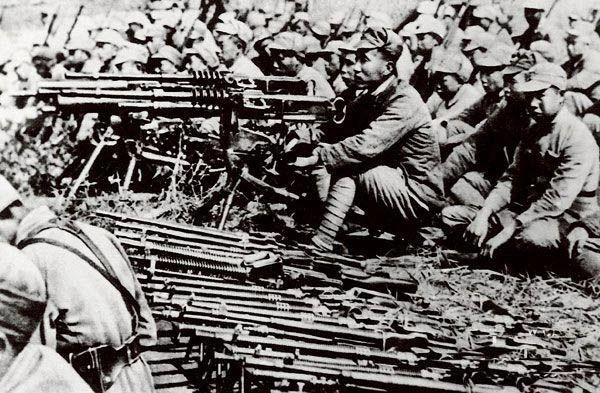
The New Fourth Army Incident
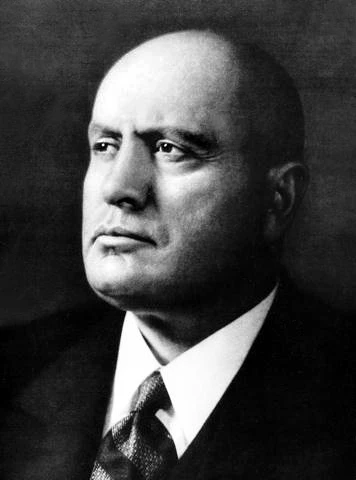
Mussolini, the Duce and the "Fait Accompli" — Rome, 15 October 1940
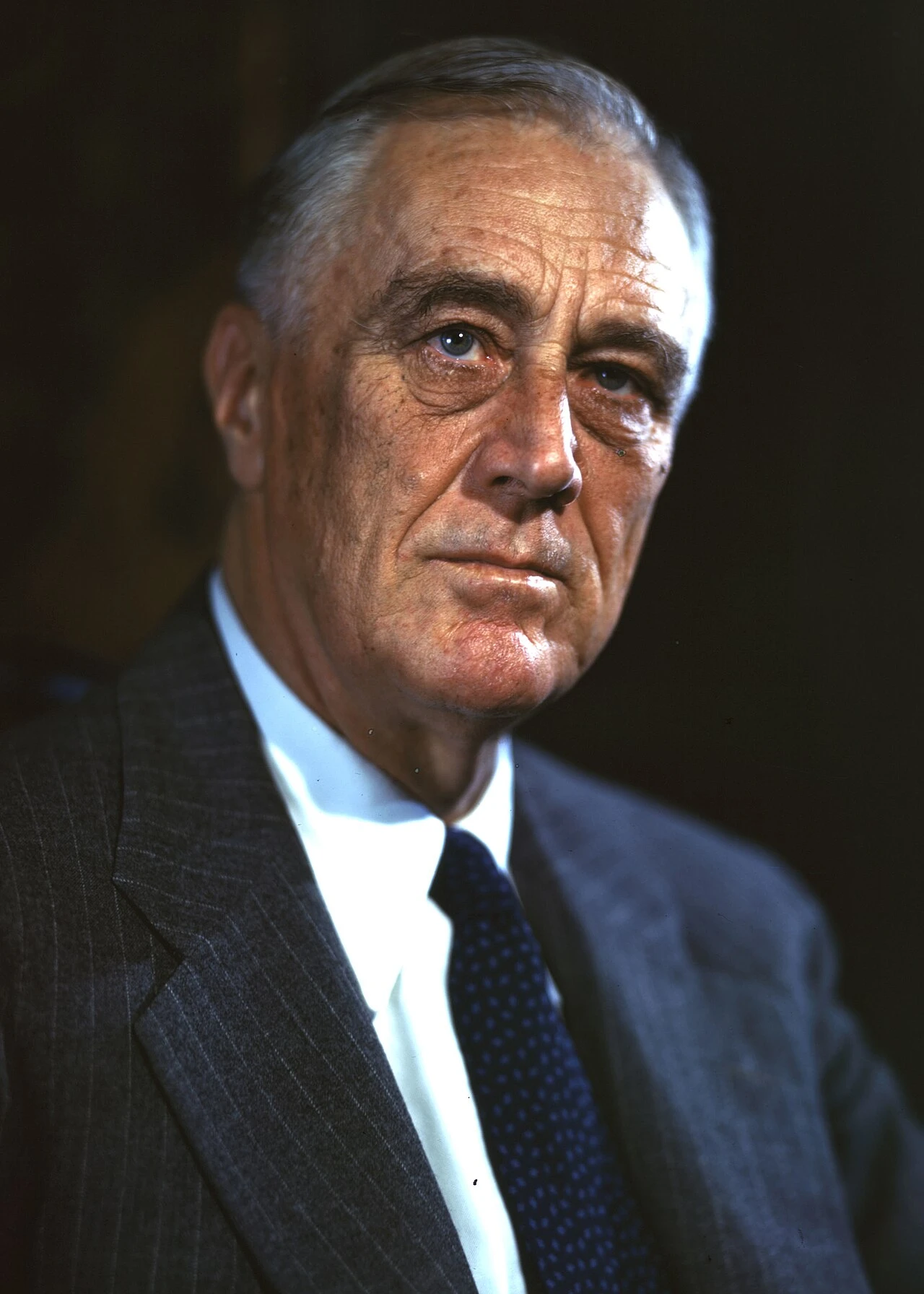
Roosevelt and the Squadron for Singapore — Washington, October 1940
Catroux and Tokyo's pressure on Indochina
Bangkok Eyes the Lost Provinces of the Mekong
Hitler faces Sea Lion — September 17
Tokyo — Japan and the Tripartite Pact
Bombing London — and the reply on Berlin
Franco at Hendaye — October 23
Gibraltar after the rebuff at Hendaye
The New Fourth Army Incident
Mussolini, the Duce and the "Fait Accompli" — Rome, 15 October 1940