
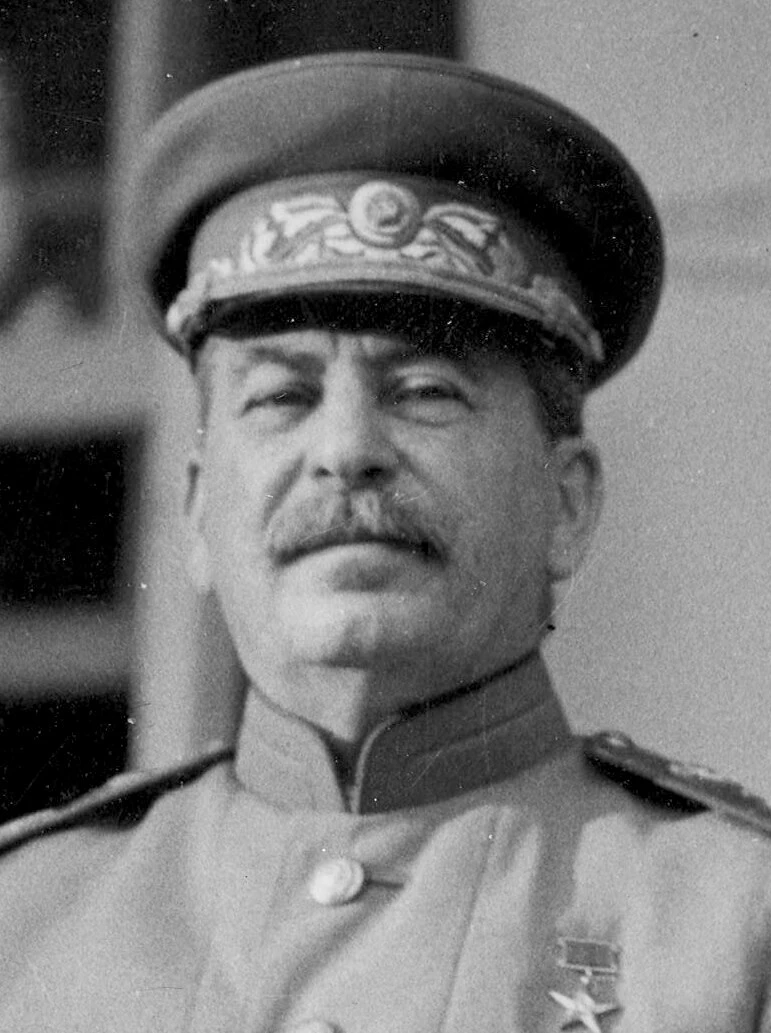
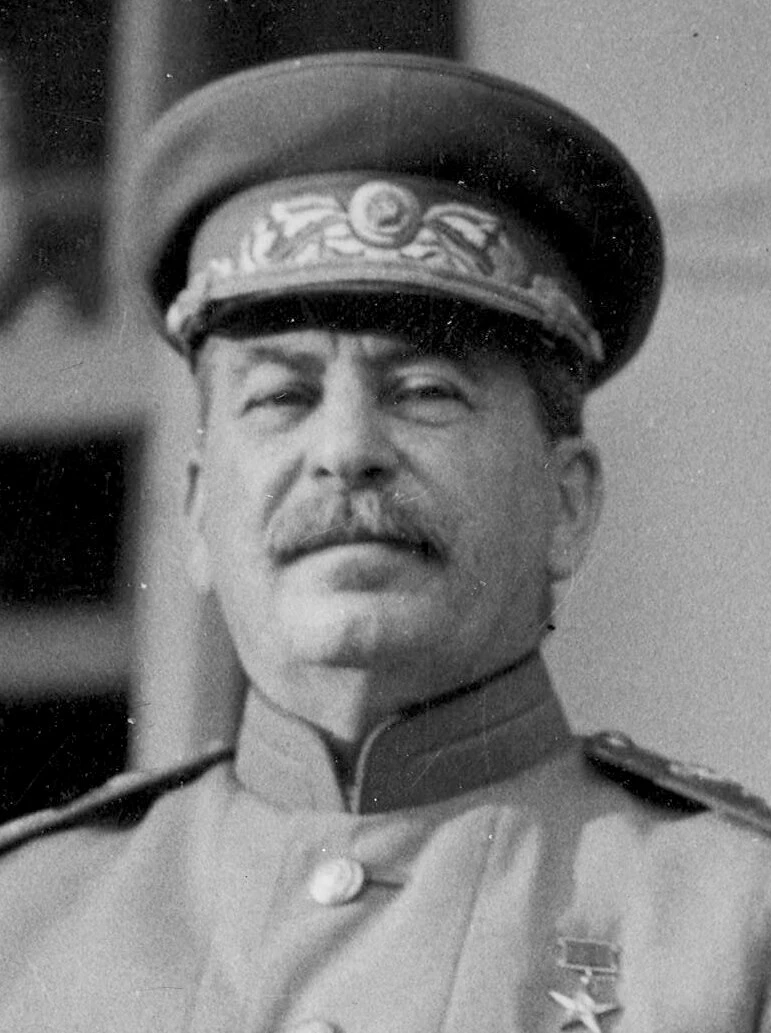
In the Kremlin, holds the reins of the USSR without sharing them. Since the pact of 1939, he has made the understanding with Berlin the cornerstone of his security, persuaded that Hitler will not turn against him so long as England resists.
Yet the warning signals pour in. On 20 March 1941, his ambassador in Washington transmits precise warnings about German intentions; the same day, the GRU describes the attack plan to him. German reconnaissance aircraft regularly violate Soviet airspace. His generals demand that the units in the West be put on alert and a visible mobilisation be ordered.
Stalin sees in all this a manoeuvre meant to drag him into the war. His obsession: to give not the slightest pretext for an attack. To appease Berlin, the USSR delivers record quantities of grain and oil — shipments sometimes leave without even a German order having been placed. When a German aircraft makes an emergency landing, the pilot is fed and sent back.
Between authorising his troops to defend themselves and to deploy, or pursuing appeasement at all costs, Stalin must decide.
Should Stalin authorise defensive fire and a visible mobilisation, or keep appeasing Germany at all costs?
Stalin chose B: appeasement, to the point of blindness. He refused to place the troops in the West in a state of combat readiness, fearing that such a gesture would 'provoke' Hitler. He ordered that no fire be opened on the German reconnaissance aircraft overflying the territory. The economic deliveries continued at a record pace until the eve of the invasion. To his generals he declared that if anyone provoked the Germans at the frontier without authorisation, 'heads will roll'. This obstinacy would leave the caught off guard on 22 June 1941: air force destroyed on the ground, units encircled, hundreds of thousands of prisoners within the first weeks. Rarely has a leader paid so dearly for refusing to believe what his own services were telling him.
Learn more about this event
Related polls
10
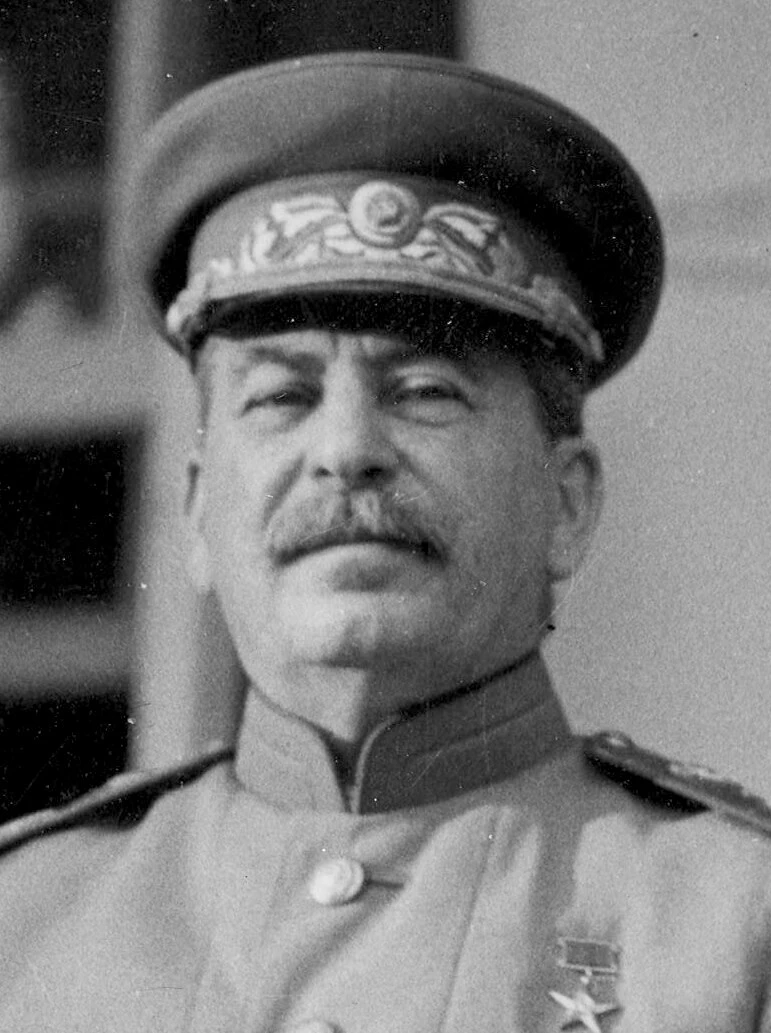
Stalin extends a hand to Japan
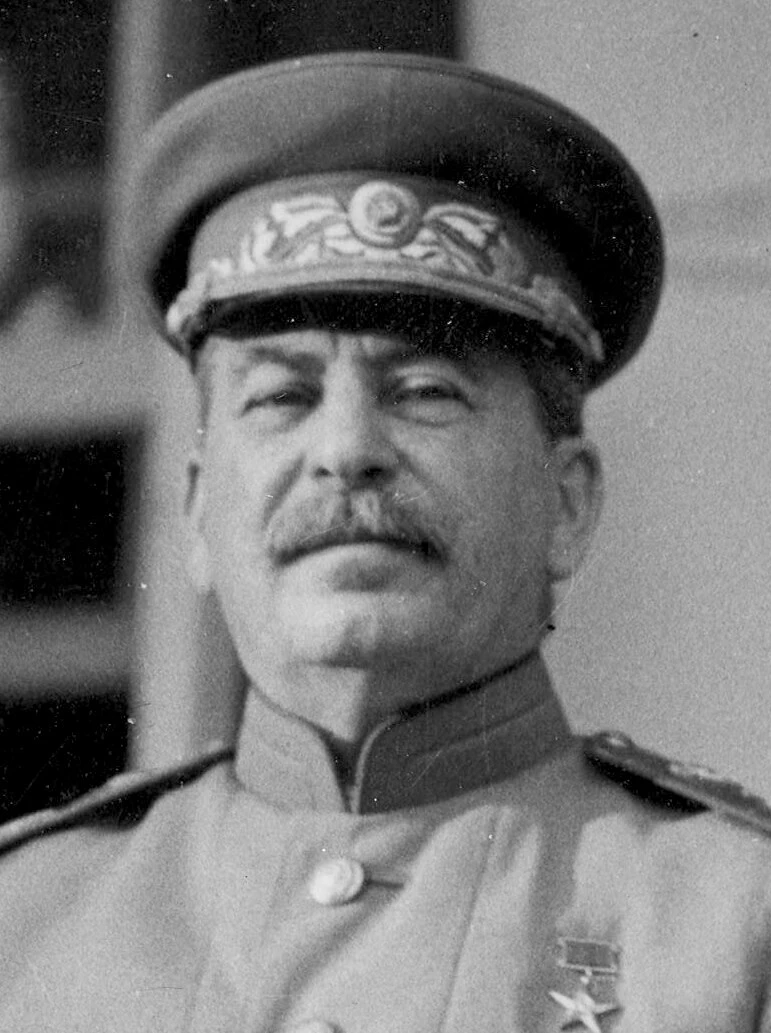
Stalin at the microphone — 'brothers and sisters'
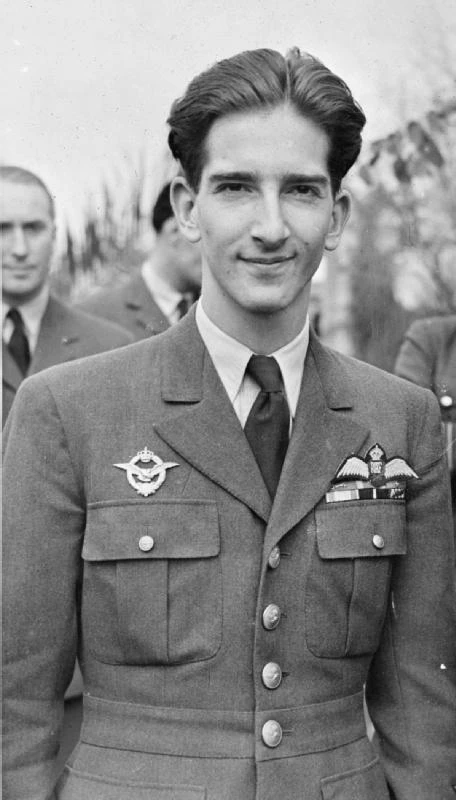
The Belgrade coup
Harriman in Moscow, Face to Face with Stalin
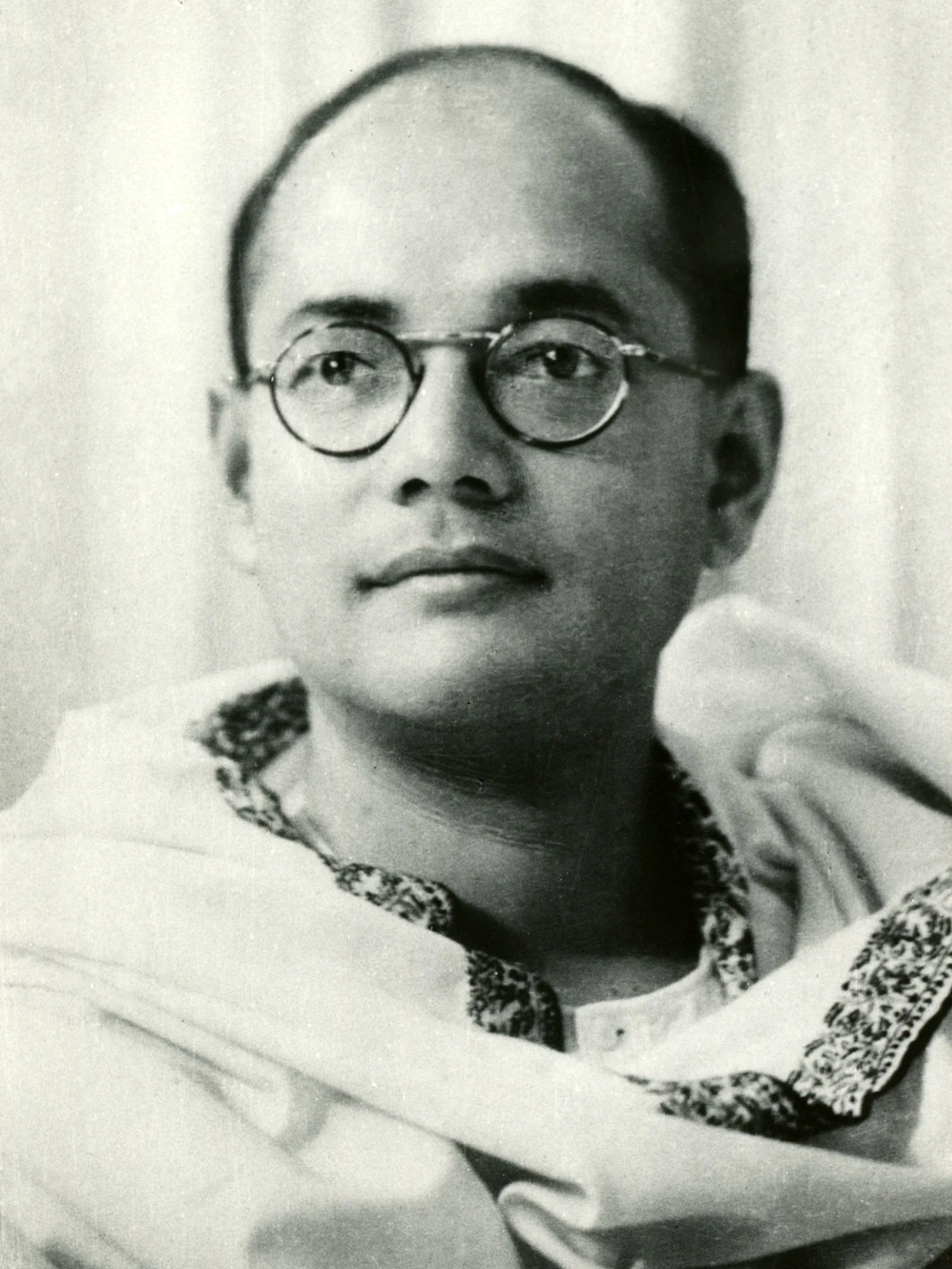
The Indische Legion — Subhas Chandra Bose in Berlin
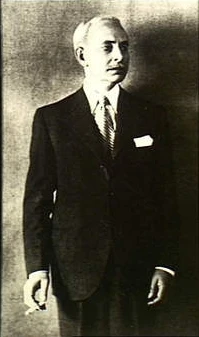
The death of Metaxas — Athens
The Nazi-Soviet Pact
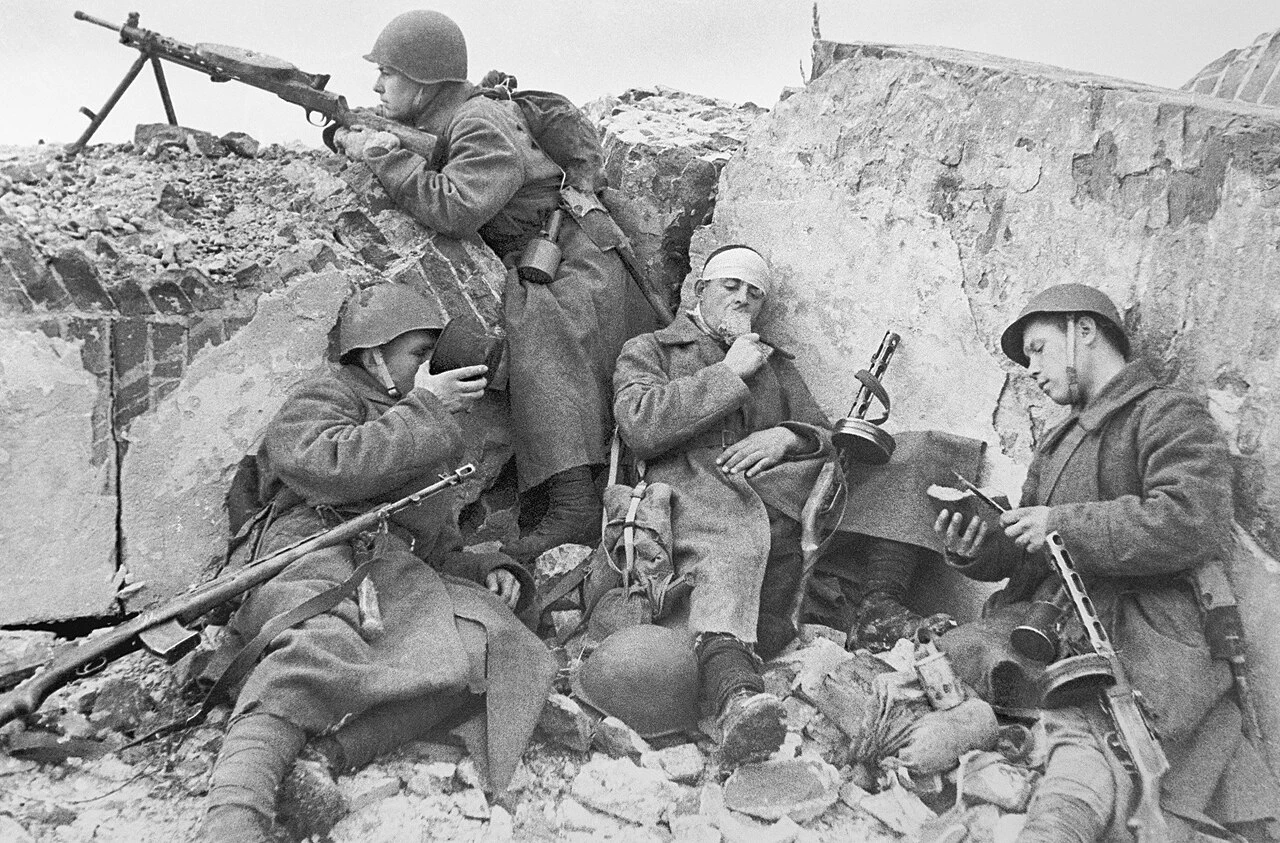
The Moscow Talks
The Dismissal of Litvinov
Roosevelt — signing Lend-Lease
Stalin extends a hand to Japan
Stalin at the microphone — 'brothers and sisters'
The Belgrade coup
Harriman in Moscow, Face to Face with Stalin
The Indische Legion — Subhas Chandra Bose in Berlin
The death of Metaxas — Athens
The Nazi-Soviet Pact
The Moscow Talks
The Dismissal of Litvinov