
As the front recedes, the Allies leave behind them important depots of fuel, ammunition and matériel. Yet the Panzers, whose advance depends on resupply of petrol, need to capture these stocks intact to sustain their race. Destroying in time what cannot be carried away deprives the enemy of a precious resource; leaving it intact feeds his machine.
The Allied command, in the confusion of the withdrawal, faces a "scorched earth" policy that is hard to apply. Systematically destroy the depots as the enemy approaches, at the risk of precipitating needless destruction or hampering its own movements. Try to evacuate everything, which is often impossible for lack of time and transport. Or, through negligence or disorganisation, let the stocks fall into the enemy's hands.
The stake is real: German units were seen refuelling with captured French petrol. A rigorous policy of destruction could, locally, have slowed the rush of the Panzers. But the speed of the advance and the chaos of the withdrawal complicate everything.
Should the Allied command systematically destroy the depots, try to evacuate everything, or simply deal with the most urgent matters?
In practice, the disorganisation often leads to C: for lack of time, clear orders and coordination, part of the Allied fuel depots falls intact into the hands of the Germans, who use them to sustain the momentum of their armour. Where destruction is carried out (B and A), it genuinely slows the enemy. The inability to conduct a systematic scorched-earth policy, amid the chaos of the withdrawal, is among the factors that facilitated the race of the Panzers — even though they were, in theory, vulnerable to running dry. The episode illustrates how much logistics and fuel were, on both sides, at the heart of the battle of 1940.
Learn more about this event
Related polls
10
The roads for the refugees or for the army

The gold of the National Bank
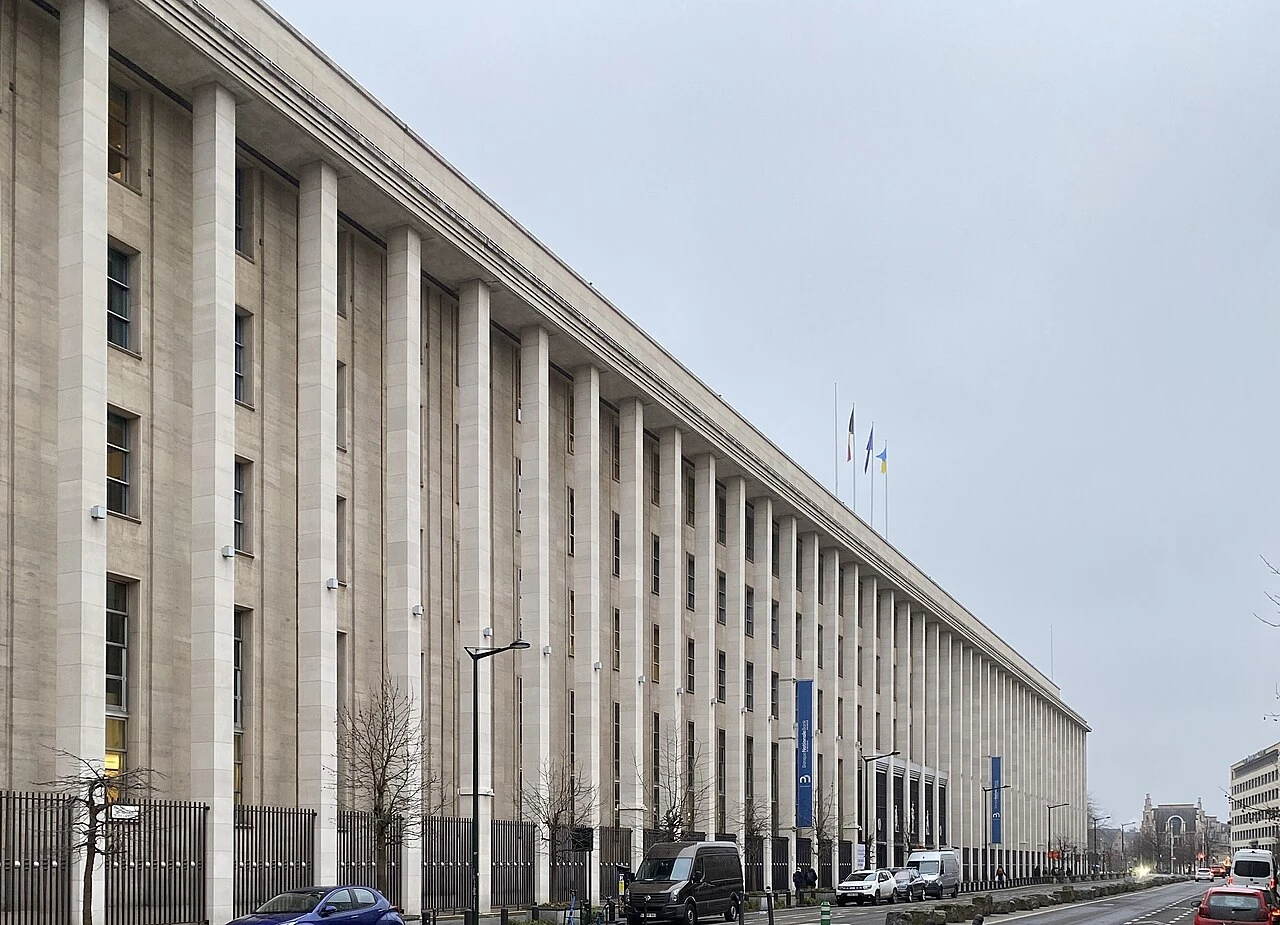
Forty tonnes of gold trapped at Ostend
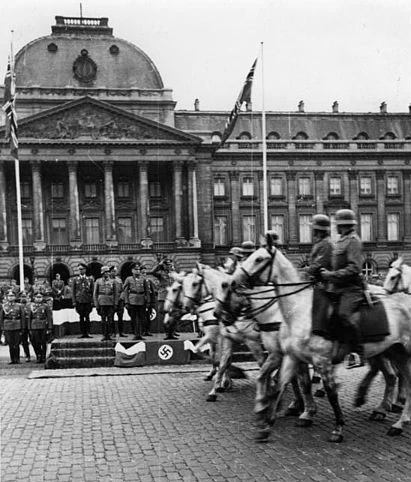
The Galopin Doctrine — whether to produce under the occupier

FN Herstal, May 1940 — a few hours ahead of the occupier
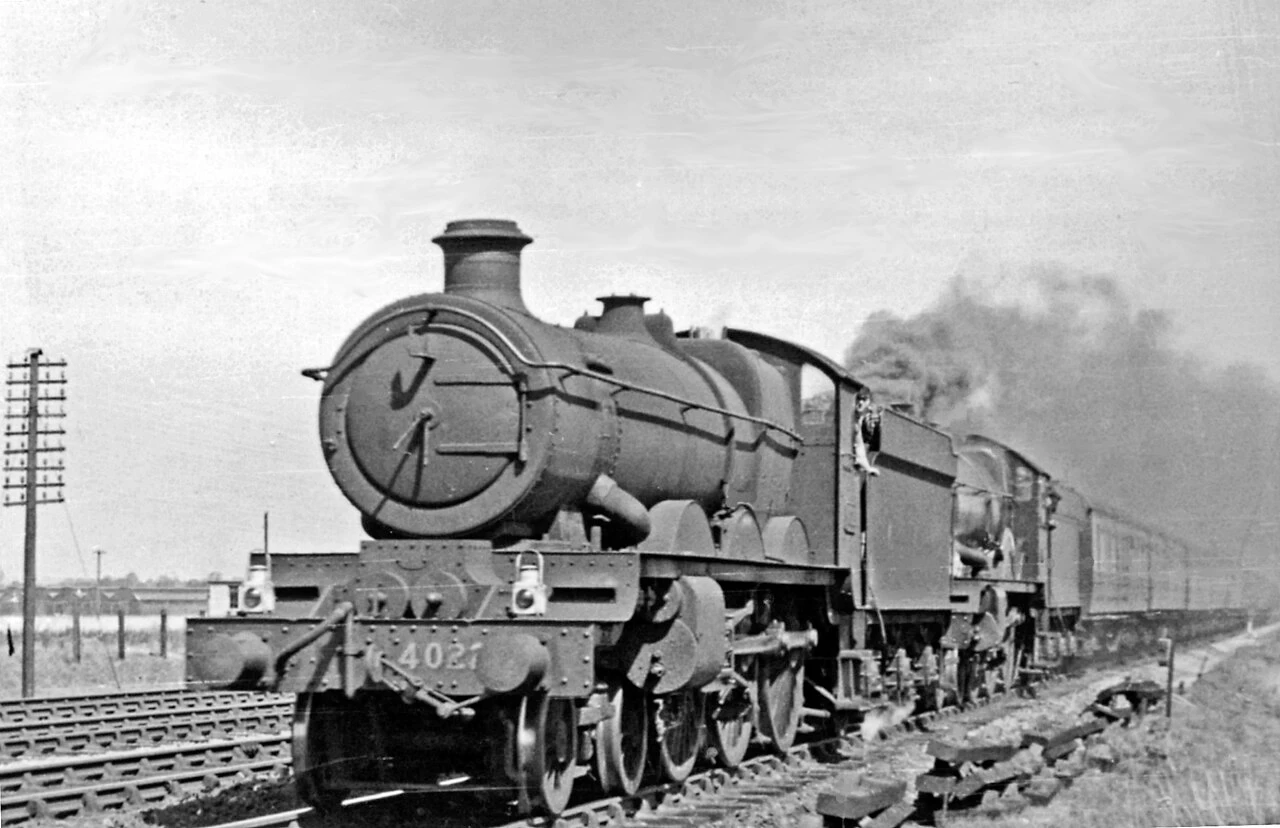
The Belgian railways under occupation
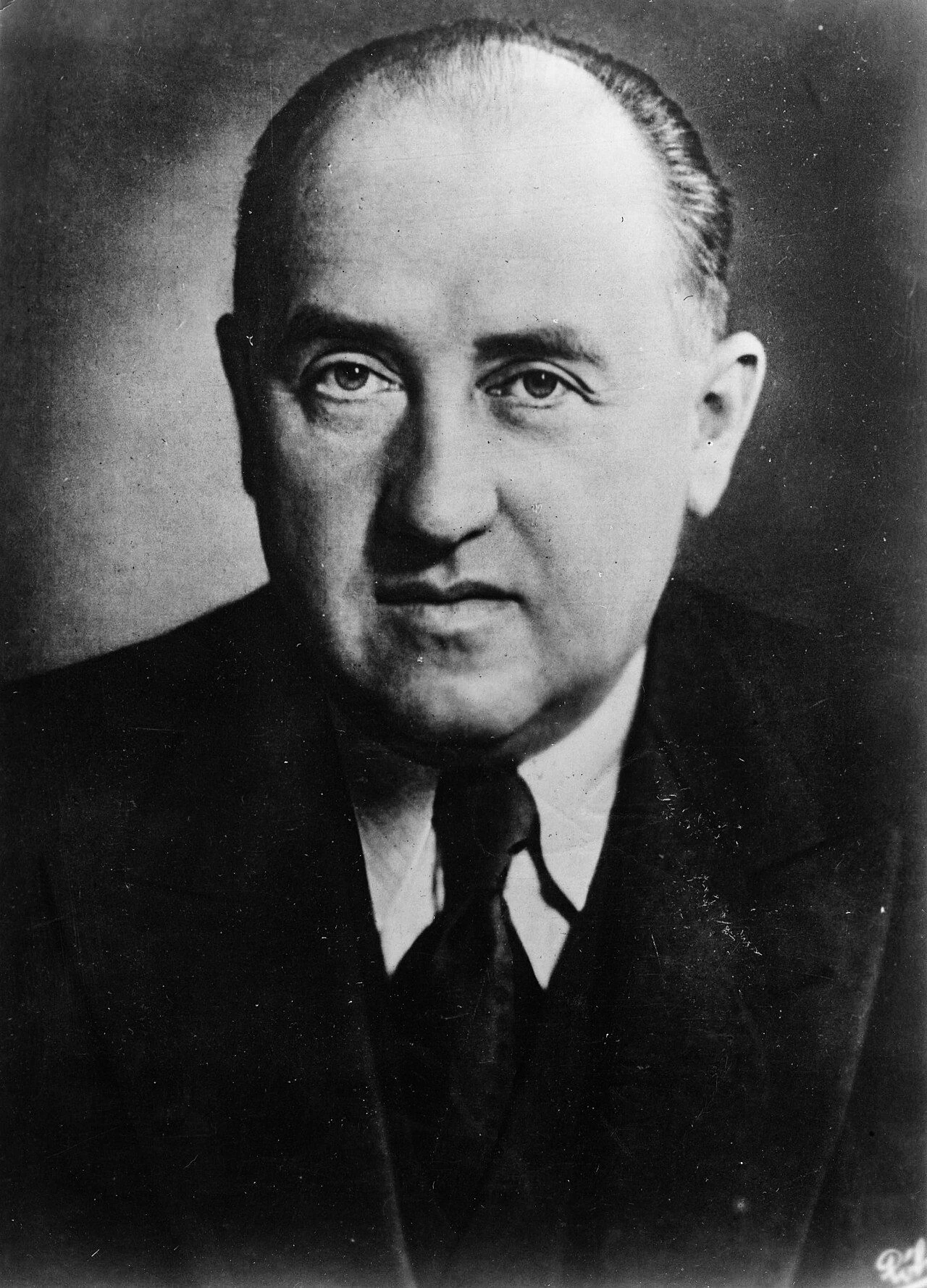
The Gold of the Bank of Poland — the destination of the SS Eocene

The bridge at Gennep and the Brandenburgers
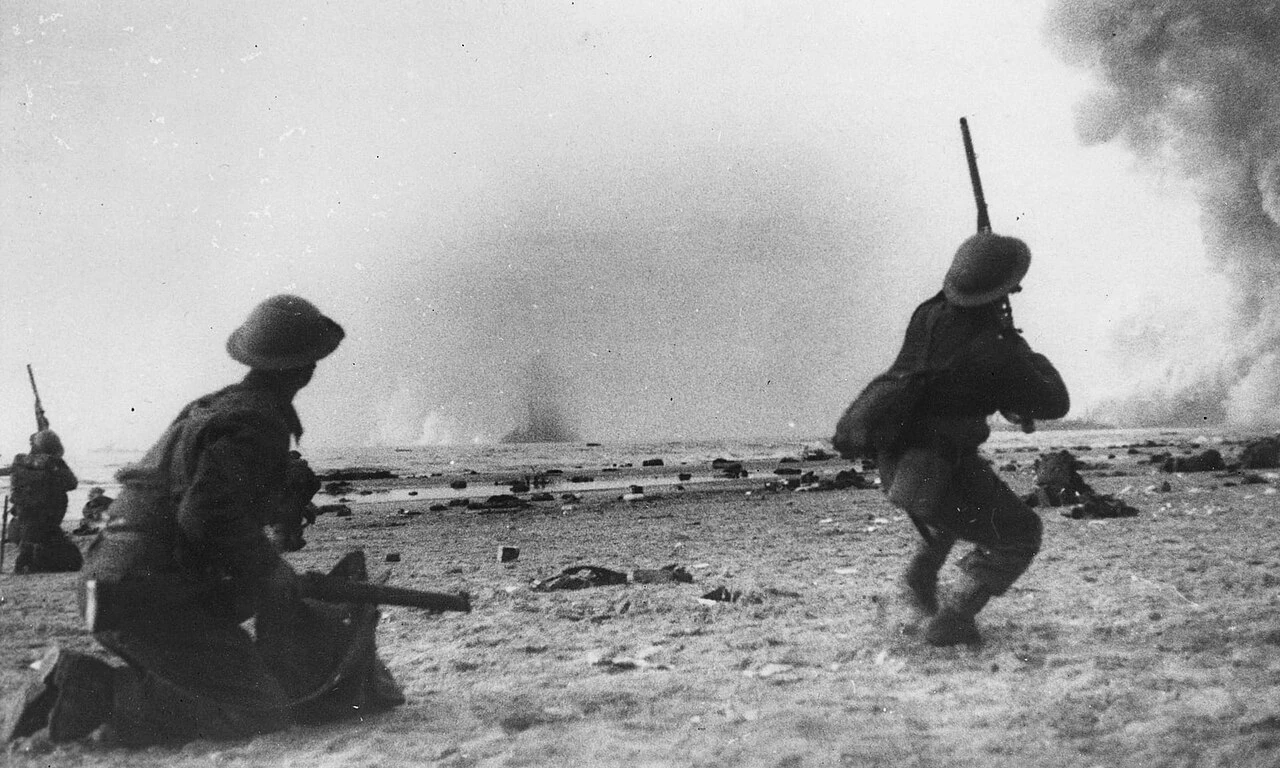
Dunkirk: a British gunner facing his own guns
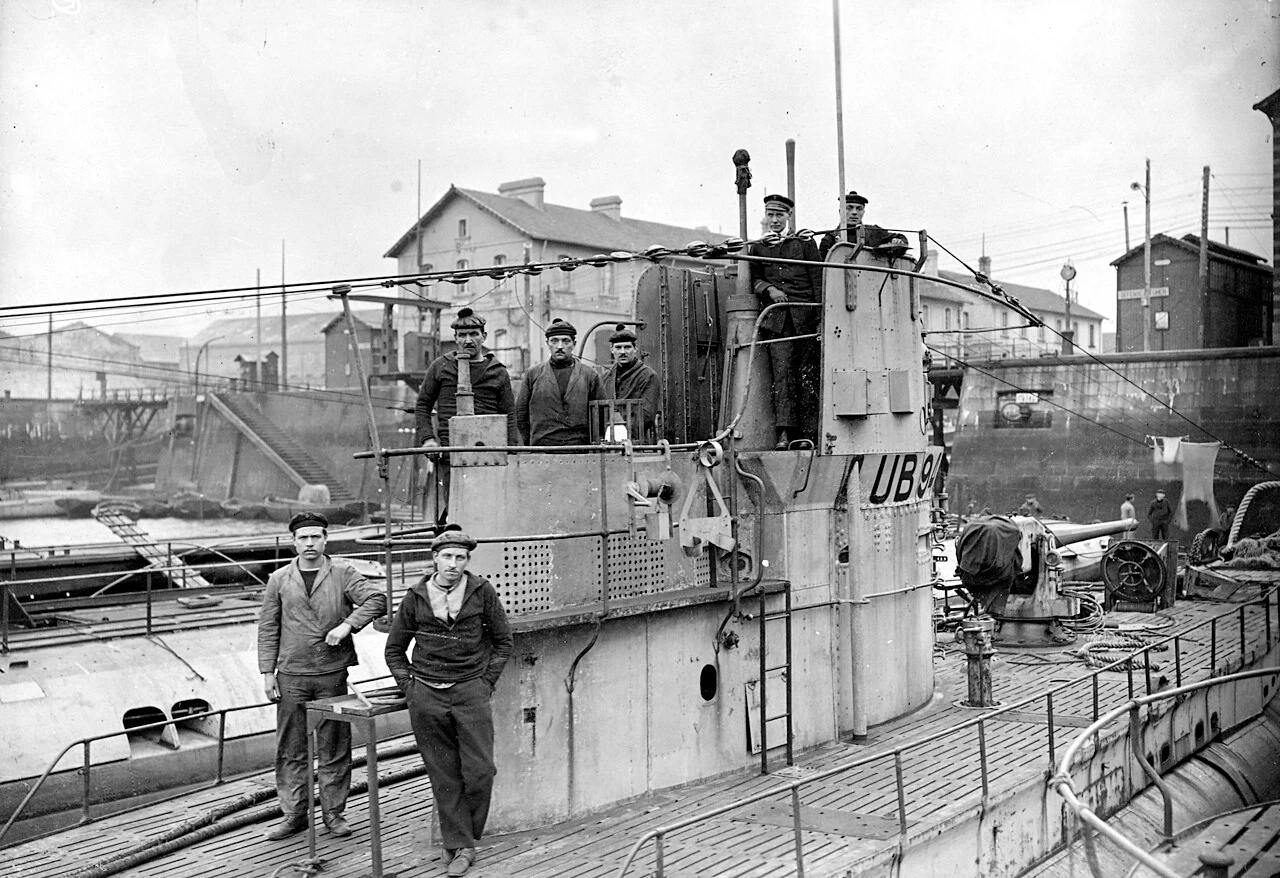
The Cherbourg arsenal in the face of Rommel
The roads for the refugees or for the army
The gold of the National Bank
Forty tonnes of gold trapped at Ostend
The Galopin Doctrine — whether to produce under the occupier
FN Herstal, May 1940 — a few hours ahead of the occupier
The Belgian railways under occupation
The Gold of the Bank of Poland — the destination of the SS Eocene
The bridge at Gennep and the Brandenburgers
Dunkirk: a British gunner facing his own guns