
Keith Park at Uxbridge — September 15
Air Vice-Marshal , a New Zealander, commands of Fighter Command, which covers London and the south-east — the most exposed sector of the Battle of Britain. For weeks he has had to defend this vital sector with limited means, while taking care never to let his squadrons be caught on the ground.
His tactics are debated. In neighboring , Leigh-Mallory and the ace argue for the "Big Wing": gathering several squadrons into an imposing mass before striking. Others judge the formation too slow to assemble in time to defend London, and press for a more immediate riposte.
On September 15, the Luftwaffe launches its largest concentrated assault on the capital — some 1,500 aircraft during the day. Churchill, who has come to watch the Uxbridge operations room, asks Park what reserves remain. Park must decide in a few minutes how to commit his forces: throw everything in at once, keep a reserve, or call up the mass reinforcement of at the risk of seeing it arrive too late.
How should Park commit his fighters against the great assault of September 15?
Park applies B: he sends up his squadrons in successive waves, following his habitual method of staggered riposte, and calls on reinforcements from 10 and 12 Groups. Asked by Churchill about his reserves, he answers "there are none" — but the gamble, this time calculated, pays off. The German bombers, harried from the coast to London, scatter their loads; the Luftwaffe suffers heavy losses and discovers that the RAF, said to be bled white, still musters hundreds of fighters. Two days later, Hitler postpones the invasion. September 15 becomes "Battle of Britain Day." The Big Wing quarrel will poison the aftermath and contribute to the ousting of Dowding and Park, though they were the architects of the defensive victory.
Learn more about this event
Related polls
10
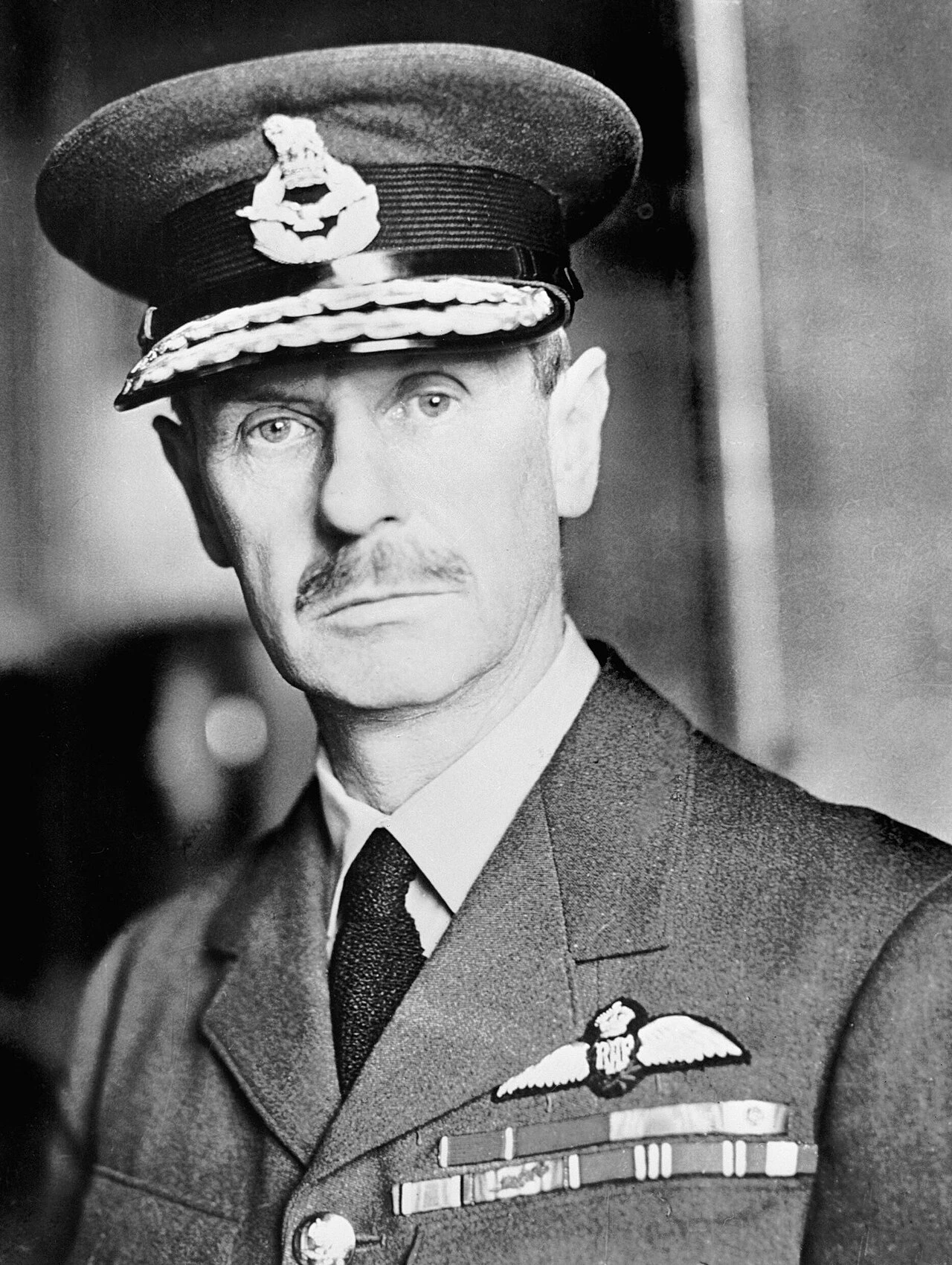
Dowding and the Last Reserves — 15 September 1940
The Polish Pilots of 303 Squadron
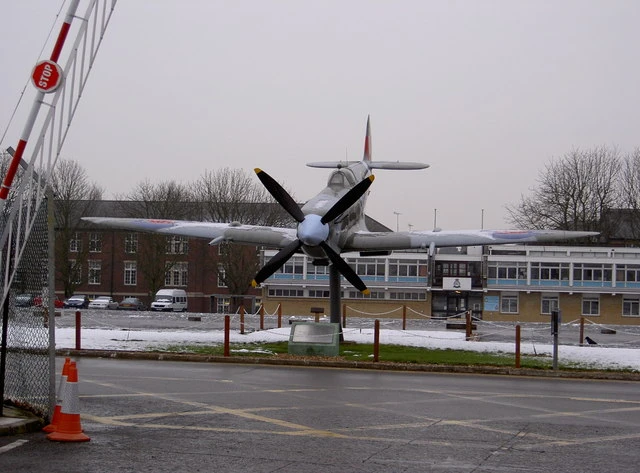
The Uxbridge plotter
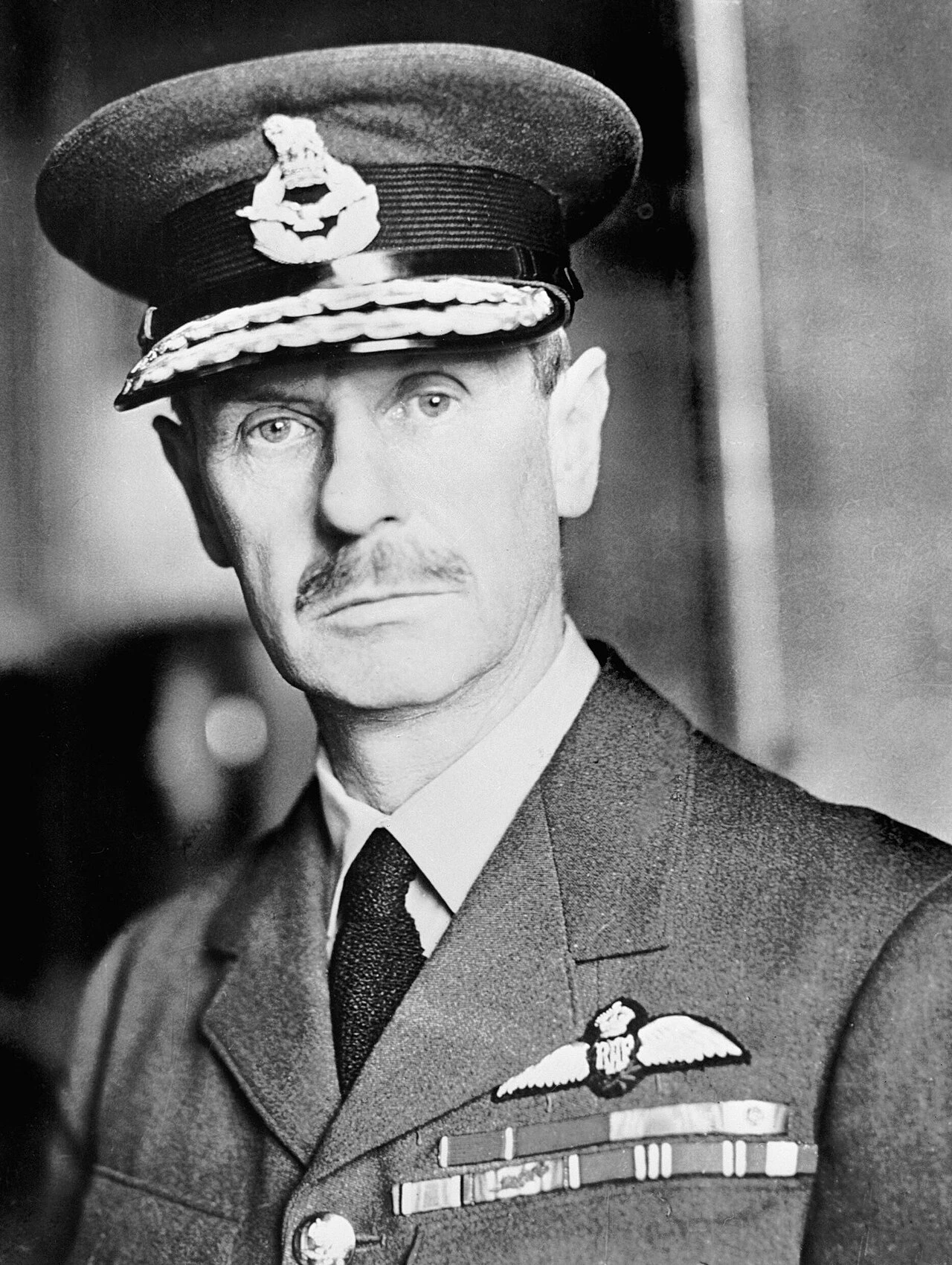
Dowding — Keep the Fighters?
Chain Home — the Invisible Wall
Coventry — the night of November 14
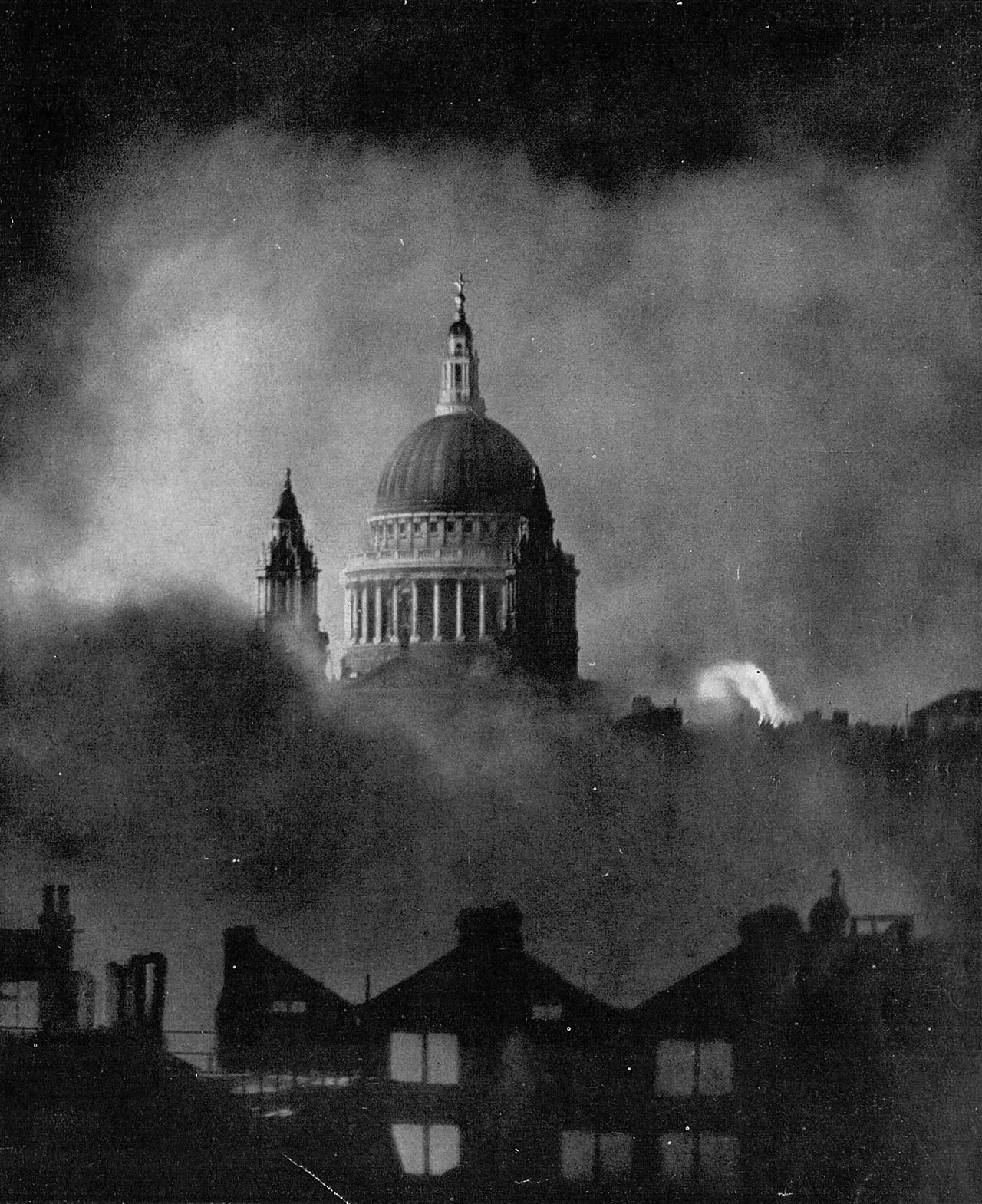
The Second Great Fire of London

The Belgian air force on the ground
"Cromwell" — England, 7 September 1940
The last great night of the Blitz
Dowding and the Last Reserves — 15 September 1940
The Polish Pilots of 303 Squadron
The Uxbridge plotter
Dowding — Keep the Fighters?
Chain Home — the Invisible Wall
Coventry — the night of November 14
The Second Great Fire of London
The Belgian air force on the ground
"Cromwell" — England, 7 September 1940