
Elser in Munich — Bürgerbräukeller, 9.20 p.m.
, thirty-six, is a cabinetmaker and joiner from Königsbronn in Wurttemberg. A modest Catholic, briefly a member of the Rotfrontkämpferbund (a communist paramilitary organisation), he had disengaged politically by the early 1930s. But from 1938 onwards, watching the collapse of civil liberties and the drift towards war, he decides to act alone. "I wanted to prevent an even more terrible war," he will say under interrogation.
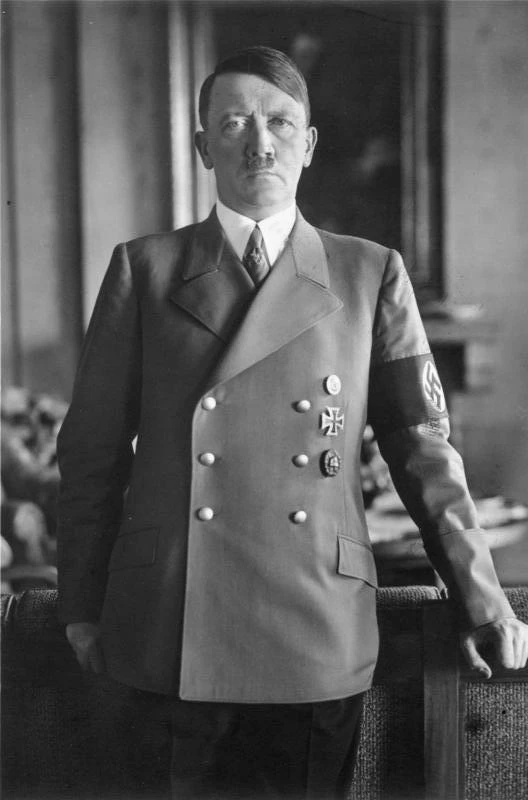
His target: Hitler at the annual commemoration of the 1923 Beer Hall Putsch in Munich's Bürgerbräukeller. Every 8 November since 1925, Hitler delivers a commemorative speech there. Elser begins planning in the autumn of 1938. He acquires technical plans, observes the premises thirty times between August 1938 and November 1939, and for a month (August-September 1939) hides every night inside the brewery after closing time to hollow out the column behind the lectern — exactly where Hitler is to stand. Into it he places fifty kilograms of explosives (a mixture of mining explosive and salvaged cordite tablets) with a precision clockwork mechanism he has built himself, set to detonate on 8 November 1939 at 9.20 p.m.
On 8 November 1939, Hitler arrives early — he must return to Berlin by train to oversee the war. His speech begins at 8.10 p.m., earlier than usual. The question for the German investigators will arise in the days that follow: how is the attempt to be explained?
What thesis should the Gestapo investigation favour in the days that follow?
Instead of ending around 10 p.m., Hitler closes his speech at 9.07 p.m. and leaves the hall at once by a side door. At 9.20 p.m. the device explodes: eight dead, sixty-three wounded. Hitler is already on his train. Elser, not knowing that his bomb has missed Hitler by thirteen minutes, is arrested at 9 p.m. on the Swiss border at Konstanz by a customs patrol — for trivial reasons (old Rotfrontkämpferbund membership cards in his pockets). chooses A and B combined. The Nazi regime orchestrates a propaganda campaign linking the attempt to the British secret services (the Venlo incident of 9 November 1939, the following day: the Gestapo, in false SS identity, seizes the British agents and on the Dutch border). The Elser trial is shelved. He is imprisoned at Sachsenhausen and then Dachau as a Sonderhäftling (special prisoner) — Hitler hopes to stage a great public trial after victory. Under coercion, Elser drafts a complete memorandum on his preparations (fifteen pages, recovered from the Soviet archives in 1964). On 9 April 1945, on Himmler's direct order in the face of the American advance, Elser is shot in the back of the neck at Dachau. The attempt remains largely ignored or ascribed to the Allies until the 1960s. Today Elser is one of the major figures of German resistance.
Learn more about this event
Related polls
10
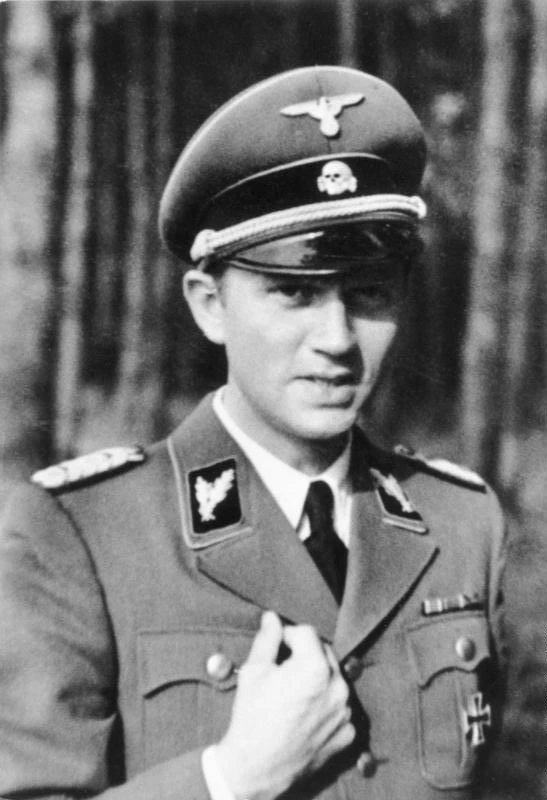
Schellenberg at Venlo — Cafe Backus, 4:00 p.m.
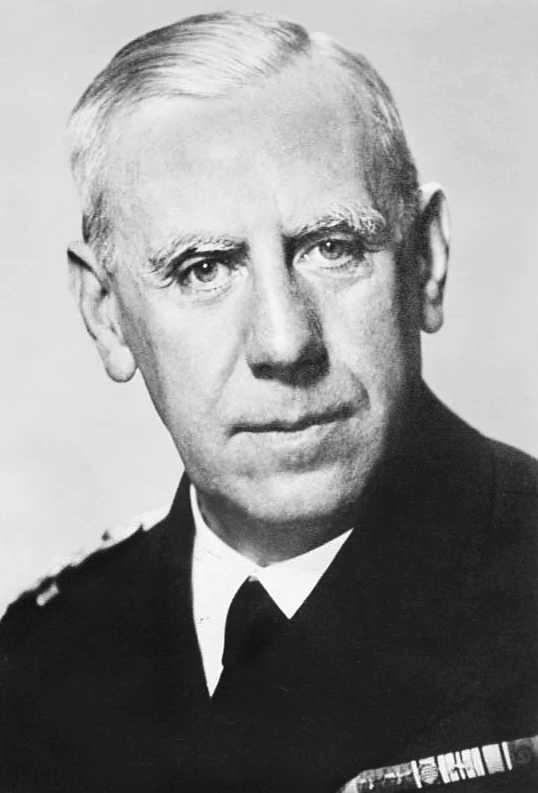
Canaris and the Order to Take Gibraltar
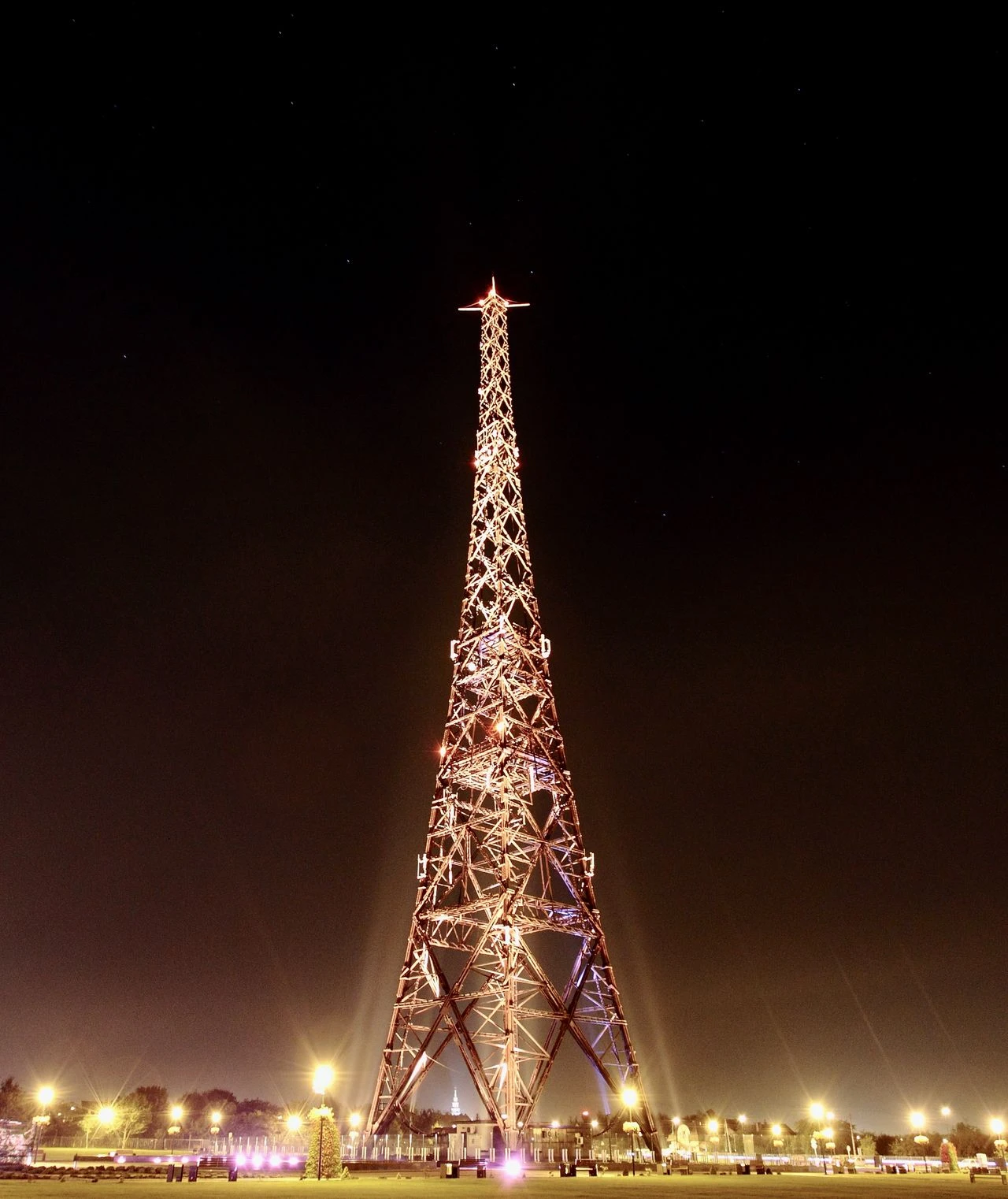
Gleiwitz — Naujocks at the Transmitter
Müller in Rome — the Vatican channel
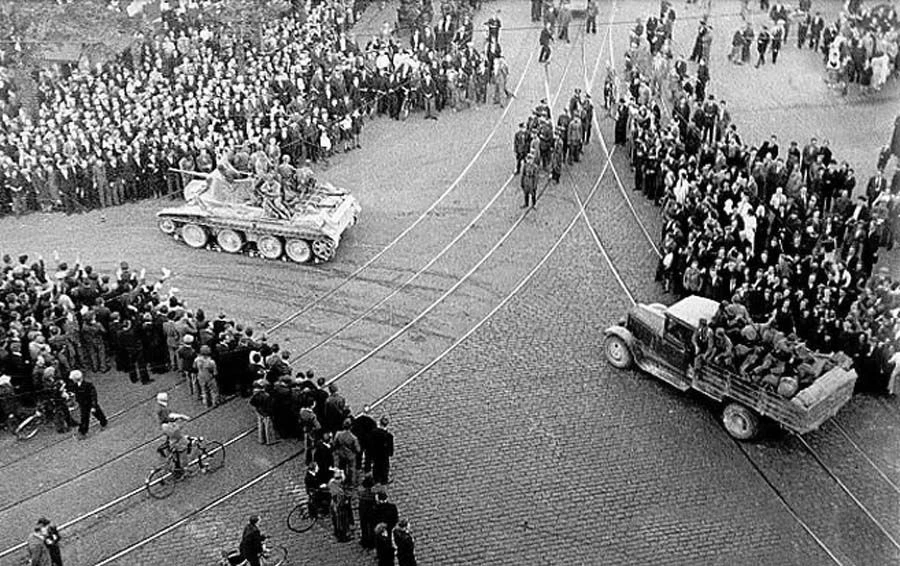
Serov — 10 February 06:00 at Lwów
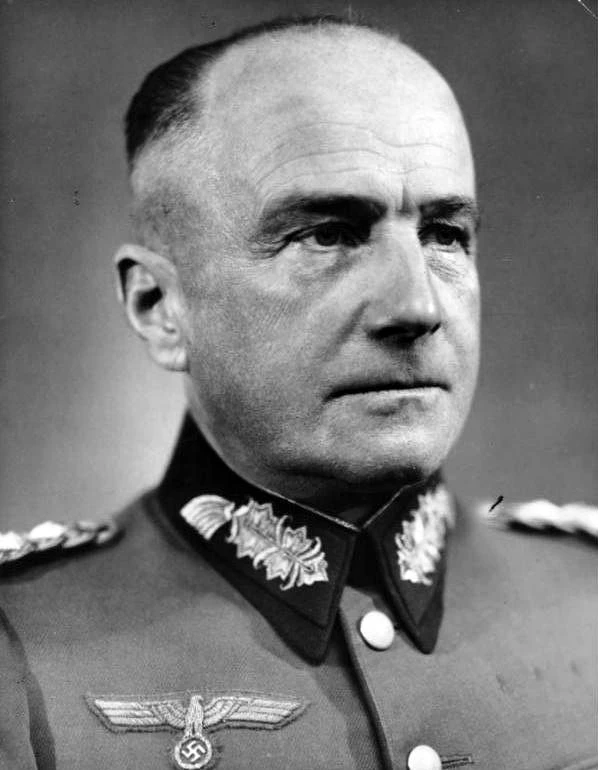
Brauchitsch — Reich Chancellery, 5 November
Hitler and Fall Gelb — 29 postponements
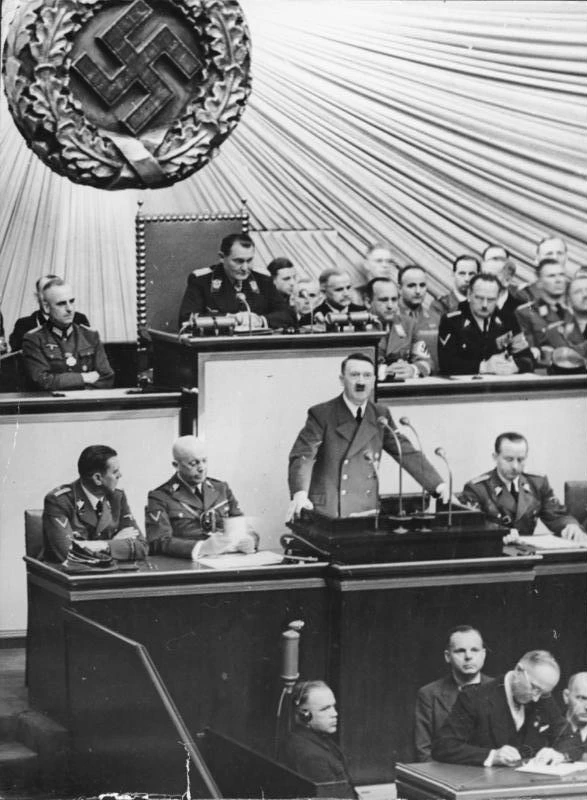
Hitler — the Reichstag Speech
The German Student Facing the Nazification of the University (1939)
The Obersalzberg Speech
Schellenberg at Venlo — Cafe Backus, 4:00 p.m.
Canaris and the Order to Take Gibraltar
Gleiwitz — Naujocks at the Transmitter
Müller in Rome — the Vatican channel
Serov — 10 February 06:00 at Lwów
Brauchitsch — Reich Chancellery, 5 November
Hitler and Fall Gelb — 29 postponements
Hitler — the Reichstag Speech
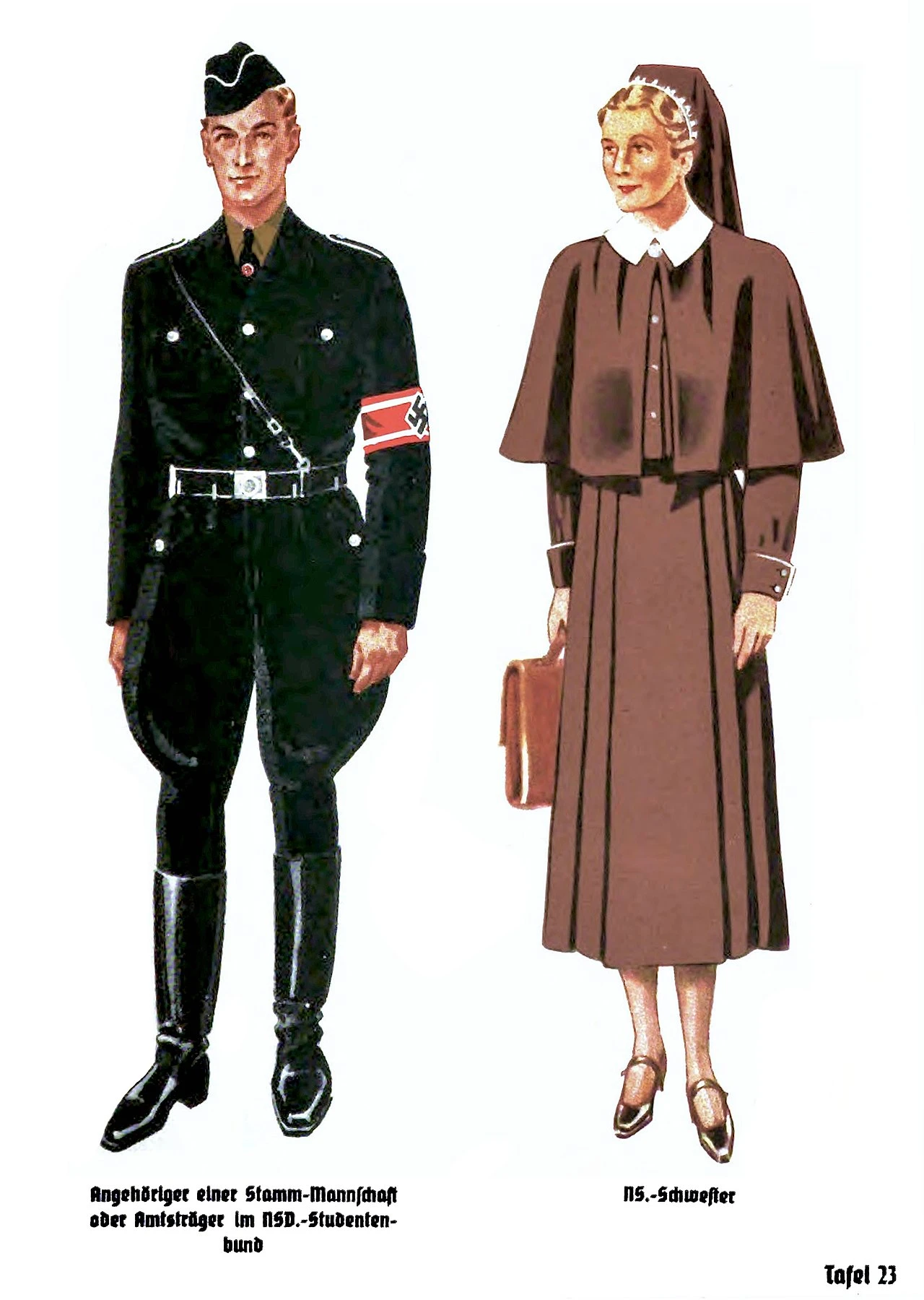
The German Student Facing the Nazification of the University (1939)