
September 1939. Belgium reaffirms its neutrality as soon as war breaks out. But its powerful export industry (coal, steel) traditionally sells to both camps, which are now enemies. London, which is organizing the blockade of Germany, is pressing to reduce Belgian deliveries to Berlin. Berlin warns that any increase in Belgian trade with the Allies would be deemed hostile.
The government must set a rule. Yet the Hague Convention (Article 9) requires a neutral to treat the belligerents equally: a restriction imposed on one must be imposed on the other. But whether to apply this principle strictly or loosely, and the degree of protection given to the domestic supply, remain to be decided.
Each option has a cost: angering an armed neighbor, sacrificing industrial revenue, or finding oneself accused of bias by one of the camps.
How should neutral Belgium regulate its exports of coal, steel, and other strategic goods between Germany on one side and France and the United Kingdom on the other?
The Belgian government bases its policy on two principles. First, it protects the national supply by banning or rationing the export of goods that Belgium lacks. Second, in accordance with Article 9 of the Hague Convention, it applies these restrictions equally to all belligerents, without discrimination. In practice, this rule sharply reduces Belgian exports to Germany and provokes German protests; but because the measure strikes France and the United Kingdom identically, Berlin has no legal basis. London and Paris declare themselves satisfied with it. Belgium holds this line of impartiality until the German invasion of 10 May 1940.
Learn more about this event
Related polls
10

Buy Each for Themselves or with a Single Voice
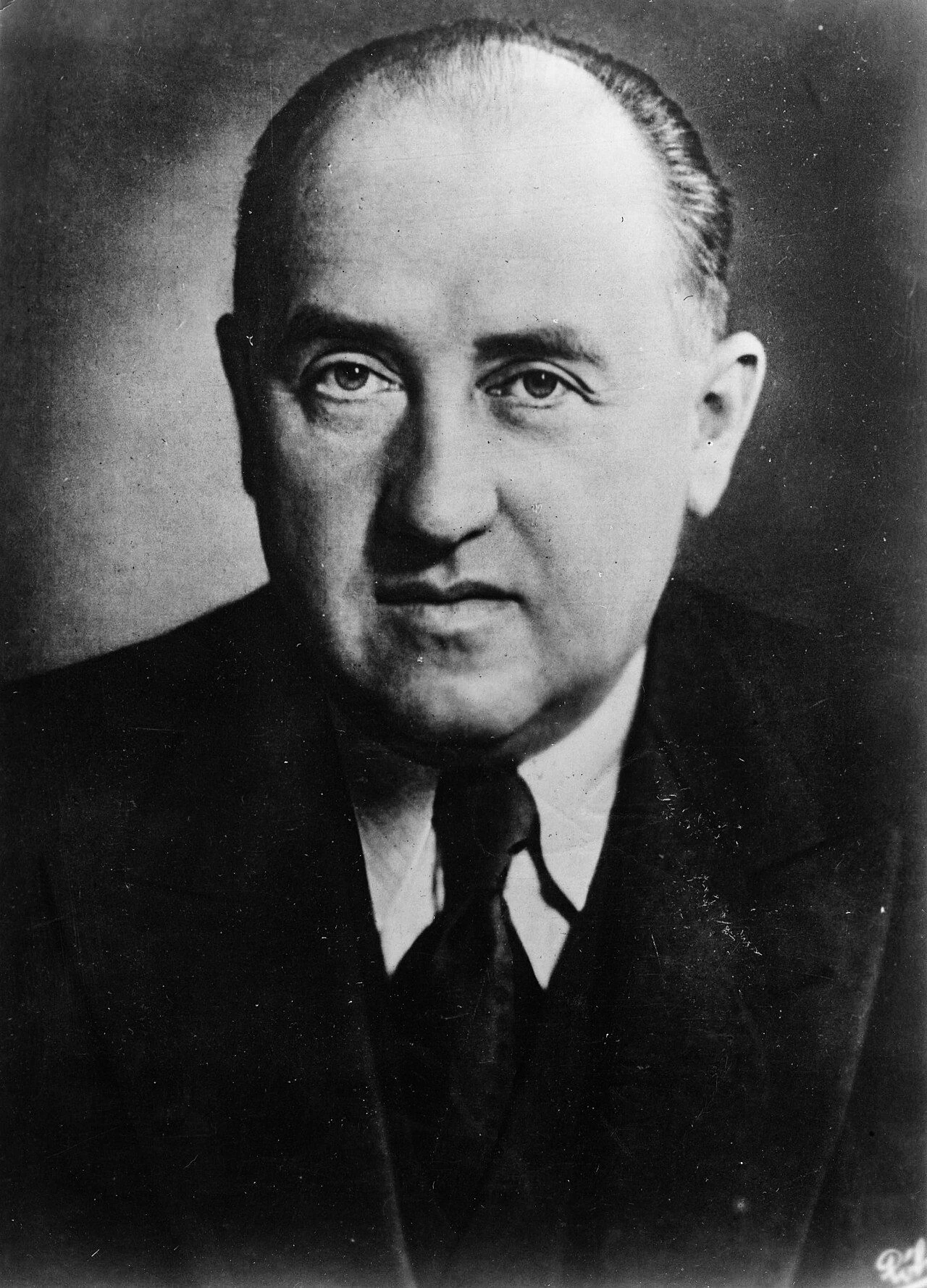
The Gold of the Bank of Poland — the destination of the SS Eocene
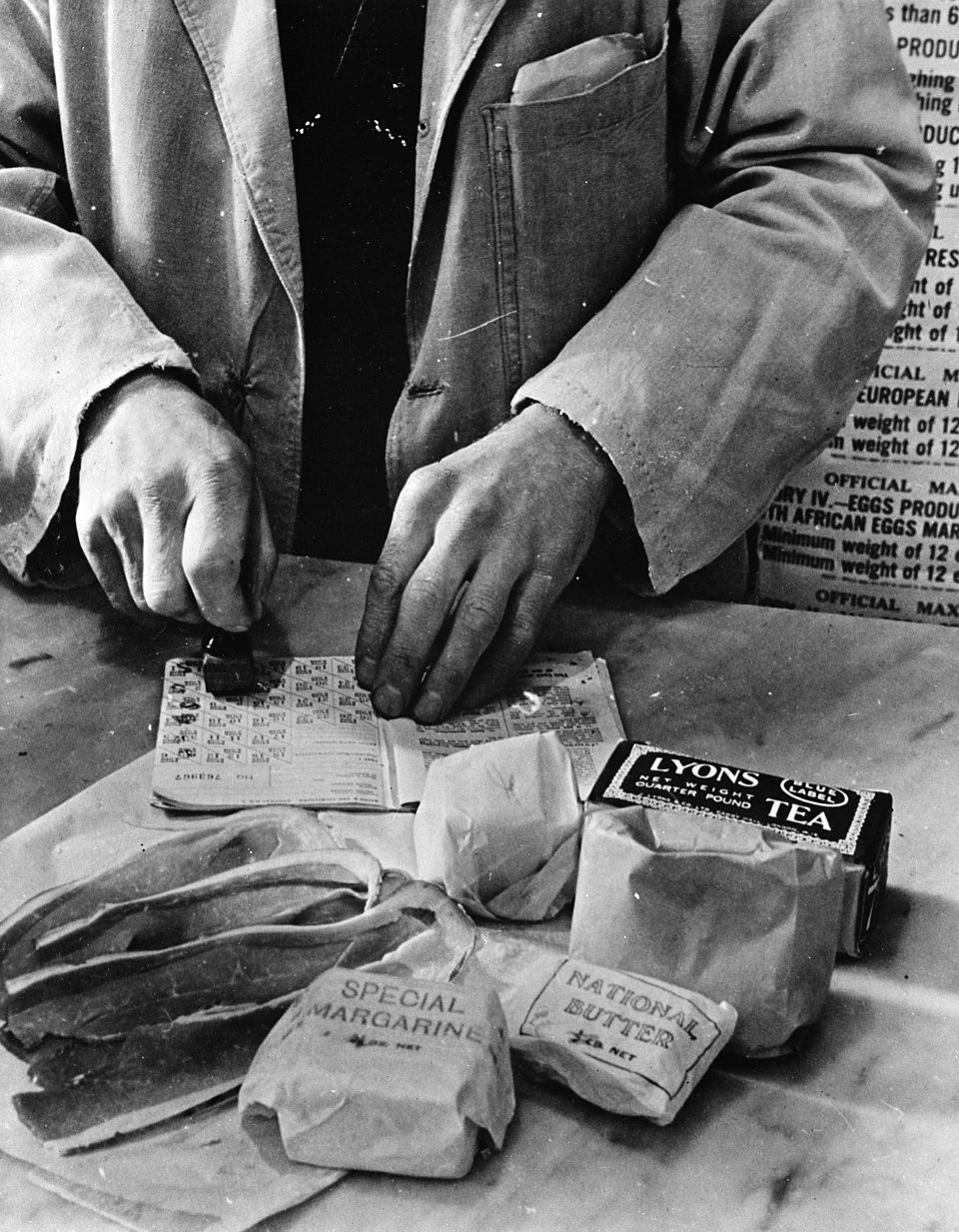
British rationing — Morrison and the principle
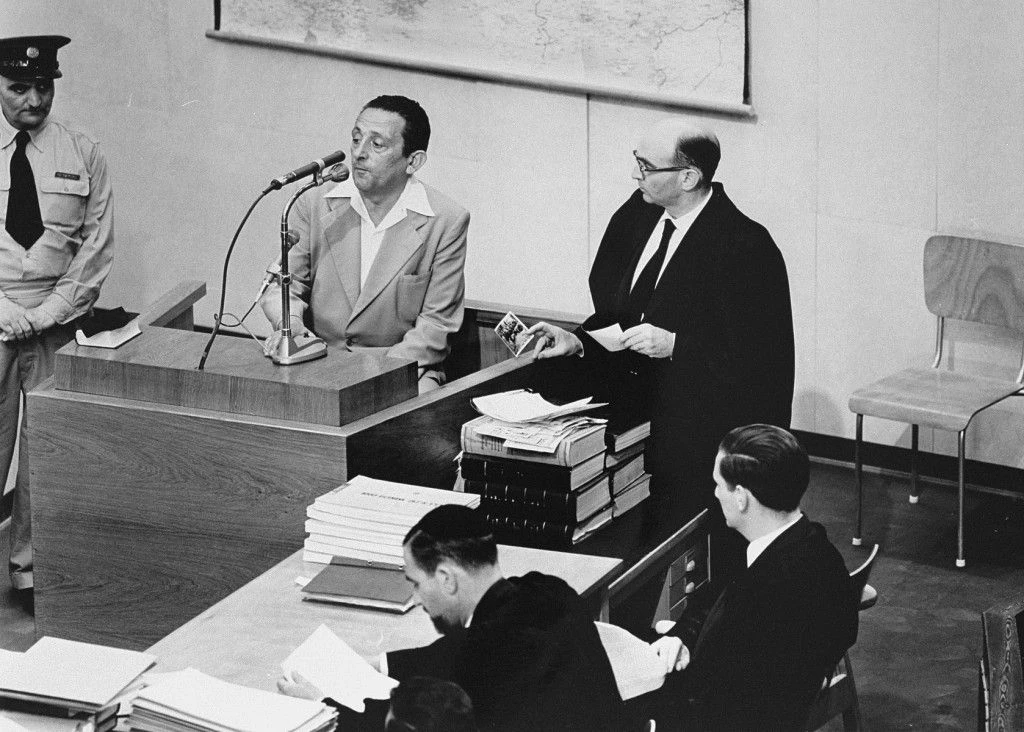
Biebow at Litzmannstadt — 8 February
Borakowski and the merchant fleet
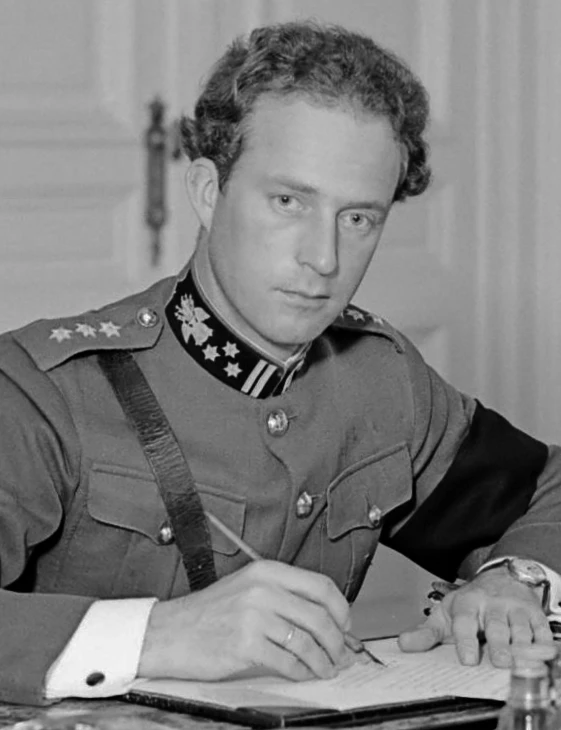
Brussels, September 1939: a small country's tightrope walk
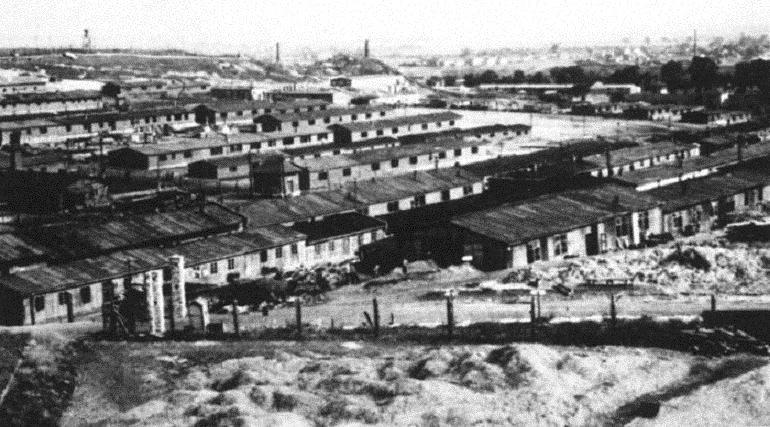
The Upper Silesian Pole Subjected to Forced Labour
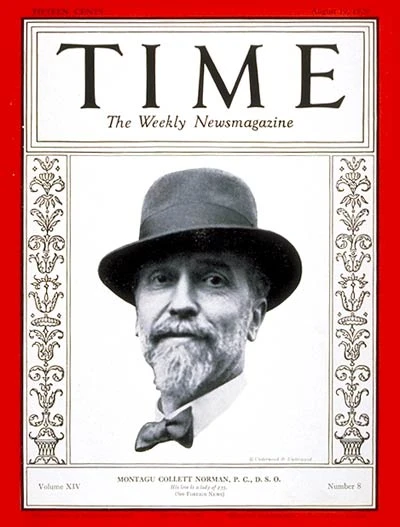
The Czech Gold
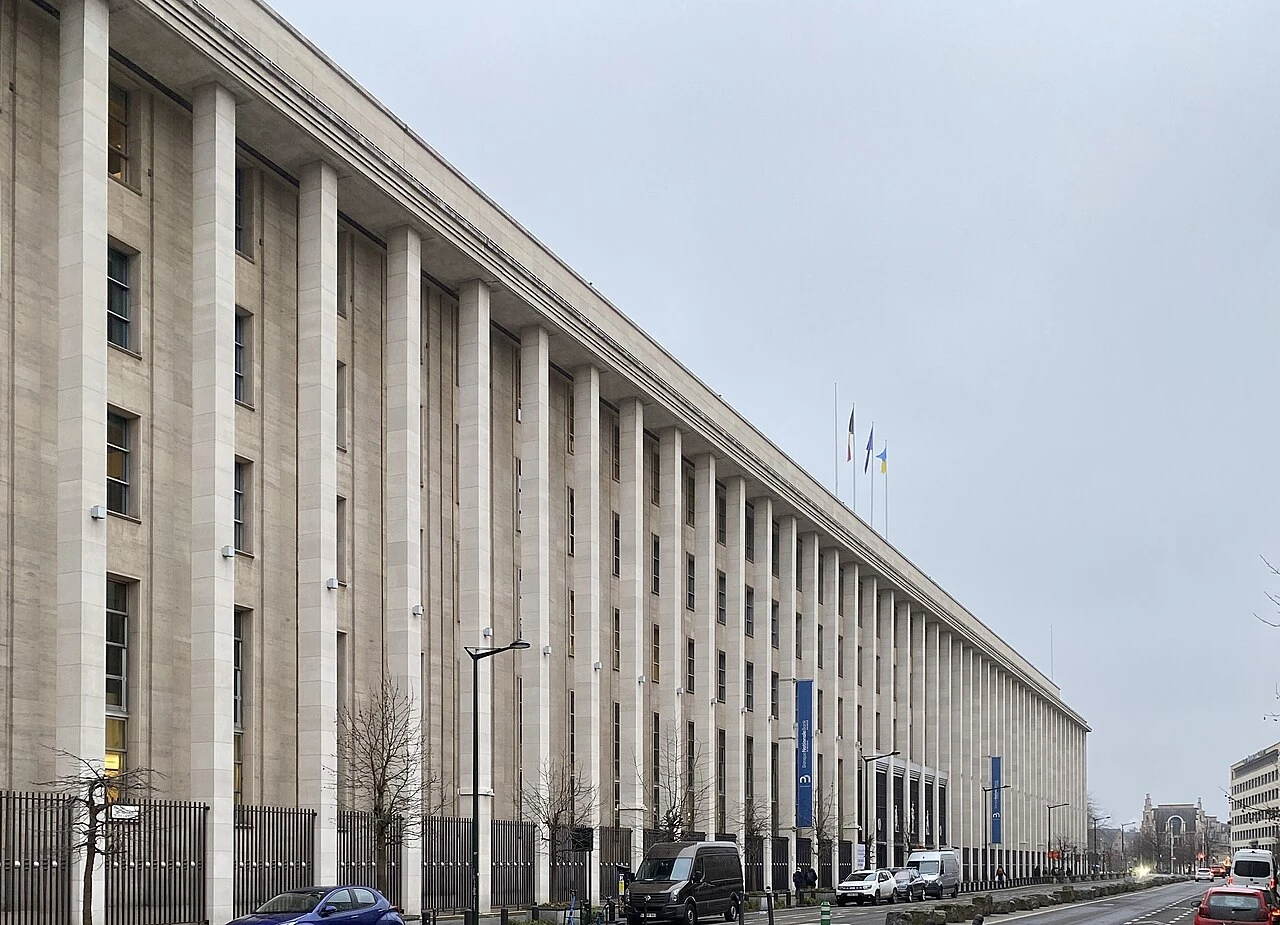
Forty tonnes of gold trapped at Ostend
The Tizard Mission's Trunk for America
Buy Each for Themselves or with a Single Voice
The Gold of the Bank of Poland — the destination of the SS Eocene
British rationing — Morrison and the principle
Biebow at Litzmannstadt — 8 February
Borakowski and the merchant fleet
Brussels, September 1939: a small country's tightrope walk
The Upper Silesian Pole Subjected to Forced Labour
The Czech Gold
Forty tonnes of gold trapped at Ostend