
Mainila — the Cajander government's response
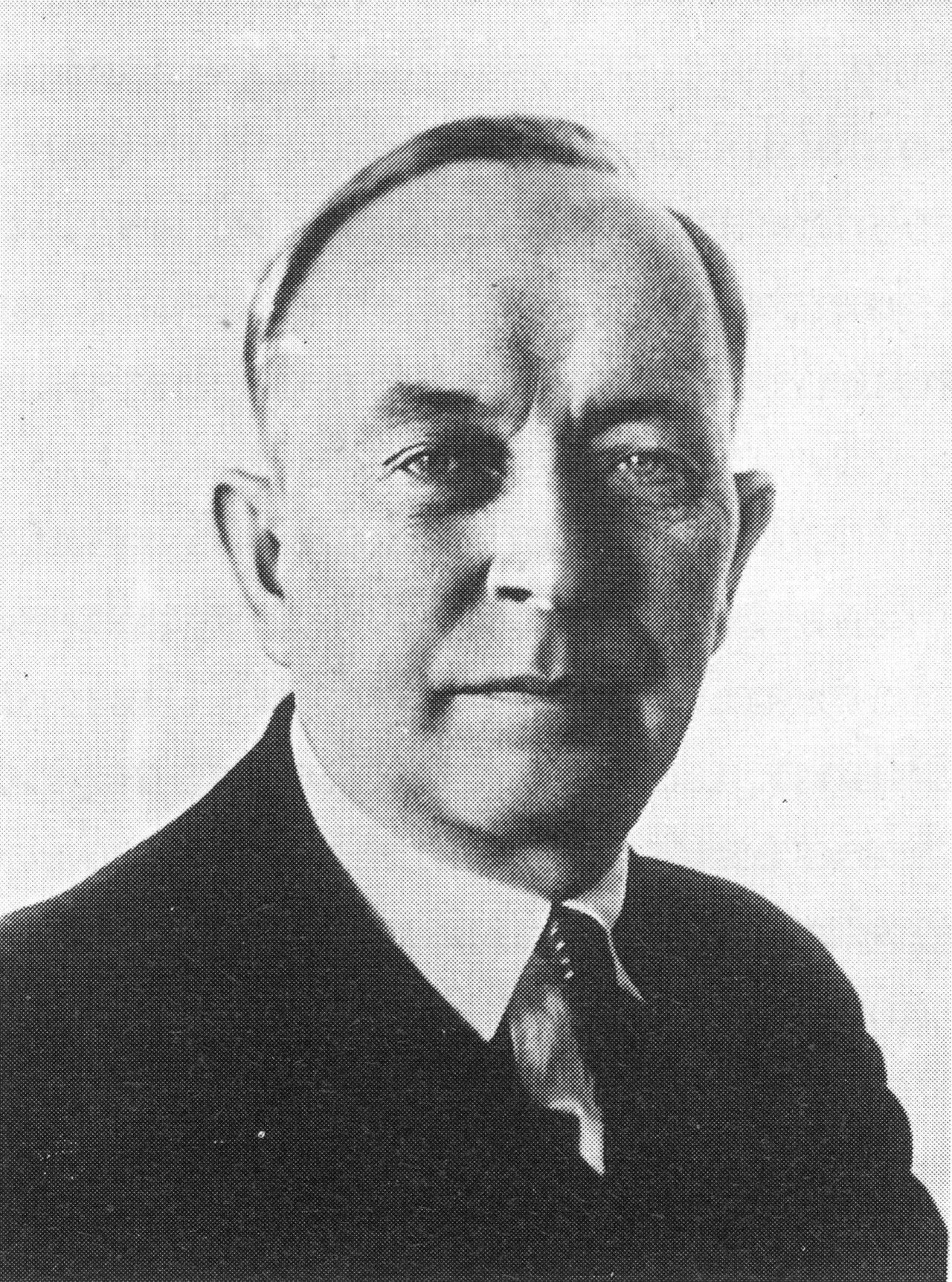
Soviet-Finnish negotiations have been under way in Moscow since 12 October 1939. The Finnish delegation (, former Prime Minister; , Finance Minister) is resisting Stalin's demands: the cession of Eastern Karelia, the port of Hanko and the islands of the Gulf of Finland; the moving back of the frontier 70 km north of Leningrad. The Soviets offer in compensation territories twice as large in Eastern Karelia, but the Karelian Isthmus is strategically vital for Finland — it is the direct axis to Helsinki.
On 13 November 1939, talks break down. The Finnish delegation returns to Helsinki. On 26 November 1939 at about 15:45, seven shells fired from Soviet territory fall on the Soviet frontier post of Mainila. According to the official Soviet report, four Soviet soldiers are killed and nine wounded by "Finnish artillery". The Finns protest: their batteries are not within range of Mainila, and they call for a joint inquiry; on 27 November their ambassador proposes a simultaneous withdrawal of troops on both sides. Molotov refuses, and on 28 November the USSR denounces the 1932 non-aggression treaty.
On 30 November 1939 at 06:50, without a formal declaration of war, the crosses the Finnish frontier all along the front: some 450,000 Soviet troops, backed by 2,000 tanks and 2,500 aircraft, against 300,000 Finnish soldiers who can field only 32 operational tanks and 114 aircraft. At 09:20, Helsinki is bombed for the first time. The Cajander government must decide its response that morning: to appeal to neutral mediators, to give battle at the frontier and contest every inch, or to fall back at once on its fortified inner lines.
What response does the Cajander government adopt on the morning of 30 November?
The Finnish government combines A and C. Limited frontier fighting to gain time, orderly withdrawal onto the Mannerheim Line, and an appeal to international bodies. On 1 December Marshal , 72, is named Commander-in-Chief. The Cajander government resigns on 2 December and is replaced by (Prime Minister) and Tanner (Foreign Affairs). At the League of Nations, on 14 December 1939, the USSR is expelled from the organisation — the first and only expulsion in the League's history. The Winter War would last from 30 November 1939 to 13 March 1940. The Finns would inflict 126,875 dead on the Soviets against 25,904 Finnish losses (the consensus figures). The Peace of Moscow (12 March 1940) would cede 11 percent of Finnish territory to the USSR — less than Stalin had initially demanded. The Mainila incident, staged by the NKVD as a pretext, was officially recognised as a Soviet provocation by in 1992. It has become the historiographical archetype of the false provocation as casus belli.
Learn more about this event
Related polls
10
Kuusinen — Terijoki, 1 December
Müller in Rome — the Vatican channel
AB Aktion — planning at the Wawel
Elser in Munich — Bürgerbräukeller, 9.20 p.m.
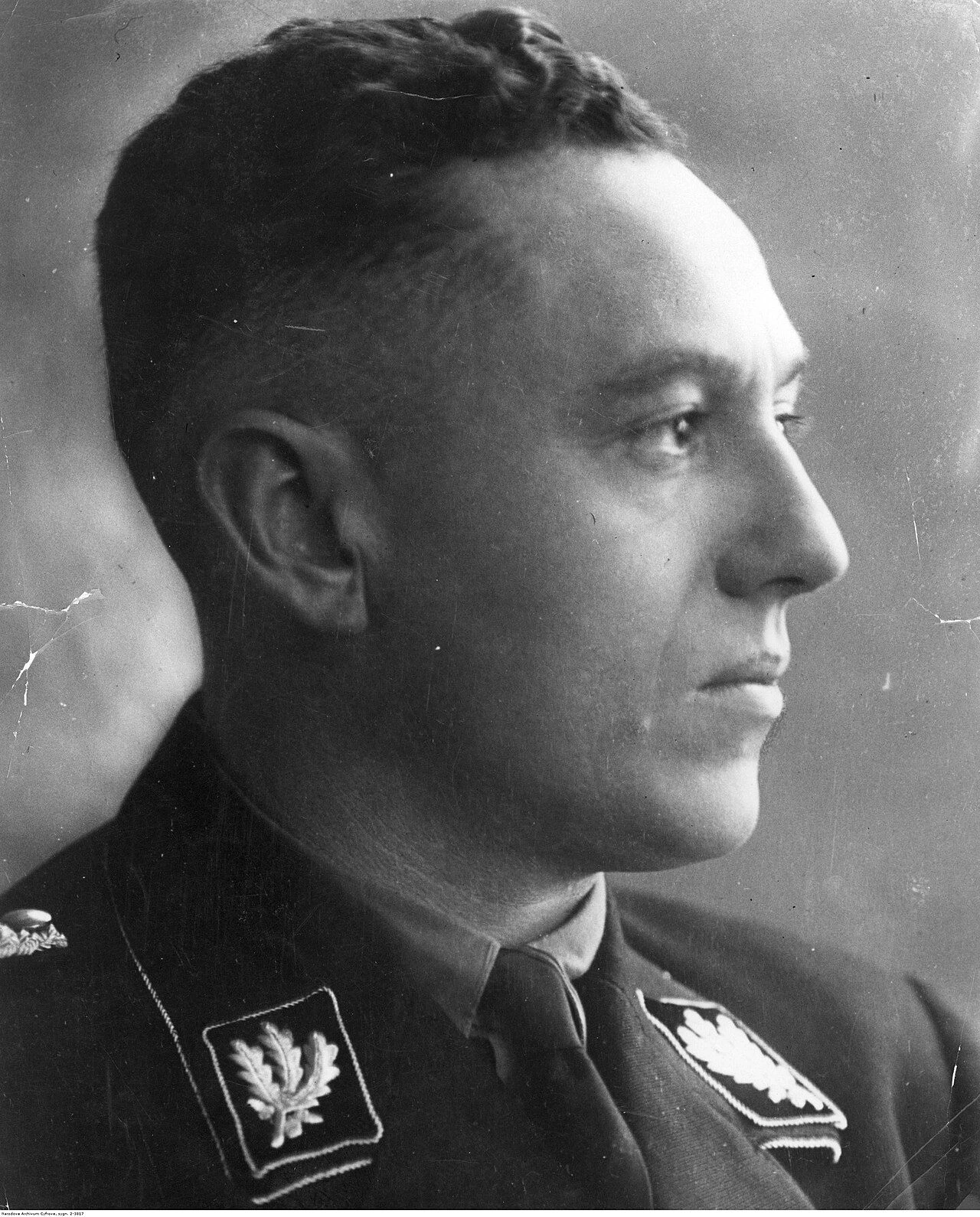
Forster — Kashubians and Kociewiacy
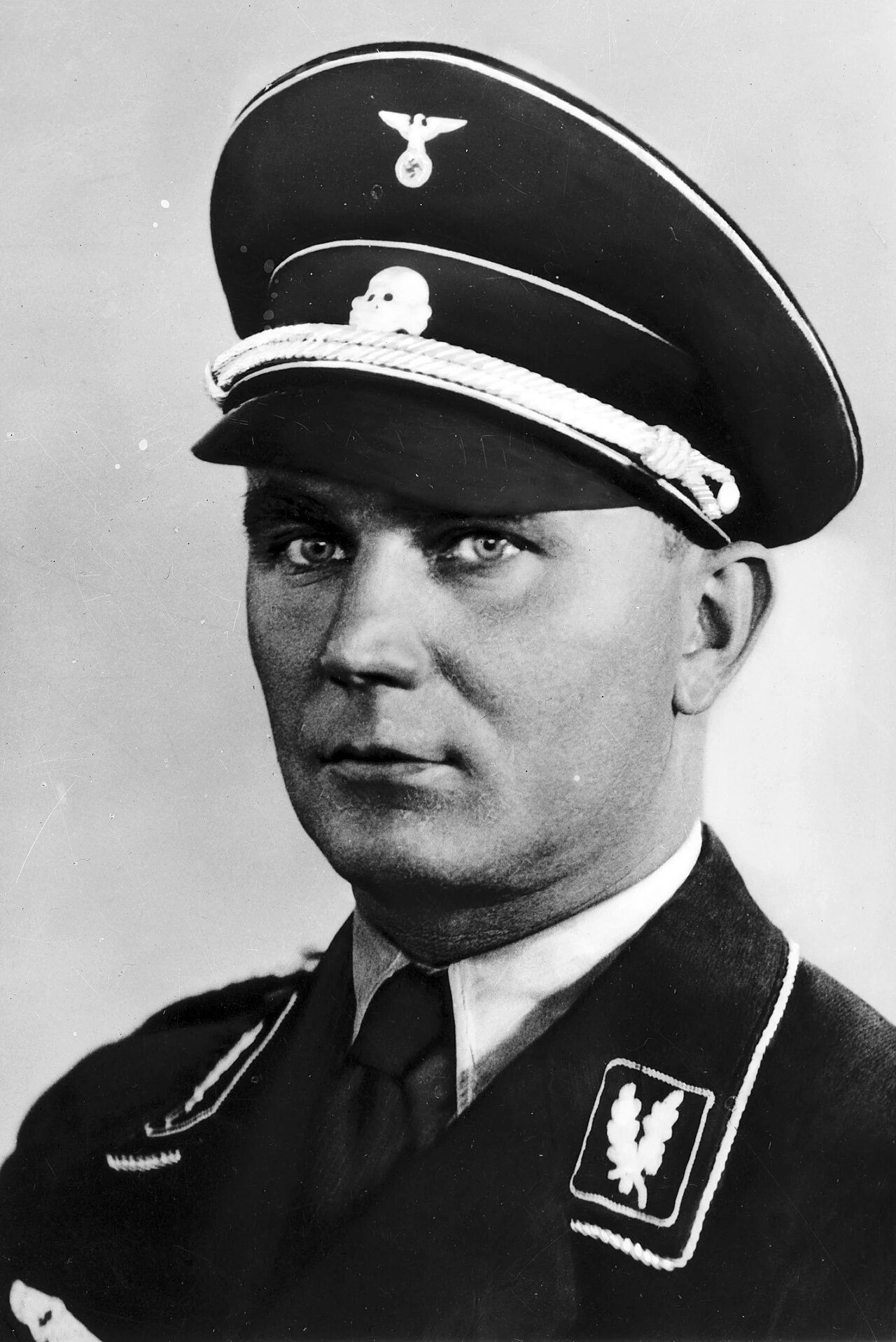
Greiser — the Priority of the Wartheland
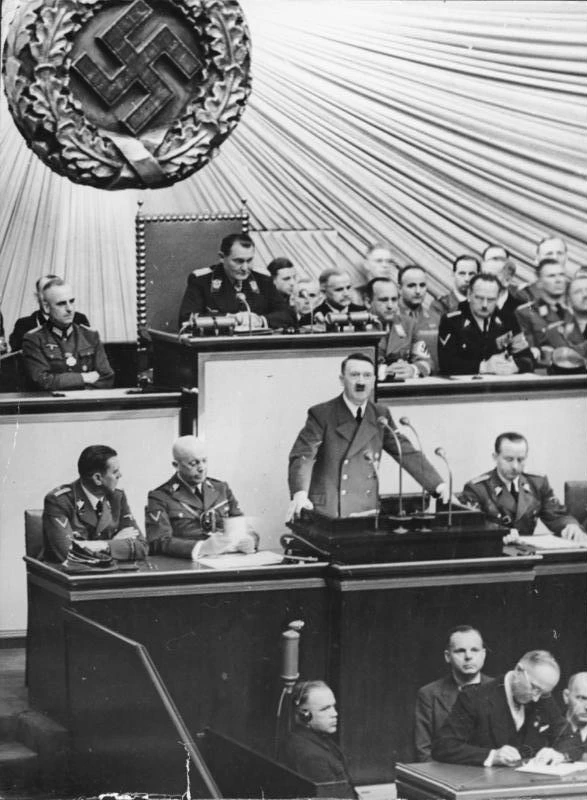
Hitler — the Reichstag Speech
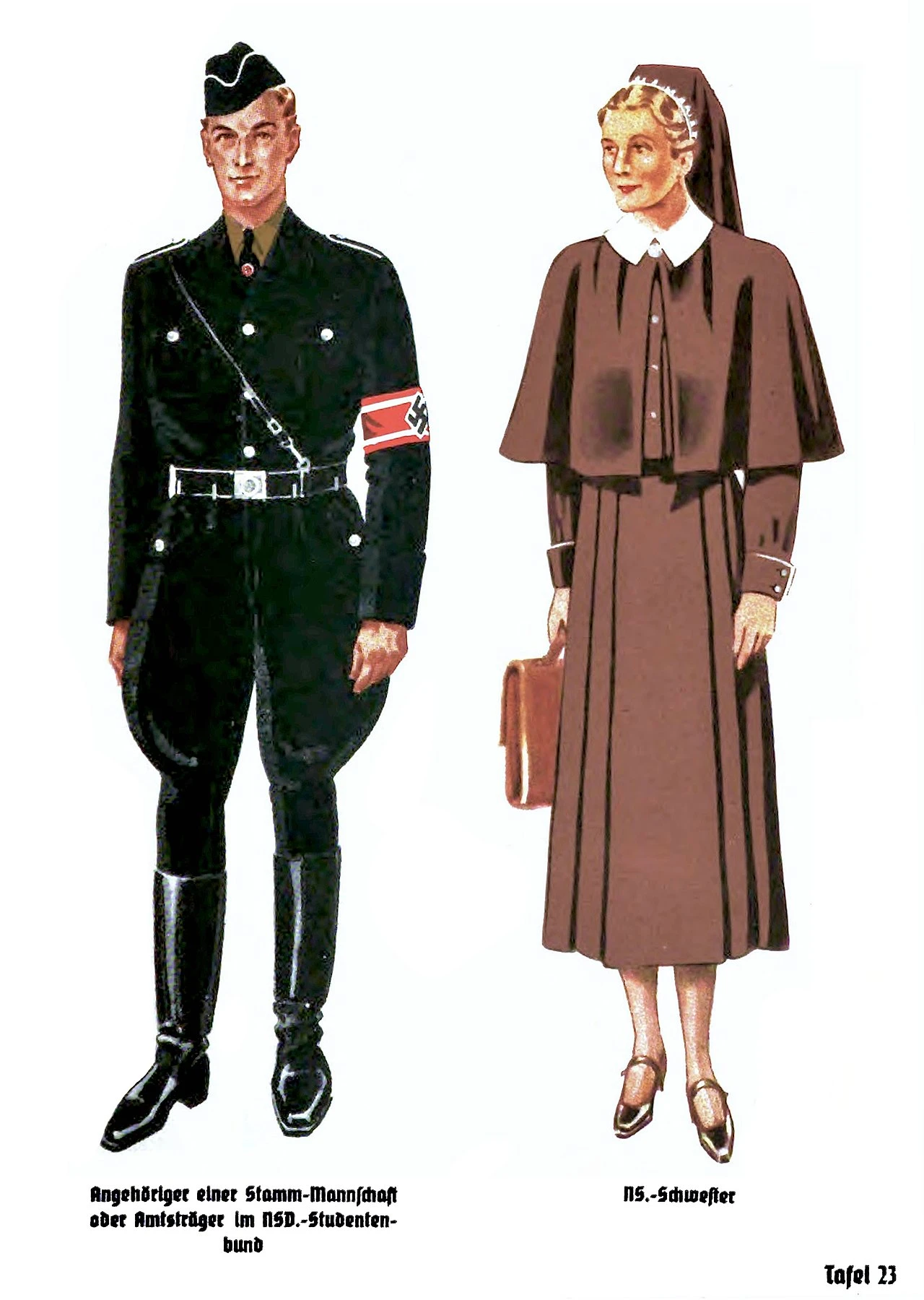
The German Student Facing the Nazification of the University (1939)
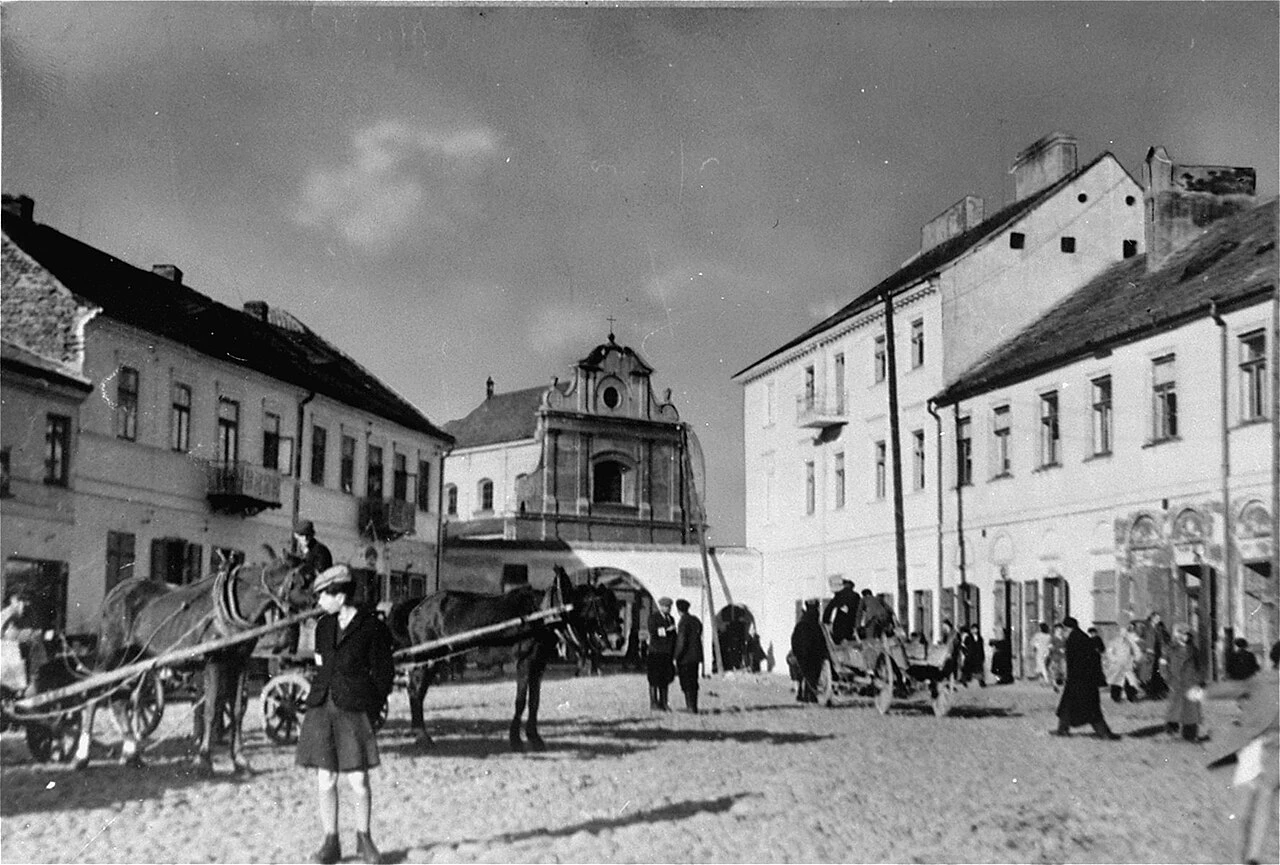
Piotrkow — Tenenberg Facing the Judenrat
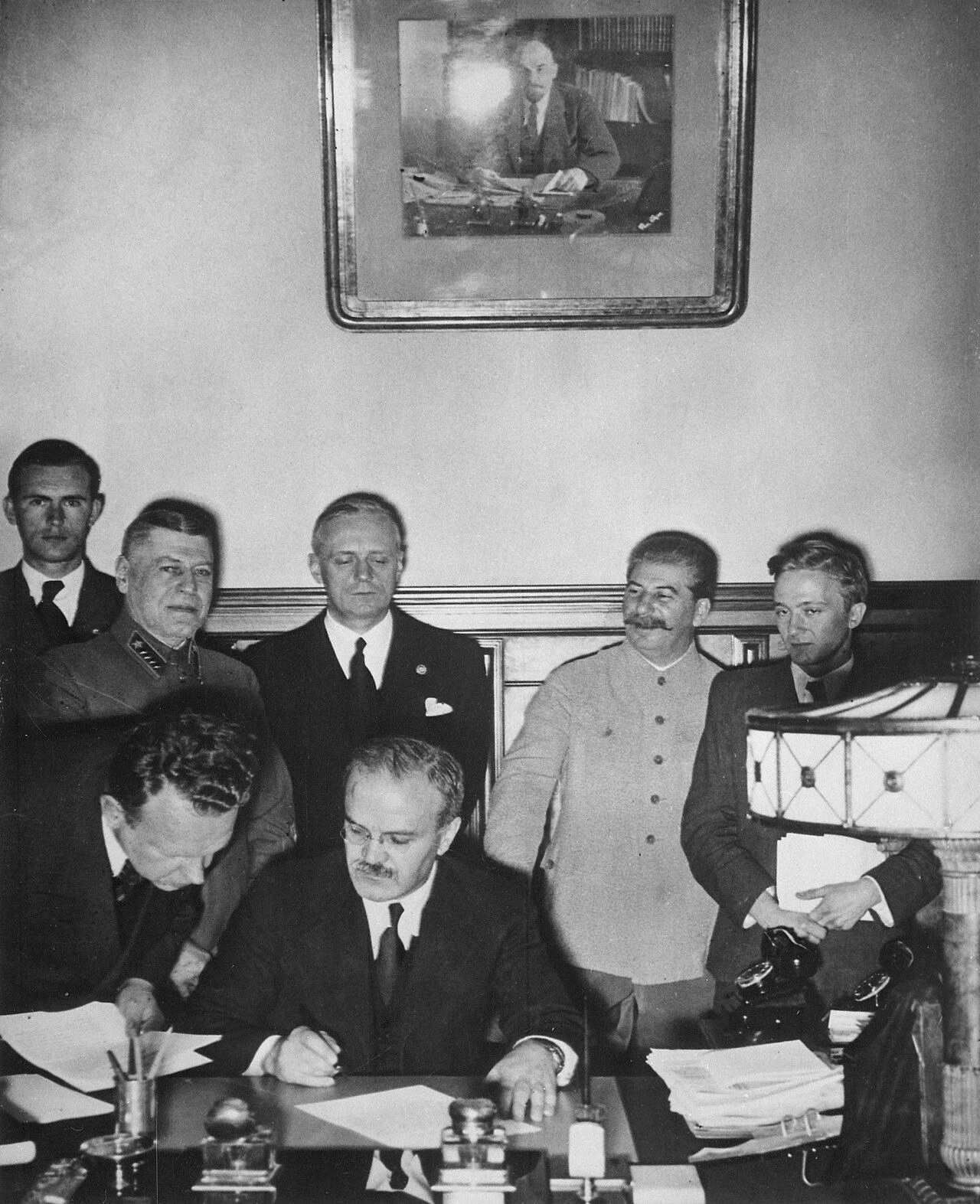
Schnurre in Moscow — the Commercial Agreement
Kuusinen — Terijoki, 1 December
Müller in Rome — the Vatican channel
AB Aktion — planning at the Wawel
Elser in Munich — Bürgerbräukeller, 9.20 p.m.
Forster — Kashubians and Kociewiacy
Greiser — the Priority of the Wartheland
Hitler — the Reichstag Speech
The German Student Facing the Nazification of the University (1939)
Piotrkow — Tenenberg Facing the Judenrat