
The University of Warsaw under the Bombs
On 25 September 1939, the Luftwaffe launches against besieged Warsaw the largest air raid of the war to that date: more than 500 tons of bombs. The city capitulates on 28 September. The university buildings are hit, and the University Library partly burns — more than 130,000 volumes would be damaged by fire over the course of the war.
, a renowned archaeologist, has been rector since 1936. He knows that the German occupier intends to shut down all Polish higher education and to Germanize or plunder the collections. Faculty and students are awaiting leadership.
The rector must make a choice: try to physically save the buildings and collections by accommodating the occupier, resign himself to outright closure, or quietly prepare for the university's survival.
With occupation looming, what should Rector Antoniewicz prioritize for his university?
The Germans shut down all Polish higher education: the campus was turned into a barracks, equipment and laboratories were carried off to the Reich, and the University Library's collections were absorbed as early as 1940 into the Staatsbibliothek Warschau, plundered and then evacuated to Germany (nothing went to the USSR). The real response of the academic community was clandestine teaching: the "Underground University of Warsaw" delivered secret classes (tajne komplety) to thousands of students, at the risk of death. Antoniewicz took part in the university's underground Senate. Hundreds of Polish academics were arrested, deported, or killed during the occupation.
Learn more about this event
Related polls
10
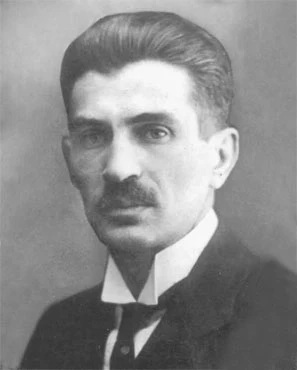
Maciej Rataj — Filtrowa Street, 28 November
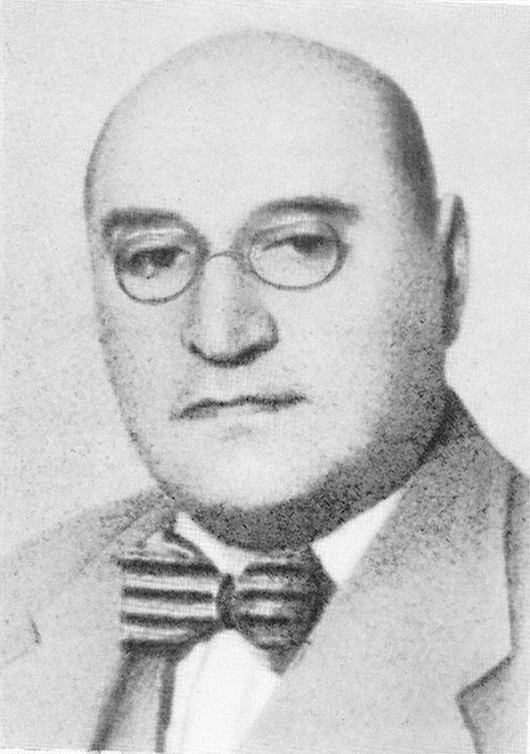
Czerniaków — the offer of the Judenrat
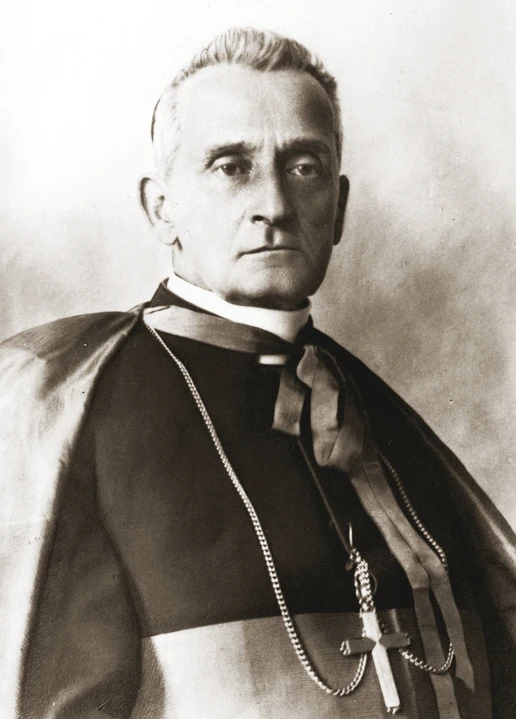
Cardinal Sapieha — Krakow under Occupation
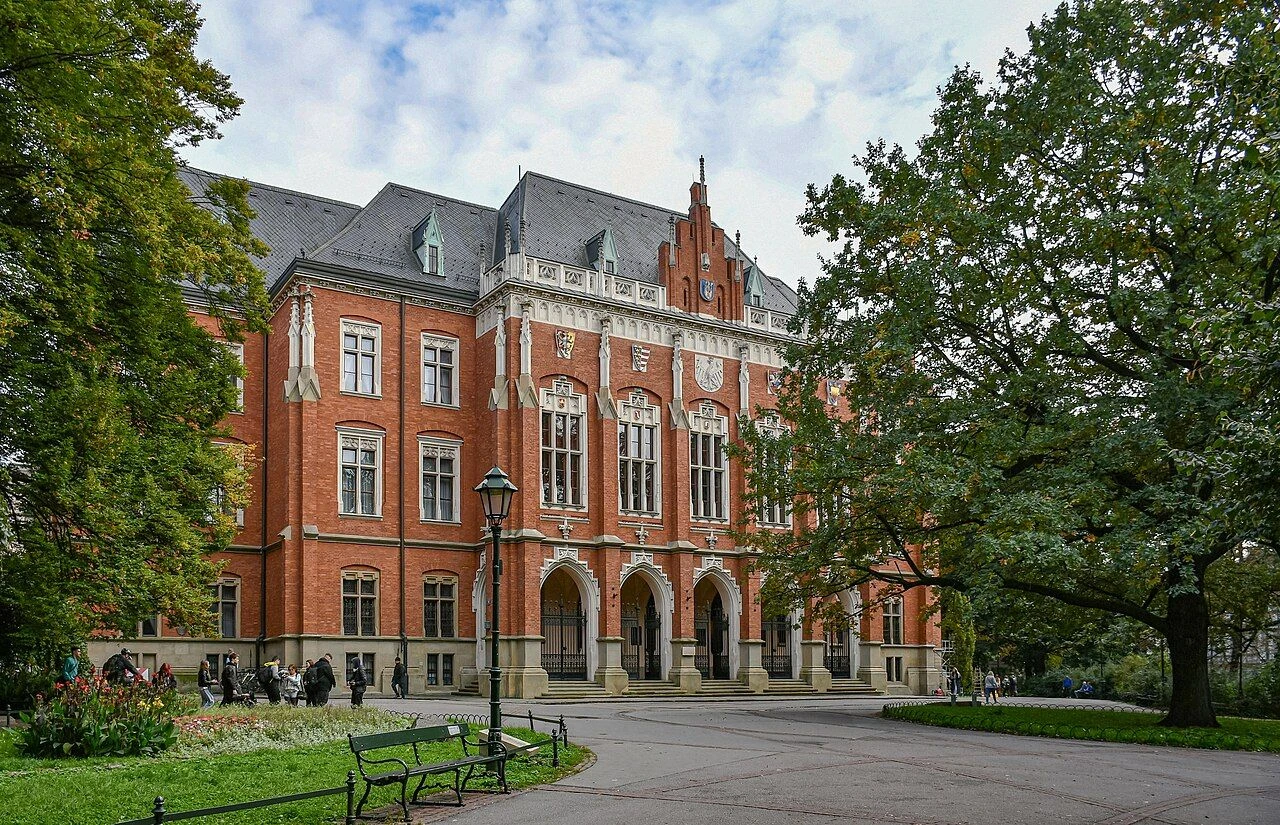
Hans Frank — the taking of the Wawel
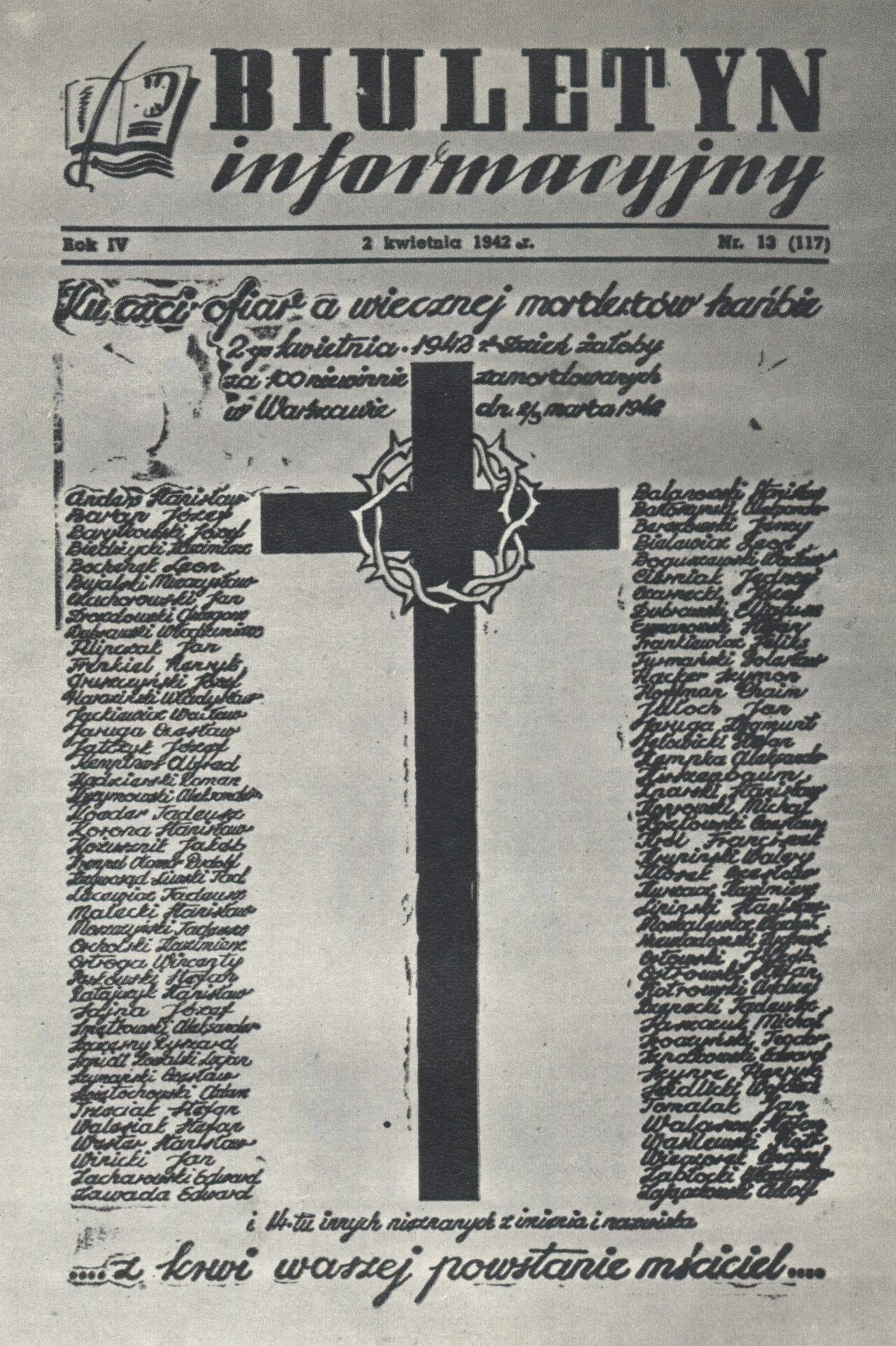
Kamiński and the Biuletyn — 5 November
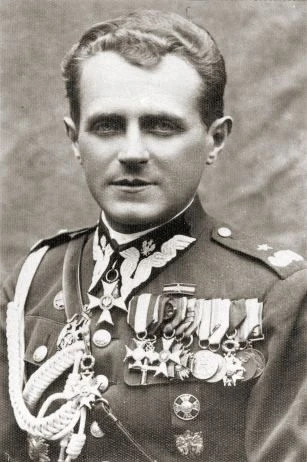
Karaszewicz-Tokarzewski — Founding the SZP
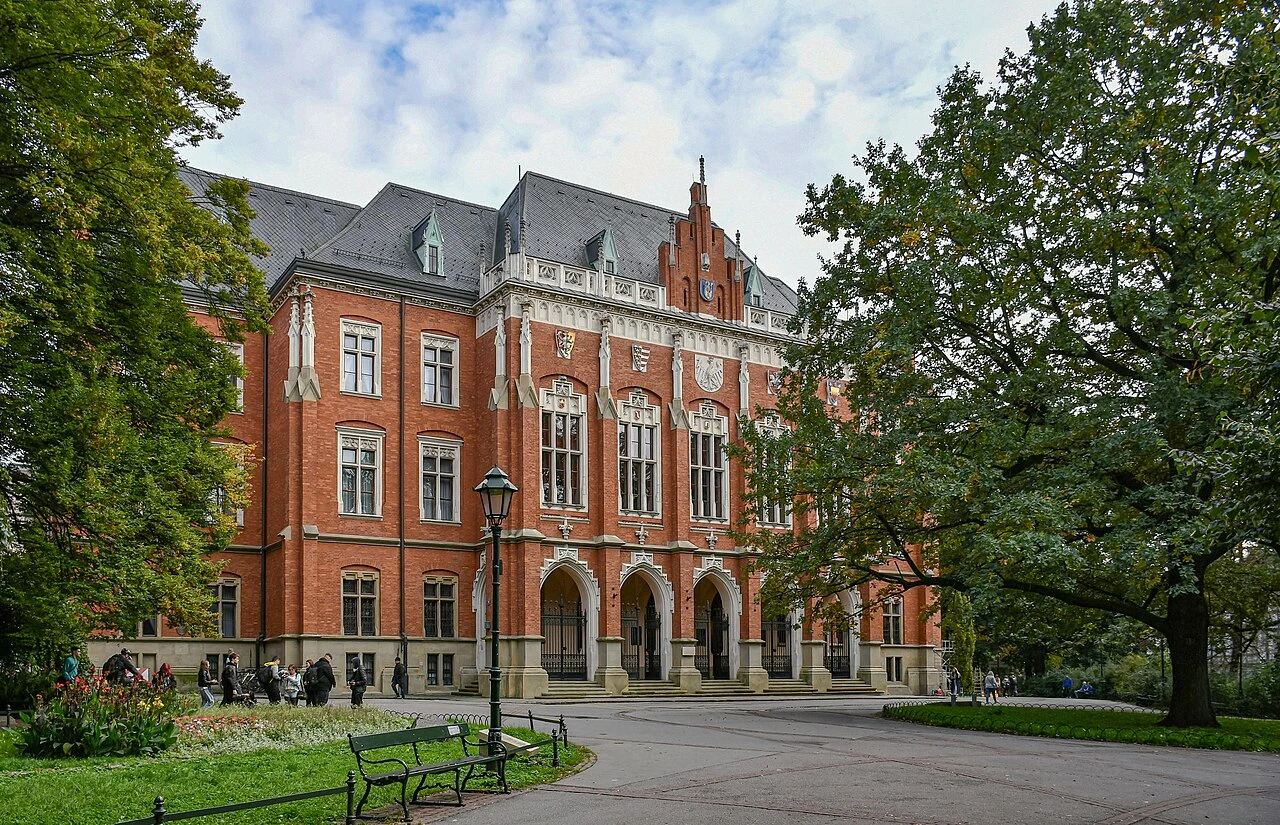
The Kraków Student After the Sonderaktion Krakau
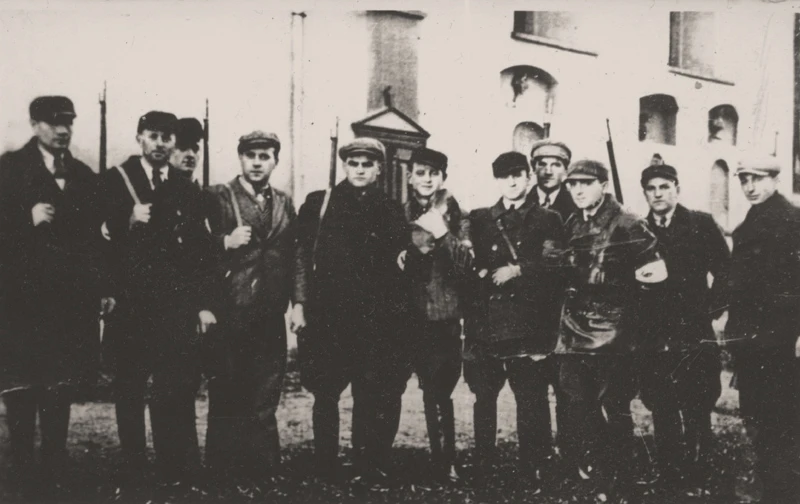
The Volksdeutsche Conscripted into the Selbstschutz
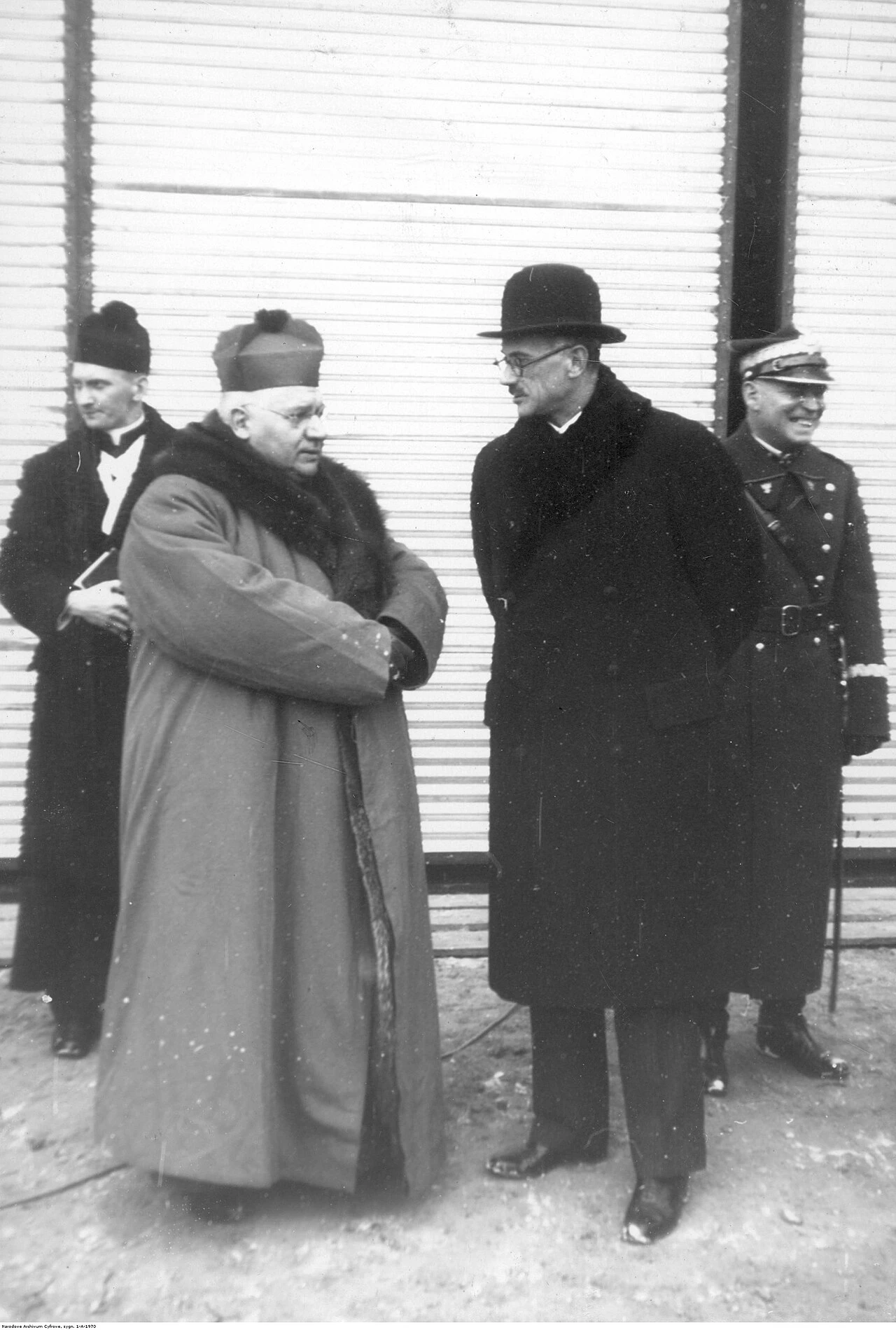
Bishop Adamski in annexed Katowice
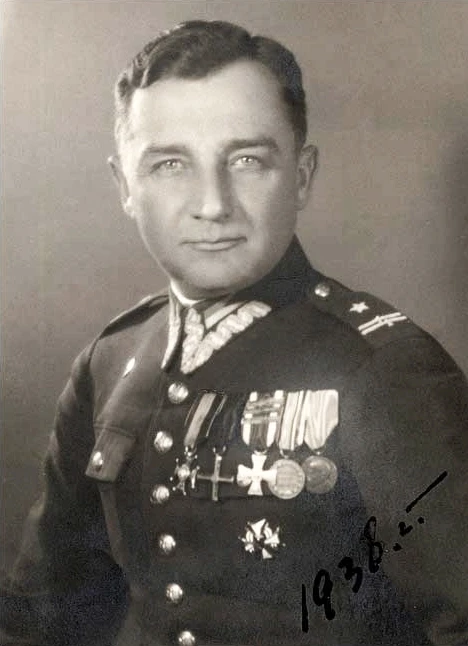
Hubal — after the order to disband
Maciej Rataj — Filtrowa Street, 28 November
Czerniaków — the offer of the Judenrat
Cardinal Sapieha — Krakow under Occupation
Hans Frank — the taking of the Wawel
Kamiński and the Biuletyn — 5 November
Karaszewicz-Tokarzewski — Founding the SZP
The Kraków Student After the Sonderaktion Krakau
The Volksdeutsche Conscripted into the Selbstschutz
Bishop Adamski in annexed Katowice