
Forty tonnes of gold trapped at Ostend
In May 1940, most of the Belgian gold reserves have already been shipped abroad, but forty tonnes remain stored in the offices of the National Bank at the port of Ostend. The German invasion is advancing fast, and the neighbouring port of Dunkirk is in flames under the bombing.
The land routes to the south are clogged with refugees and threatened by the enemy advance. In the port, only one vessel is available for an immediate evacuation by sea: a small navy trawler, the A4.
Leaving the gold where it is, attempting to move it through France with the army, or loading it onto this ship and risking the Channel crossing: each option commits the future financing of a possible government in exile.
On 19 May 1940, forty tonnes of National Bank gold are still at Ostend, the front is collapsing, and the Luftwaffe is pounding the coast. What is to be done with this last stockpile?
The gold was loaded onto the trawler A4, commanded by Lieutenant Van Vaerenbergh. Leaving Ostend on 19 May 1940, the ship avoided the bombarded Dunkirk, reached the British coast accompanied by the P16 carrying refugees, and unloaded the gold at Plymouth on 26 May, two days before the Belgian capitulation. Deposited at the Bank of England, this stockpile later allowed the Belgian government in exile to finance itself, unlike most governments in exile that depended on British aid.
Learn more about this event
Related polls
10
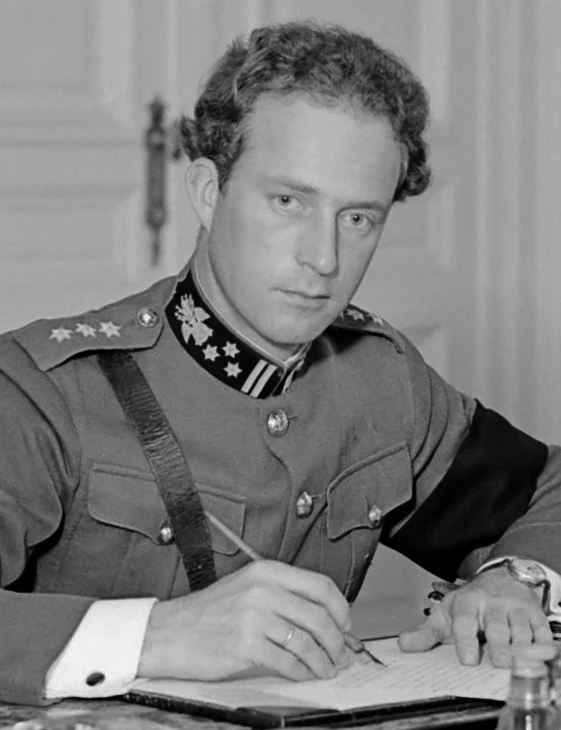
The Capitulation of 28 May
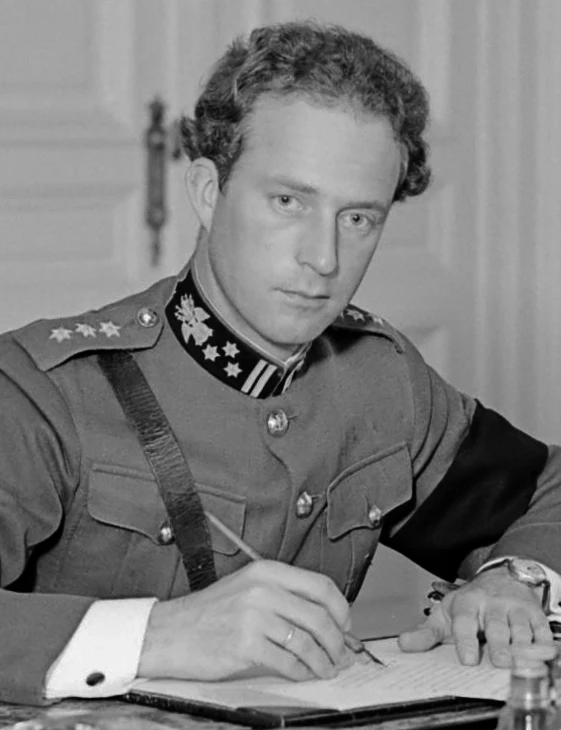
Léopold III — Wijnendaele 28 May
The Captive King — London or Laeken

Selling to Both Sides
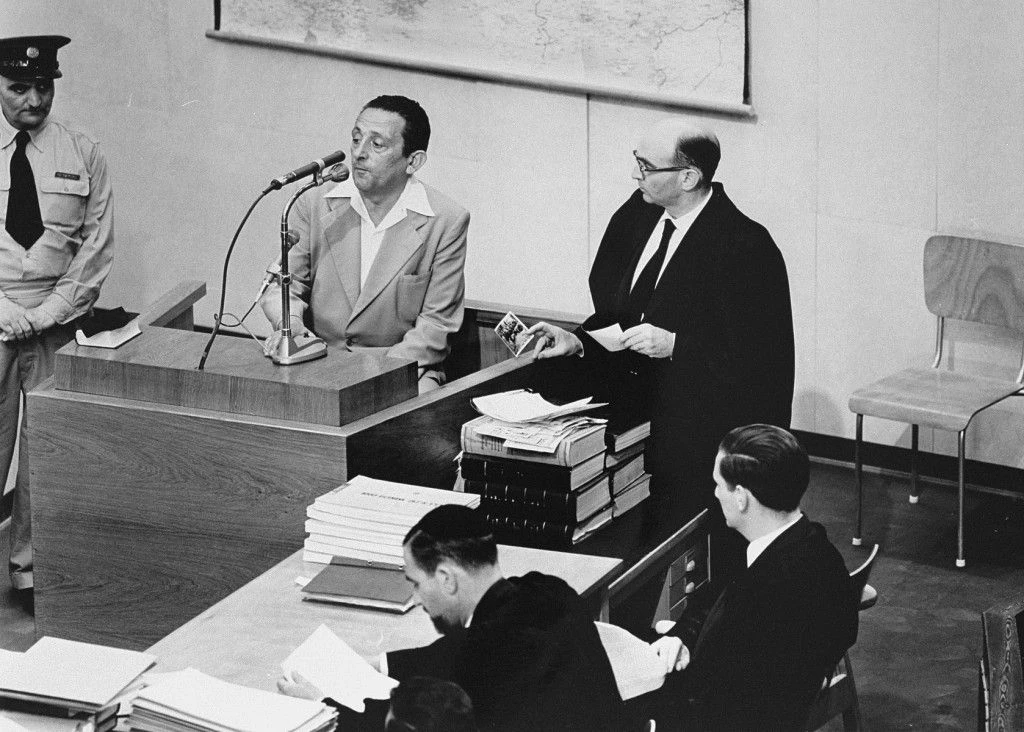
Biebow at Litzmannstadt — 8 February

Borakowski and the merchant fleet
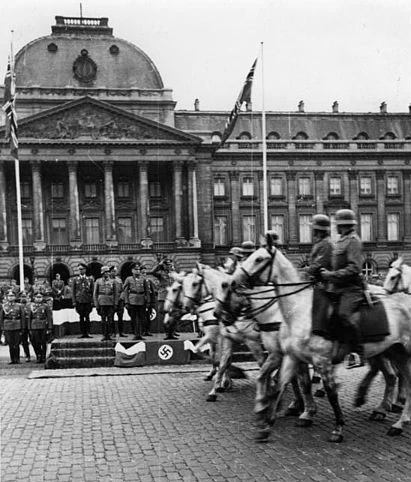
The Galopin Doctrine — whether to produce under the occupier
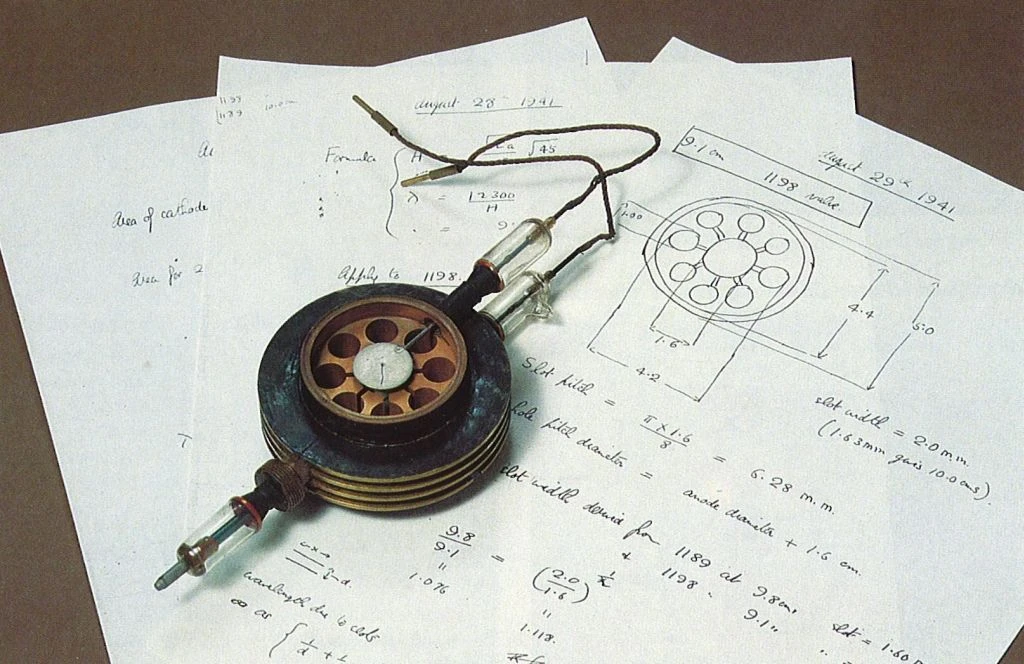
The Tizard Mission's Trunk for America
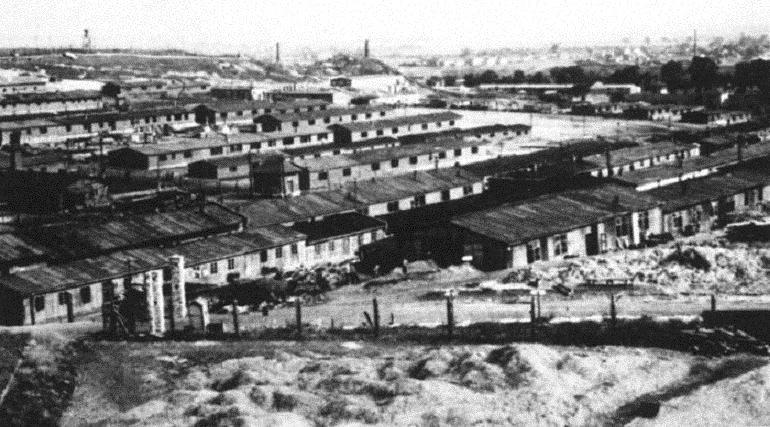
The Upper Silesian Pole Subjected to Forced Labour
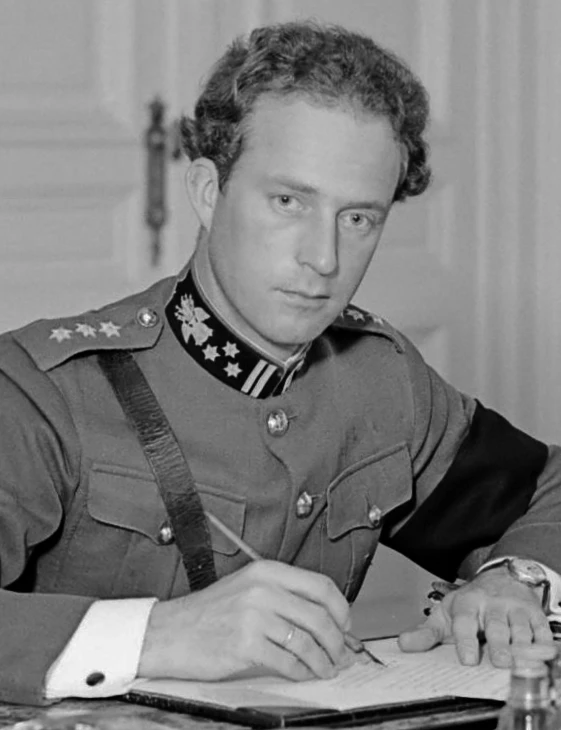
Leopold III takes command
The Capitulation of 28 May
Léopold III — Wijnendaele 28 May
The Captive King — London or Laeken
Selling to Both Sides
Biebow at Litzmannstadt — 8 February
Borakowski and the merchant fleet
The Galopin Doctrine — whether to produce under the occupier
The Tizard Mission's Trunk for America
The Upper Silesian Pole Subjected to Forced Labour