
From the tunnels under Dover Castle, Vice-Admiral has directed Operation Dynamo, the Dunkirk evacuation, for nine days. On 4 June at 14:23 he officially declares it complete. The tally beats every forecast: 338,226 men brought home to England between 26 May (18:57) and 4 June — close to forty thousand a day, when the staff had originally hoped to save only 45,000.
The material cost, however, is heavy. The Royal Navy has lost many destroyers and several hundred small craft; the RAF, hundreds of aircraft; and the entire heavy equipment of the has been left behind in France — tens of thousands of vehicles, thousands of guns, stocks of ammunition.
The British army is saved as a body of men, but disarmed as a fighting tool. Ramsay must present this ambivalent result. The country needs a story; the staff needs clarity. The tone of the communication will not be neutral: it will shape how the nation understands what has just happened.
Should Dynamo be presented as a victory, as a defeat, or as both at once?
C prevails, carried above all by Churchill. On the same 4 June, before the Commons, the Prime Minister salutes the rescue while warning: "Wars are not won by evacuations." The "miracle of Dunkirk" enters British mythology, but official discourse maintains the gravity. Ramsay himself emerges enhanced: his talent as a naval organizer will take him to plan the Sicily landings (1943) and then the maritime assault of Overlord (June 1944), whose naval component he commands. He dies in a plane crash in January 1945, shortly before victory.
Learn more about this event
Related polls
10
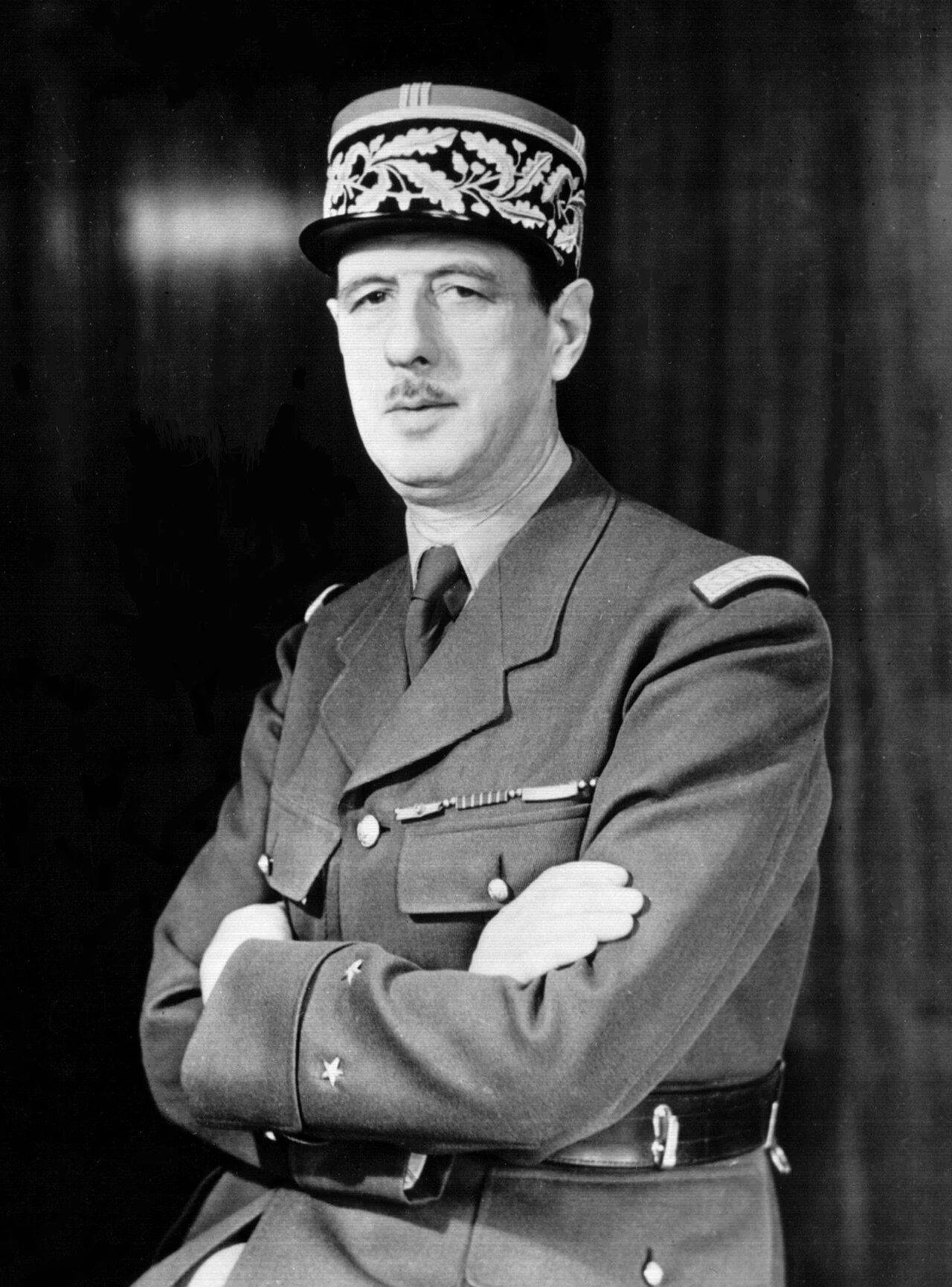
De Gaulle calls on Churchill — 9 June
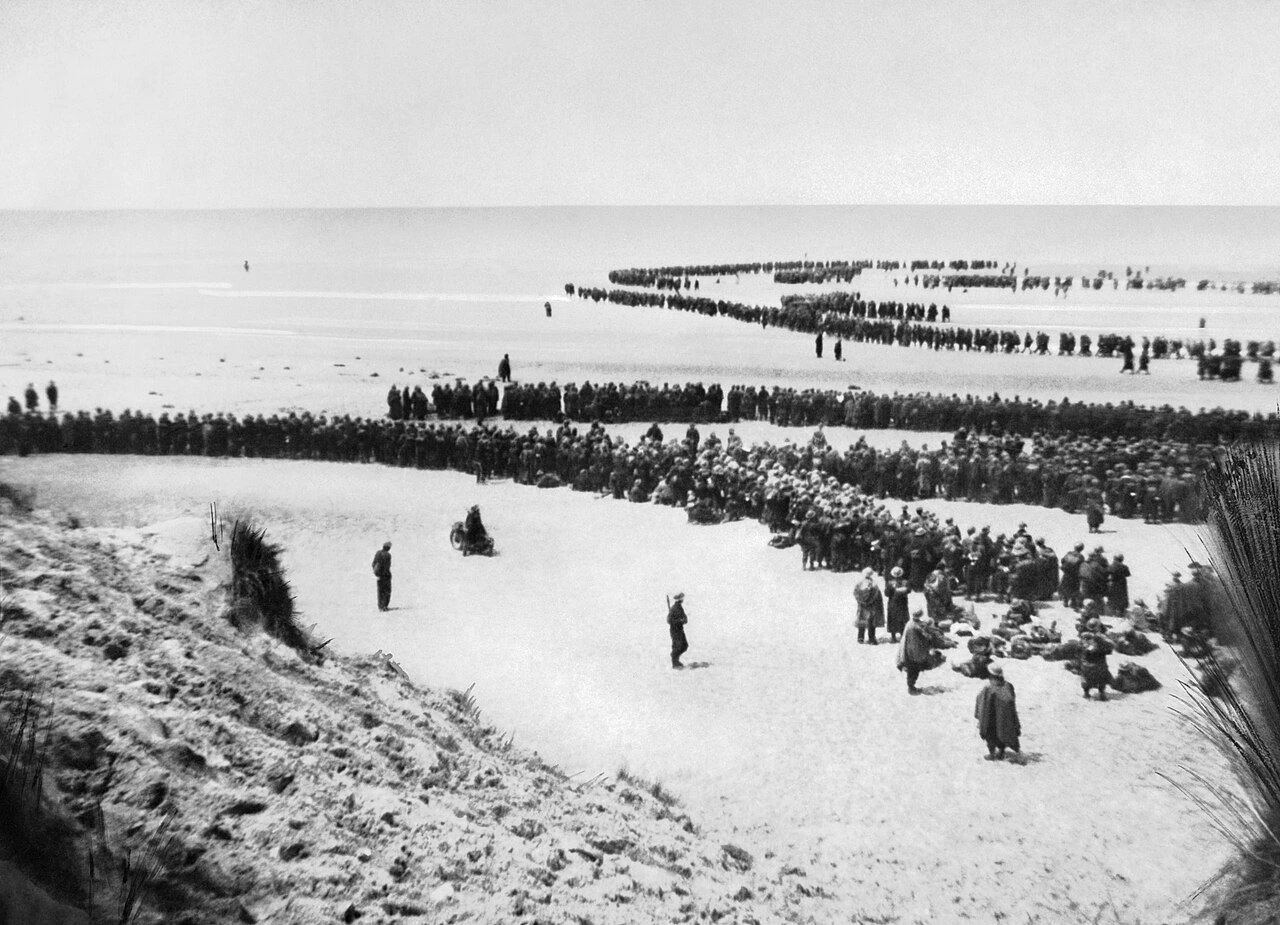
Ramsay at Dover Castle — Dynamo
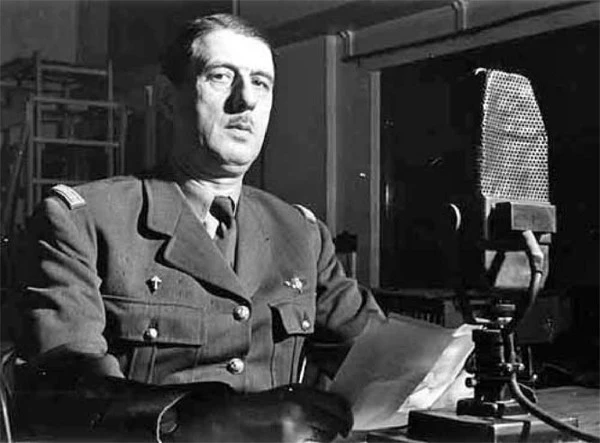
The Appeal of 18 June
Borakowski and the merchant fleet
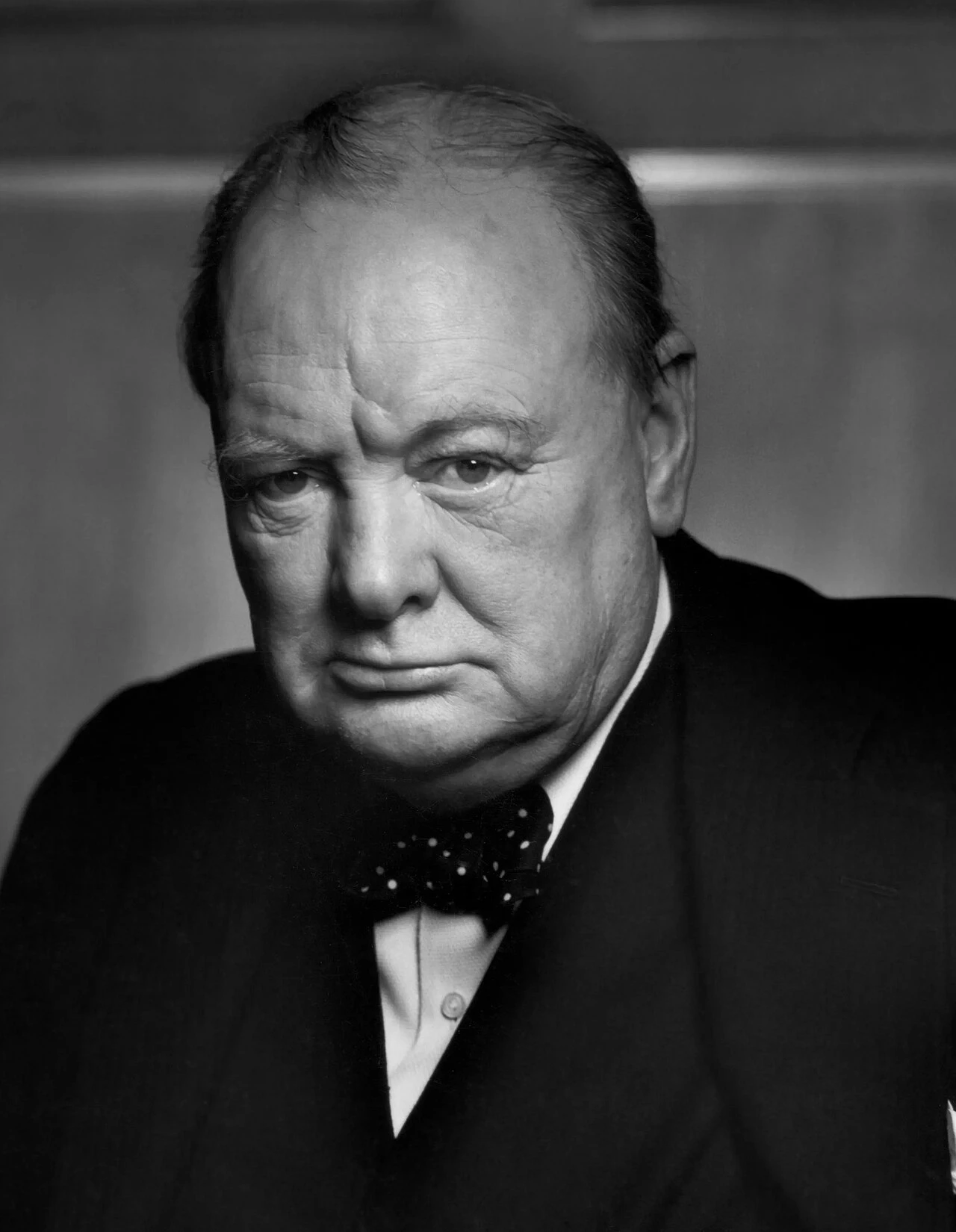
Churchill before the 25 ministers — 28 May 18:00
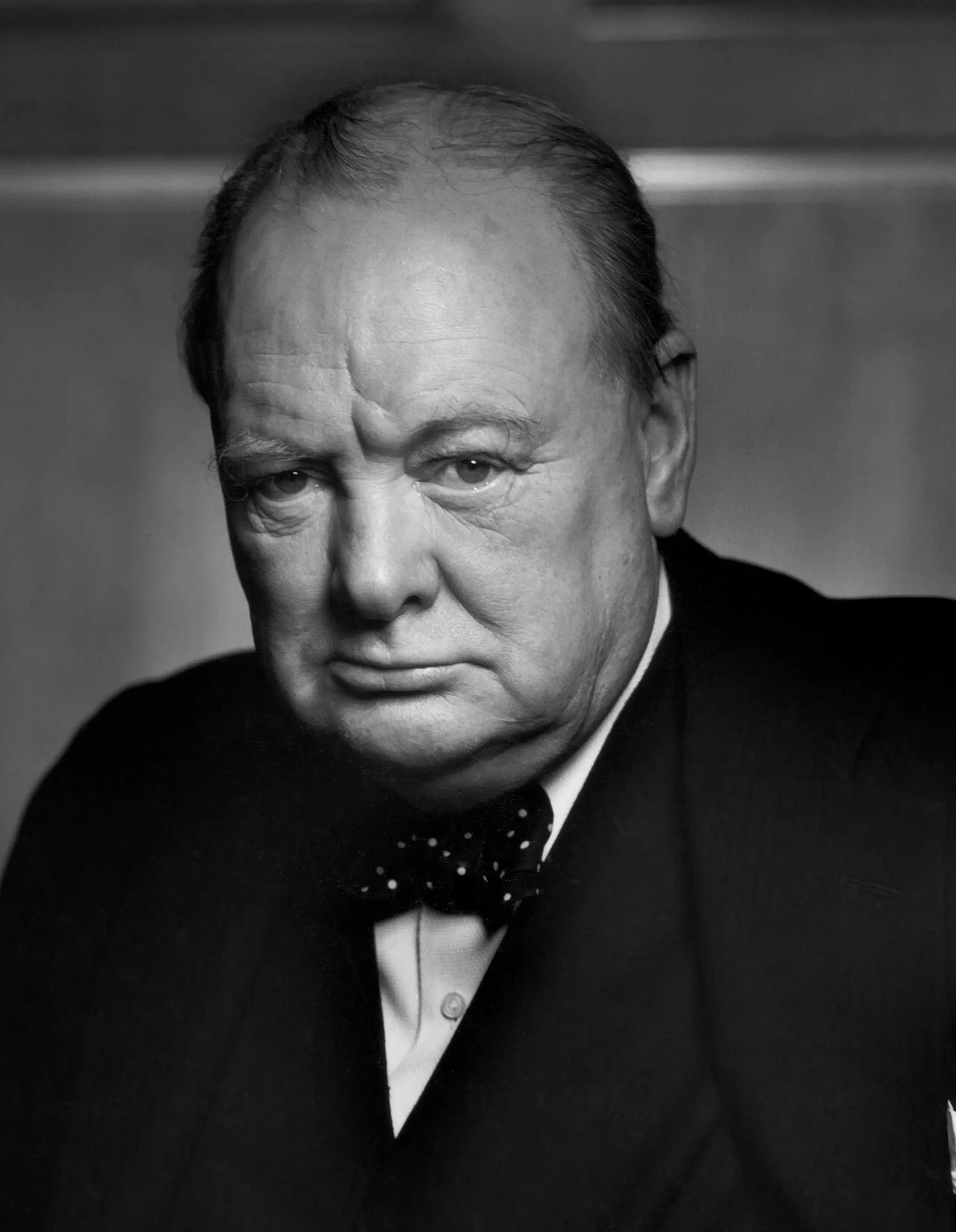
Churchill before the Commons — 4 June
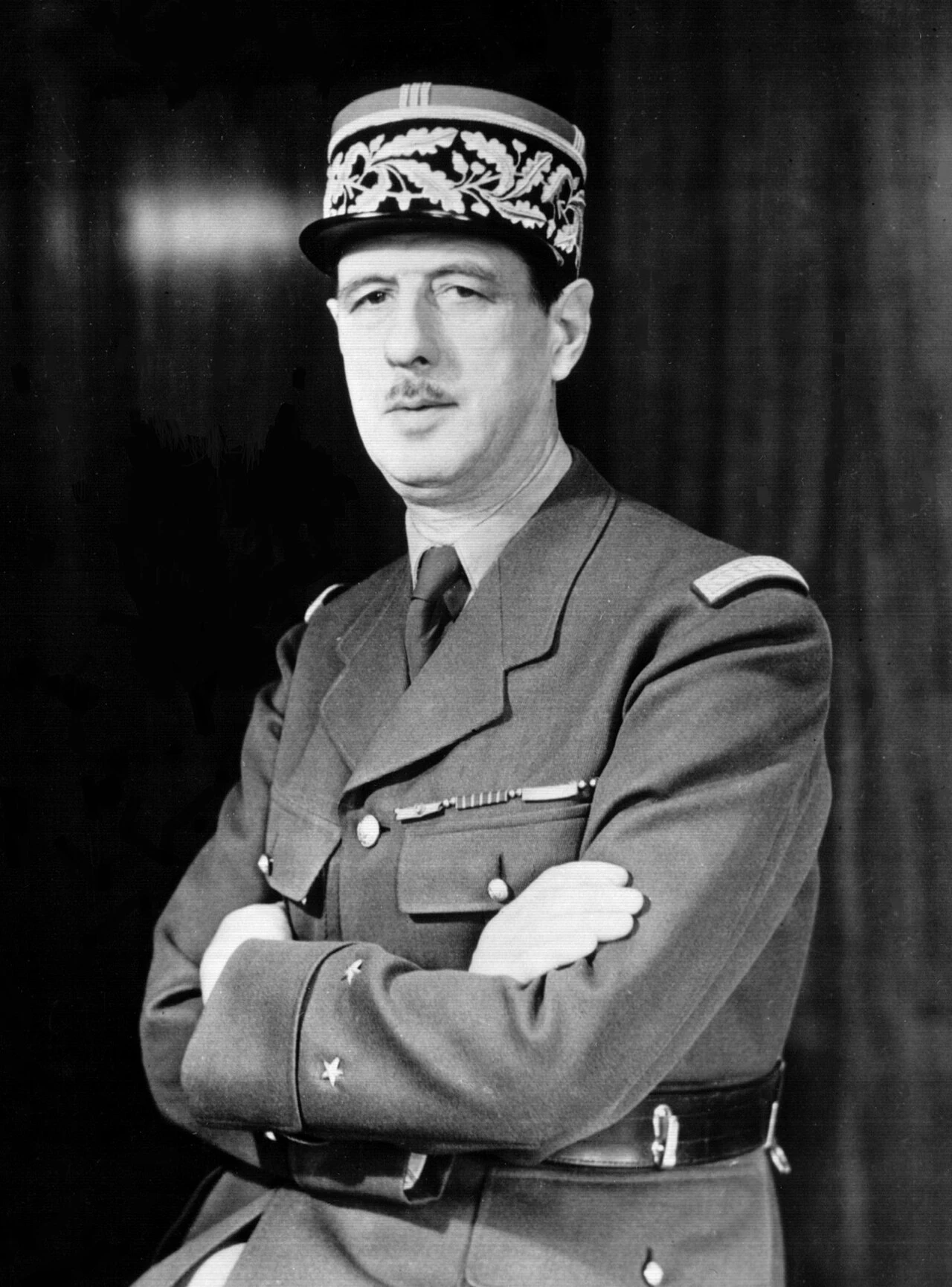
De Gaulle at the BBC microphone — 18 June, 18:00
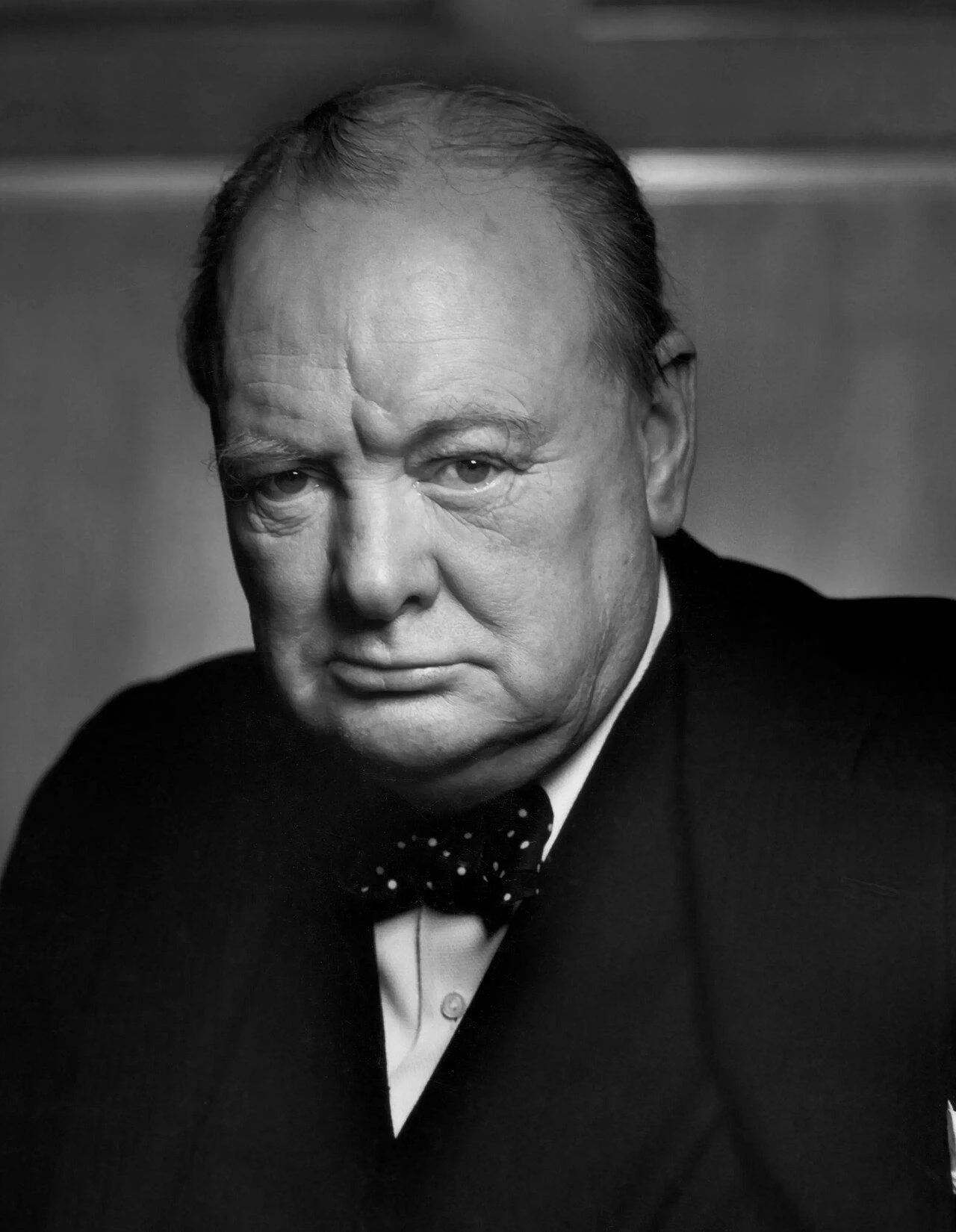
Halifax at the War Cabinet — 25 May 18:00
Reynaud in London — 26 May
Churchill in power
De Gaulle calls on Churchill — 9 June
Ramsay at Dover Castle — Dynamo
The Appeal of 18 June
Borakowski and the merchant fleet
Churchill before the 25 ministers — 28 May 18:00
Churchill before the Commons — 4 June
De Gaulle at the BBC microphone — 18 June, 18:00
Halifax at the War Cabinet — 25 May 18:00
Reynaud in London — 26 May