
Mussolini on the balcony — 10 June, 18:00
On 10 June 1940 at 18:00, appears on the balcony of the Palazzo Venezia to announce Italy's entry into the war alongside Germany. The crowd has been mustered by the National Fascist Party — propaganda will speak of half a million people; cautious estimates set the figure considerably lower.
The Duce has eighteen years of mass staging behind him. The Piazza Venezia is the usual theatre of his great speeches, and every word is weighed for effect. In the preceding days the declaration of war has been delivered to the French and British ambassadors, and entry into the war will take effect at midnight. Loudspeakers carry the address across all of Italy, while Istituto Luce cameras film the scene for the newsreels.
The moment is also a wager on opinion. Part of Italy — the Church, a fraction of the elites, many ordinary people — dreads this war. Mussolini must decide on the register: galvanize a crowd carried by warlike enthusiasm, or strike a graver note that shares the weight of the decision.
What tone should Mussolini adopt to announce the war?
Mussolini chooses A, the triumphal register: "Fighters of land, sea, and air! The hour marked by destiny strikes in the sky of our homeland. The hour of irrevocable decisions." But several witnesses note a crowd less exalted than usual: anxiety prevails for many Italians. The next day, Roosevelt sums up the Allied analysis in his Charlottesville speech: "the hand that held the dagger has struck it into the back of its neighbor." The image of an opportunistic Italy striking a France already down will stick lastingly to the entry into war of 10 June. The balcony of the Palazzo Venezia will remain the icon of the regime; its counterpart will be, in April 1945, Mussolini's body hung by the feet at the Piazzale Loreto in Milan. Between the two, five years of a war Italy had neither the means nor the enthusiasm to wage.
Learn more about this event
Related polls
10
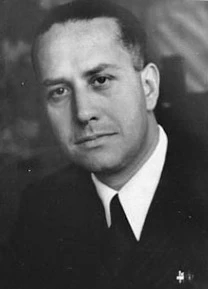
Ciano summons the ambassadors — 10 June
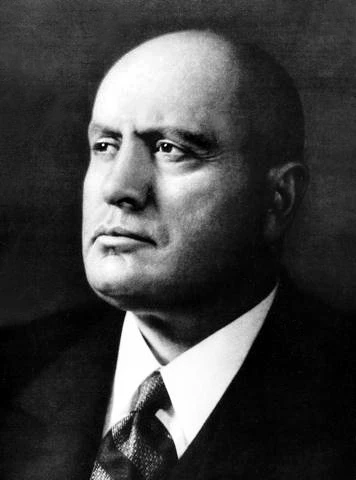
Mussolini on the Riviera — 21 June
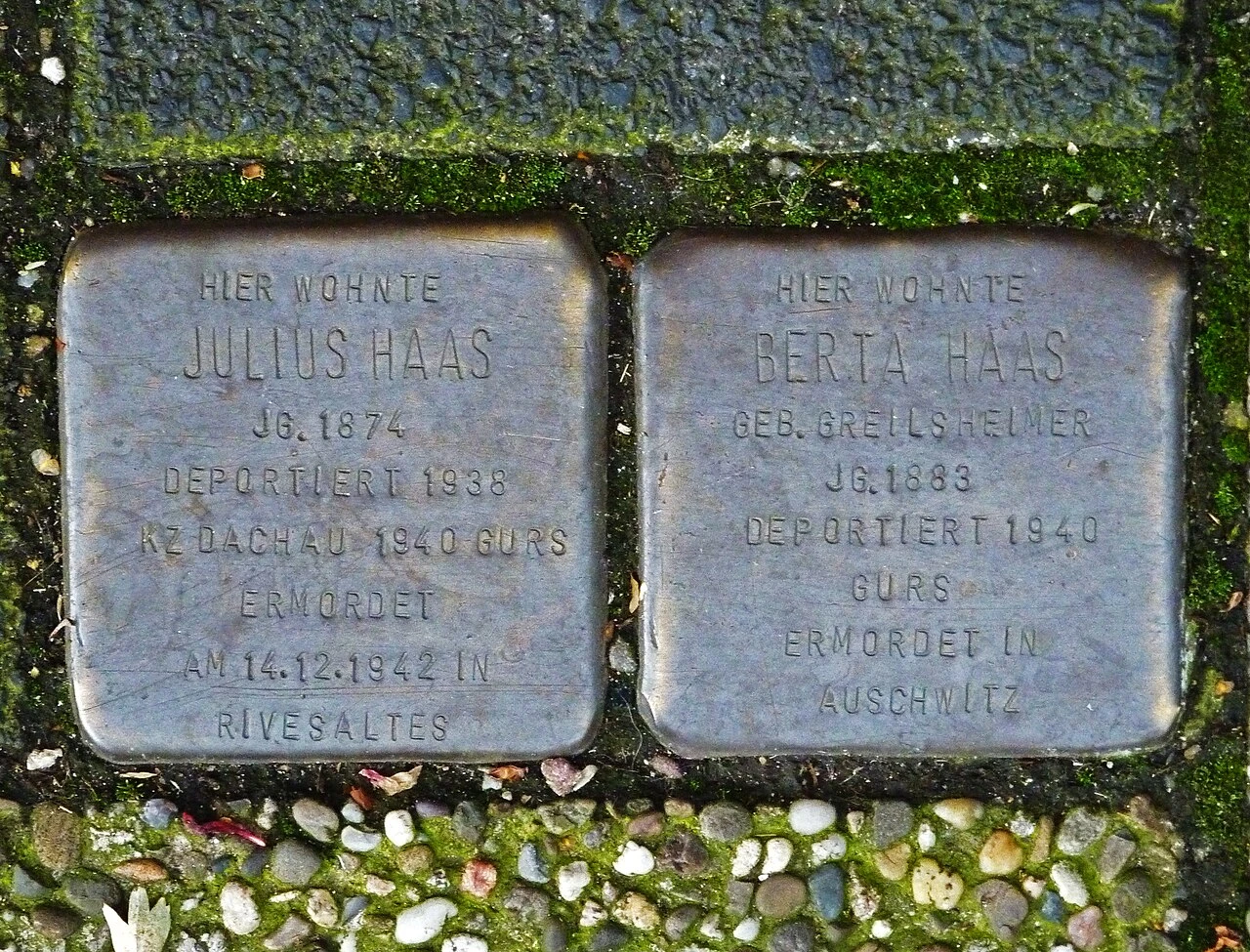
Hannah Arendt, Stateless and Interned, Facing Exile
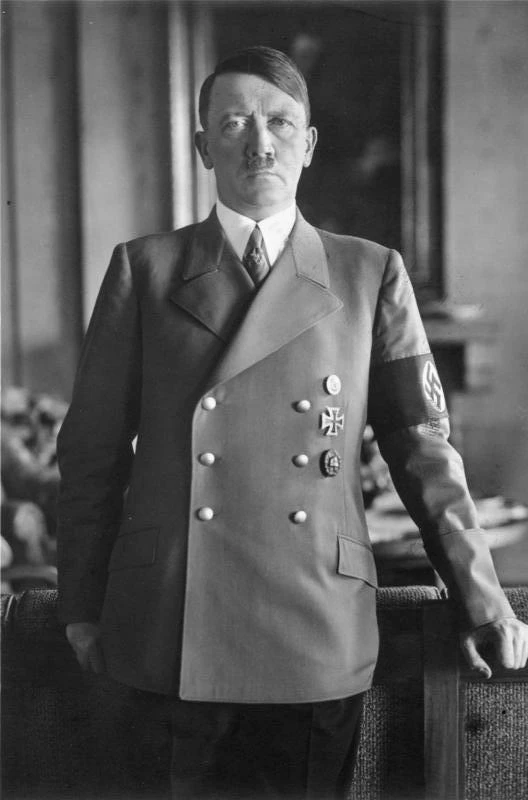
Hitler at Compiègne — 22 June 4:30 p.m.
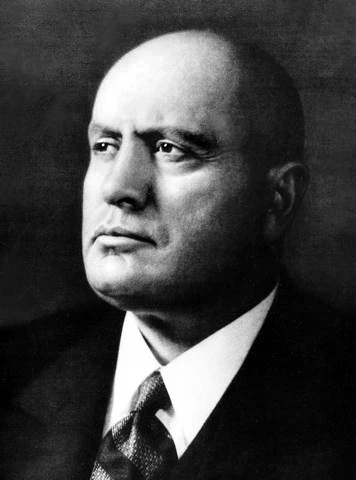
Mussolini in the winter of debacle
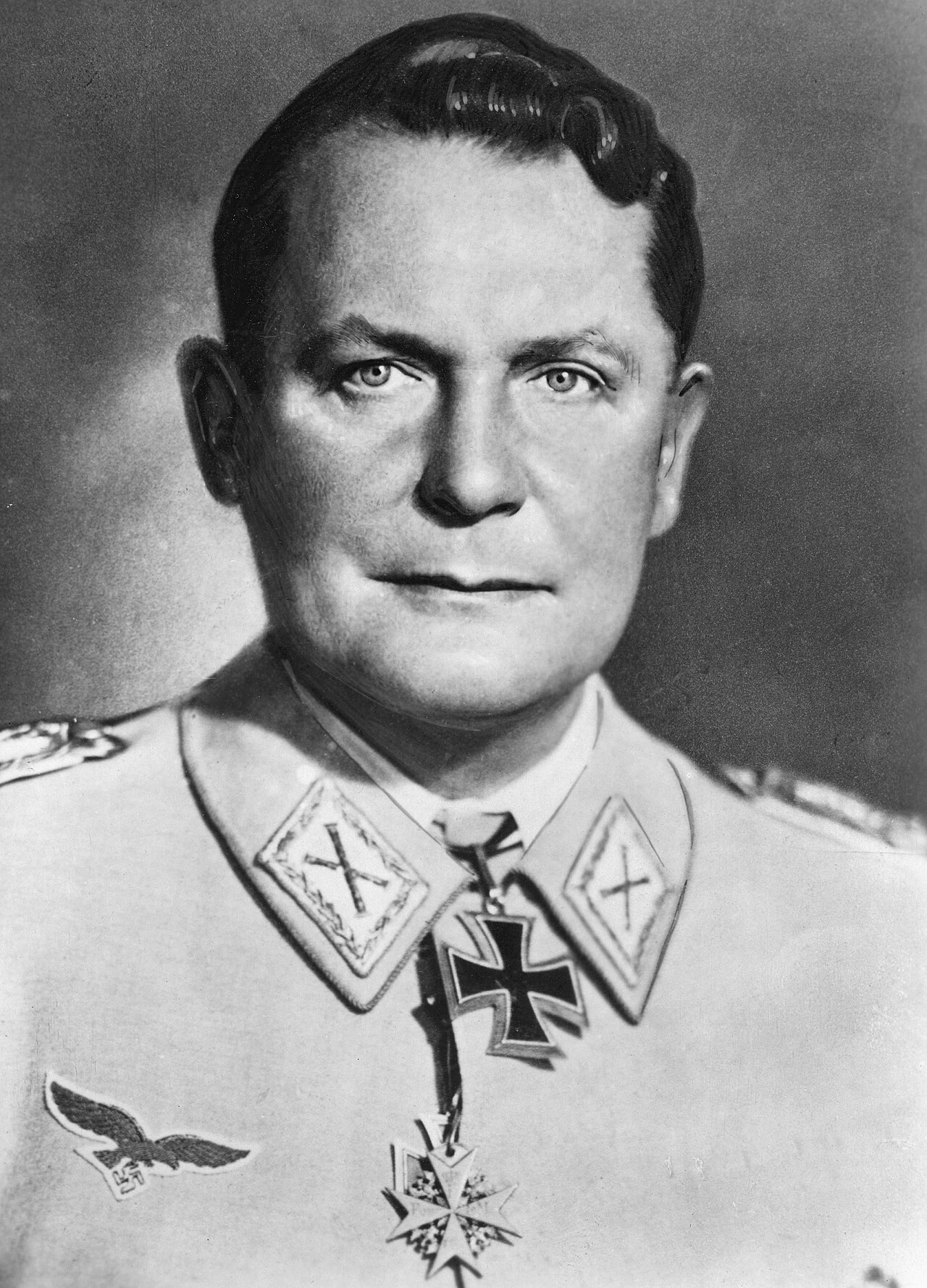
Goering at Carinhall — the promise to Hitler
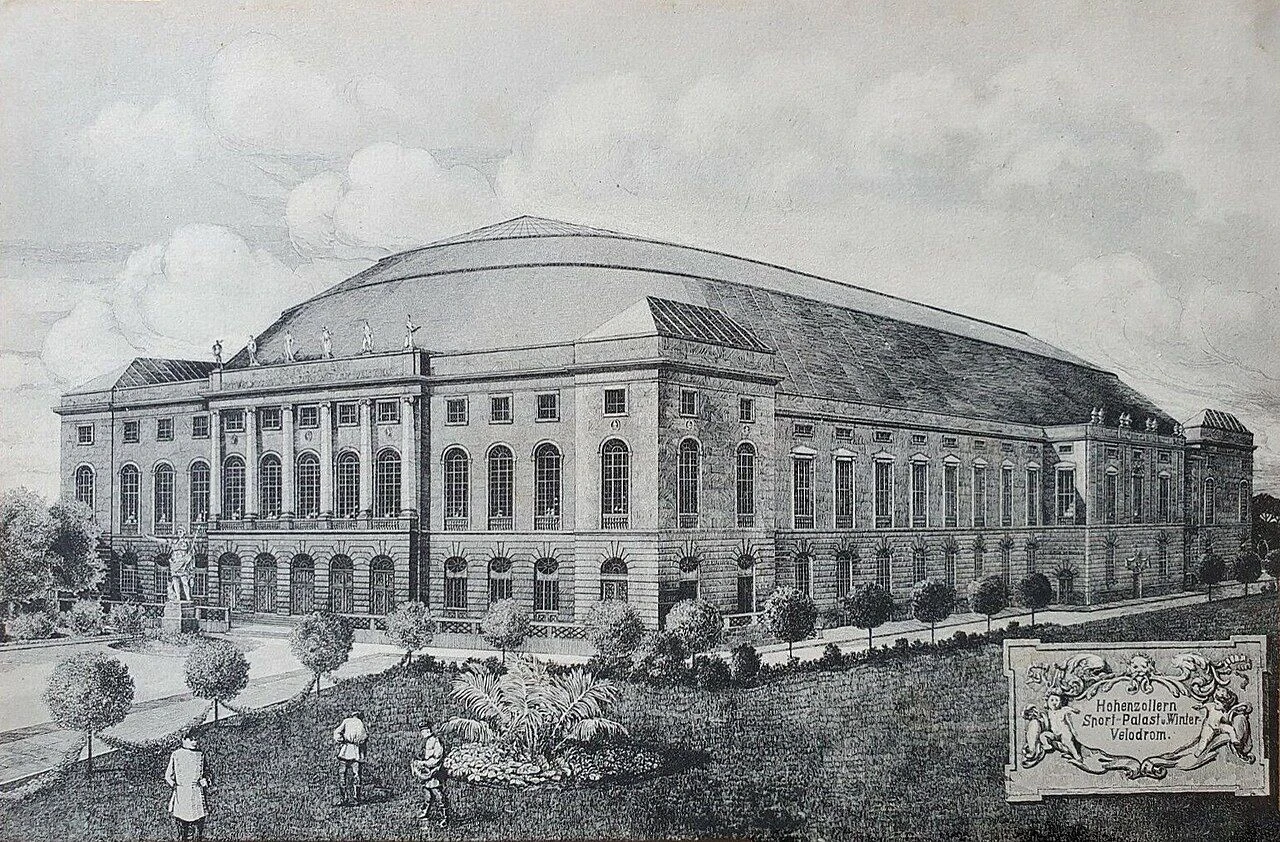
Hitler at the Sportpalast — 30 January, 8 pm
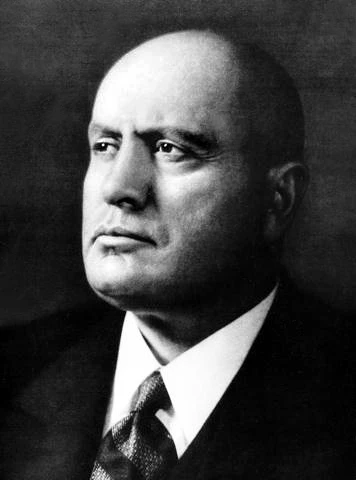
Mussolini at the Palazzo Venezia — early June
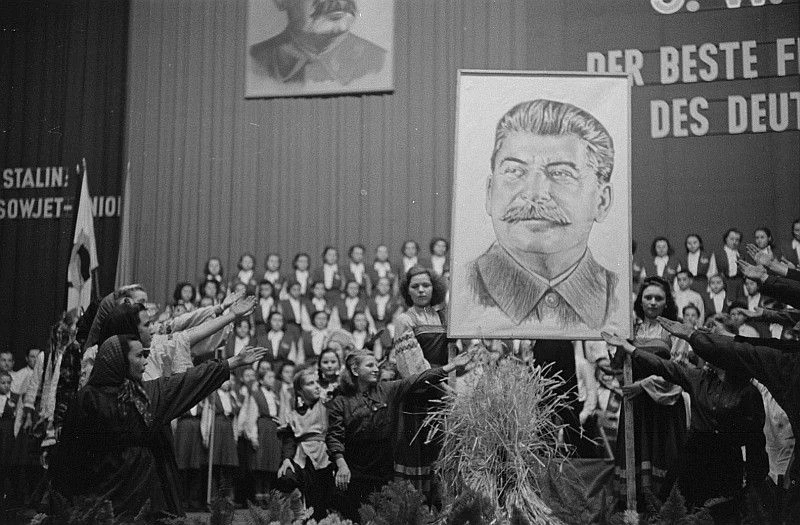
Stalin at 60 — Hitler at the Kremlin
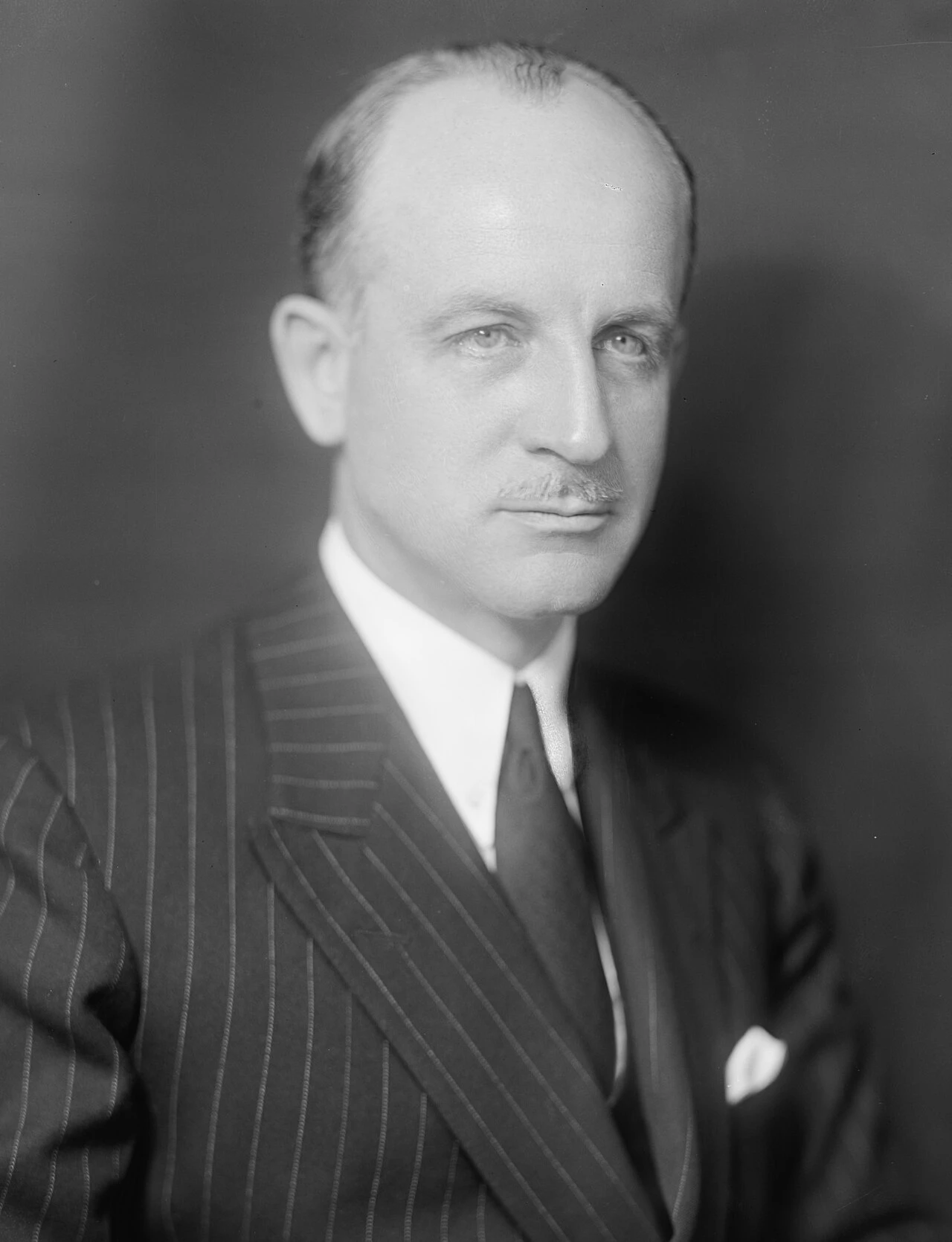
Welles with Hitler — 2 March 11:00
Ciano summons the ambassadors — 10 June
Mussolini on the Riviera — 21 June
Hannah Arendt, Stateless and Interned, Facing Exile
Hitler at Compiègne — 22 June 4:30 p.m.
Mussolini in the winter of debacle
Goering at Carinhall — the promise to Hitler
Hitler at the Sportpalast — 30 January, 8 pm
Mussolini at the Palazzo Venezia — early June
Stalin at 60 — Hitler at the Kremlin