
The Madagascar Plan on paper
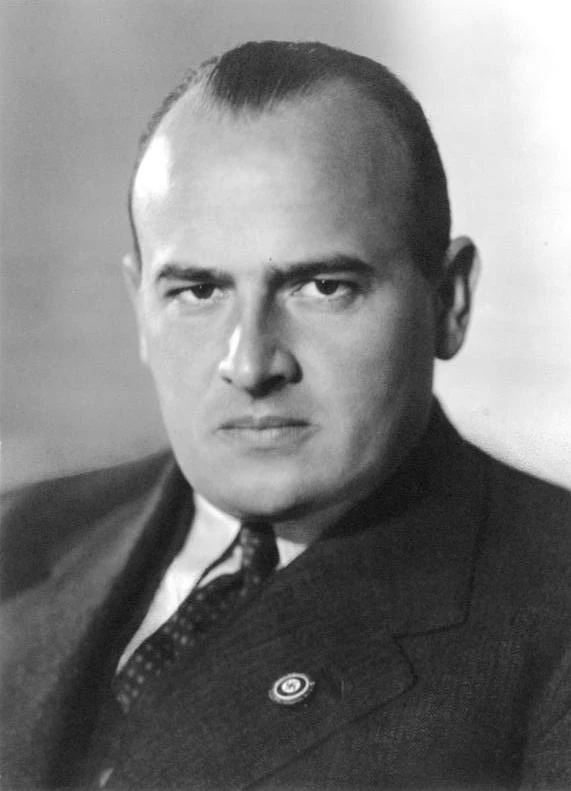
, 33, a jurist and diplomat, has headed since April 1940 Referat D III, the 'Jewish affairs desk' of the Auswärtiges Amt, the Reich Foreign Ministry, in Berlin. A career civil servant who joined the Nazi Party, he is seeking to give his service a role in what the regime calls the Judenfrage, the 'Jewish question' — the future of the more than five million people considered Jewish now under German control.
In late May 1940, wrote to Hitler his distaste for the 'Bolshevik method of the physical extermination of a people', which he judged 'un-Germanic'. He spoke instead of a 'mass emigration' to Africa or a colony. Hitler approved. The defeat of France places its colony of Madagascar within reach, and a British surrender is awaited to secure the passage of ships.
The idea of 'resettling' Europe's Jews there has circulated since the nineteenth century; Warsaw even sent a commission there in 1937. Rademacher is tasked with drawing up a memorandum on it. On his desk: an island 'reservation', guarded by the German police, for some four million people. He must decide what to put on paper.
Do you draft the deportation of millions of Jews to Madagascar — a 'reserve' guarded by the police, dressed up as a solution but genocidal in its effects?
Rademacher chooses A. On 3 July 1940 he signs the memorandum 'Die Judenfrage im Friedensvertrage': France cedes Madagascar, the island passes under German mandate and an SS police governor (air and naval bases excepted), the Jews are given a pseudo-administration but are barred from leaving and held as diplomatic hostages. Eichmann simultaneously drafts a logistical plan at the RSHA. Historians (Browning, Longerich) read it as a step toward the 'Final Solution': on an island of hostile climate and endemic plague, the project would have killed a large share of the deportees. For lack of a British surrender and of ships, it is abandoned at the end of 1940. Rademacher, tried in West Germany after the war, will die a fugitive in 1973 without having served his sentence.
POINT OF VIGILANCE — [Historiographical note: a project often presented as 'far-fetched'; insist on its genocidal character in intent and effect (Browning, Longerich) without trivialising it. Figure of ~4 million = the memorandum's order of magnitude.]
Learn more about this event
Related polls
10
Himmler's memorandum to the Führer
The Obersalzberg Speech
The Prophecy Speech

The Barbarossa decree — the 'licence to kill'
Gleiwitz — Naujocks at the Transmitter
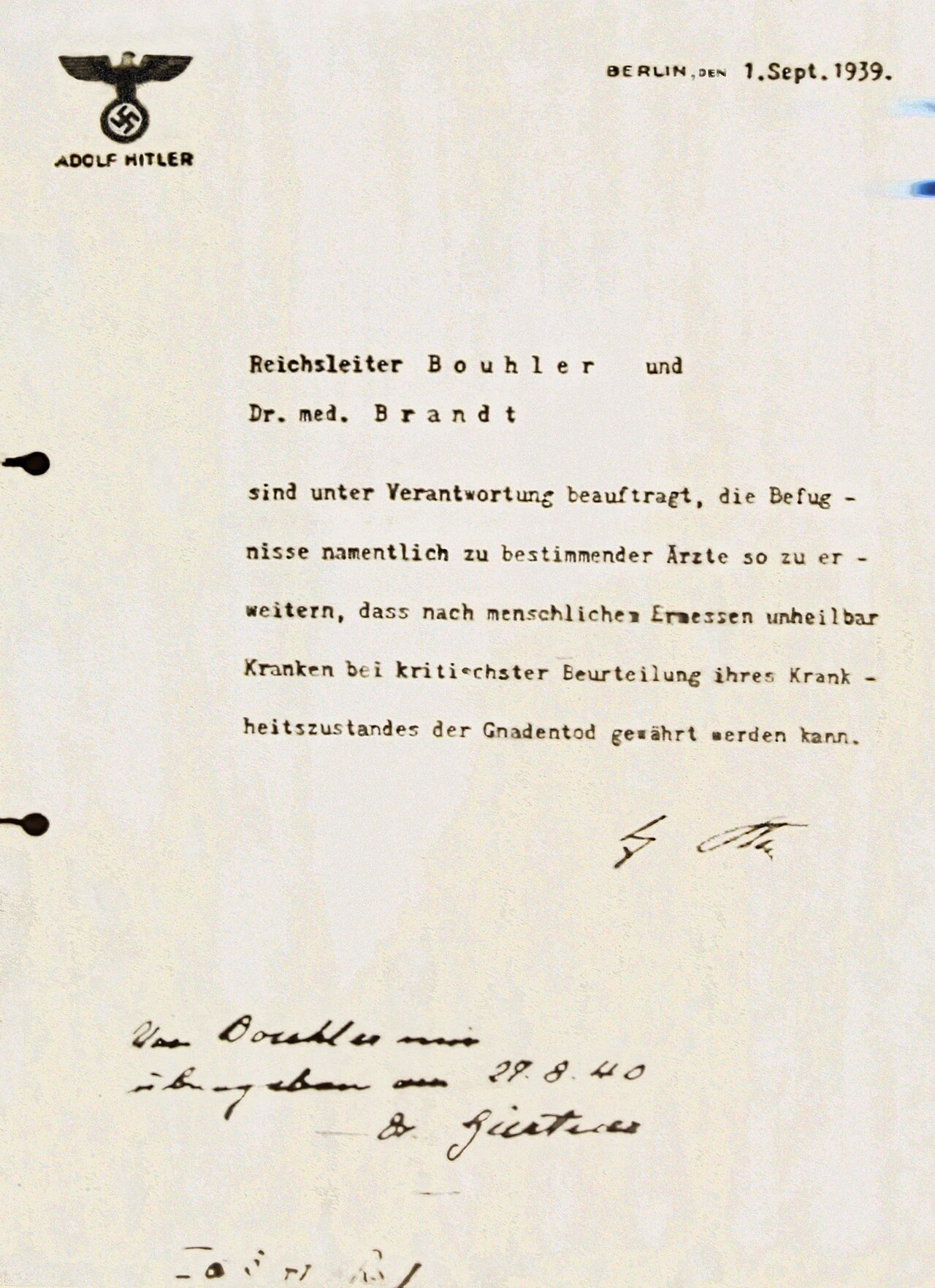
A doctor and the grey form
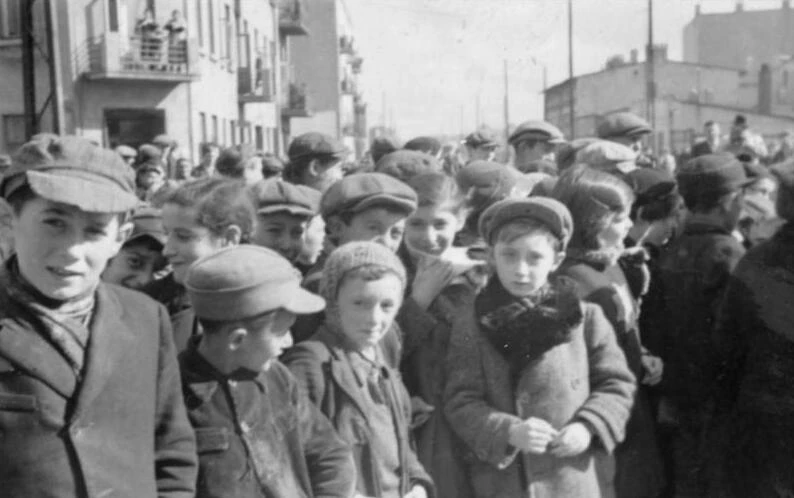
Lodz — sealing the ghetto
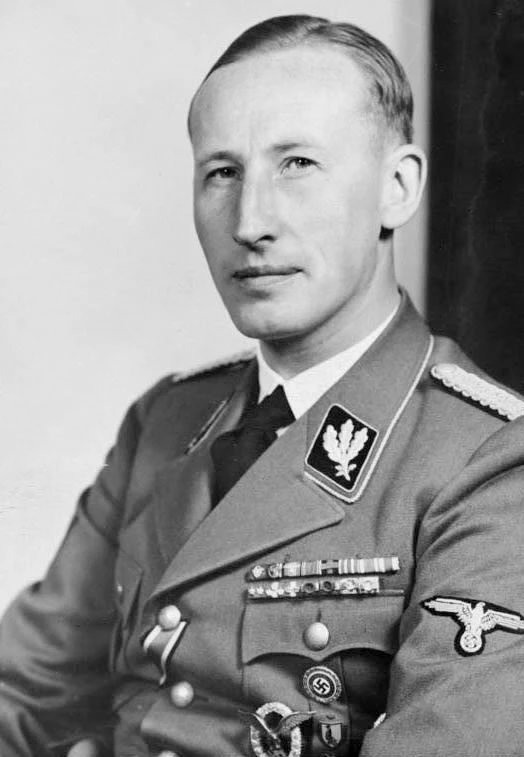
The Reich Central Office for Jewish Emigration
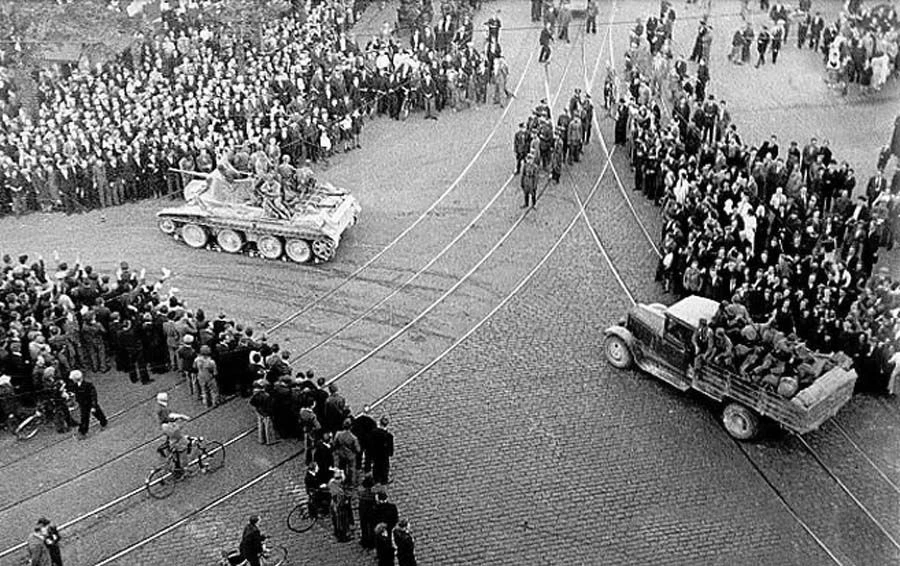
Serov — 10 February 06:00 at Lwów
AB Aktion — planning at the Wawel
Himmler's memorandum to the Führer
The Obersalzberg Speech
The Prophecy Speech
The Barbarossa decree — the 'licence to kill'
Gleiwitz — Naujocks at the Transmitter
A doctor and the grey form
Lodz — sealing the ghetto
The Reich Central Office for Jewish Emigration
Serov — 10 February 06:00 at Lwów