
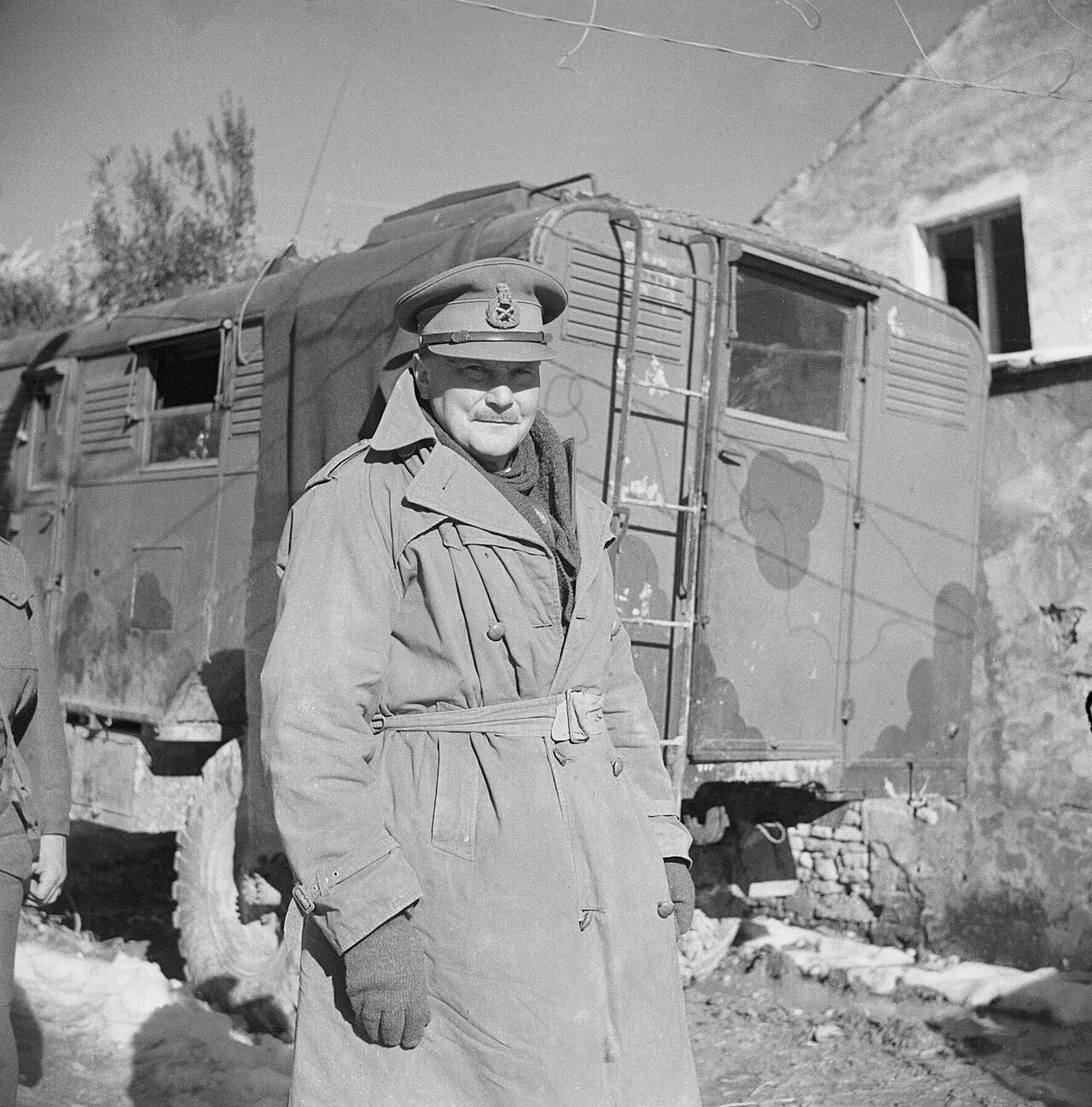
Lieutenant-General , the New Zealand hero of the Great War, commanded the defence of Crete: a disparate ensemble of British, New Zealand, Australian and Greek troops, exhausted by the evacuation of Greece, short of artillery, tanks and above all aircraft. Thanks to Ultra, he knew that a German airborne assault was aimed at the airfields of the north.
But the intelligence was ambiguous, and Freyberg also feared a seaborne landing. On 20 May, the German parachutists suffered terrible losses; by evening, the situation was critical for the attackers. Maleme airfield, at the western end, was held by a New Zealand battalion on the key height, Hill 107, which dominated the runway.
On the night of 20-21 May, the local commander, poorly informed about the overall situation and fearing being outflanked, considered withdrawing his battalion from Hill 107. This was the tipping point: hold the height at all costs to deny the Germans use of the runway to land reinforcements; fall back to preserve the unit and reorganise a line to the rear; or launch an immediate counterattack to throw back the paratroopers before they could reinforce.
What to do with Hill 107 overlooking Maleme airfield?
For lack of clear communications and fearing encirclement, the New Zealand battalion fell back from Hill 107 (B) during the night. The Germans seized it and, from the next day, were able to land transport aircraft at Maleme despite the fire: an uninterrupted flow of reinforcements from the tipped the fate of the battle. The belated Allied counterattacks failed. The loss of Maleme, on a misunderstanding and a local decision taken in the fog of war, transformed a German disaster into victory. Crete was evacuated in late May; the Royal Navy paid a very high price covering the withdrawal under the bombs. The battle showed how, even with Ultra intelligence, the outcome rests on the transmission of orders and decisions of a moment.
Learn more about this event
Related polls
10
The ANZACs at Thermopylae
'Fortresses do not surrender'
Amba Alagi — the Duke of Aosta encircled
Barbarossa — 3:15 a.m.
Brest — the Encircled Fortress
Davakis in the Pindus
Morshead — Tobruk encircled, 10 April
Ultra has spoken, but Freyberg is watching the sea
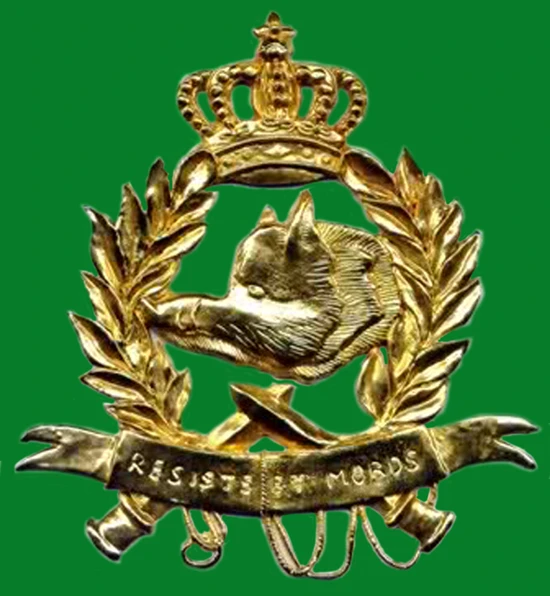
The abatis of the Chasseurs Ardennais
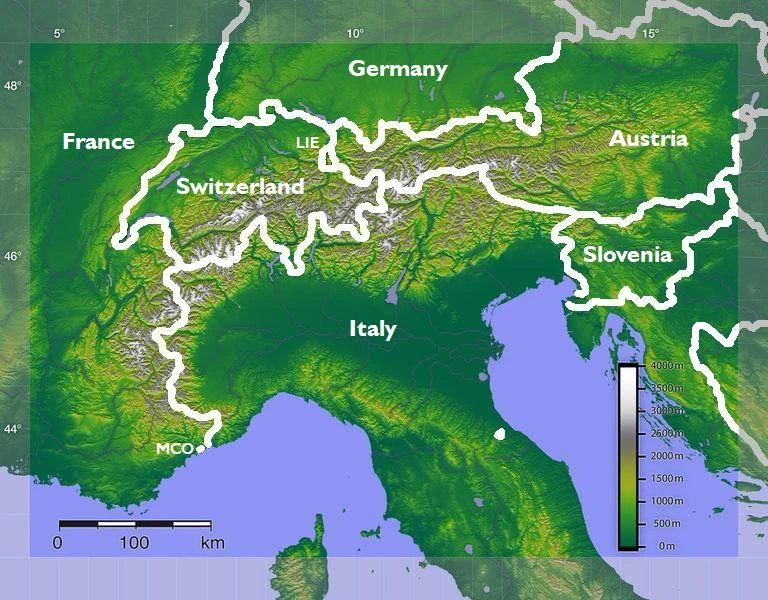
The Army of the Alps against the Italians
The ANZACs at Thermopylae
'Fortresses do not surrender'
Amba Alagi — the Duke of Aosta encircled
Barbarossa — 3:15 a.m.
Brest — the Encircled Fortress
Davakis in the Pindus
Morshead — Tobruk encircled, 10 April
Ultra has spoken, but Freyberg is watching the sea
The abatis of the Chasseurs Ardennais