
Ribbentrop in Moscow — the Accord of 28 September
The German-Soviet Pact of 23 August 1939 had provided in its secret protocol for a partition of Poland: German sphere west of the Narew-Vistula-San rivers, Soviet sphere to the east. But the rapid evolution of the conflict alters the calculations. By 17 September the Red Army has advanced to the agreed line; German troops have even slightly overshot it around Brzesc-Lublin. A rectification is needed.
More important: Hitler wishes to annex further Polish territory (the Lublin mining region) to Germany, while Stalin wants Lithuania brought into his sphere — a neutral country not mentioned in the August protocol. On 25 September, Stalin proposes to Berlin an exchange: Lithuania into the Soviet sphere in return for Polish territories (Lublin, Suwalki) for Germany.
On 27 September, , forty-six, German Foreign Minister since February 1938, arrives in Moscow aboard a special Junkers Ju 290 with a delegation of thirty. He is received at the Kremlin at 10 p.m. on 27 September by Stalin himself, by Molotov, and by ambassador . The negotiations run all night. Stalin hosts a banquet at which they toast "the new German-Soviet friendship sealed in blood."
What public legal framework should be given to the agreement of 28 September?
Ribbentrop and Molotov sign B on 28 September 1939 at 5 a.m. The German-Soviet Boundary and Friendship Treaty comprises: rectification of the frontier along the line Pisa-Narew-Bug-San (instead of Narew-Vistula-San); transfer of Lithuania to the Soviet sphere in exchange for the Lublin district to Germany; a joint declaration calling on France and the United Kingdom to end their "artificial war" and to recognise the Polish fait accompli. The treaty is signed publicly — the famous Ribbentrop-Molotov-Stalin photograph dates from this occasion. It is accompanied by an additional secret protocol concerning Lithuania and by economic arrangements (Soviet deliveries of wheat, oil, and ores in exchange for German machine tools — which will sustain the Reich's war economy until Barbarossa). The accord marks the apogee of German-Soviet cooperation. Consequences: France and the United Kingdom refuse the peace offer (Daladier's speech on 4 October; Chamberlain's on 12 October); the Baltic states (Estonia, Latvia, Lithuania) are occupied by the USSR within weeks. The pact of 28 September lingers in the historical memory of the Central European nations as a second Munich, sealing the disappearance of Poland for fifty years.
Learn more about this event
Related polls
10
Forster — Kashubians and Kociewiacy
Greiser — the Priority of the Wartheland
Hitler — the Reichstag Speech
Kuusinen — Terijoki, 1 December
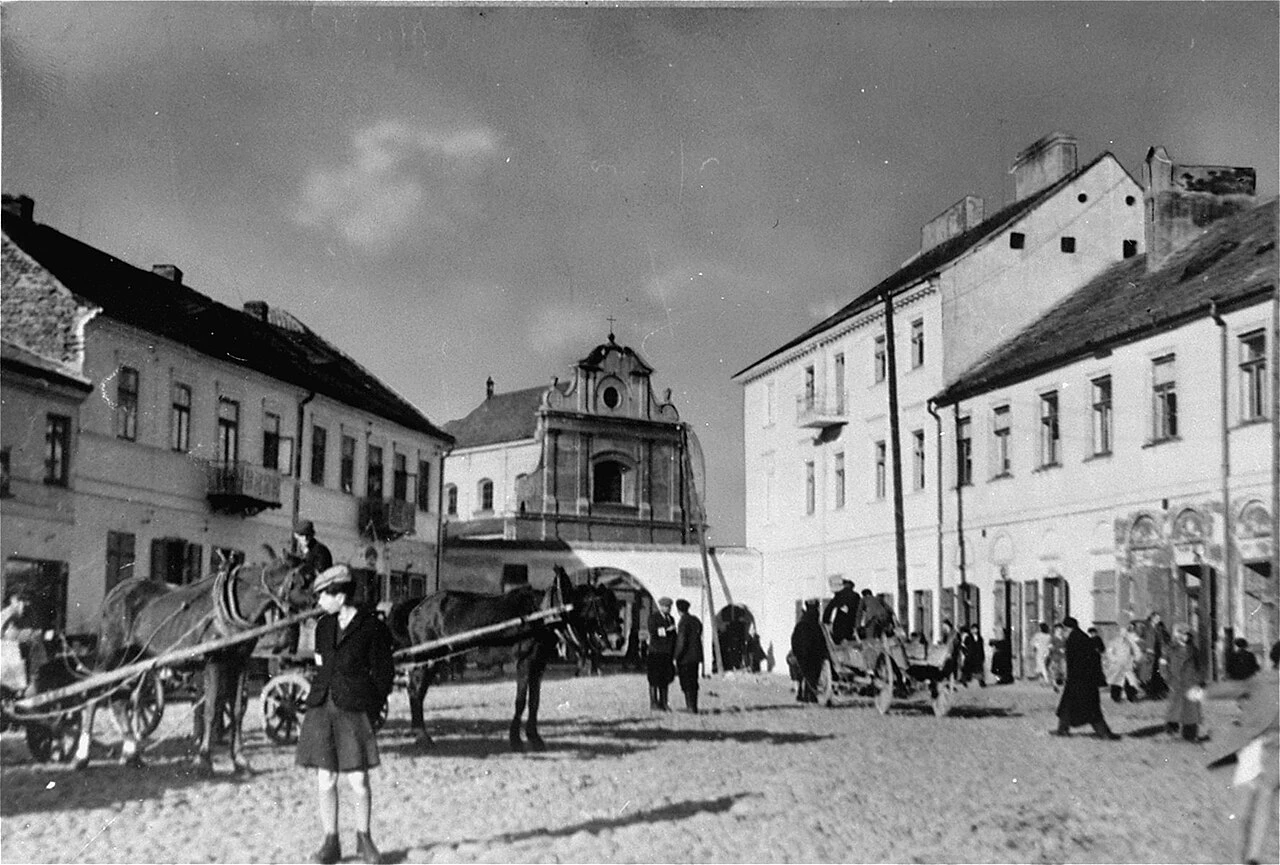
Piotrkow — Tenenberg Facing the Judenrat
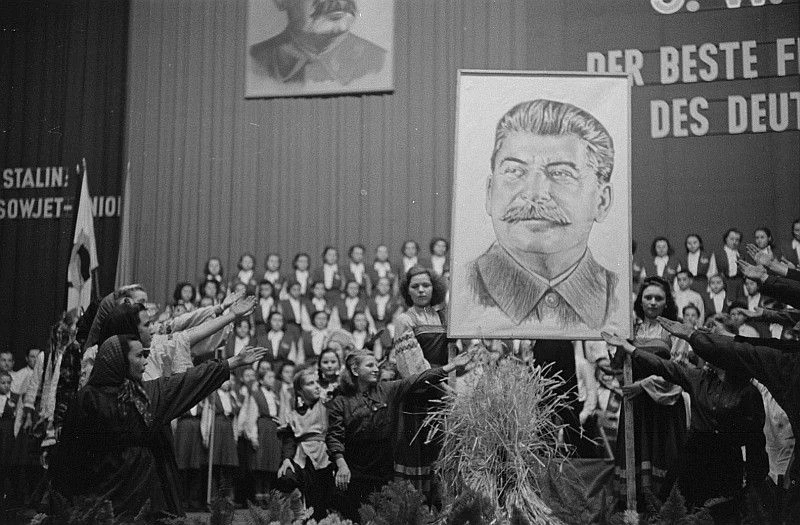
Stalin at 60 — Hitler at the Kremlin
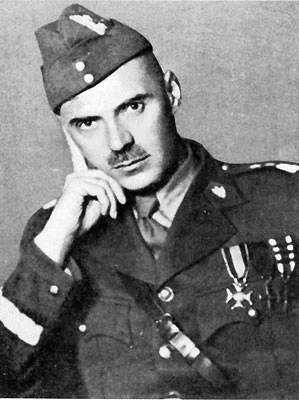
Anders in the Lubyanka
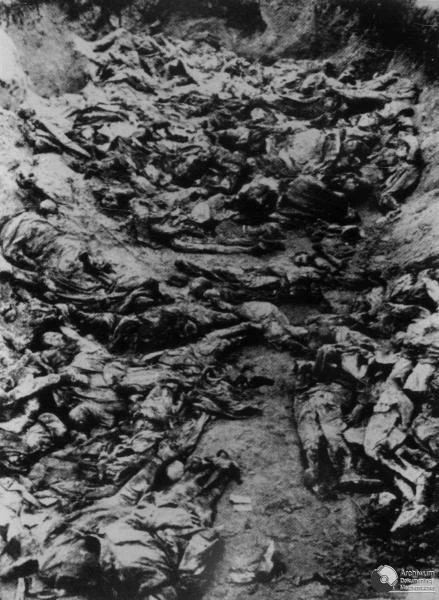
Beria — the NKVD ordinance of 19 September
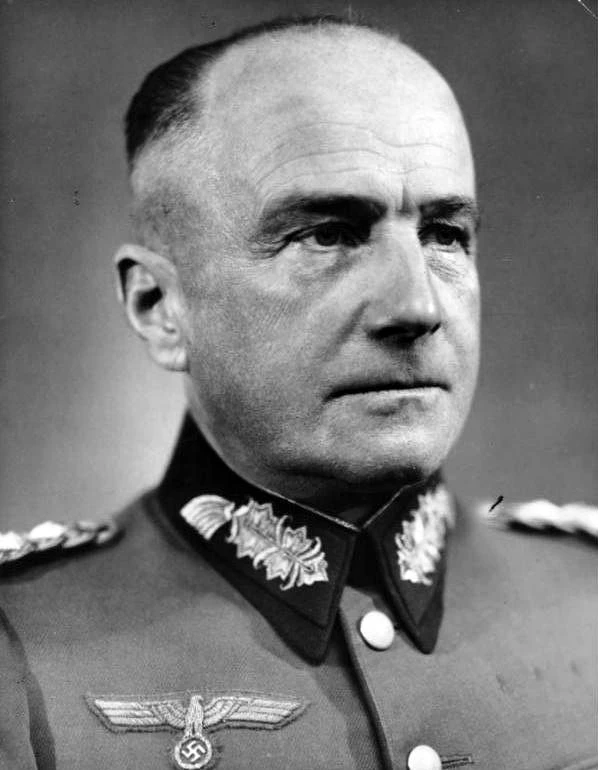
Brauchitsch — Reich Chancellery, 5 November
Goering — the economic mobilization plan
Forster — Kashubians and Kociewiacy
Greiser — the Priority of the Wartheland
Hitler — the Reichstag Speech
Kuusinen — Terijoki, 1 December
Piotrkow — Tenenberg Facing the Judenrat
Stalin at 60 — Hitler at the Kremlin
Anders in the Lubyanka
Beria — the NKVD ordinance of 19 September
Brauchitsch — Reich Chancellery, 5 November