
The bridge at Gennep and the Brandenburgers
The rapid conquest of the Netherlands and the link-up with the forces operating further south depended on the capture, intact, of the bridges over the Meuse and the canals. Yet the defenders had orders to destroy them as soon as the enemy approached. To thwart these demolitions, Germany employed a special unit, the (Brandenburg), specialists in infiltration and ruses of war.
At Gennep, the stake was a crucial railway bridge. The commandos could attempt to seize it by a disguised coup de main: passing themselves off as Dutch soldiers or escorted prisoners in order to neutralise the guards before they could blow the bridge. The method, effective, raised the question of wearing the enemy's uniform, contrary to the laws of war.
The command could authorise the ruse in enemy uniform to seize the bridge intact, resort to a conventional assault at the risk of seeing the bridge destroyed, or renounce this crossing point. The gain — an intact bridge opening the road to reinforcements — came at the price of a method of dubious legality.
Should the ruse in enemy uniform be used to seize the bridge at Gennep, a conventional assault be launched, or the crossing be renounced?
The Germans chose A: at dawn on 10 May, the Brandenburg commandos, using disguises and the confusion, seized the railway bridge at Gennep intact, allowing an armoured train and then reinforcements to cross the Meuse and break through the Dutch defence. The method, which contravenes the usages of war (wearing the enemy's uniform), proved highly effective tactically and illustrates the role of special operations in the speed of the "Blitzkrieg". Such coups de main, at Gennep as elsewhere, saved precious time by preventing the destruction of crossing points — but foreshadowed the legal controversies over this type of method.
Learn more about this event
Related polls
10
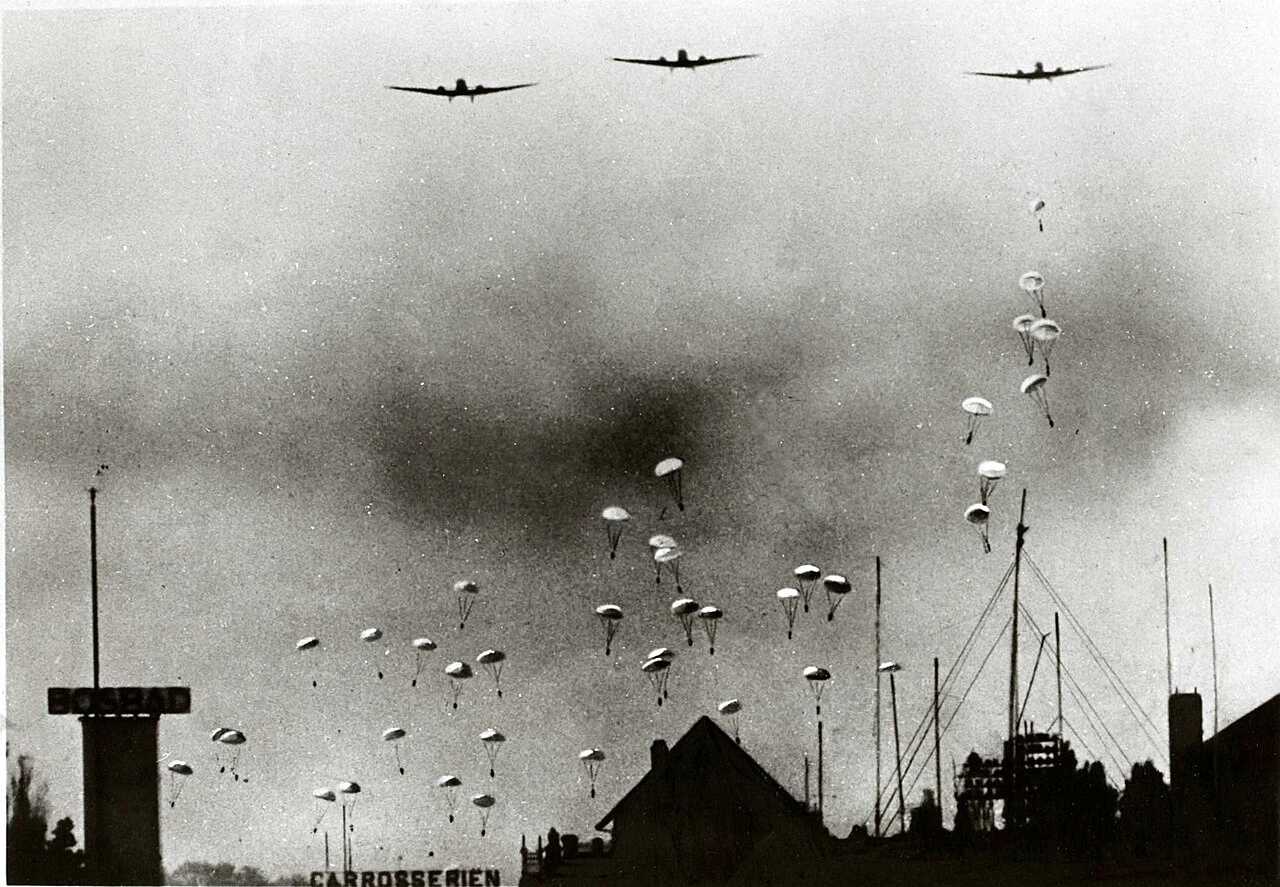
The paratroopers on The Hague
Valkenburg — paras on a grass strip
Ypenburg — German paras outside The Hague
The Houx weir
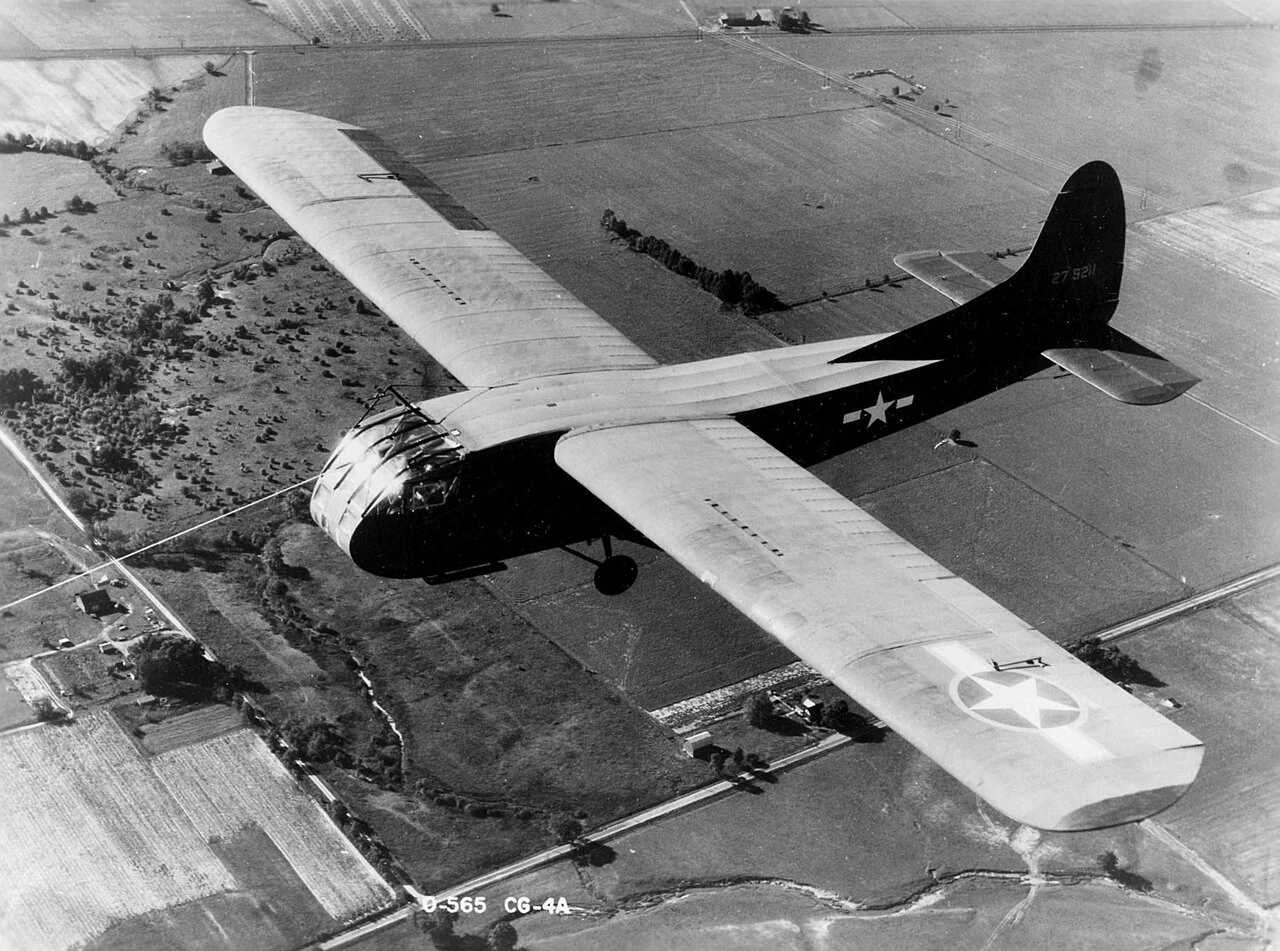
The coup de main on Ében-Émael
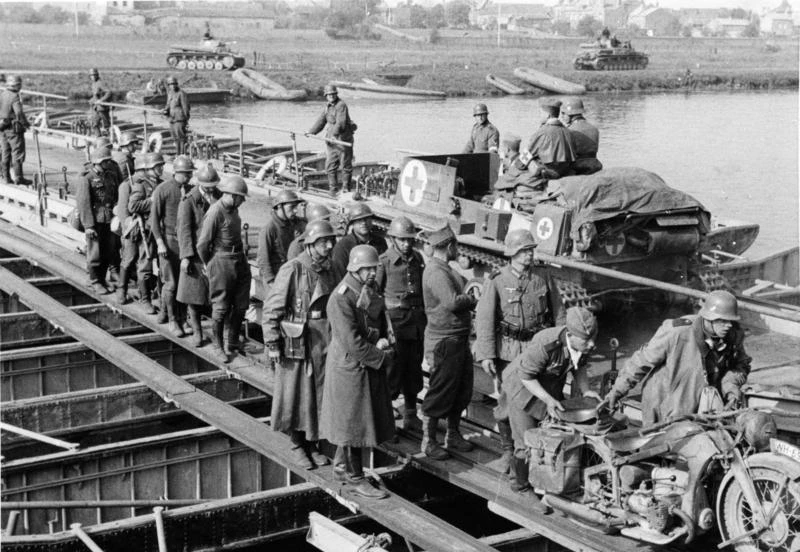
The deluge of Stukas over Sedan
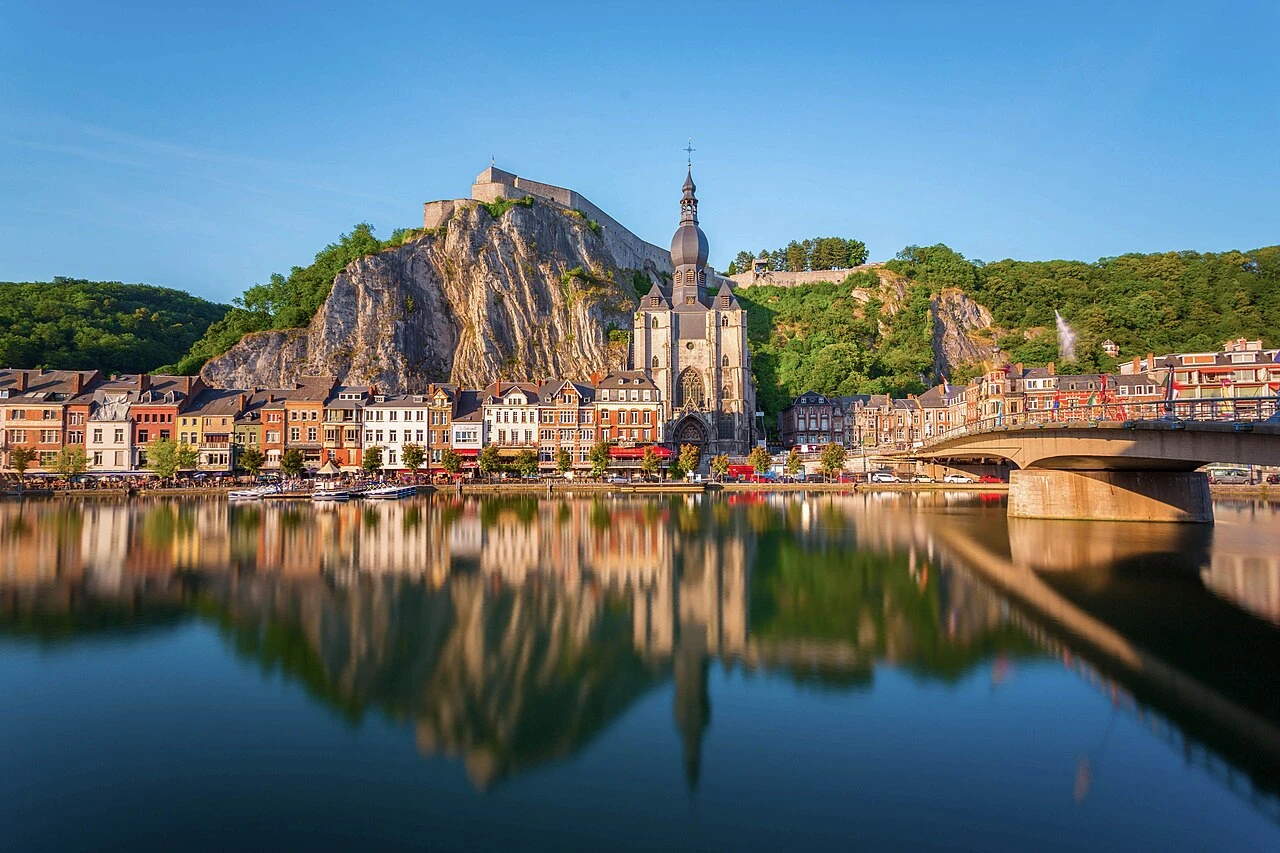
The crossing of the Meuse at Dinant
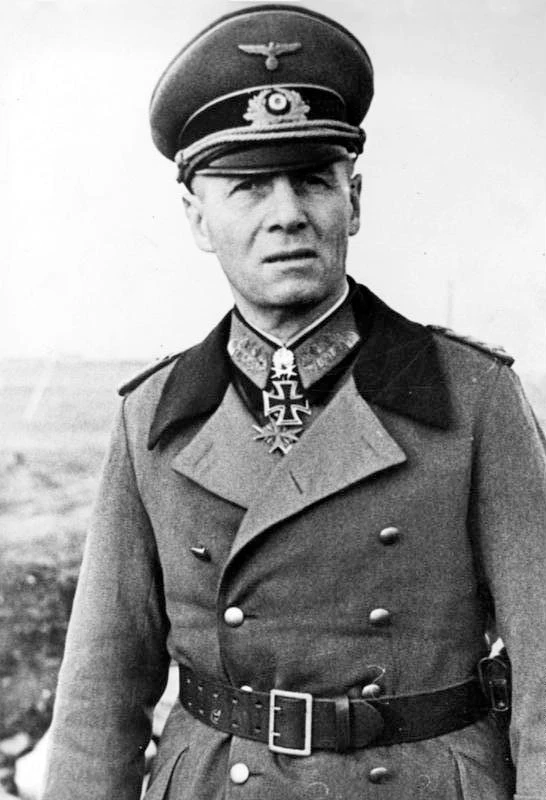
Rommel before the Meuse — Dinant, 13 May
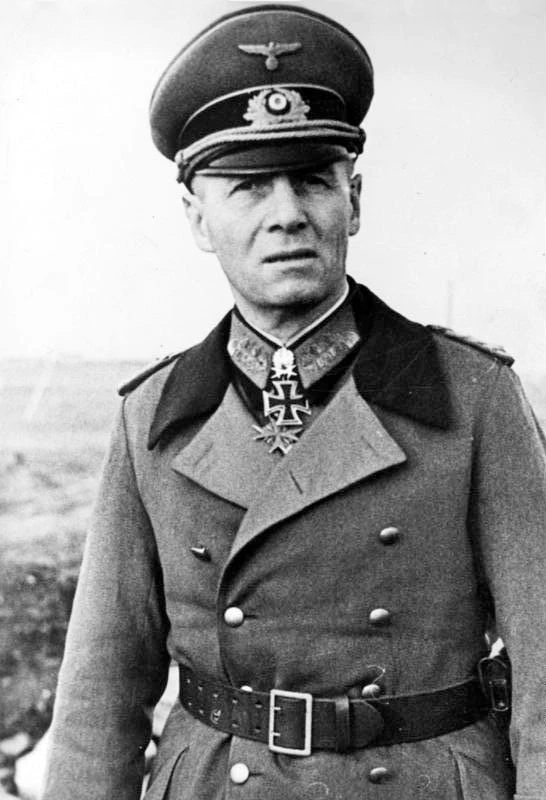
Rommel before the Serre — the Crécy bridge
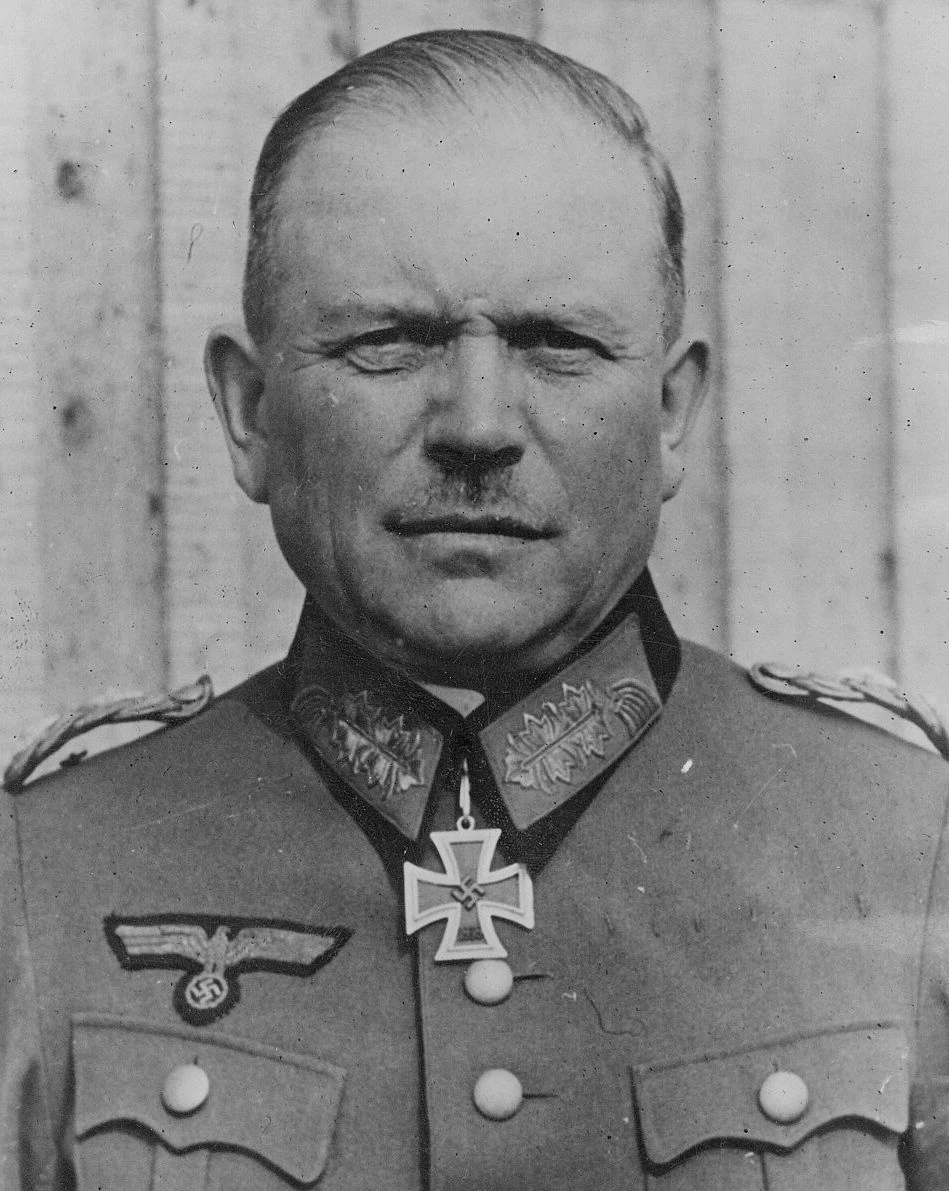
Sedan — Guderian on the Meuse
The paratroopers on The Hague
Valkenburg — paras on a grass strip
Ypenburg — German paras outside The Hague
The Houx weir
The coup de main on Ében-Émael
The deluge of Stukas over Sedan
The crossing of the Meuse at Dinant
Rommel before the Meuse — Dinant, 13 May
Rommel before the Serre — the Crécy bridge