
Mihailović alone at Ravna Gora
Colonel Dragoljub Mihailović, known as Draža, born in 1893, was before the invasion deputy to the chief of staff of the , in northern Bosnia. In April 1941, in less than two weeks, Yugoslavia collapsed under the Axis: Belgrade bombed, the army capitulated, the kingdom carved up between Germans, Italians, Hungarians, Bulgarians and the new Ustasha state of Croatia.
Refusing to lay down his arms, Mihailović crossed the Drina at the end of April with a small group of men and reached, in early May, the wooded plateau of Ravna Gora, on Mount Suvobor, in the heart of Serbia. There, perhaps, he expected to find an already constituted nucleus of resistance.
He found almost nothing: seven officers and a few dozen non-commissioned officers and soldiers, isolated, hunted, with no link to the Allies or to the royal government taking refuge in London. The country is criss-crossed by the occupier, denunciation looms, and reprisals against civilians threaten to be ferocious.
Faced with this disaster, the officer must choose the very nature of his struggle. To raise an armed guerrilla immediately would draw bloody reprisals; to build patiently a clandestine intelligence network would preserve his forces; to disperse would spare lives but abandon all organised resistance.
Should Mihailović launch an armed insurrection at once, first organise a clandestine network while awaiting the Allies, or disband his group and melt into the population?
Mihailović chose A: at Ravna Gora, he founded the 'Command of the Chetnik Detachments of the Yugoslav Army' and set about structuring a resistance that was at first underground, centred on intelligence and on making contact with the Allies — his first radio link with London would not be established until September 1941. Historians stress that at this stage he did not necessarily envisage an open armed guerrilla, judging it premature to expose the Serb populations to reprisals. This movement, known as that 'of Ravna Gora', would become the heart of the royalist Chetniks. Later in the year a rival organisation would arise, Tito's communist Partisans; opposed by ideology, strategy and mutual distrust, the two camps would slide towards open confrontation by the end of 1941.
Learn more about this event
Related polls
10
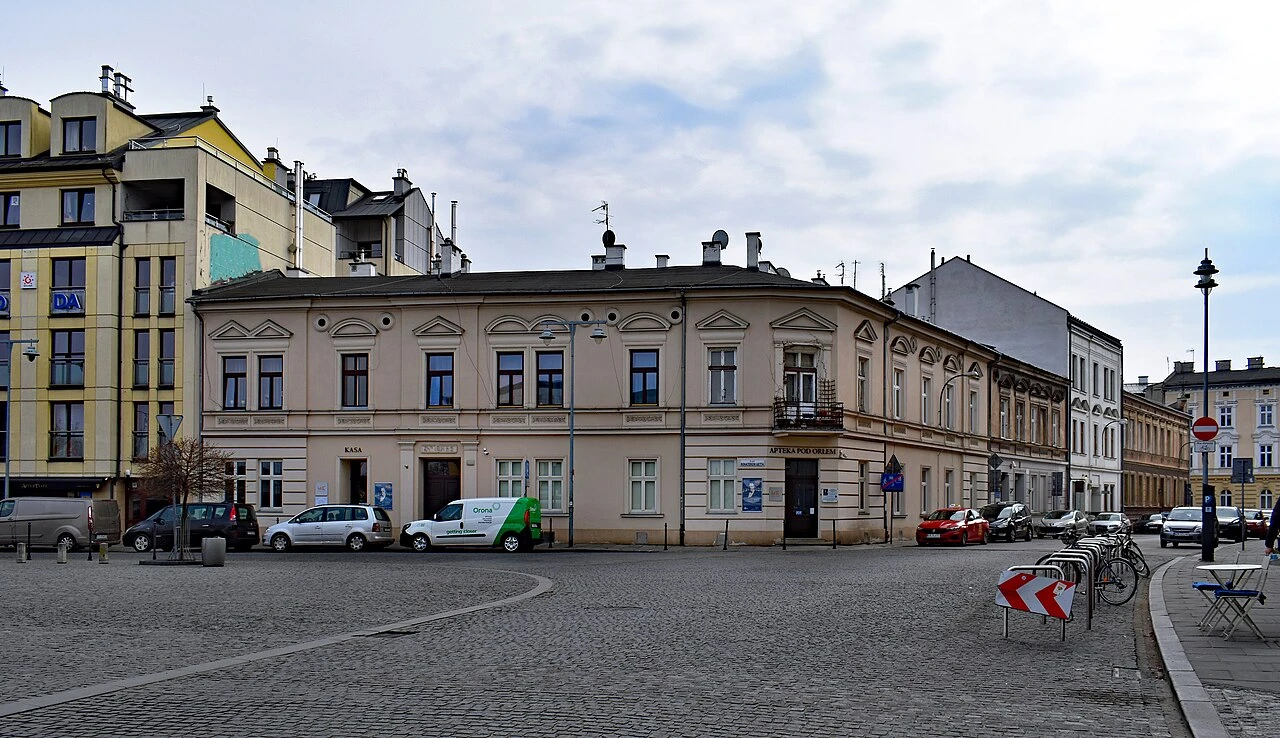
The apothecary of the Kraków Ghetto
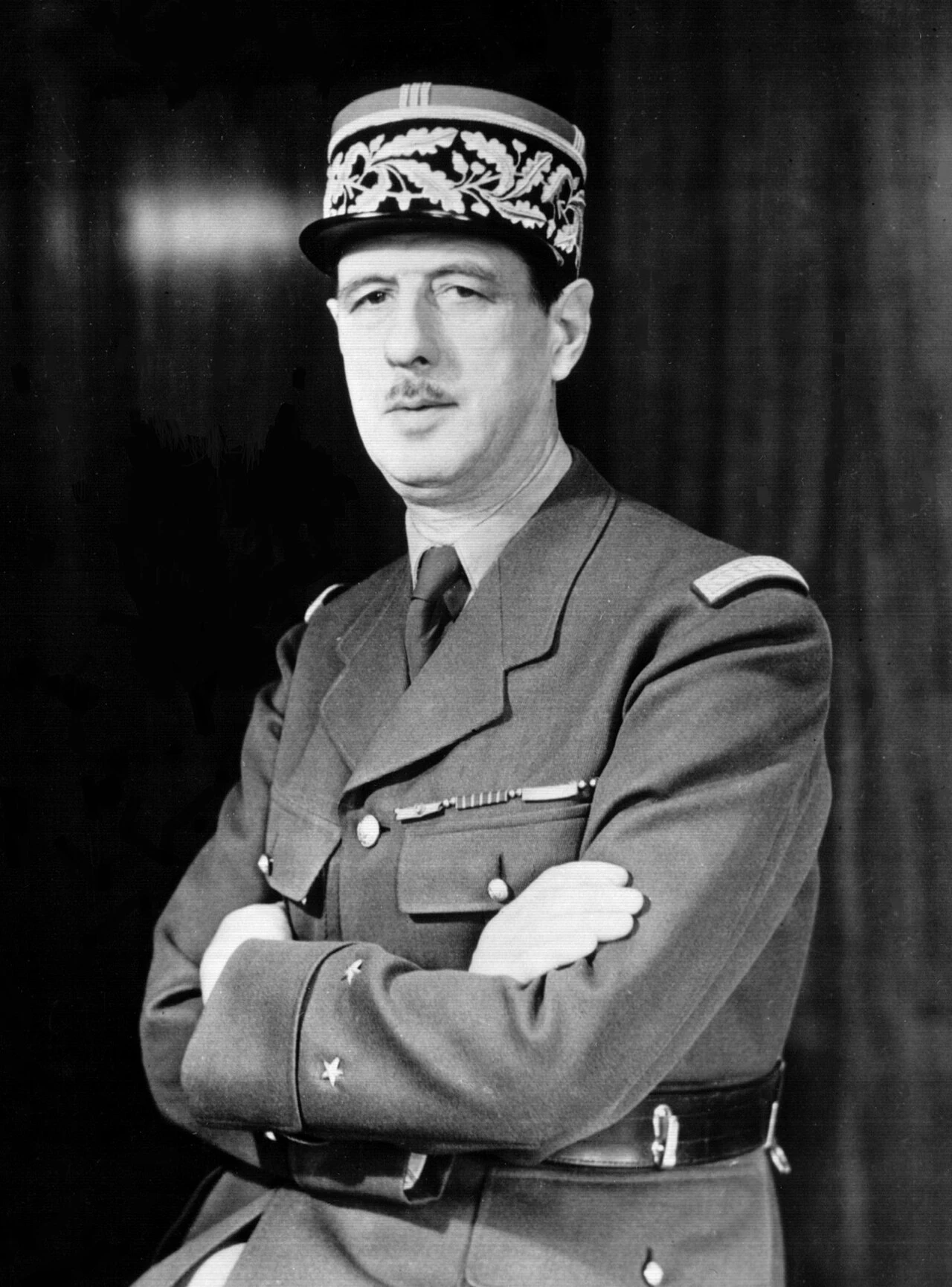
De Gaulle at the BBC microphone — 18 June, 18:00
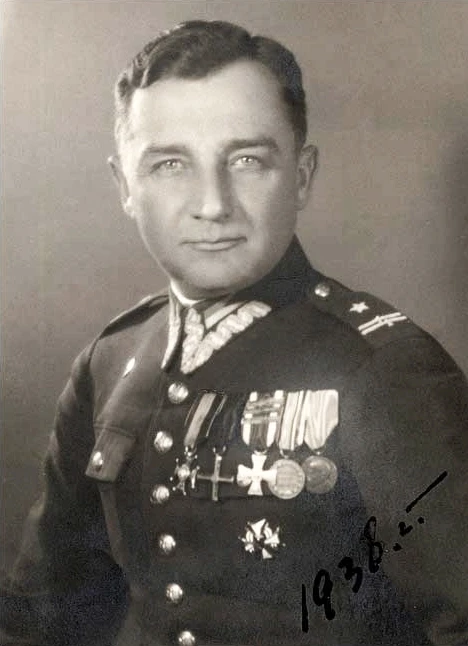
Hubal — after the order to disband
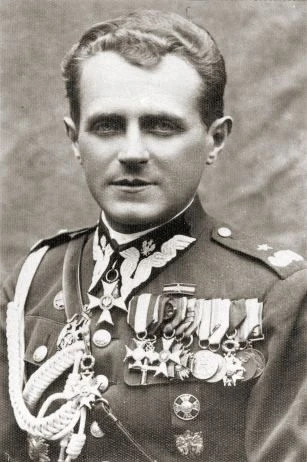
Karaszewicz-Tokarzewski — Founding the SZP
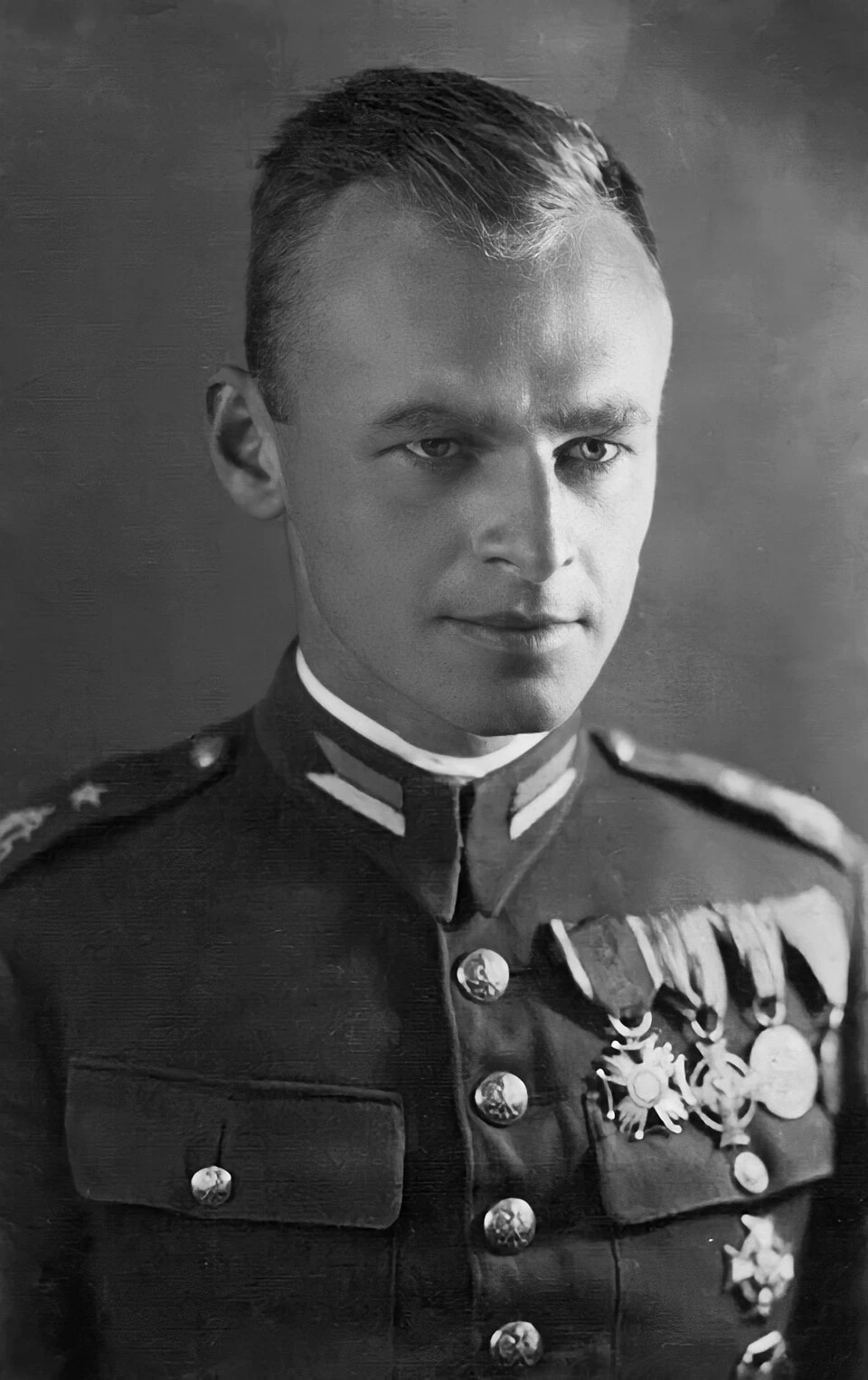
Pilecki — founding the TAP
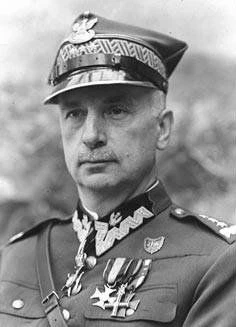
Sosnkowski — KSK, 27 November
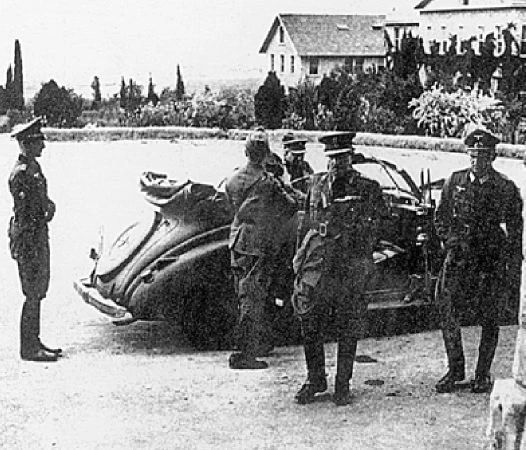
Tsolakoglou and the surrender of the Greek army
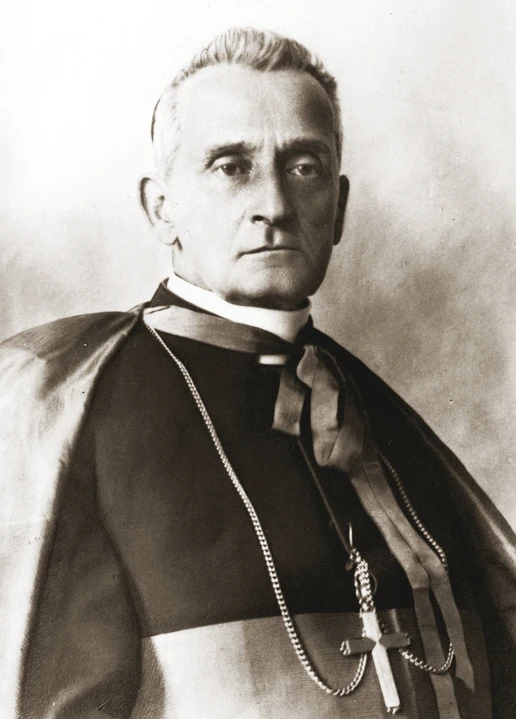
Cardinal Sapieha — Krakow under Occupation
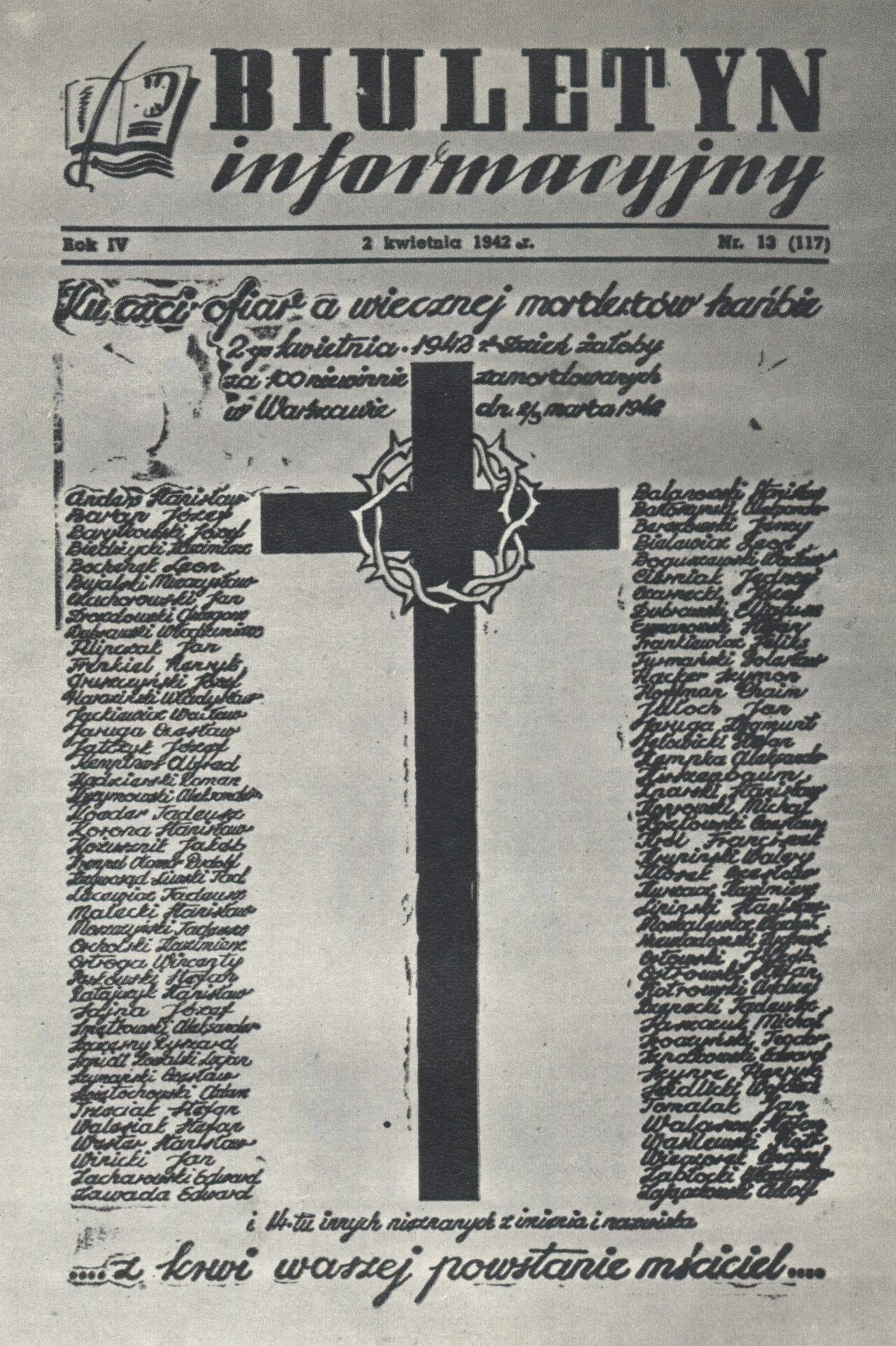
Kamiński and the Biuletyn — 5 November
The University of Warsaw under the Bombs
The apothecary of the Kraków Ghetto
De Gaulle at the BBC microphone — 18 June, 18:00
Hubal — after the order to disband
Karaszewicz-Tokarzewski — Founding the SZP
Pilecki — founding the TAP
Sosnkowski — KSK, 27 November
Tsolakoglou and the surrender of the Greek army
Cardinal Sapieha — Krakow under Occupation
Kamiński and the Biuletyn — 5 November