
Estonia — Päts Facing the Ultimatum
, sixty-five, has led Estonia since 1934, the year of the constitutional coup that installed a semi-authoritarian regime far removed from the original parliamentarism; he was elected president in 1938 under the new Constitution. The country has 1.1 million inhabitants and an army of 16,000 men in active service, and proclaimed its neutrality on 1 September 1939.
The crisis breaks with the escape of the ORP Orzel, which slips out of Tallinn during the night of 17-18 September 1939. Moscow at once accuses Estonia of "defective neutrality" for having let a Polish belligerent submarine go. On 24 September the Estonian Foreign Minister is summoned urgently to the Kremlin, where Molotov presents an ultimatum: sign a treaty of mutual assistance opening Soviet military bases in Estonia, failing which the 160,000 men of the , already massed at the frontier, will invade.
Selter returns to Tallinn on 25 September, and the Council of State gathered around Päts measures the impasse. Military resistance is impossible — sixteen thousand men against a hundred and sixty thousand; London has let it be known sotto voce that it cannot intervene in the Baltic; Helsinki has not the means for a military intervention; and any German protection is ruled out, Berlin having already ceded the Baltic states to Moscow by the pact of 23 August.
Päts must take his decision on 26 September.
What decision does President Päts take on 26 September?
Päts chooses A. On 28 September 1939, in Moscow, Selter signs the Treaty of Mutual Assistance between Estonia and the USSR. Terms: 25,000 Soviet soldiers may be stationed in Estonia; naval and air bases at Paldiski, Haapsalu, and on the island of Saaremaa; no interference in Estonian internal affairs (on paper). On 5 October a similar treaty is signed by Latvia. On 10 October, by Lithuania (with the additional restitution of Vilnius, which the Soviets had just conquered in the Polish partition). The Soviet military bases are installed. For eight months the nominal sovereignty of the Baltic states is respected. But on 16 June 1940 Moscow presents a second ultimatum: formation of pro-Soviet governments, authorisation for unlimited entry of Soviet troops. Päts accepts (he has no choice). On 6 August 1940 Estonia is annexed to the USSR as the Estonian SSR. Päts is arrested in July 1940 by the NKVD, deported to Bashkiria and then Kalinin. He dies in 1956 in a Soviet psychiatric hospital, never having seen Estonia again. Restored to public memory after Estonian independence (1991), his ashes are repatriated in 1990. The decision of September 1939 remains a historiographical debate: capitulation, or tragic realism?
Learn more about this event
Related polls
10
Anders in the Lubyanka
Beck in Bucharest — the Internee
Cardinal Sapieha — Krakow under Occupation
Czerniaków — the offer of the Judenrat

Daladier — Thorez's Defection
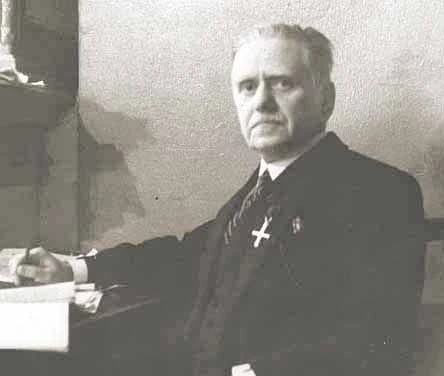
Horthy — faced with the German demand
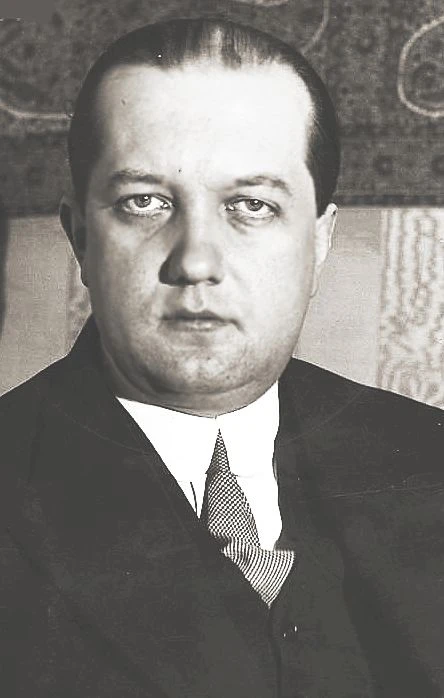
Latvia — Ulmanis and the ultimatum of 5 October

Moscicki — the Succession from Bicaz
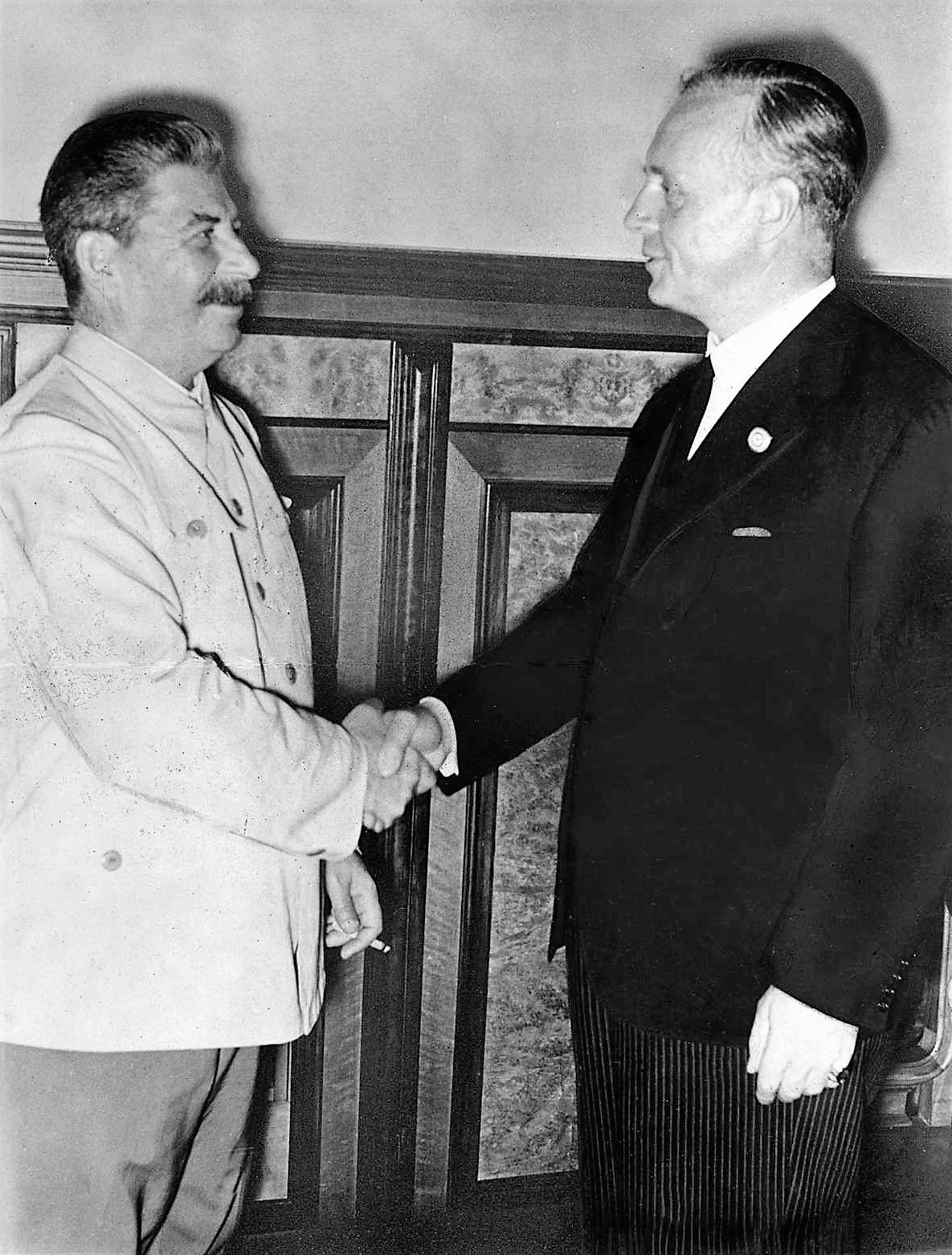
Ribbentrop in Moscow — the Accord of 28 September
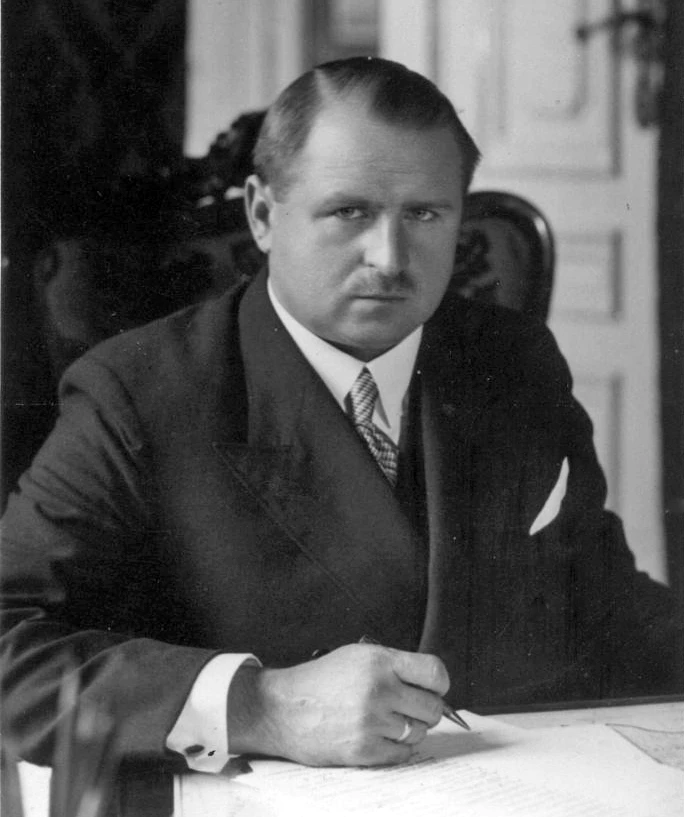
Starzyński — Mówi Warszawa
Anders in the Lubyanka
Beck in Bucharest — the Internee
Cardinal Sapieha — Krakow under Occupation
Czerniaków — the offer of the Judenrat
Daladier — Thorez's Defection
Horthy — faced with the German demand
Latvia — Ulmanis and the ultimatum of 5 October
Moscicki — the Succession from Bicaz
Ribbentrop in Moscow — the Accord of 28 September