
Valletta, Fiat and the German Occupier
After the Italian armistice of 8 September 1943, the Germans occupied northern Italy. Turin fell under their control, and Fiat, the country's foremost industrial group, came under the tutelage of the Reich's armament organisation. , managing director since 1928, saw the demands pour in: trucks, engines, war materiel for the Wehrmacht.
The Germans threatened. Production deemed insufficient could lead to the arrest of executives, the seizure of the factories, even the dismantling of the machine tools to transfer them to Germany. But to collaborate fully meant arming the occupier and betraying a country already turned against the Axis.
Valletta was not a member of the Fascist party; his sympathies lay elsewhere. He had to decide how to manoeuvre between German pressure, workers rising up, and an increasingly uncertain end to the war.
Under German occupation, what stance should Valletta take toward the Reich's war-production demands?
Valletta played a double game. He kept the factories nominally running to avoid their dismantling and the transfer of machinery to Germany, while multiplying pretexts to slow down and hamper armament production destined for the Reich. At the same time, Fiat provided clandestine financial support to the Resistance and tolerated internal sabotage by the workers' cells. At the Liberation this line earned him accusations of collaboration (and a temporary ousting by the liberation committees) before he was rehabilitated; the Mirafiori plant and its tooling were thus largely preserved for postwar reconstruction.
Learn more about this event
Related polls
10
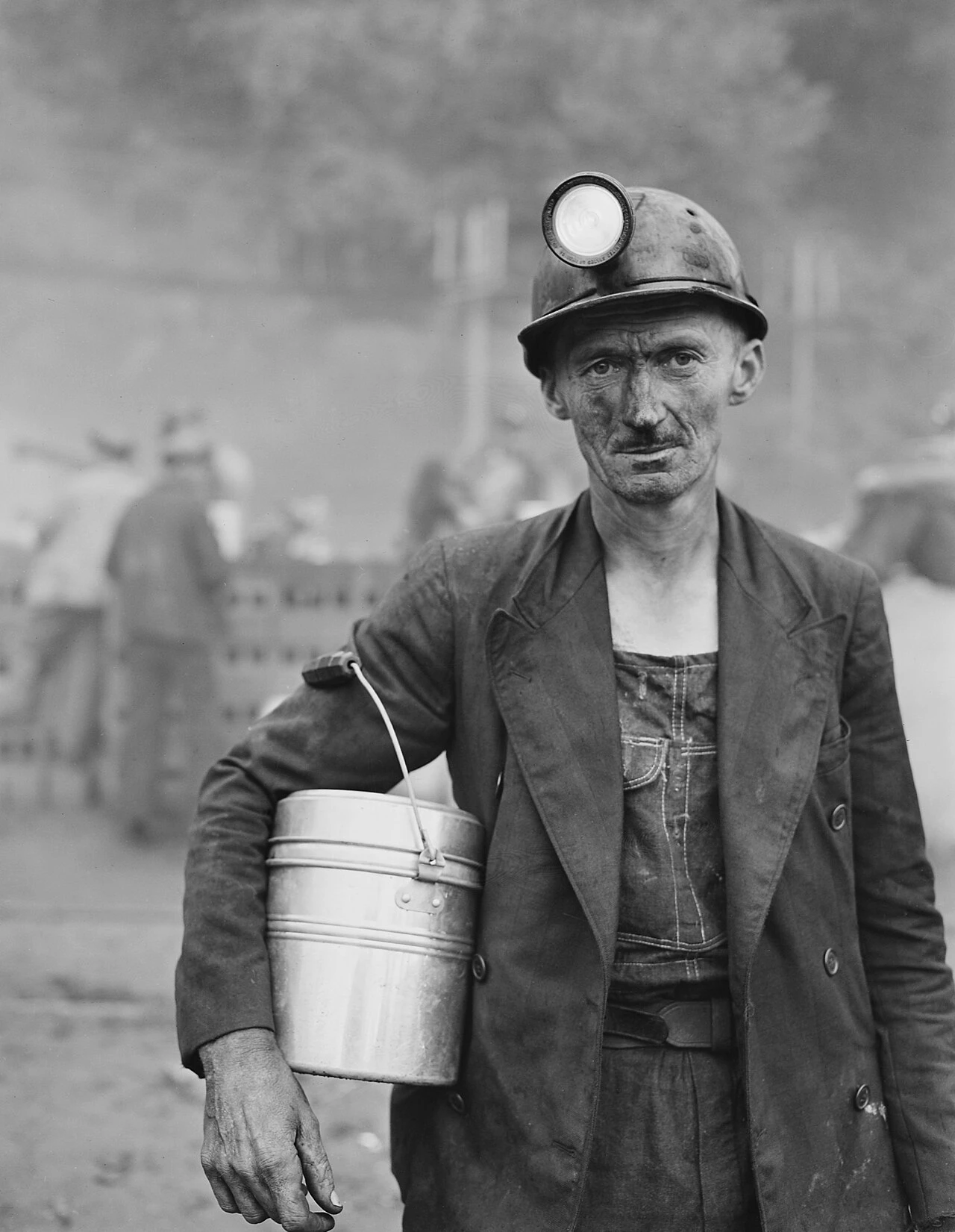
At the Dahomey pit, the morning of team-rate pay
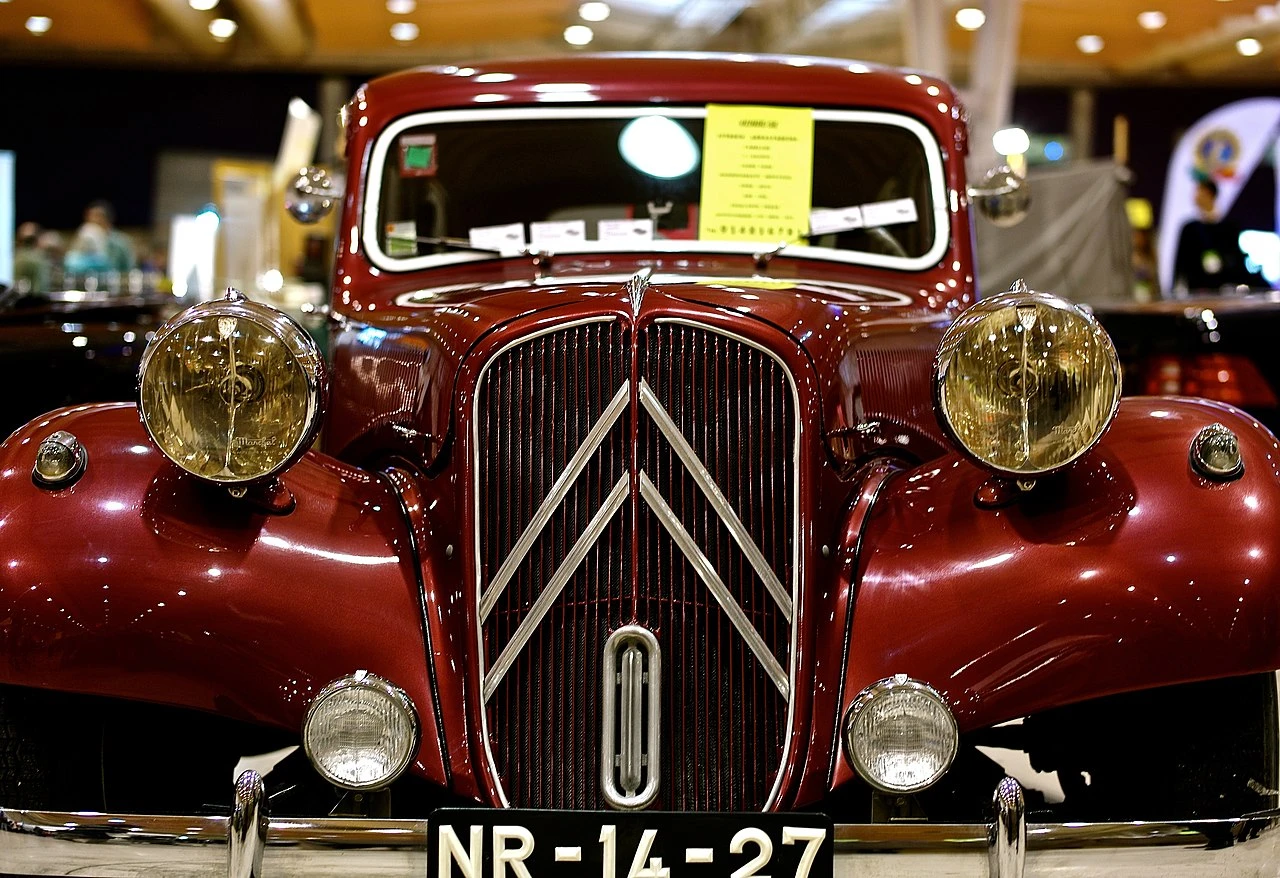
Boulanger and the Reich's trucks
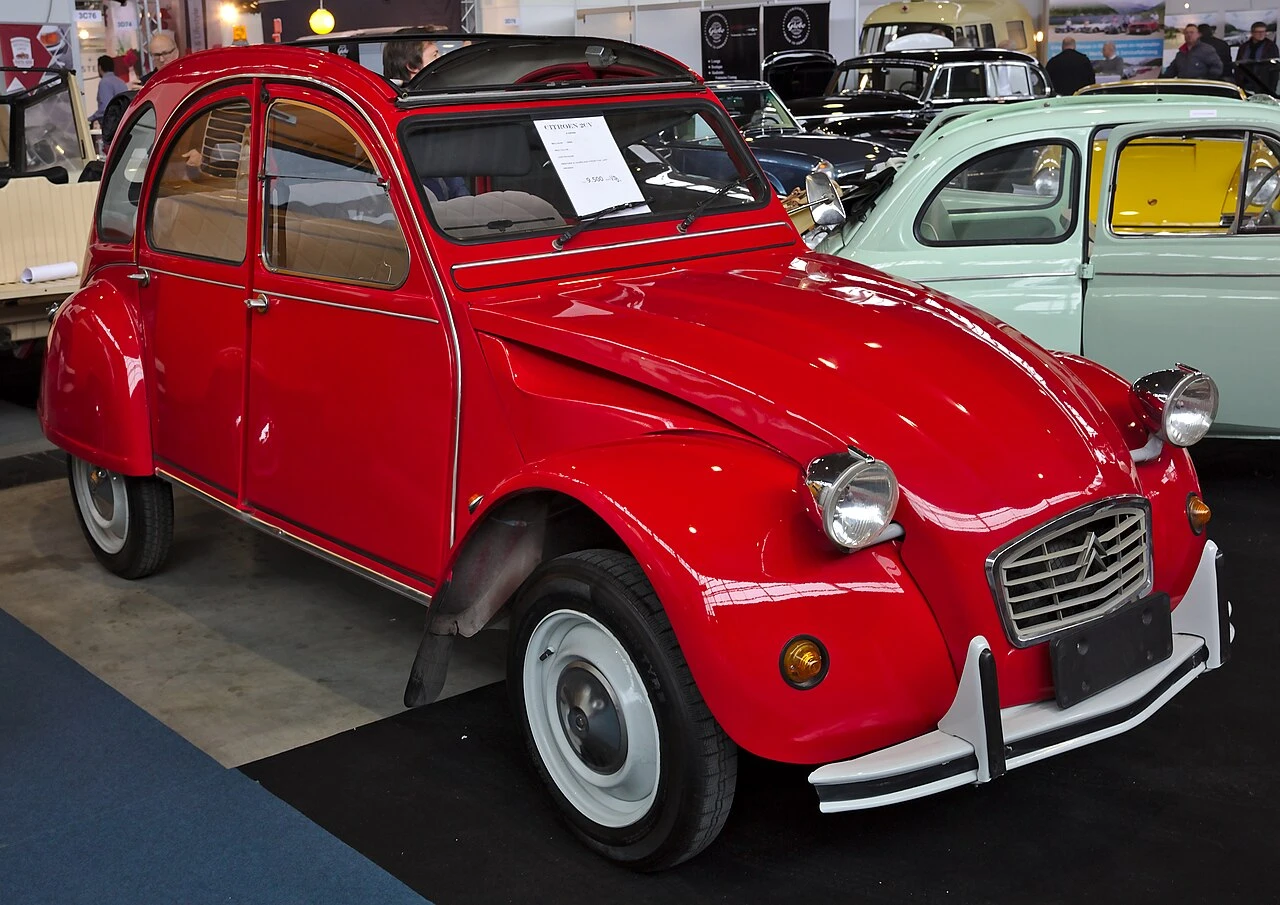
Citroën, the occupier and the secret little car

Citroën under the Occupation: the boss faces German orders
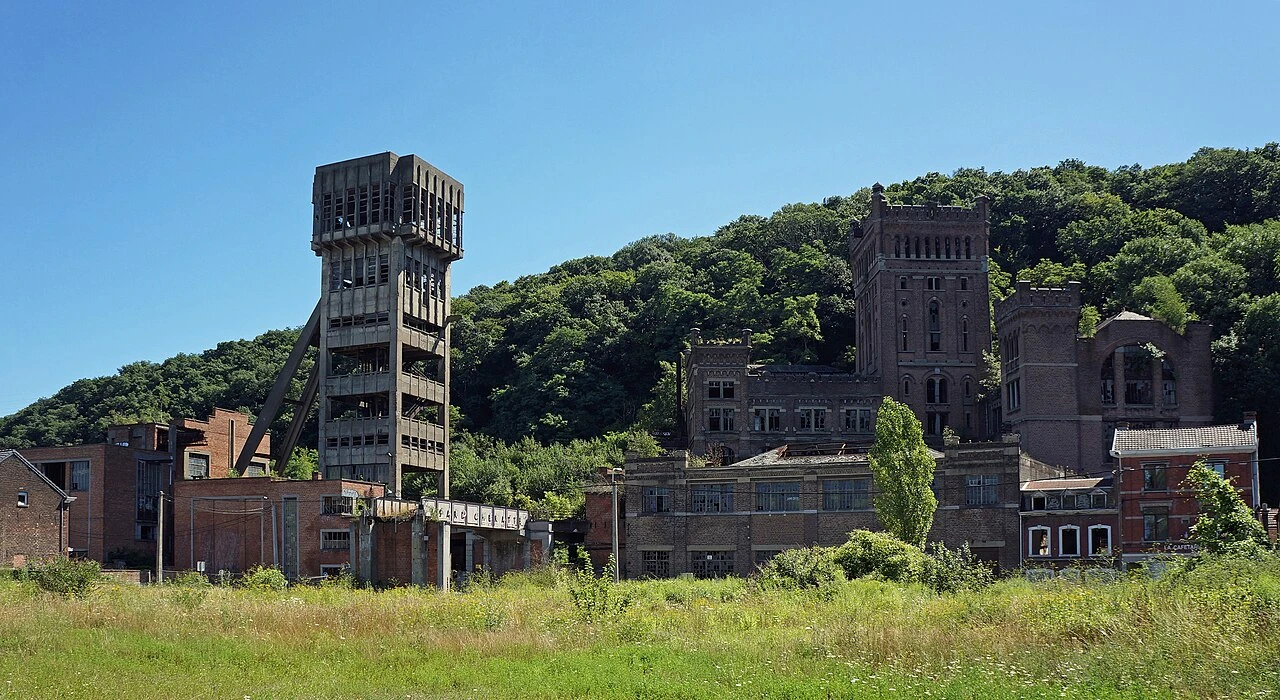
Campine Coal and the Hunger of Year One
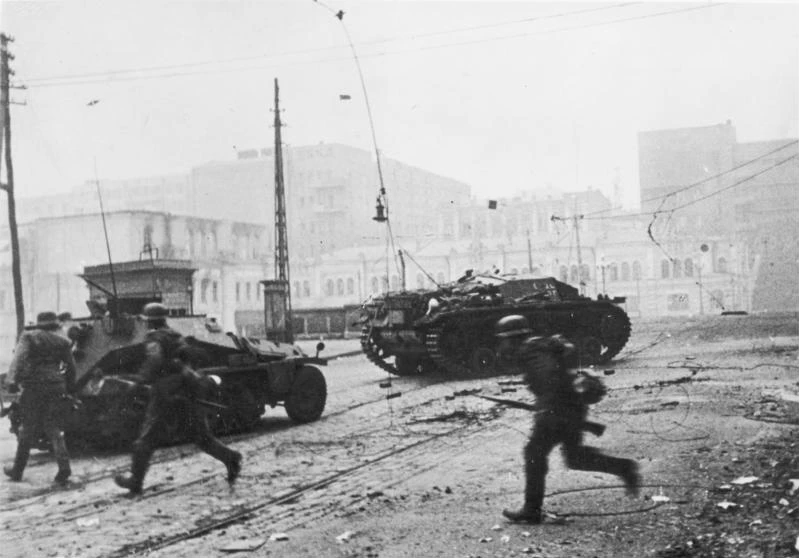
Soviet Sappers at Kharkov
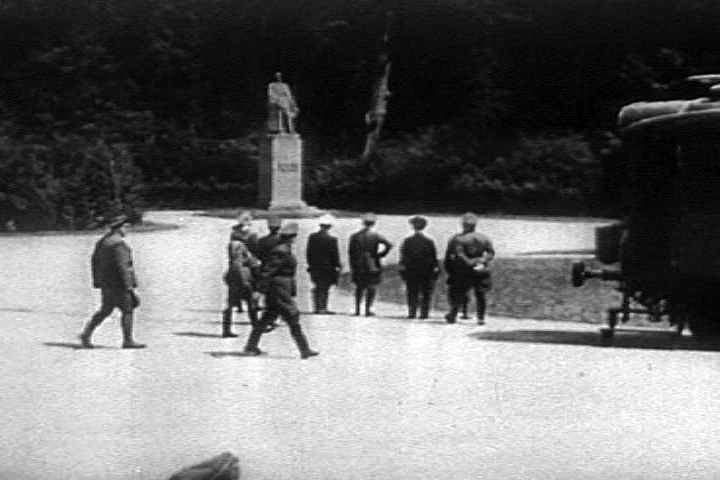
The weapons of the armistice — a secret beneath the table at Wiesbaden
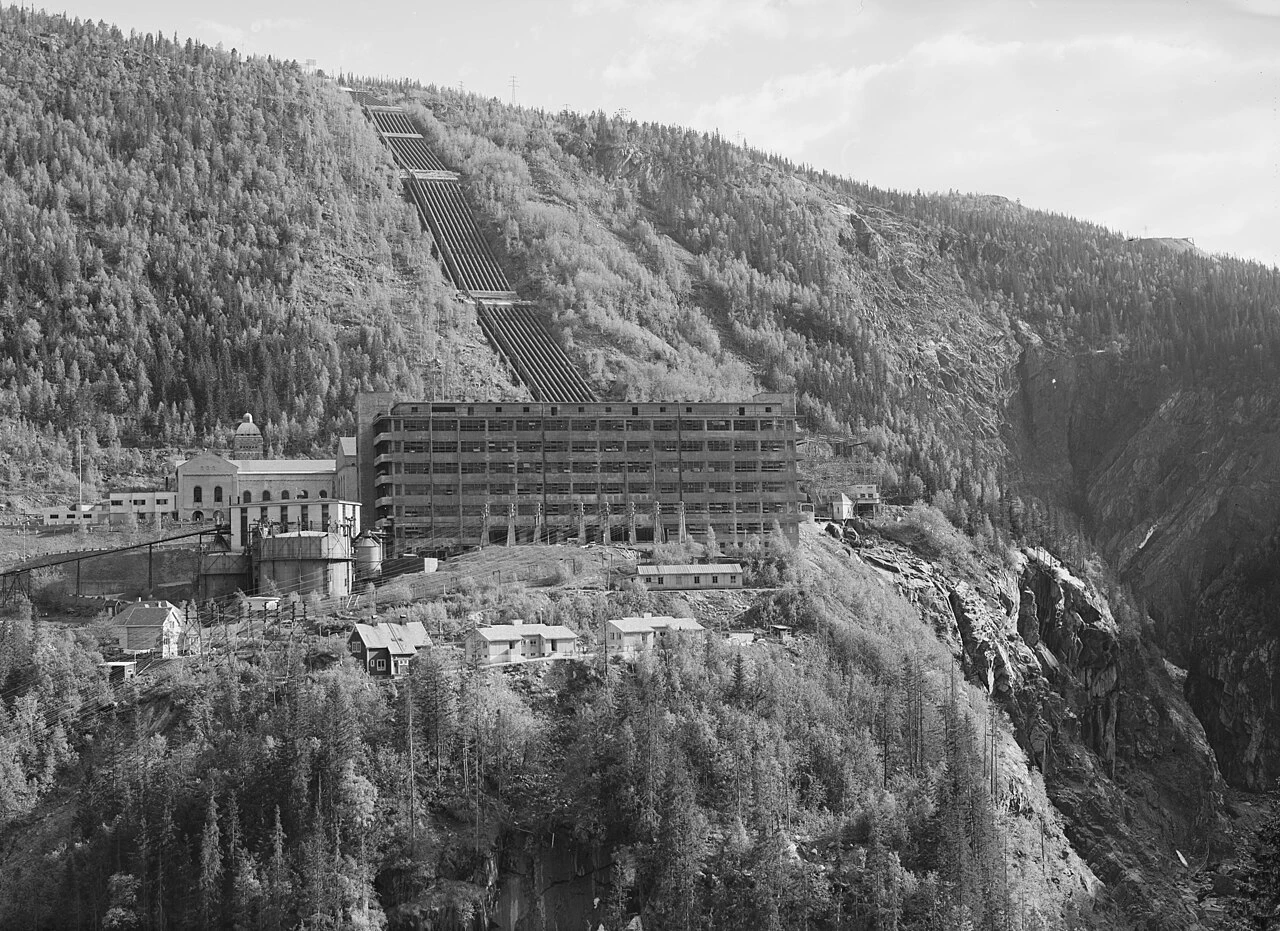
The enemy's coal or the ally's
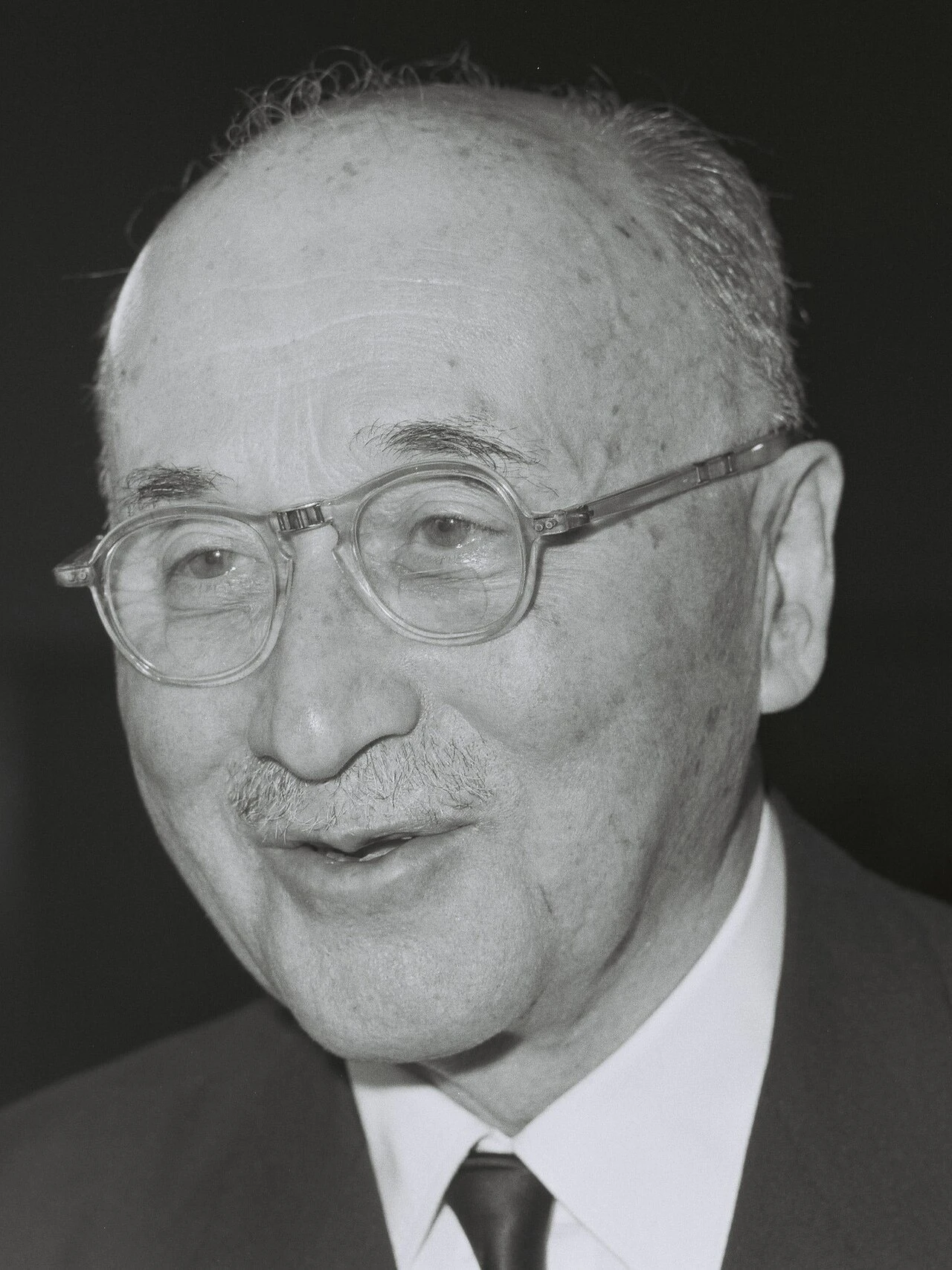
Buy Each for Themselves or with a Single Voice
Amsterdam, February 1941 — after the round-up
At the Dahomey pit, the morning of team-rate pay
Boulanger and the Reich's trucks
Citroën, the occupier and the secret little car
Citroën under the Occupation: the boss faces German orders
Campine Coal and the Hunger of Year One
Soviet Sappers at Kharkov
The weapons of the armistice — a secret beneath the table at Wiesbaden
The enemy's coal or the ally's
Buy Each for Themselves or with a Single Voice