
Langsdorff at Montevideo — 17 December
After the battle of 13 December 1939 the Graf Spee enters the port of Montevideo (neutral Uruguay) for urgent repairs: her fuel-purification system is destroyed (without it the ship cannot cross the North Atlantic), 36 dead crew to bury, wounded to hospitalise, supplies to take on. Under the Hague Convention of 1907 a belligerent ship may remain twenty-four hours in a neutral port, extendable for strictly necessary repairs.
Kapitän Langsdorff, 45, must juggle British pressure and German orders. The British ambassador skilfully spreads the rumour that massive Royal Navy reinforcements are converging on the River Plate, when in fact only Ajax and Achilles are waiting offshore. President of Uruguay grants 72 hours for repairs — the deadline expiring at 20:00 on 17 December 1939.
Berlin sends contradictory instructions. Hitler demands a fight outside the harbour rather than surrender or internment, which would be politically humiliating. But the German legation in Montevideo (chargé d'affaires ) acknowledges that no German support force can reach the River Plate inside twenty-one days. Sailing out means facing the British cruisers (and the reinforcements thought to be imminent) in open water.
Langsdorff must decide before the Uruguayan deadline runs out.
What to do when the Uruguayan deadline expires on 17 December 1939?
Langsdorff applies B. On 17 December 1939 at 18:54 the Graf Spee weighs anchor and edges out of Montevideo bay under the eyes of 700,000 Uruguayan spectators packed onto the quays, according to local newspapers. At 19:55, beyond the roadstead, the crew of 1,020 men transfer to the German freighter Tacoma waiting for them. At 20:00 the explosive charges Langsdorff has laid blow — six successive detonations, the ship settles into seven metres of water. Iconic images flash around the world. Langsdorff, a guest in Buenos Aires (Argentina being more accommodating than Uruguay), arranges the administrative internment of his crew with the Argentine government (1,020 men interned until the end of 1946), writes letters to his family and to Admiral Raeder. On 20 December 1939 at 23:00, in his hotel room in Buenos Aires, Langsdorff shoots himself in the temple, wrapped in the Imperial German ensign — not the Nazi flag — signifying that he dies as an officer of the traditional navy. Buried in the German cemetery in Buenos Aires with British military honours (a gesture from Harwood). His decision divides Germany and the world. In January 1940 Hitler orders that any future similar situation must end in a fight to the death — a policy that will be applied to the Tirpitz and the Bismarck.
Learn more about this event
Related polls
10
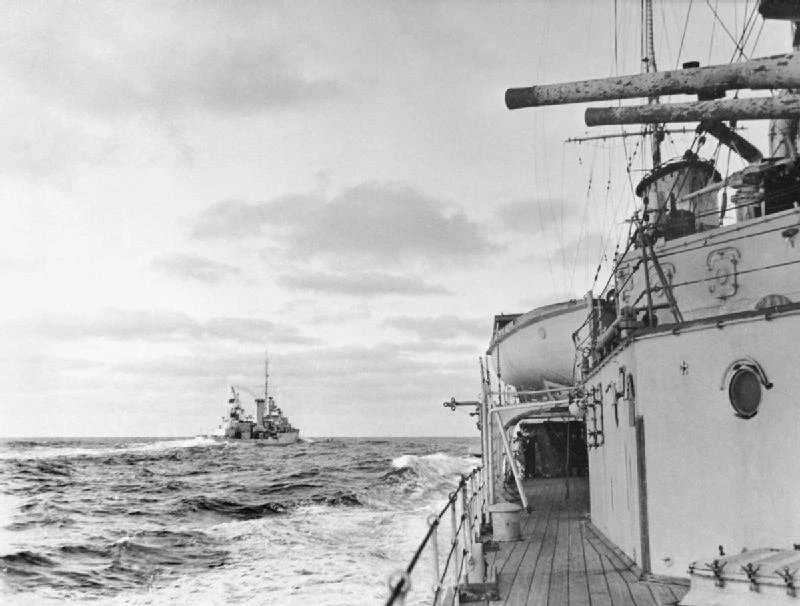
Harwood against the Graf Spee
Borakowski and the merchant fleet
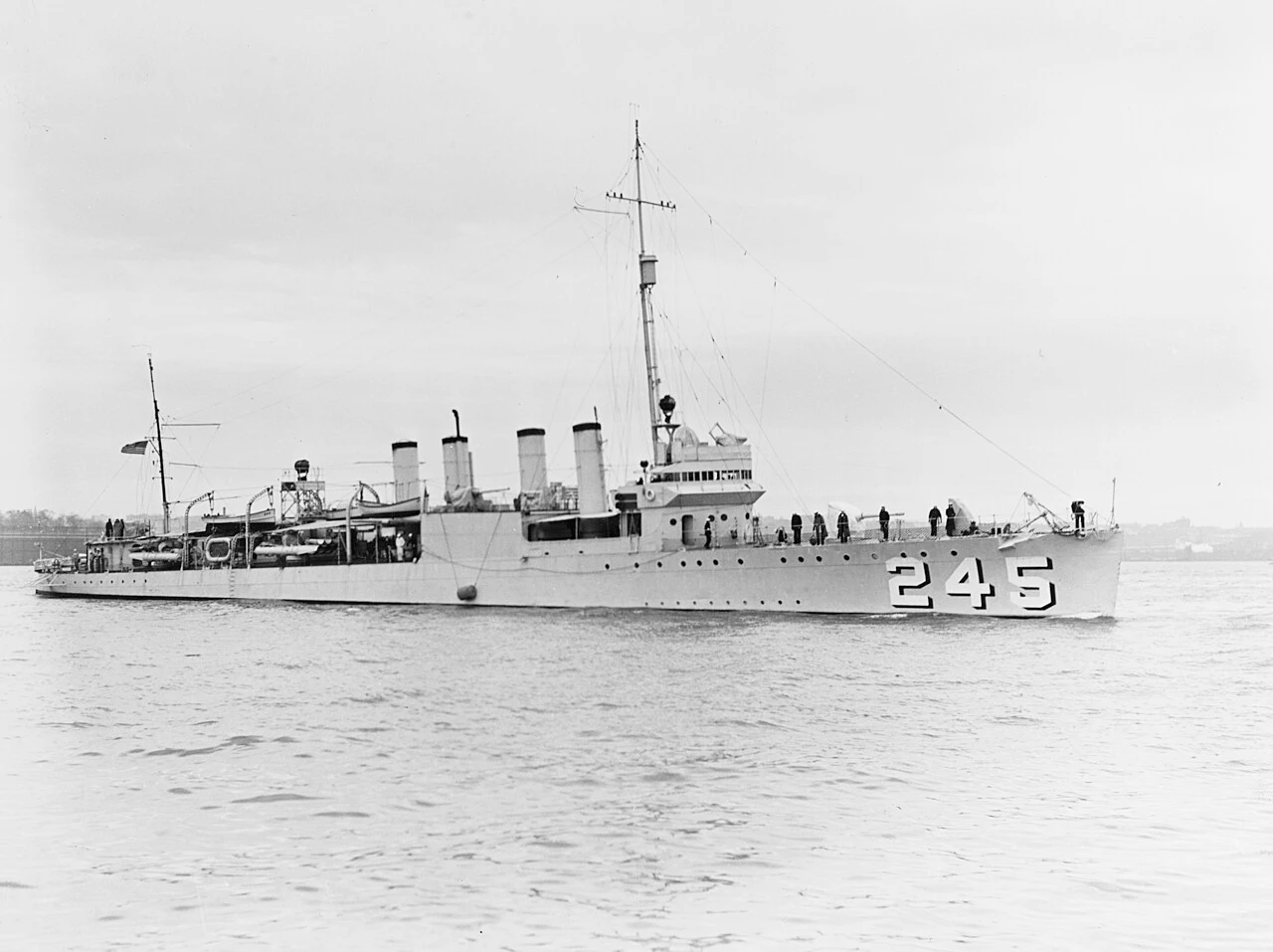
The Reuben James Sinks: The Undeclared War
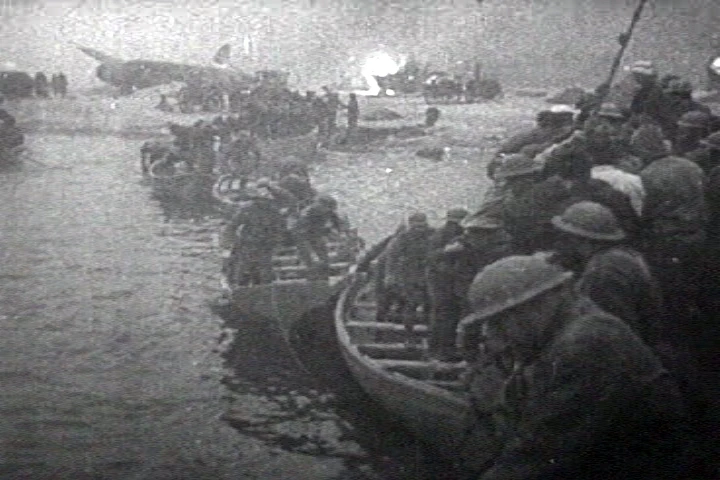
Ramsay — Dover, 14:23
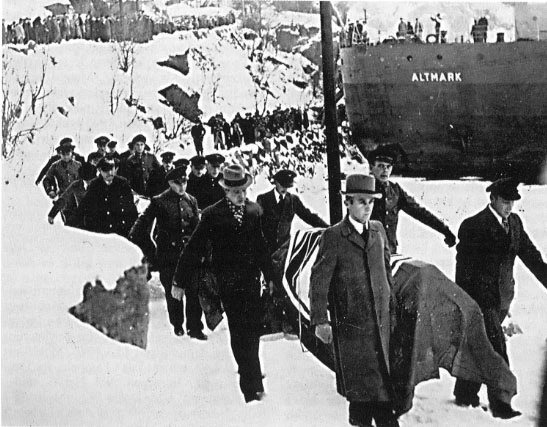
Vian in the Jøssingfjord
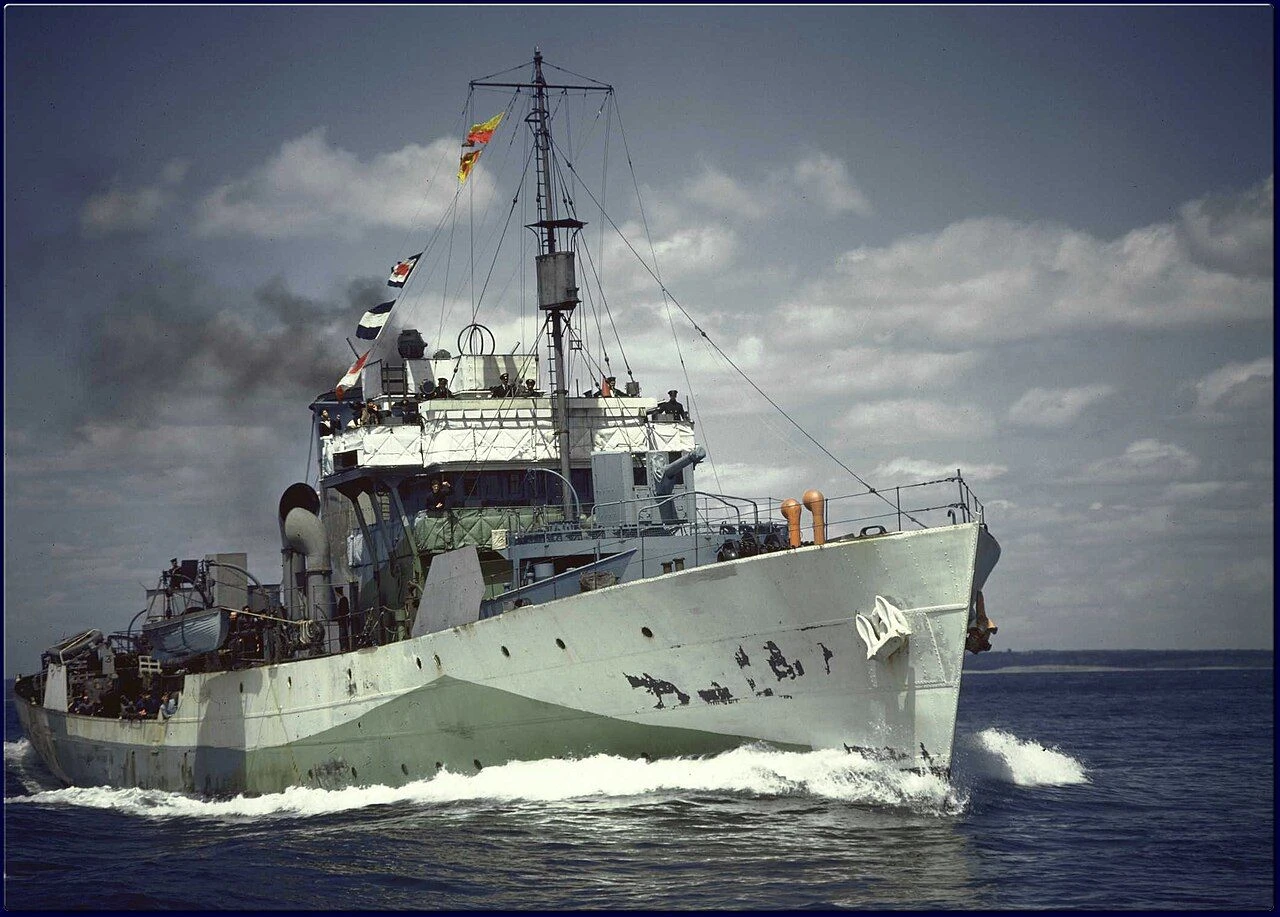
Convoy HX 21 — Wake-Walker at Halifax
Vinson and the Two-Ocean Navy Act
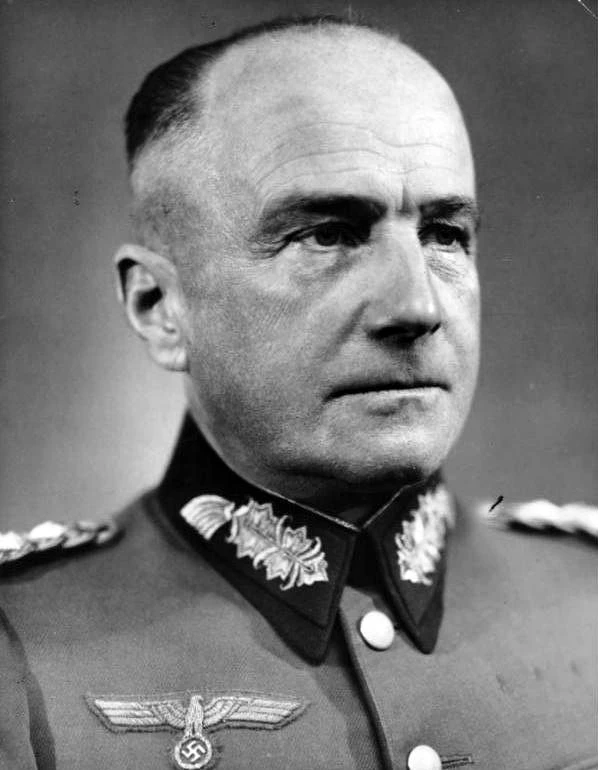
Brauchitsch — Reich Chancellery, 5 November
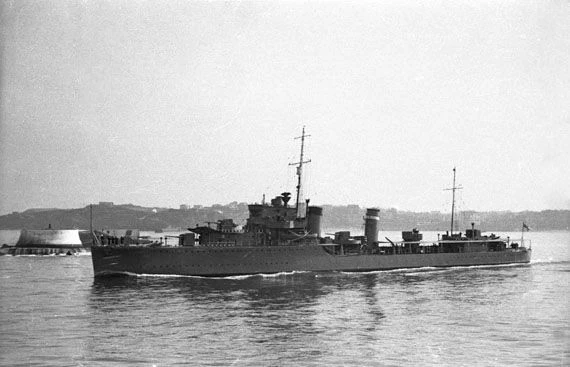
HMS Exmouth in the Moray Firth
HMS Rawalpindi — Kennedy at 3:47 p.m.
Harwood against the Graf Spee
Borakowski and the merchant fleet
The Reuben James Sinks: The Undeclared War
Ramsay — Dover, 14:23
Vian in the Jøssingfjord
Convoy HX 21 — Wake-Walker at Halifax
Vinson and the Two-Ocean Navy Act
Brauchitsch — Reich Chancellery, 5 November
HMS Exmouth in the Moray Firth