
The Belgian military aeronautics, modest and partly equipped with obsolete aircraft, nevertheless had a few modern machines. At dawn on 10 May 1940, the Luftwaffe launched massive strikes against the airfields of Belgium, the Netherlands and France, seeking to destroy the opposing air forces on the ground, before they could even take off.
The Belgian command knew, in theory, that a surprise attack would target its airfields. The question was one of dispersal. Keeping the aircraft concentrated on the main bases eased maintenance and use, but made them ideal targets. Dispersing them to country fields protected them, but disrupted maintenance and command.
The command could pre-emptively disperse its aircraft to secondary fields to keep them out of the bombardments. It could keep them concentrated on the bases so as to commit them quickly and en masse. Or it could try to put them on take-off alert at the first alarms. The fate of the small Belgian air force was decided in the first minutes of the war.
Should the Belgian command disperse its aircraft, keep them concentrated, or rely on take-off alert?
The protection proved insufficient (close to B): on the morning of 10 May, the Luftwaffe strikes destroyed a large part of the Belgian air force on the ground, on its airfields, before it could react. The same fate struck part of the Dutch and Allied air forces. Deprived of air cover, the Belgian defence was handicapped from the outset. The few Belgian aircraft that managed to take off fought with courage but could not turn the tide. The destruction of air forces on the ground, a central principle of the first phase of a modern air offensive, deprived the defenders of a decisive asset in the very first hours.
Learn more about this event
Related polls
10
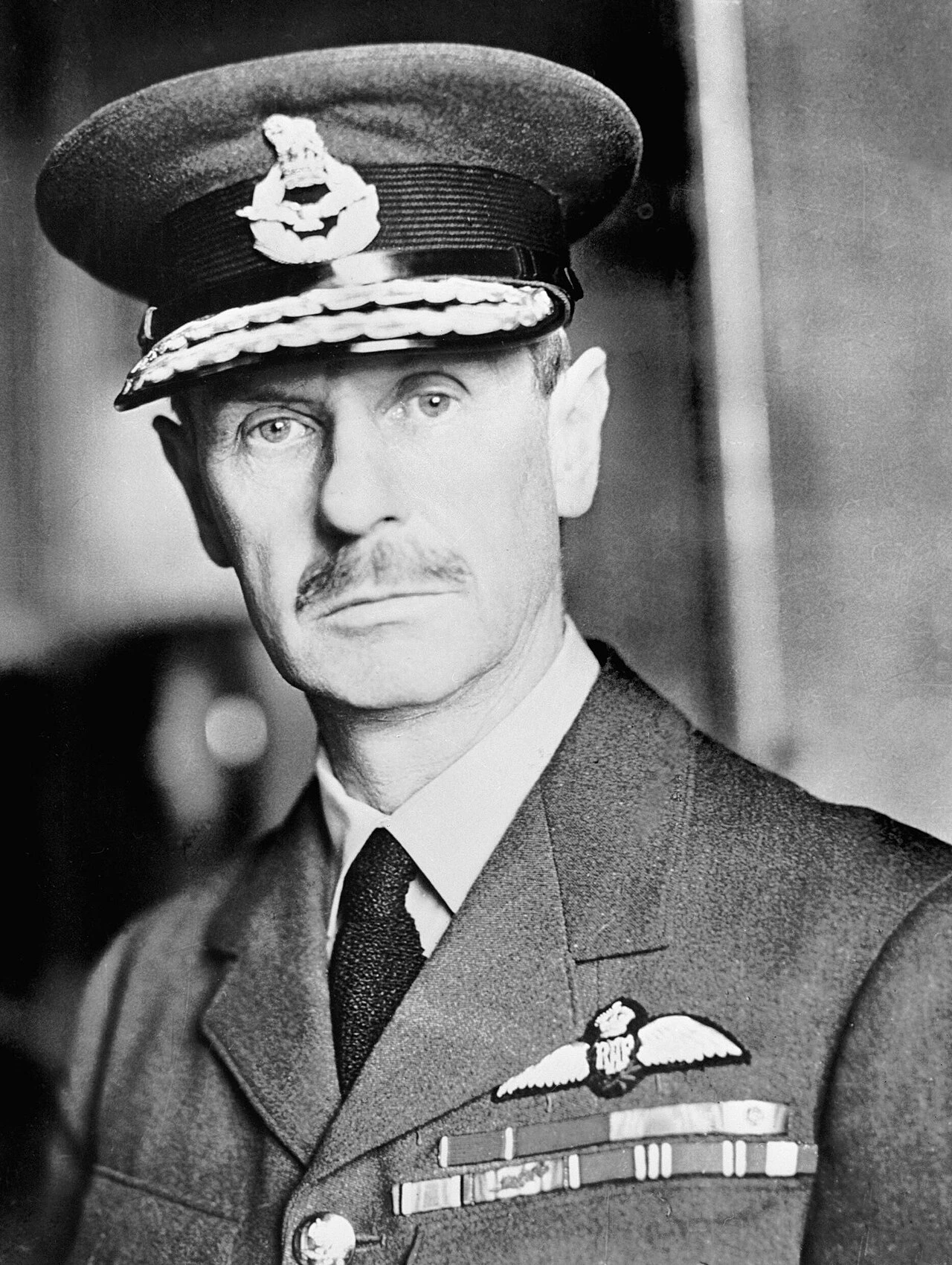
Dowding — Keep the Fighters?
The abatis of the Chasseurs Ardennais
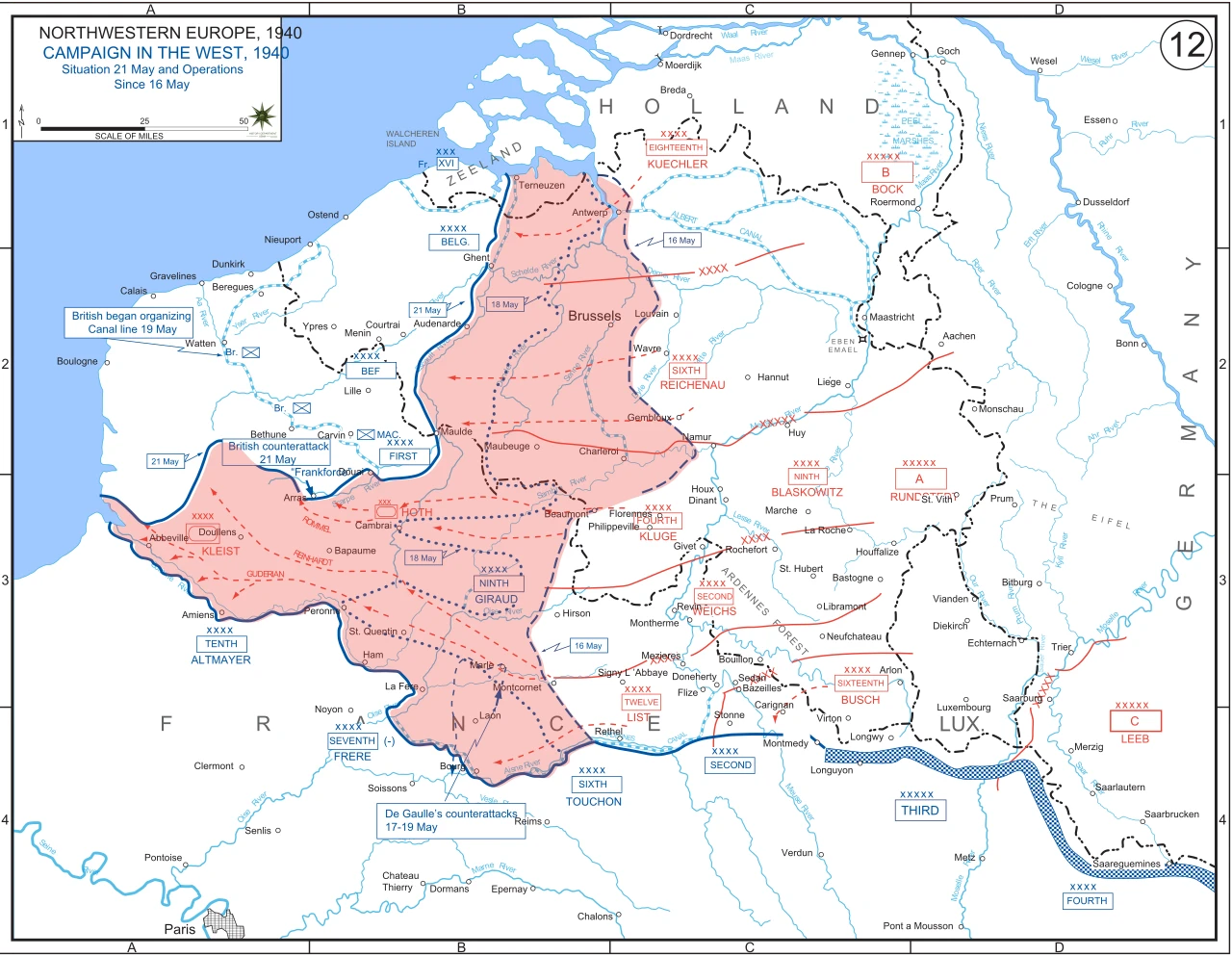
The Battle of the Lys
The bridges of the Meuse
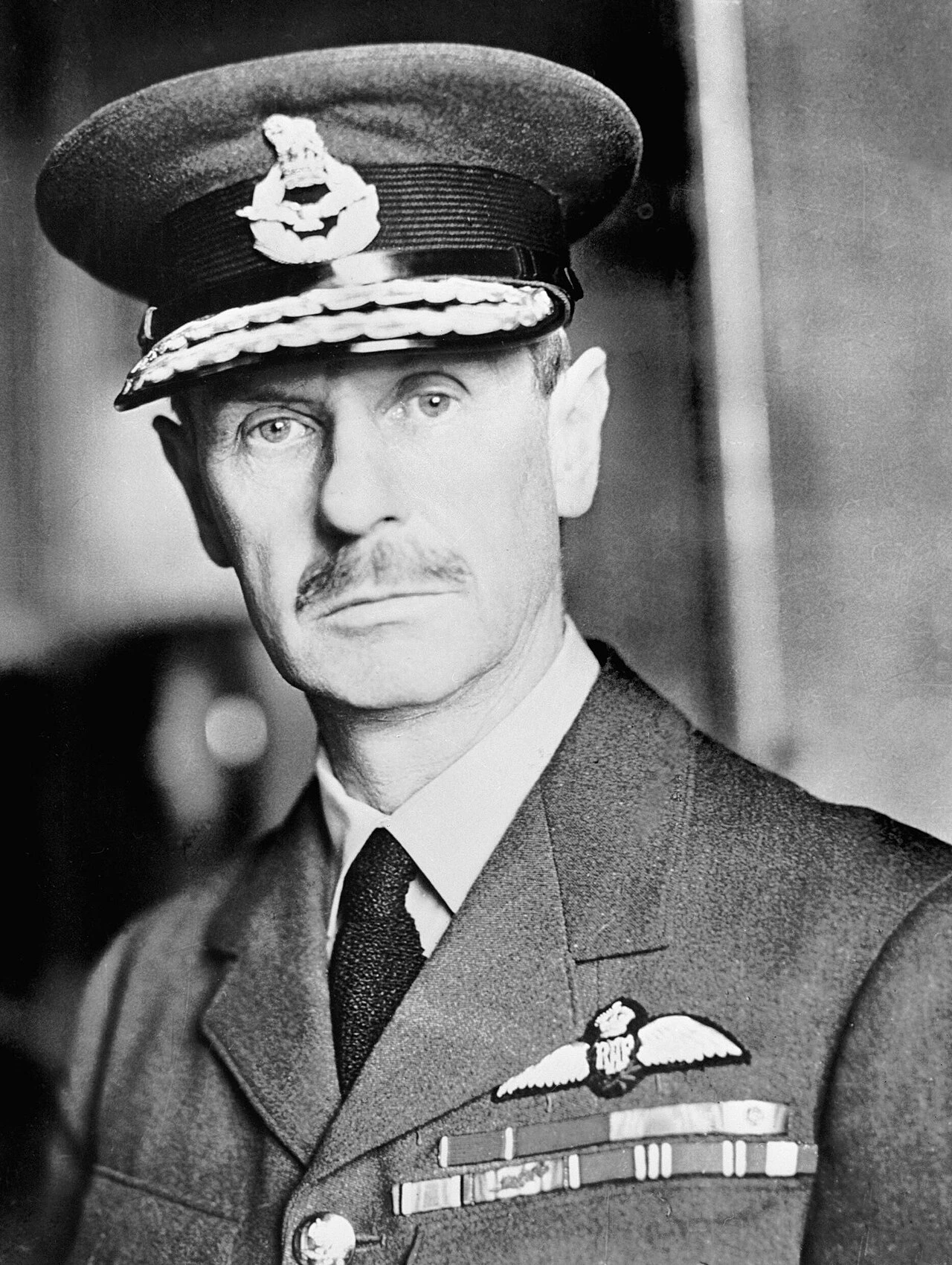
Dowding and the Last Reserves — 15 September 1940
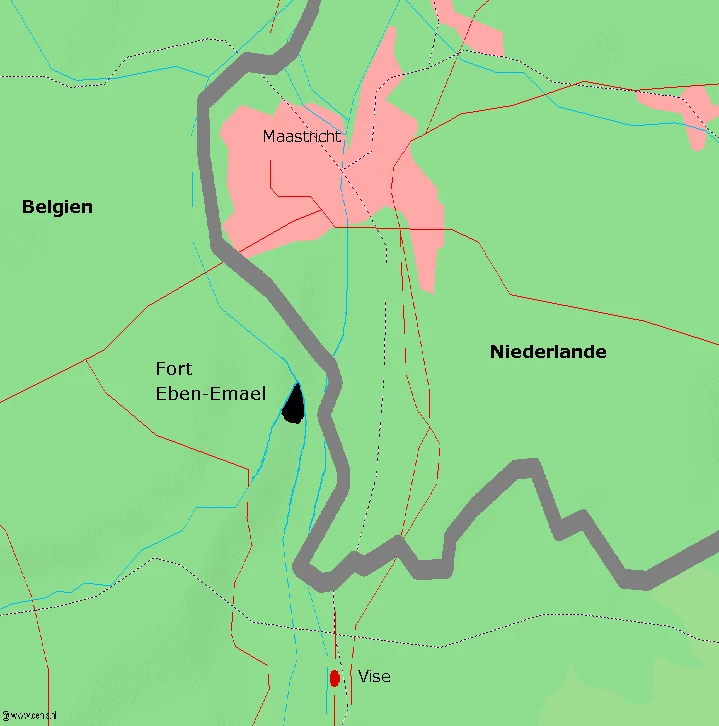
Eben-Emael — Jottrand under the explosions
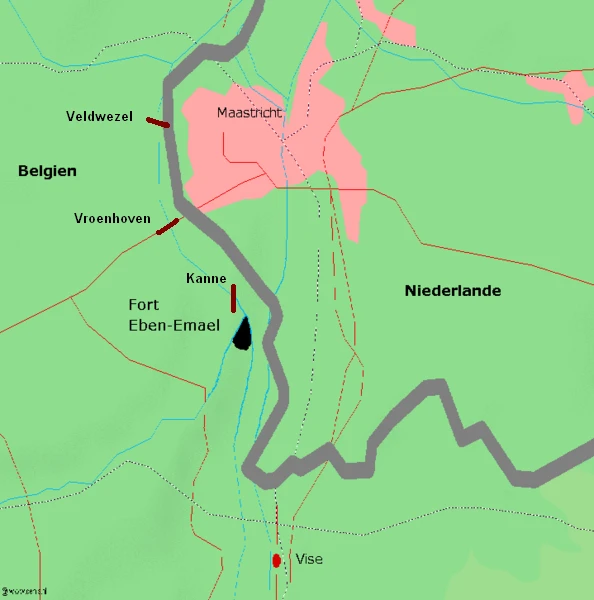
The garrison of Ében-Émael
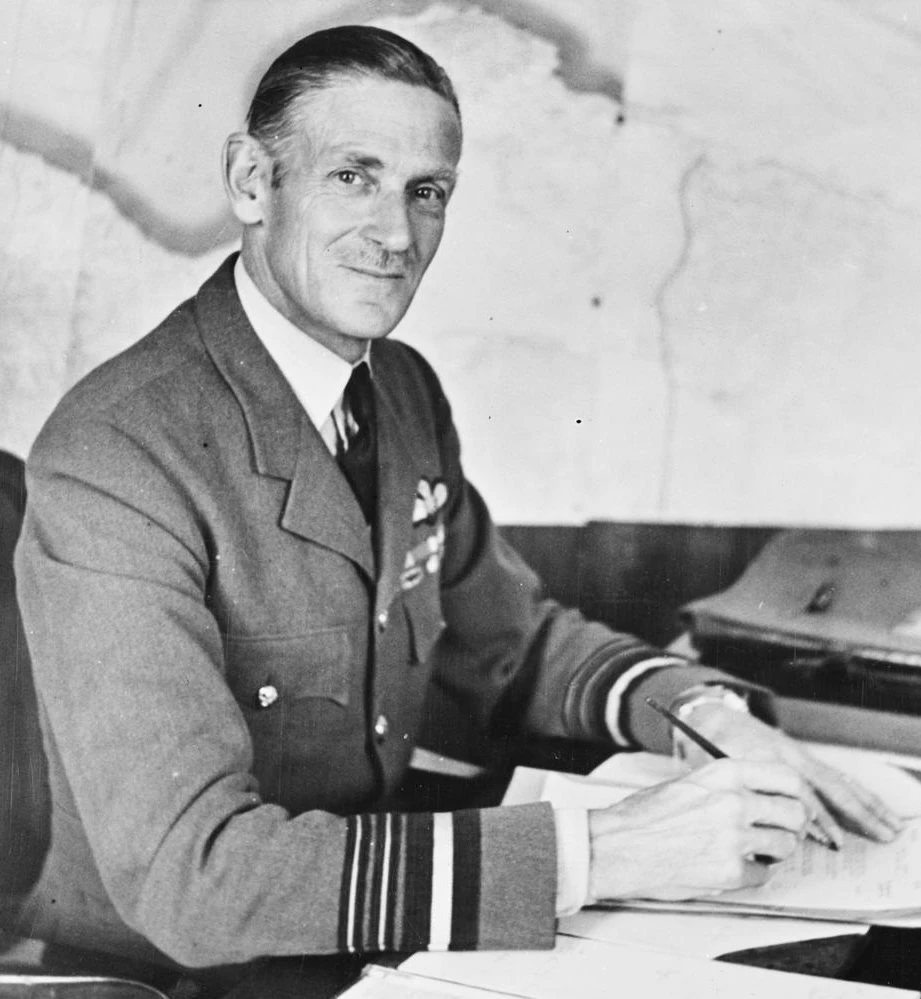
Keith Park at Uxbridge — September 15
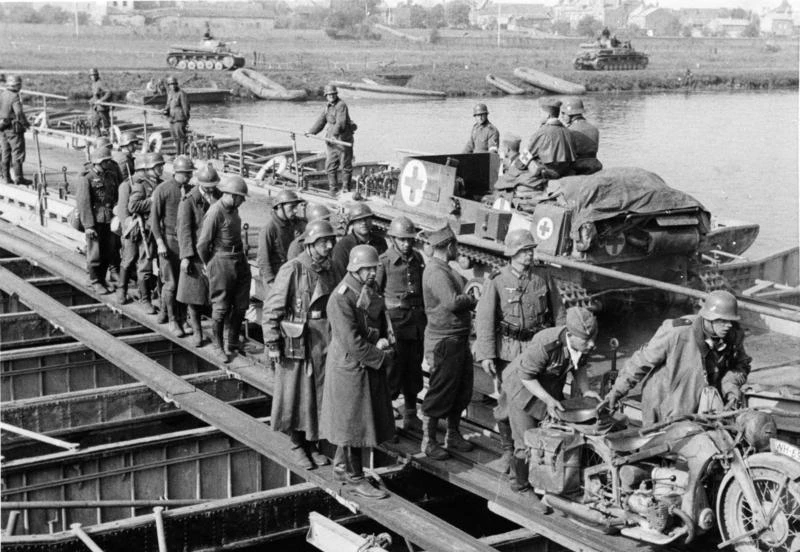
The charges are set beneath the deck
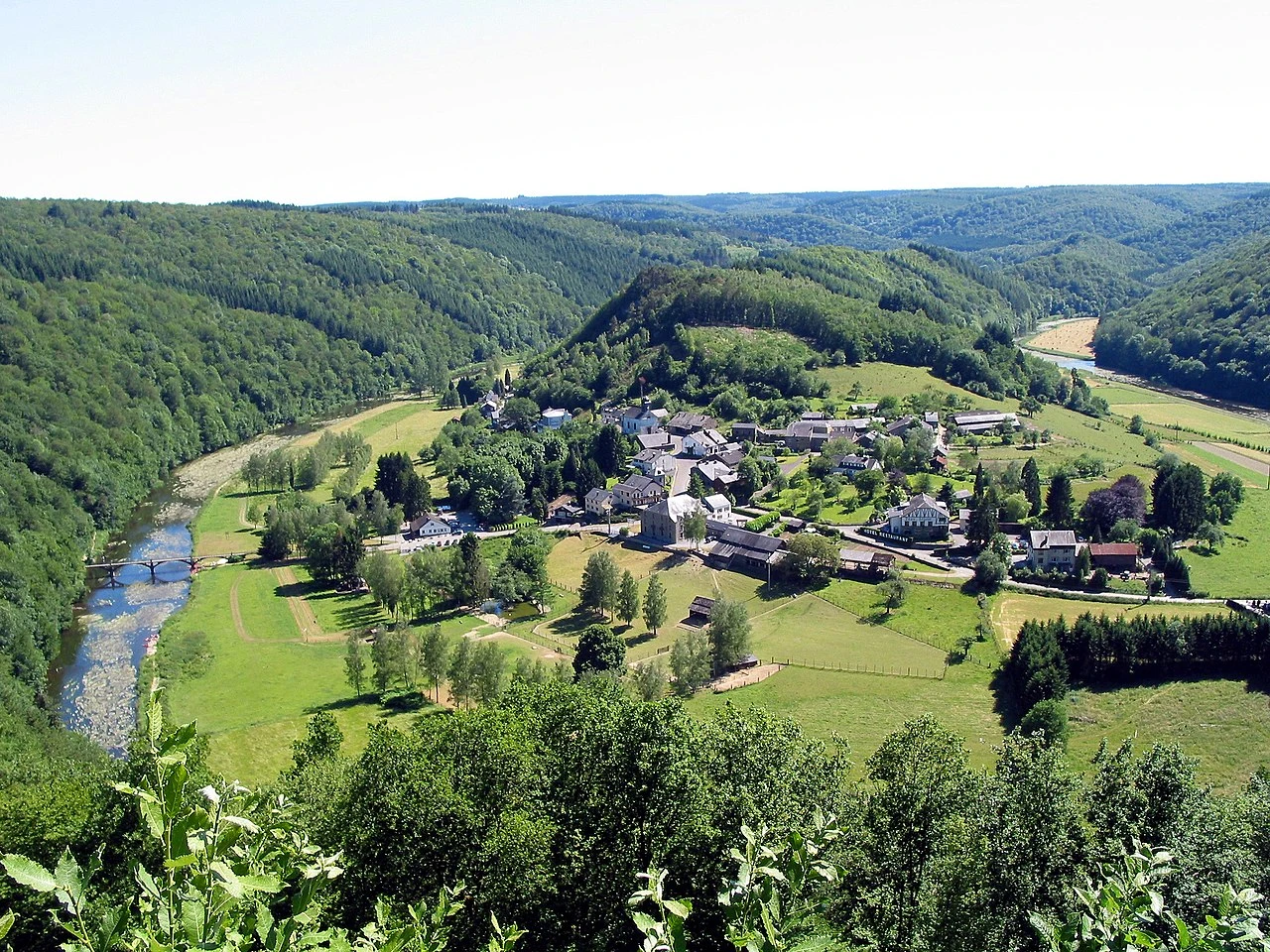
The Chasseurs Ardennais facing the breakthrough
Dowding — Keep the Fighters?
The abatis of the Chasseurs Ardennais
The Battle of the Lys
The bridges of the Meuse
Dowding and the Last Reserves — 15 September 1940
Eben-Emael — Jottrand under the explosions
The garrison of Ében-Émael
Keith Park at Uxbridge — September 15
The charges are set beneath the deck