
Battleaxe — Wavell before Halfaya
Since April 1941, Rommel has reconquered Cyrenaica and is besieging Tobruk, whose Australian garrison holds firm on his rear. Churchill, who has just dispatched a convoy of tanks to the Mediterranean at great risk (Operation Tiger), presses General to go on the offensive to relieve Tobruk and throw back the .
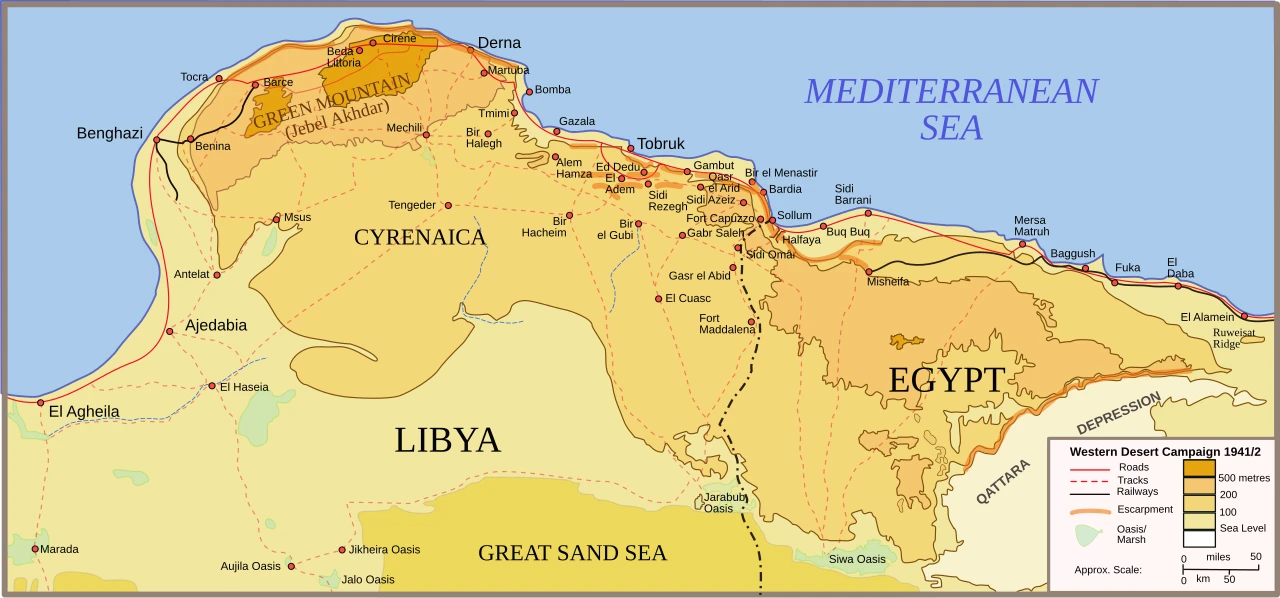
Wavell is reluctant: his Matilda and Crusader tanks have only just arrived, are poorly run in, and he knows the worth of his adversary. But the Prime Minister's pressure is strong. On 15 June, he launches Operation Battleaxe against the German positions at Halfaya Pass and Sollum, held by a carefully prepared defence.
Rommel has deployed there his master weapon: 88 mm anti-aircraft guns dug in as an anti-tank battery, capable of destroying the British armour at long range. Wavell must decide on the conduct of the assault: drive frontally at the fortified positions to break through quickly; manoeuvre widely through the desert to the south, at the risk of the logistics; or delay the attack still further to better prepare his crews. The fate of Tobruk and his own command depend on it.
How should Wavell conduct the Battleaxe offensive against Rommel's positions?
Wavell goes with A, against his better judgement, under pressure from London. It is a failure: the German 88s scythe down the Matildas at Halfaya — soon nicknamed « Hellfire Pass » by the British — and an armoured counterattack by Rommel nearly encircles the attackers. In three days, Battleaxe costs about a hundred tanks and ends in a withdrawal without having relieved Tobruk. The failure seals Wavell's fate: Churchill, displeased, transfers him to India and replaces him with Auchinleck on 1 July. The battle confirms Rommel's tactical mastery and the decisive importance of anti-tank artillery — a lesson the British will take time to absorb.
Learn more about this event
Related polls
10
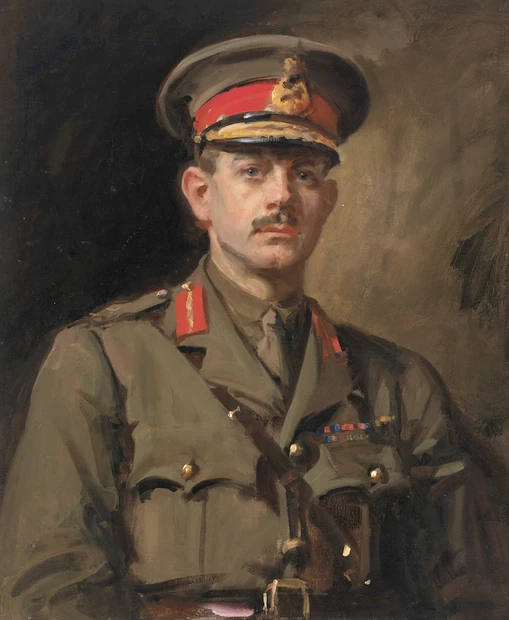
O'Connor launches Compass — Sidi Barrani
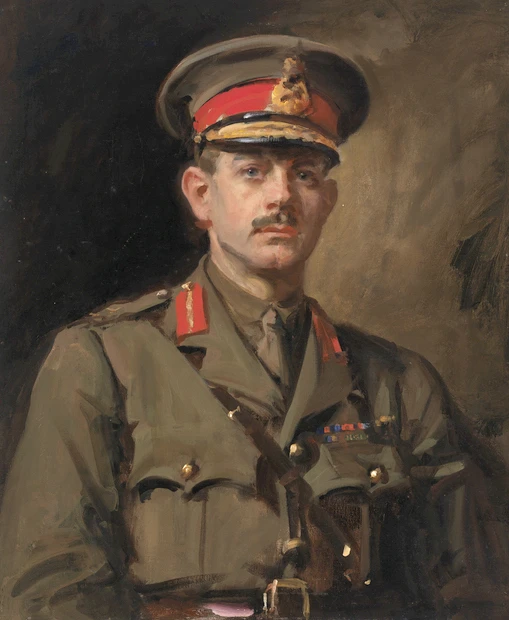
Mackay before Tobruk — the assault
Mackay and the Australians at Bardia
The Greeks at the Klisura Pass
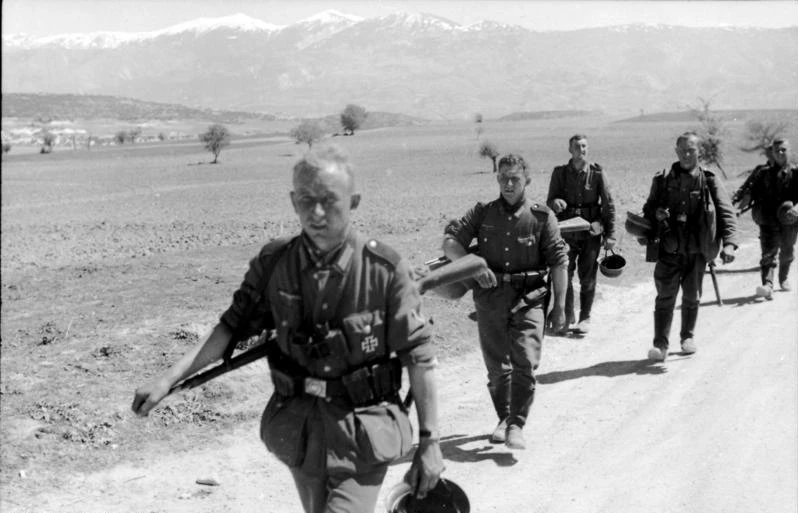
Marita — the invasion of Greece
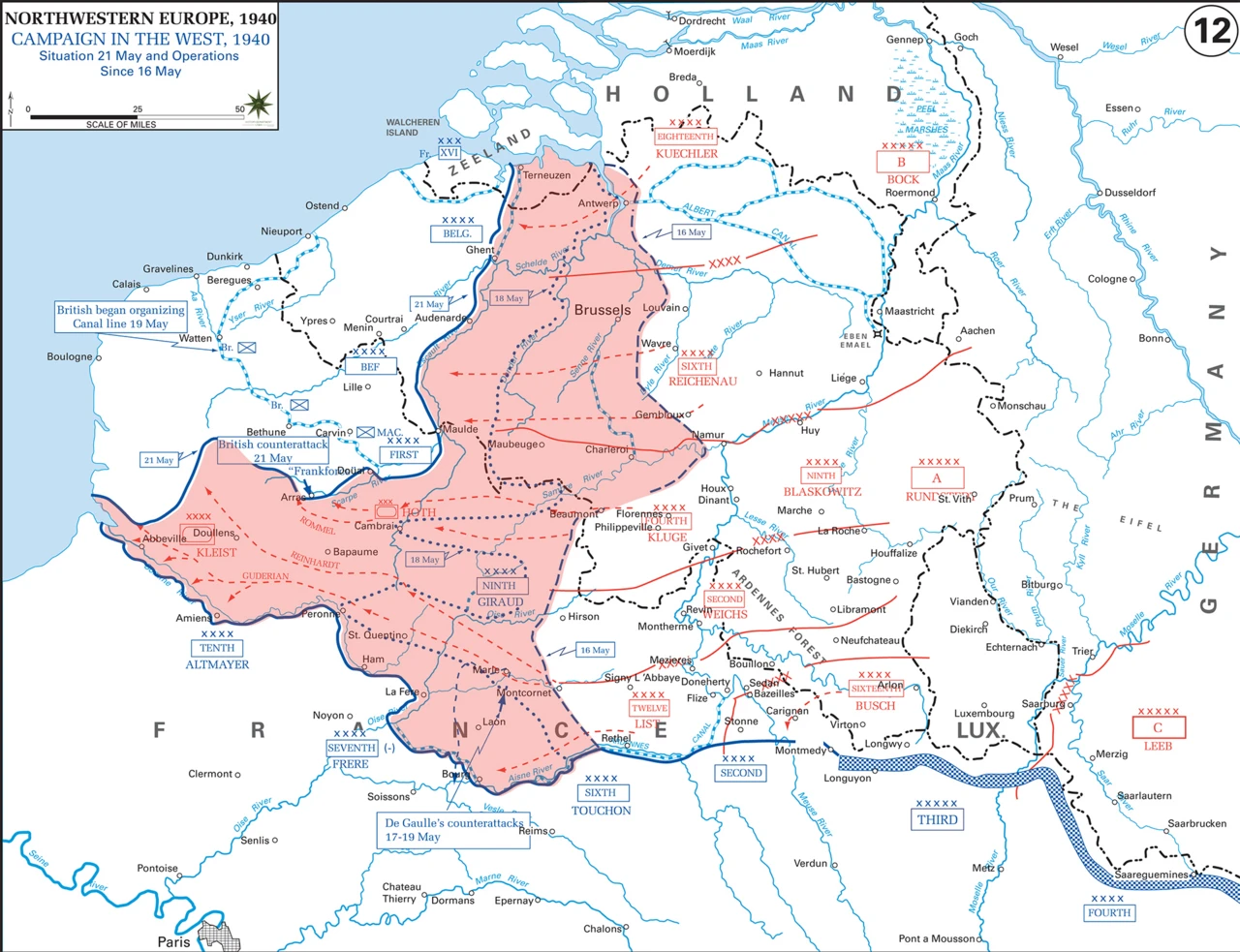
Arras — the Matildas against Rommel's flank
The Houx weir
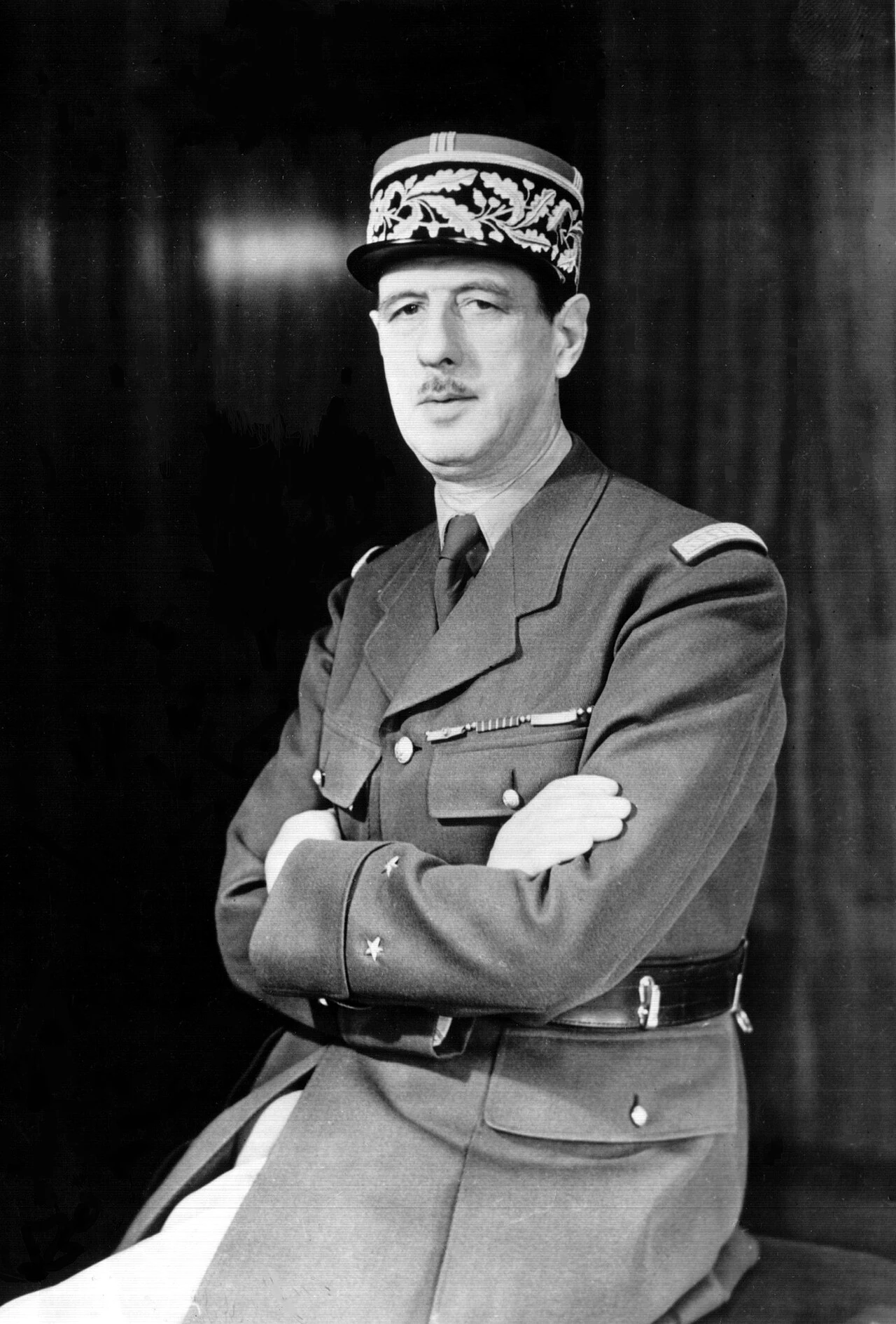
De Gaulle at Abbeville
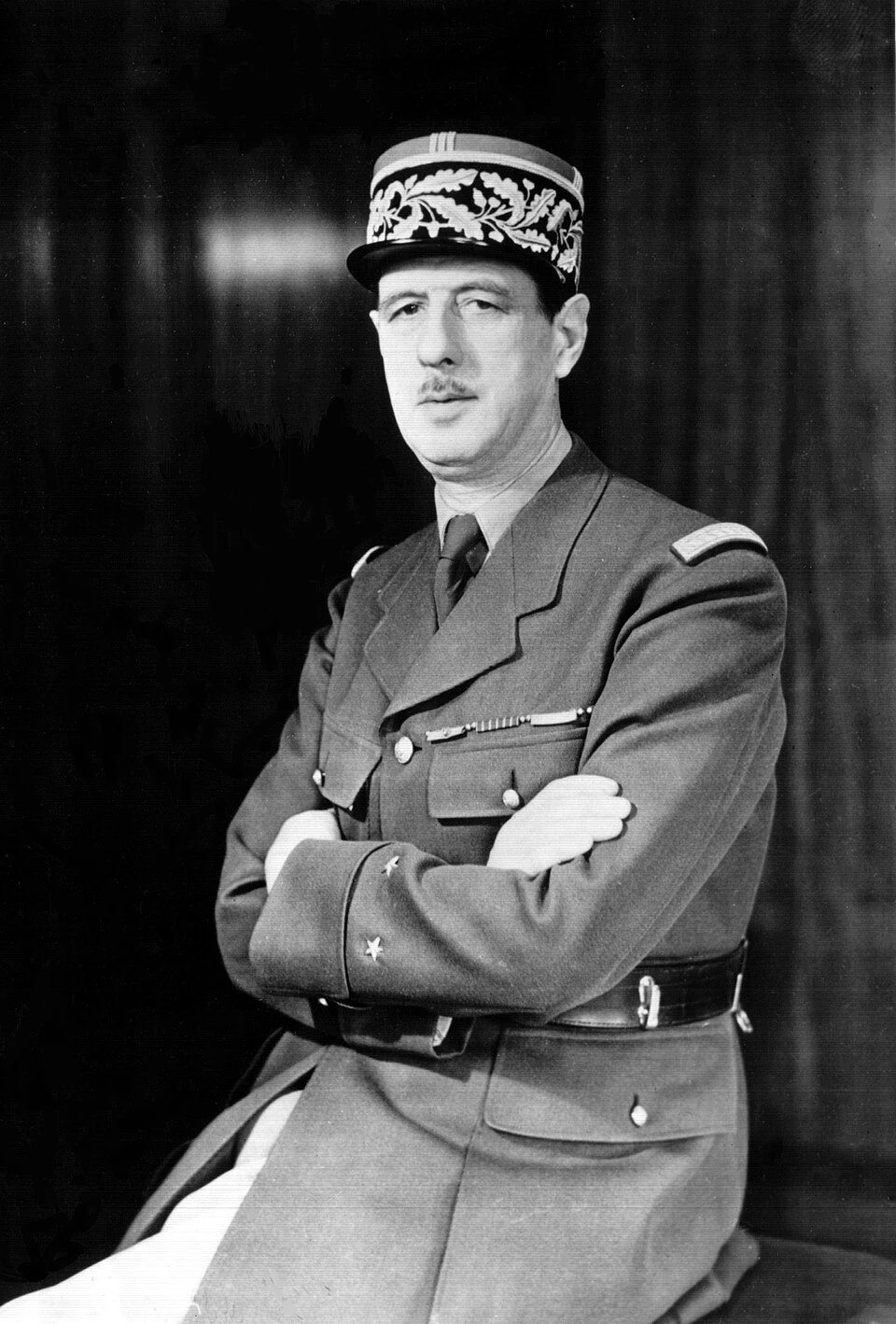
De Gaulle at Montcornet — 17 May
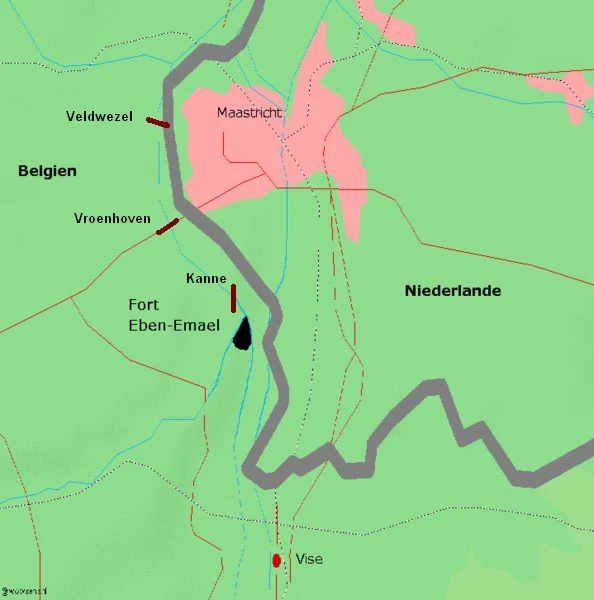
Eben-Emael — gliders on the roof
O'Connor launches Compass — Sidi Barrani
Mackay before Tobruk — the assault
Mackay and the Australians at Bardia
The Greeks at the Klisura Pass
Marita — the invasion of Greece
Arras — the Matildas against Rommel's flank
The Houx weir
De Gaulle at Abbeville
De Gaulle at Montcornet — 17 May