
FN Herstal, May 1940 — a few hours ahead of the occupier
In May 1940, the Wehrmacht sweeps across Belgium. The Fabrique Nationale de Herstal, near Liège, is the country's largest arms complex: machine guns and pistols, including the famous high-power Browning developed by the engineer . The occupier is bound to covet this industrial asset.
Managing director and his deputy have only a few hours to decide. The war plans called for protecting personnel and tooling, but the German advance is lightning-fast and the options are closing hour by hour. Every decision weighs the fate of thousands of workers, an invaluable industrial heritage, and the risk of seeing the plant feed the enemy war effort.
Should the strategic machinery be destroyed so it cannot serve the Reich, should men, plans and know-how be saved by reaching France, or should the bet be on keeping the asset intact while refusing to produce? The decision must come before the occupier arrives.
With the German advance bearing down, what should be done with Belgium's largest arms complex?
Joassart and Laloux applied the pre-war plans as far as possible and then made their way to France without destroying the machinery, for lack of time — something for which the French armament authorities sharply reproached them (Joassart retorted that "those gentlemen in Paris" had had almost as many weeks as he and Laloux had had hours). The essentials were saved by other means: the plans for the high-power Browning were smuggled out of the factory the day before the occupation, and key engineers such as escaped, making it possible to later restart production for the Allies (in Canada at John Inglis, and in the United Kingdom). FN refused to resume work for the Germans and was placed under sequestration as early as July 1940, renamed DWM Werk Lüttich; the workers then engaged in sabotage of production.
Learn more about this event
Related polls
10
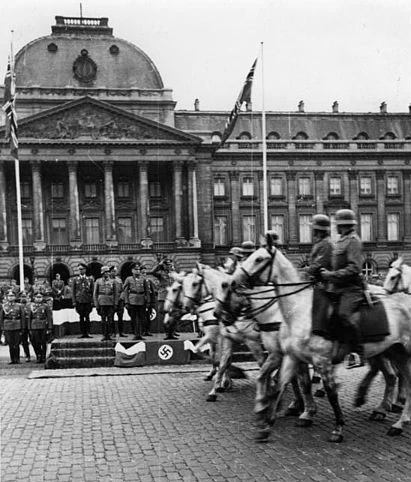
The Galopin Doctrine — whether to produce under the occupier
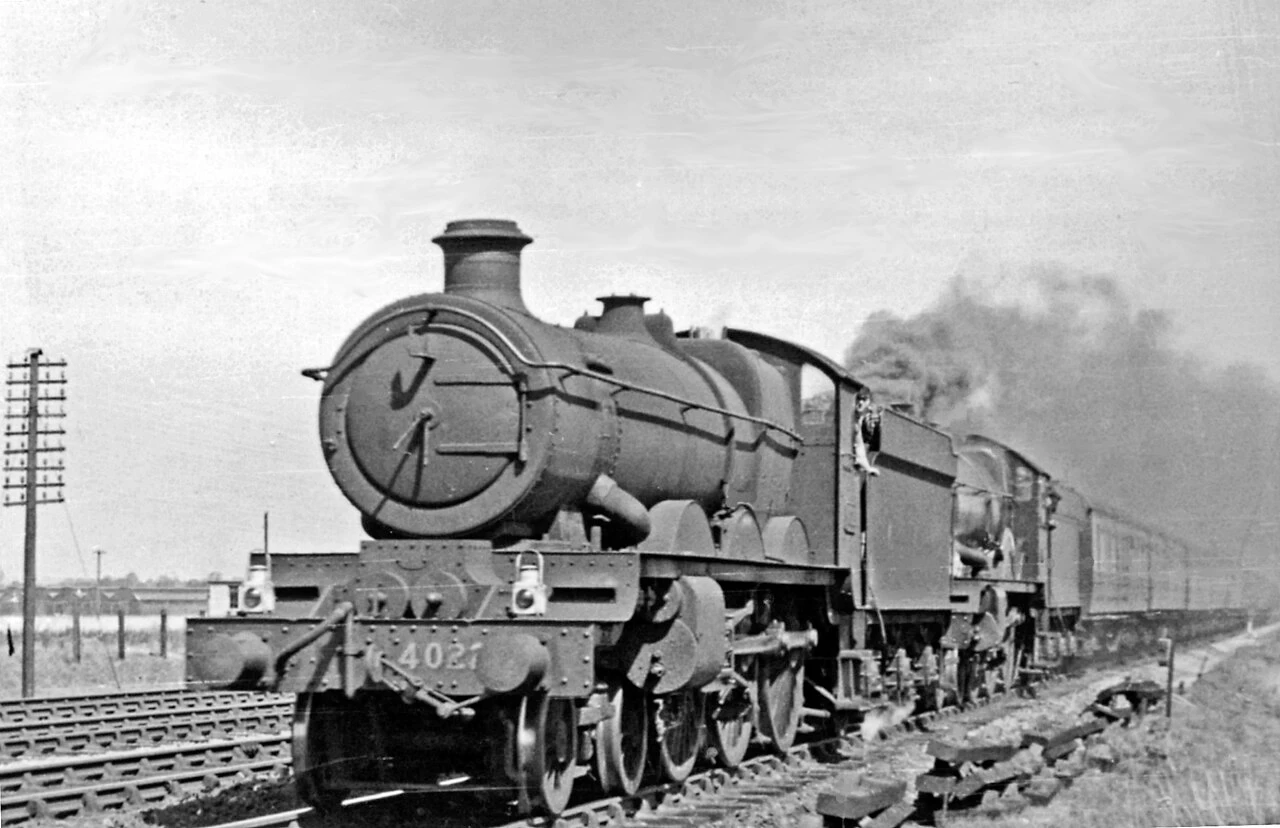
The Belgian railways under occupation
The gold of the National Bank
Forty tonnes of gold trapped at Ostend
Going back to work under the occupier

Castle Bromwich: car assembly lines to build the Spitfire
Eindhoven under the heel: the lamp empire put to the test
Organised plunder — the mark at 12.50 F
The Repatriation of the Refugees
Provisioning and the Black Market
The Galopin Doctrine — whether to produce under the occupier
The Belgian railways under occupation
The gold of the National Bank
Forty tonnes of gold trapped at Ostend
Going back to work under the occupier
Castle Bromwich: car assembly lines to build the Spitfire
Eindhoven under the heel: the lamp empire put to the test
Organised plunder — the mark at 12.50 F
The Repatriation of the Refugees