
The Holy Office against the scalpel of the State
In the autumn of 1940, the Congregation of the Holy Office, guardian of Catholic doctrine, faces a question it can no longer evade. Since the summer of 1939, the Reich has been secretly carrying out a programme code-named Aktion T4, after its Berlin address, Tiergartenstraße 4.
Under the cover of 'death by compassion', doctors examine the files of institutionalised patients — the mentally ill, the disabled, children — and designate those to be eliminated. Rumours run through the country: families receiving unexpected urns, death certificates with implausible causes, suspicious smoke above certain establishments. Several German bishops, including the Fulda conference, have already protested discreetly to the chancellery, with no written commitment to halting the programme.
The Holy See, led by , has been negotiating for months with a regime that refuses any formal commitment. Hushed diplomacy has obtained nothing. A public declaration by the Holy Office on the lawfulness of killing an innocent person on grounds of physical or mental defects would directly antagonise Berlin — at a moment when the Church in Germany remains exposed. Keeping silent might prolong institutional security, but would leave the doctrinal field empty. The question is put to Rome.
Should the Holy Office publicly proclaim the unlawfulness of State 'euthanasia', or confine itself to the confidential protests already under way?
The Holy Office chooses A: on 2 December 1940, it publishes a decree declaring that the practice is 'contrary to the natural law and the positive divine law', and that 'the direct killing of an innocent person on account of mental or physical defects is not permitted'. The wording is doctrinal, without naming the Reich. Its immediate effect remains limited: the German hierarchy, cautious, launches no open campaign in its wake, and the text will not be widely circulated until March 1941, taken up in a diocesan newspaper. The T4 programme continues; it will take the resounding sermon of Bishop von Galen, in August 1941, for Hitler to order the official halt of the centralised operation, already credited with tens of thousands of deaths. The decree nonetheless remains a rare formal moral stance by the Church, cited ever since in the debates over the Vatican's silence.
Learn more about this event
Related polls
10
The Ustasha state and the fate of the Serbs
The Madagascar Plan on paper
Vichy — the first Statute on Jews
AB Aktion — planning at the Wawel
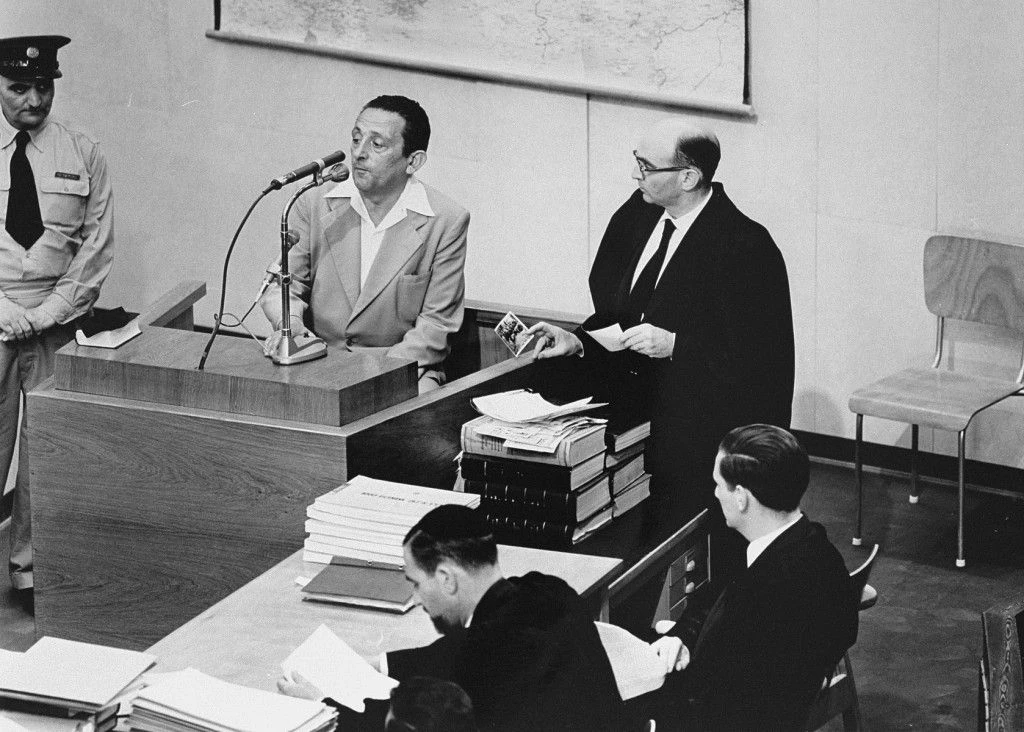
Biebow at Litzmannstadt — 8 February
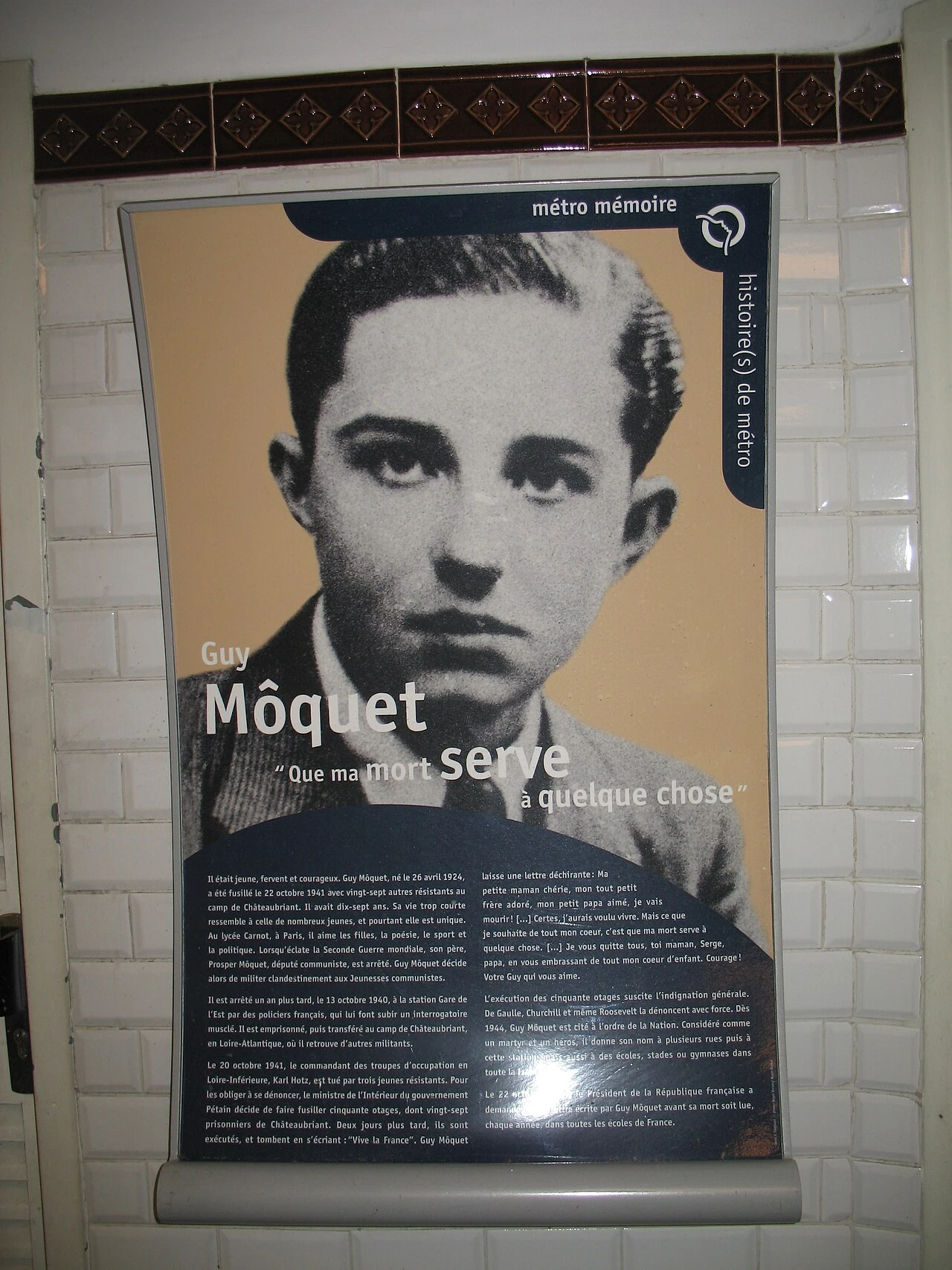
Châteaubriant: The List of Hostages
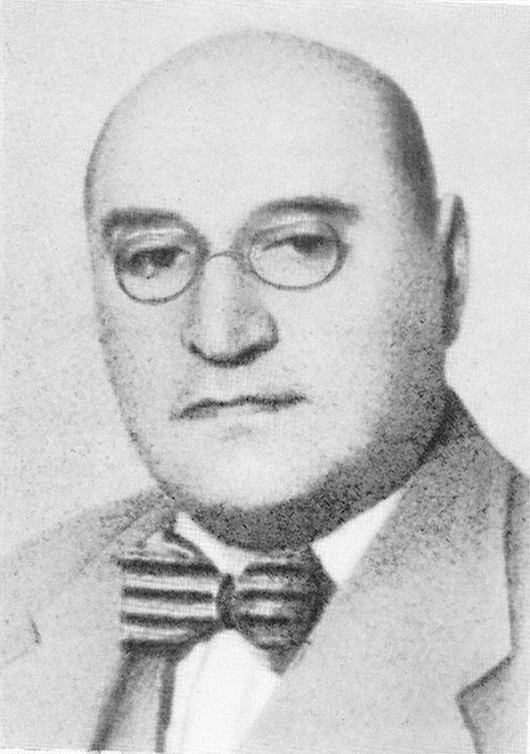
Czerniaków — the offer of the Judenrat
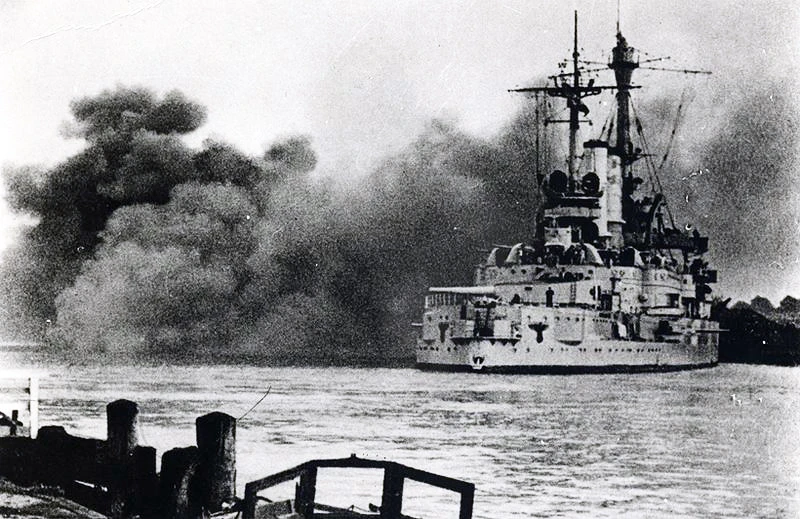
Danzig, September 1939 — the policeman of the Free City

The Barbarossa decree — the 'licence to kill'
The Victory Parade in Madrid
The Ustasha state and the fate of the Serbs
The Madagascar Plan on paper
Vichy — the first Statute on Jews
AB Aktion — planning at the Wawel
Biebow at Litzmannstadt — 8 February
Châteaubriant: The List of Hostages
Czerniaków — the offer of the Judenrat
Danzig, September 1939 — the policeman of the Free City
The Barbarossa decree — the 'licence to kill'