
Roosevelt — Lend-Lease before Congress
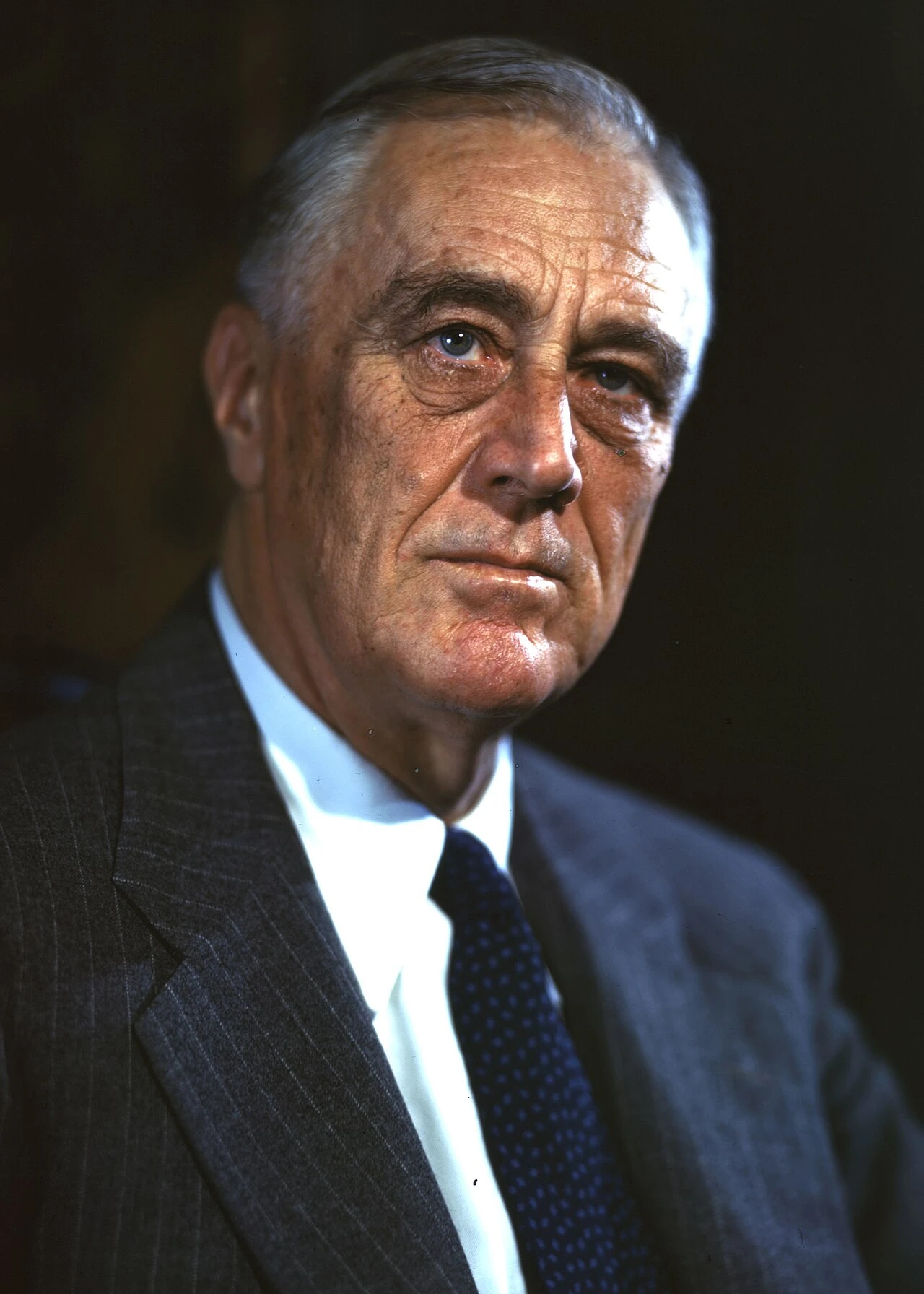
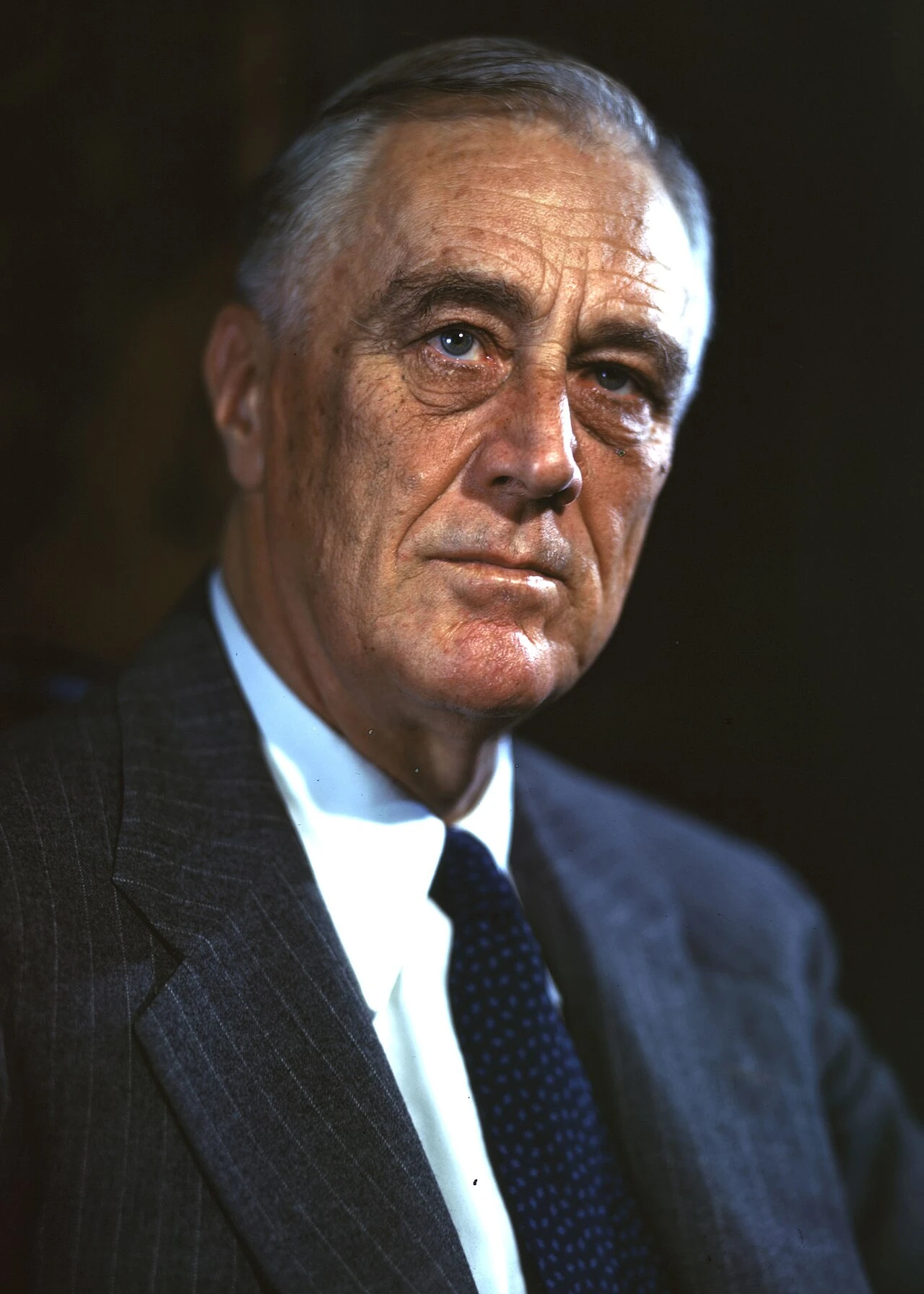
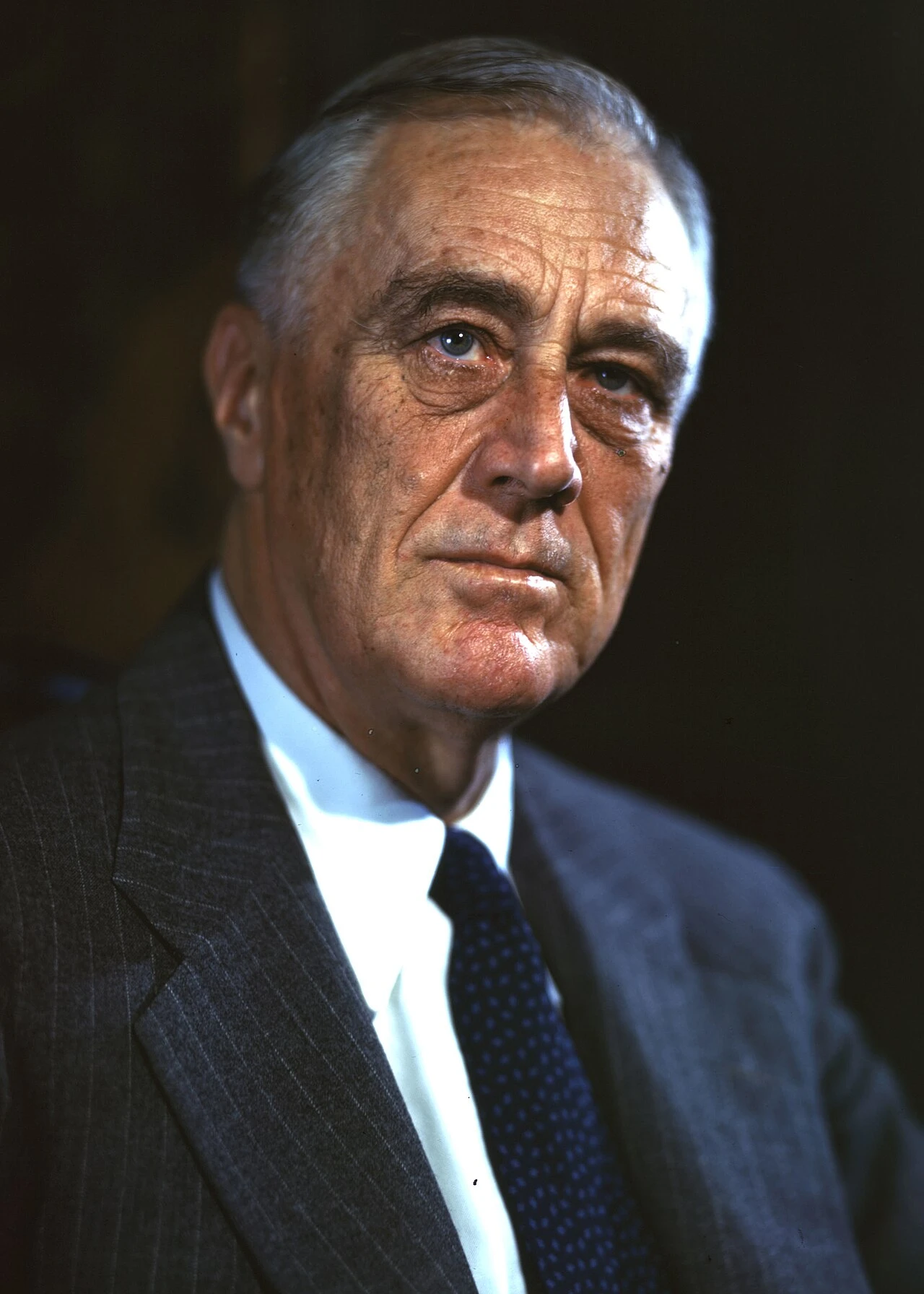
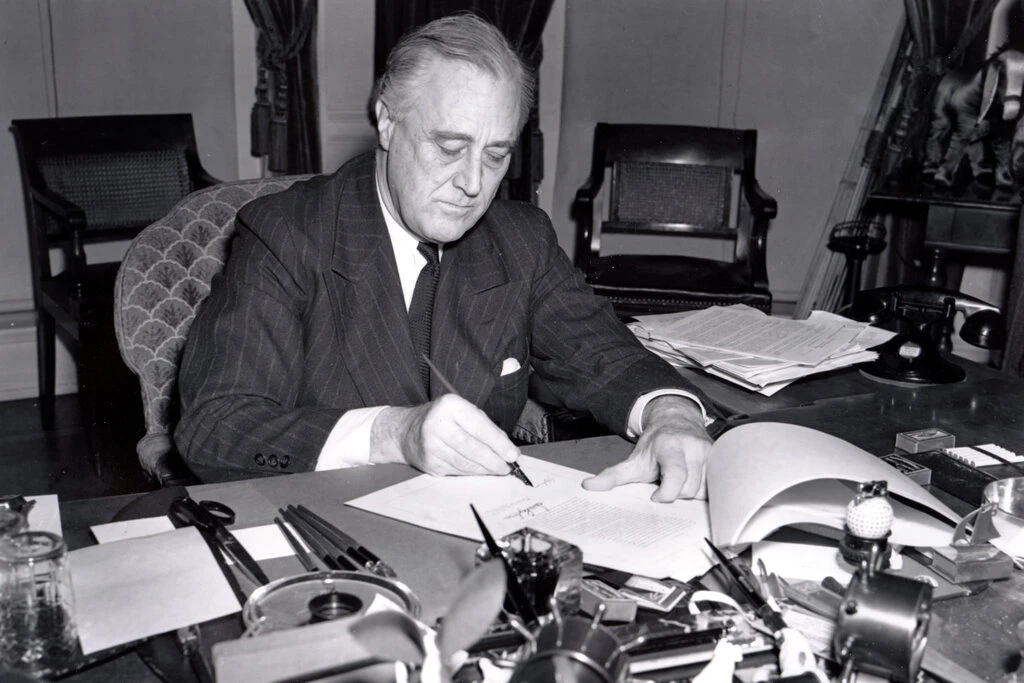
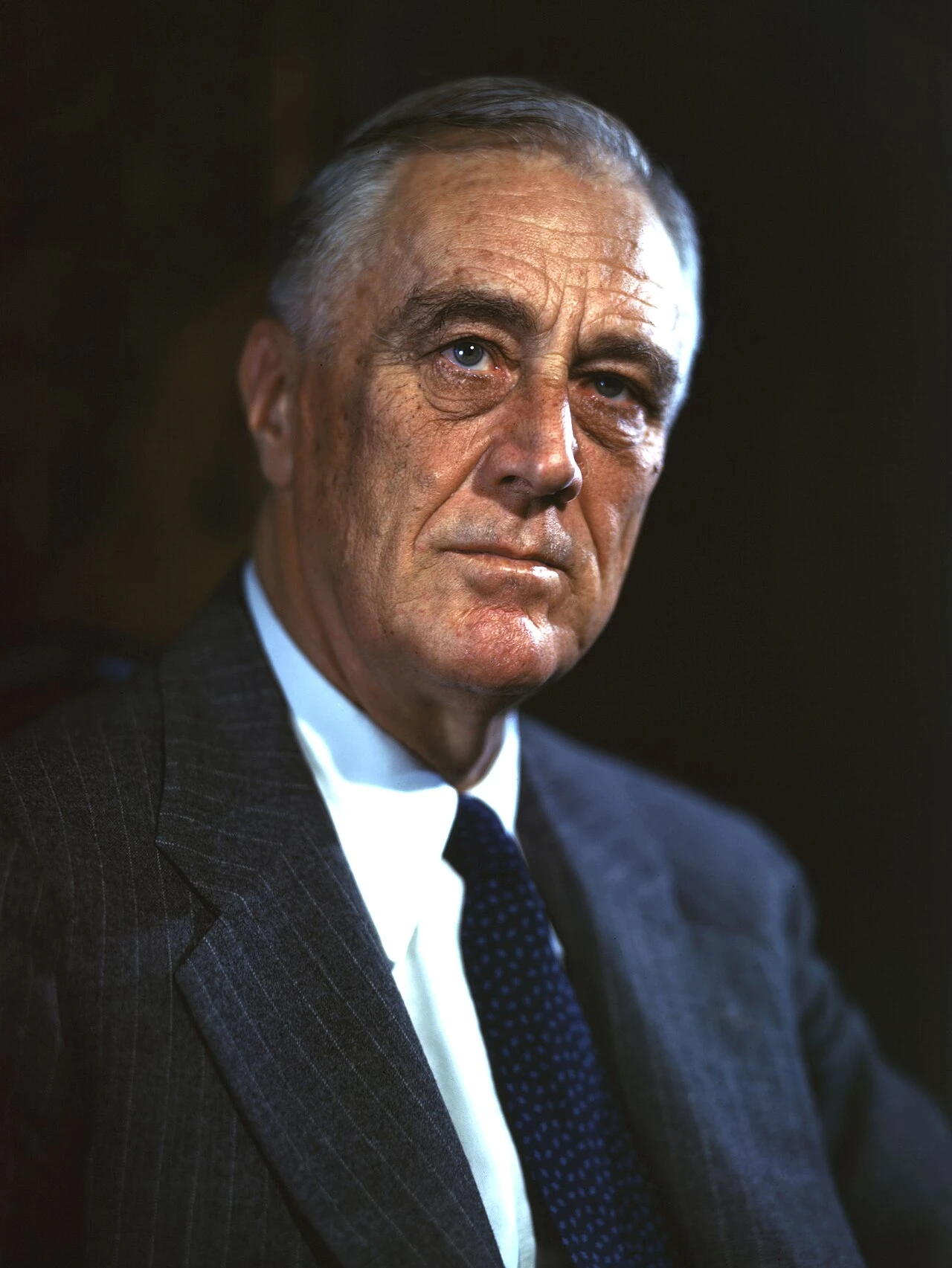
Having prepared opinion with the 'arsenal of democracy' and the 'Four Freedoms,' Roosevelt now wants to turn aid to Britain into a lasting mechanism. London is out of hard currency and can no longer pay cash; without a new system, the flow of American arms will dry up. The solution the President has conceived is Lend-Lease: authority to supply, lend or lease war materiel to any country whose defense is deemed vital to the United States, without immediate payment.
The bill, laid before Congress on 10 January 1941 under the symbolic number HR 1776, unleashes a national debate. The isolationists — the America First Committee, Senators Wheeler and Nye, the aviator Lindbergh — see in it a decisive step toward war and an encroachment on the prerogatives of Congress; Wheeler compares it to 'ploughing under every fourth American boy.'
Roosevelt must decide how to carry the fight: throw all his political weight behind an ambitious bill, even at the cost of sharpening the confrontation with the isolationists; amend the text to make it more acceptable at the risk of weakening it; or temporize. The outcome will determine Britain's material capacity to survive.
How should Roosevelt push Lend-Lease through?
Roosevelt chose A. He defended Lend-Lease with the famous image of the neighbor who lends his garden hose to the man whose house is on fire, without demanding money on the spot. After weeks of debate the act was passed in March 1941. Lend-Lease became the decisive financial instrument of the Allied coalition: it would supply tens of billions of dollars of arms, food and raw materials to Britain, then to the USSR and China, with no requirement of immediate payment. It was the act that made the still-neutral United States the effective 'arsenal' of the democracies, and that sealed their material commitment to the war nearly a year before Pearl Harbor.
Learn more about this event
Related polls
10
Roosevelt at the microphone — 29 December 1940
Germany first, even before the war
Roosevelt — destroyers for bases
Roosevelt and the Squadron for Singapore — Washington, October 1940
Roosevelt — signing Lend-Lease
Washington, March 1941: Arming Without Entering the War
Bulgaria: lock of the Balkans, a price to pay
Nomura and the Hull Note: Diplomacy on the Brink
Roosevelt — Arm England?
Roosevelt and the Japanese assets
Roosevelt at the microphone — 29 December 1940
Germany first, even before the war
Roosevelt — destroyers for bases
Roosevelt and the Squadron for Singapore — Washington, October 1940
Roosevelt — signing Lend-Lease
Washington, March 1941: Arming Without Entering the War
Bulgaria: lock of the Balkans, a price to pay
Nomura and the Hull Note: Diplomacy on the Brink
Roosevelt — Arm England?