
The St. Louis Sets Sail
On 13 May 1939, the German liner St. Louis leaves Hamburg for Havana with more than 900 passengers aboard, the great majority of them Jews fleeing the Reich after Kristallnacht. They hold Cuban visas and, for many, waiting numbers to enter the United States. The master, , a non-Nazi German sailor, strives to treat his passengers with dignity.
On arrival, the drama unfolds: Cuba, against a background of political quarrels and a raised tariff, refuses to recognise most of the visas. The passengers remain blocked in the port of Havana, then the ship is ordered to depart. The approaches to the United States, off whose Florida coast the ship cruises, lead no further: Washington applies its quotas strictly.
Schröder receives the order to return to Europe. Several courses are open to him in the face of that order. Obey and bring the passengers back to the port of departure, as his superiors require? Deliberately run the ship aground near a coast to compel a rescue? Or manoeuvre and negotiate, long enough for third countries to agree to take in these men, women and children? On his decision hangs the fate of hundreds of refugees.
Should Schröder bring his passengers back to Germany, or attempt everything to spare them that return?
Schröder chooses C: he drags out the return and supports the negotiations that result, on 17 June 1939, in the distribution of the passengers among the United Kingdom, France, Belgium and the Netherlands. Those landed in the United Kingdom will be safe; but the German invasion of 1940 will catch up with part of those who remained on the continent. According to historians' work, about 250 of the St. Louis passengers will later perish in the Shoah. The ship's odyssey becomes the symbol of the democracies' refusal to open their doors to refugees. Schröder, who had striven to protect his passengers, will be recognised after the war as Righteous Among the Nations for his conduct.
Learn more about this event
Related polls
10
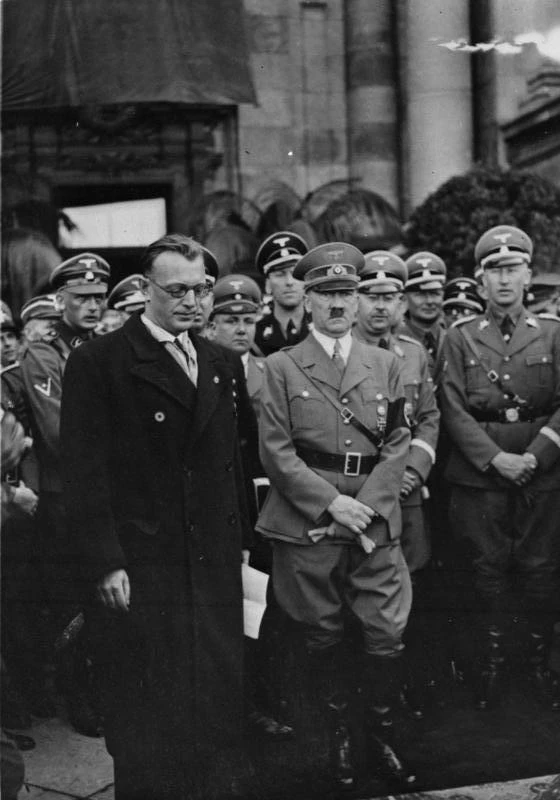
The Jewish Lawyer of Vienna Facing Exile
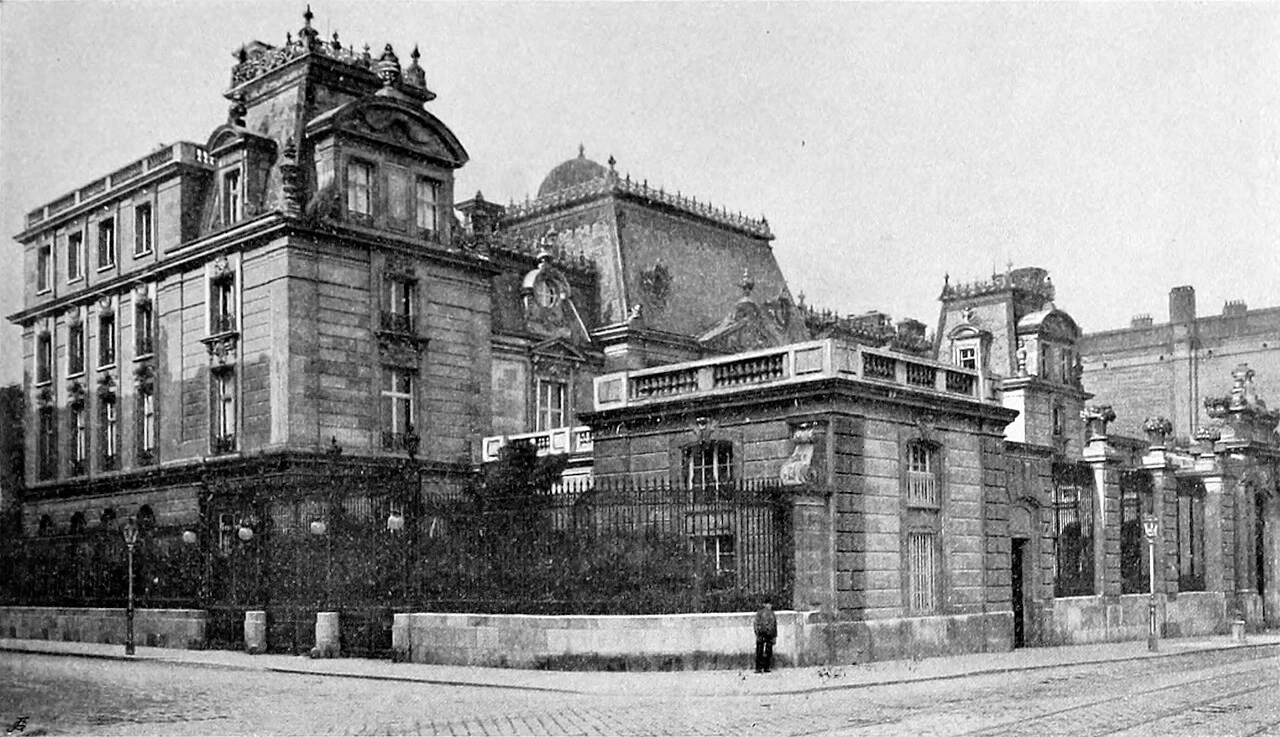
A Jewish Family of Vienna
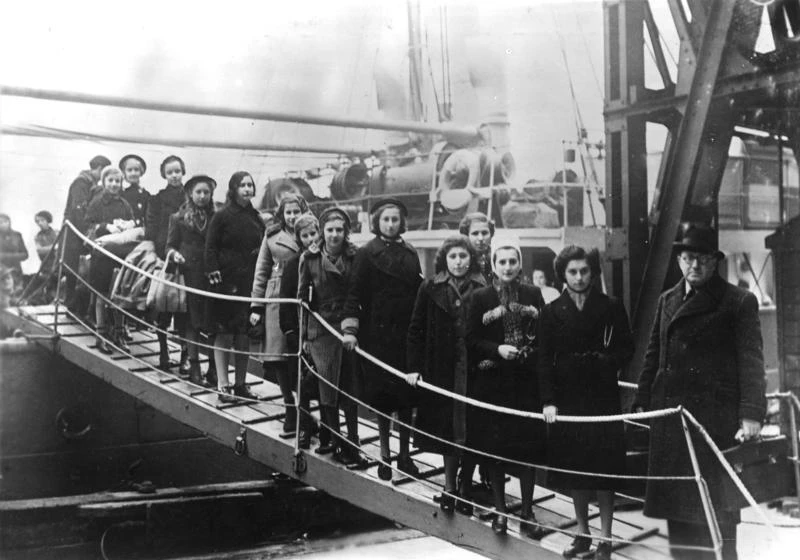
The Kindertransport
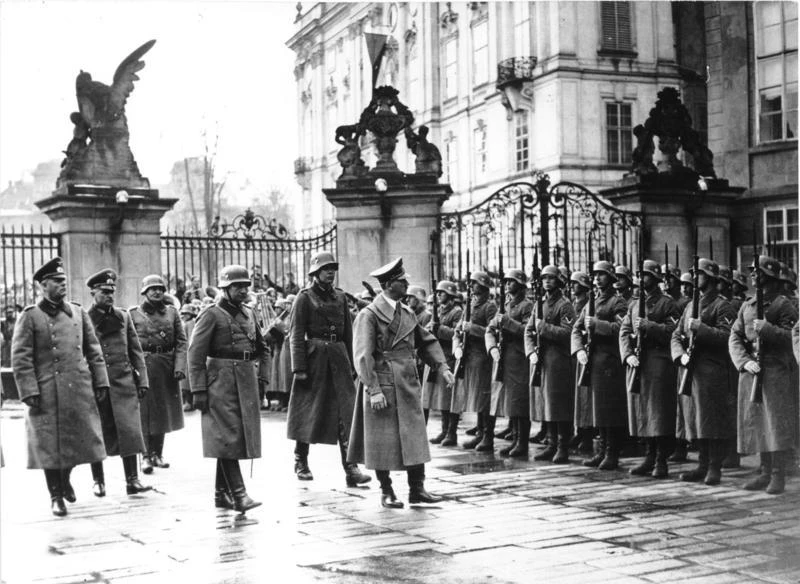
The Prague Notary and the Aryanization of Jewish Property
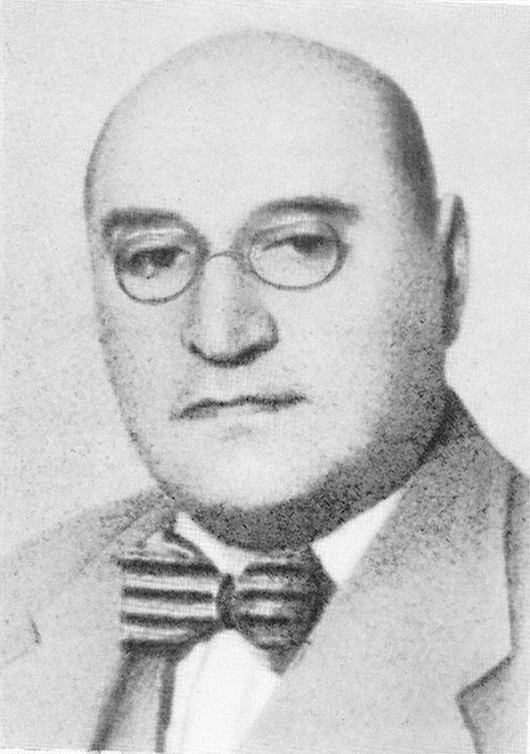
Czerniaków — the offer of the Judenrat
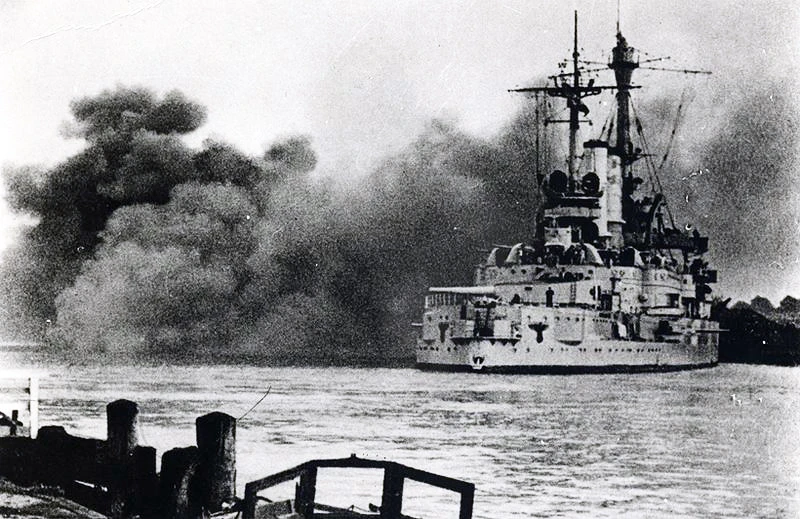
Danzig, September 1939 — the policeman of the Free City
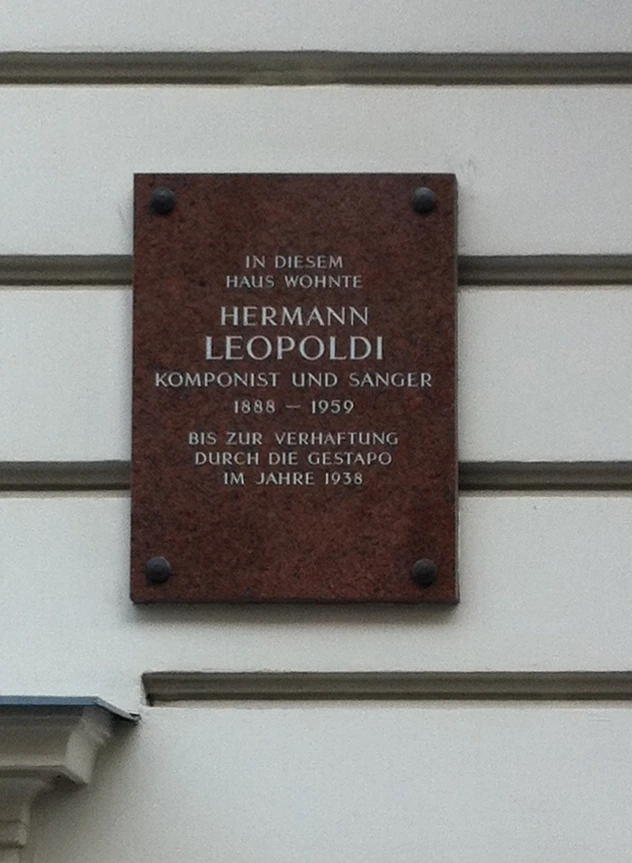
Informing on a Jewish Neighbor in Vienna
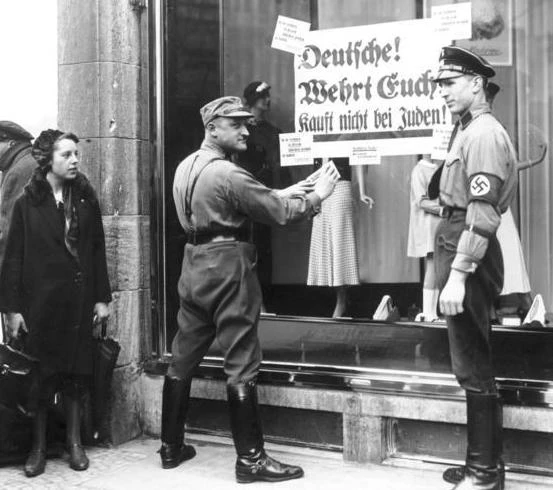
Flee or Stay
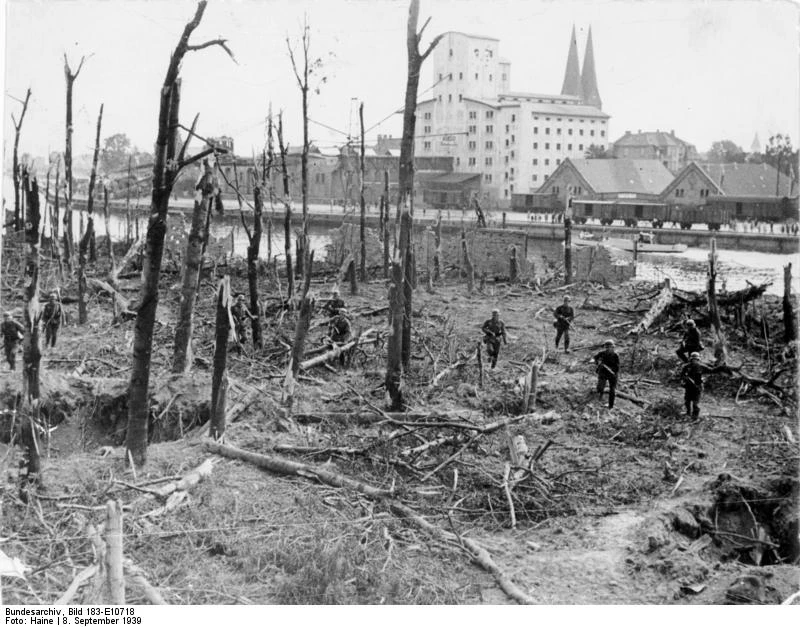
A Danzig Customs Officer on the Day of Annexation
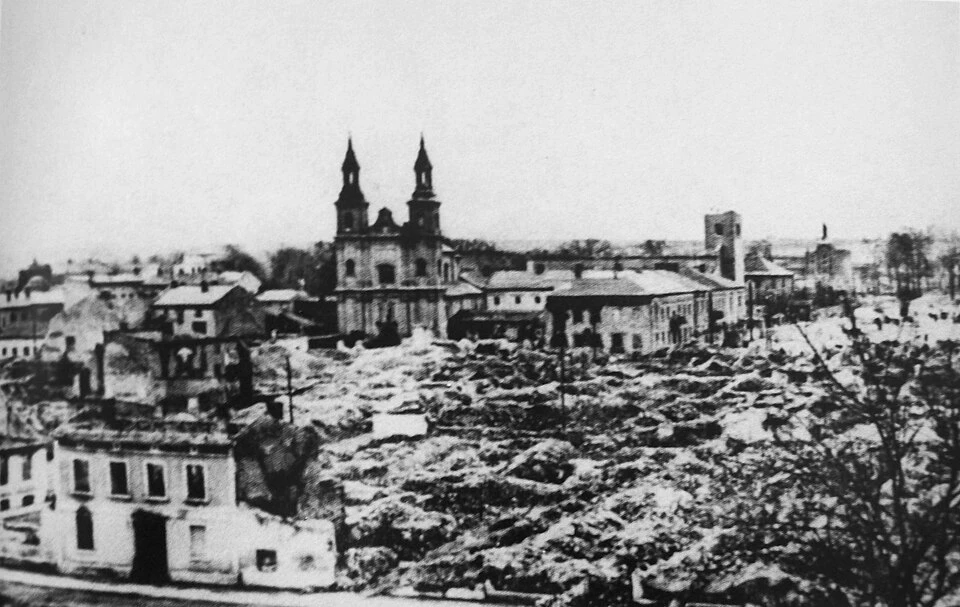
Wieluń at 04:40 — the first air strike
The Jewish Lawyer of Vienna Facing Exile
A Jewish Family of Vienna
The Kindertransport
The Prague Notary and the Aryanization of Jewish Property
Czerniaków — the offer of the Judenrat
Danzig, September 1939 — the policeman of the Free City
Informing on a Jewish Neighbor in Vienna
Flee or Stay
A Danzig Customs Officer on the Day of Annexation