
The Luftwaffe high command must decide the fate of the Junkers Ju 87, the dive bomber nicknamed Stuka (from Sturzkampfflugzeug). Its siren and its accuracy have terrorised columns and ships in the campaigns of Poland, Scandinavia and the West. Against poorly covered ground troops, it is devastating.
But the English sky is of another order. Slow, ungainly, vulnerable once recovering from its dive, the Stuka demands a permanent fighter escort that the Bf 109s — whose range over England is already short — struggle to provide. Against the Royal Air Force's Spitfires and Hurricanes, Ju 87 formations pay a heavy price.
On 18 August 1940 — the costliest day of the battle for the Luftwaffe — German losses reach 71 aircraft against 27 on the British side, with the Stukas particularly hard hit. The weapon that built the legend of the 'lightning wars' is revealed as prey in a purely aerial battle.
High command must decide whether to keep the Stukas in or withdraw them from Britain.
Do you keep the devastating but slaughtered Stukas in the fight, or withdraw them from the battle?
The high command opts for B. After 18 August 1940, the Ju 87s are withdrawn from attacks over Britain. Their vulnerability to fighters made them untenable without a cover the Luftwaffe could not guarantee, and their protection tied up Bf 109s sorely missed by the conventional bombers. Precious against ground targets, the Stuka was disqualified the moment an adversary retained an intact fighter force — a lesson the Luftwaffe would relearn harshly on the Eastern Front and in the Mediterranean. The withdrawal deprived Germany of part of its precision strike power at the decisive moment of the battle. The Junkers Ju 87 remained in production and in service until 1945, but its aura of 'terror of the skies' did not survive the English summer.
Learn more about this event
Related polls
10
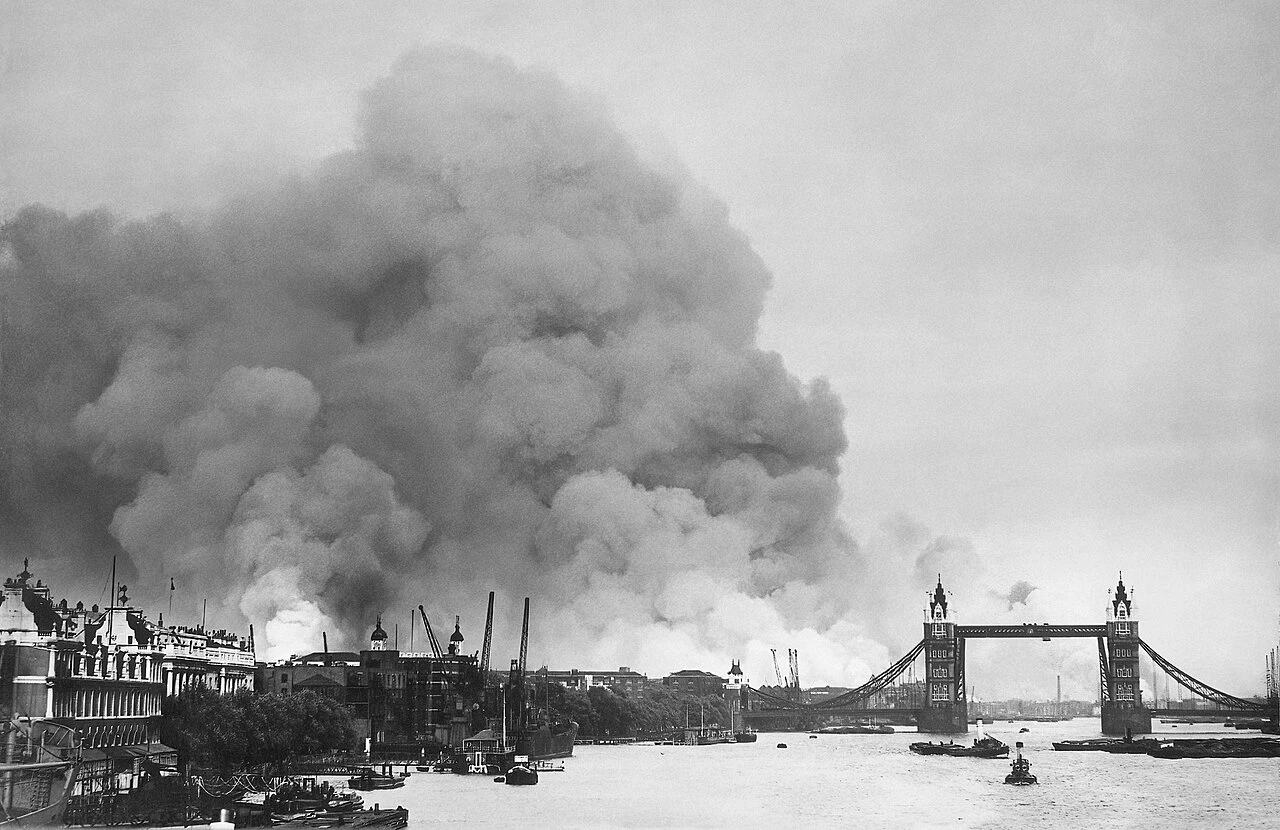
Adlertag — which targets?
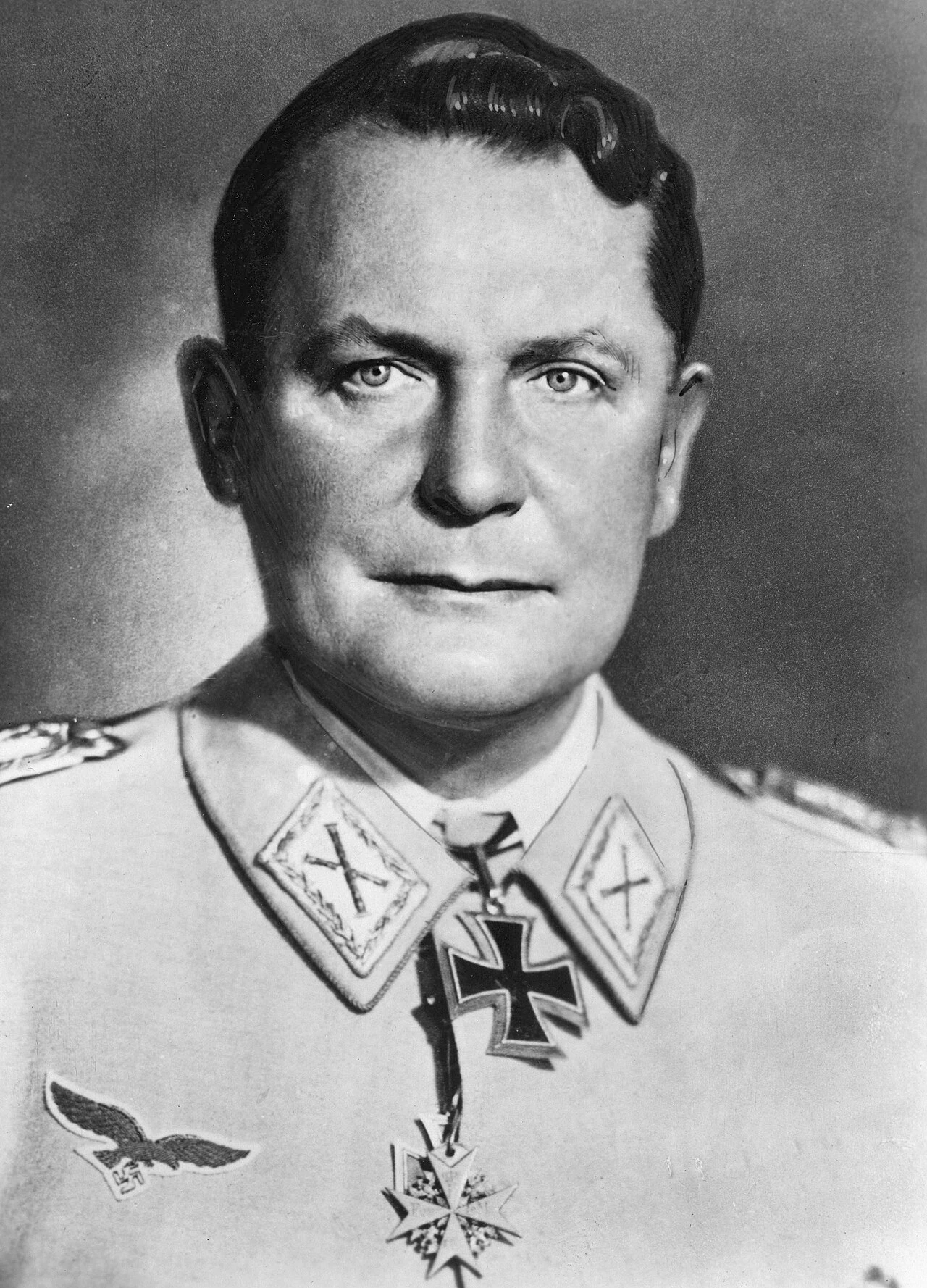
Göring's promise — Operation Adler
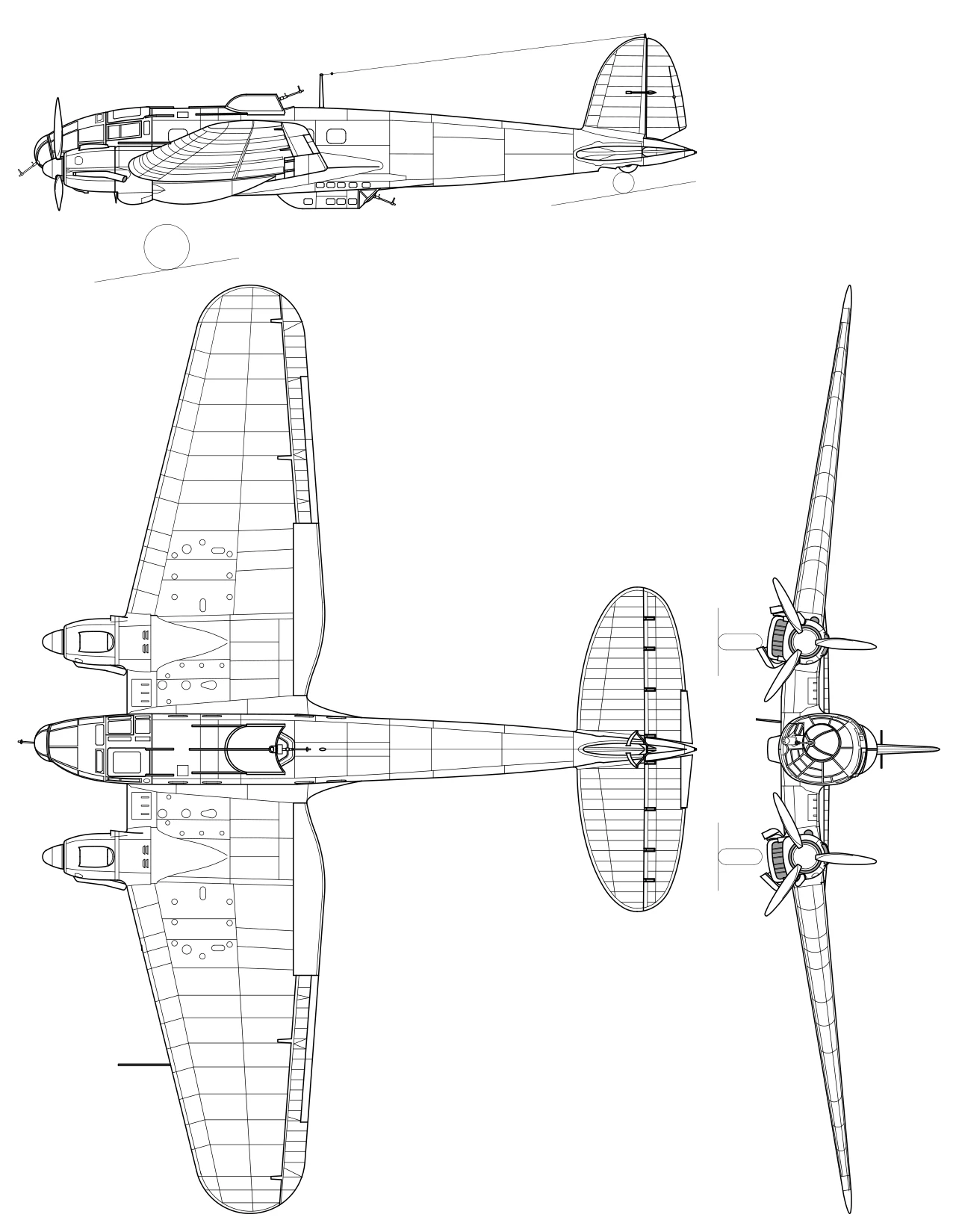
The doctrine of terror bombing
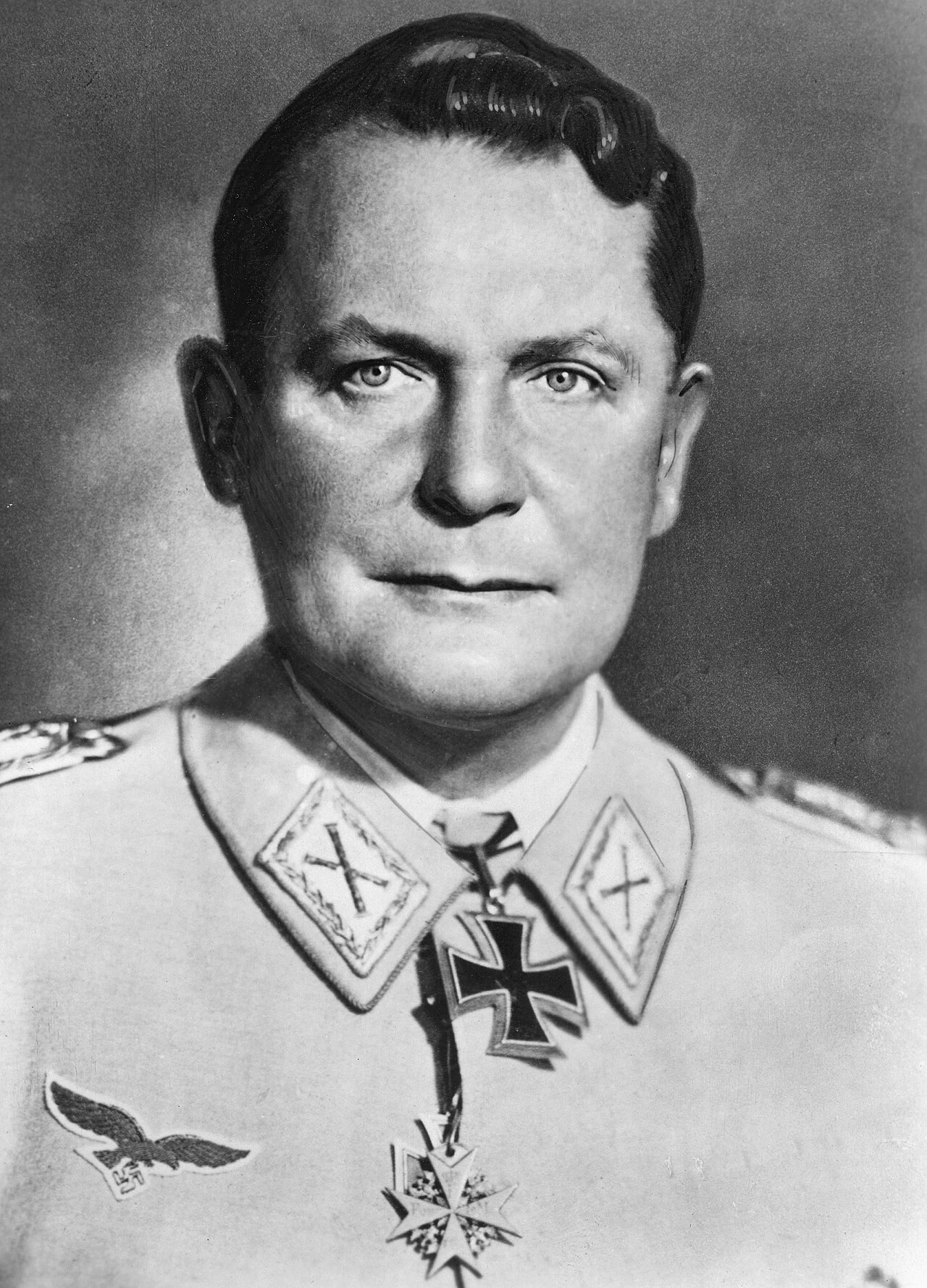
Goering at Carinhall — the promise to Hitler
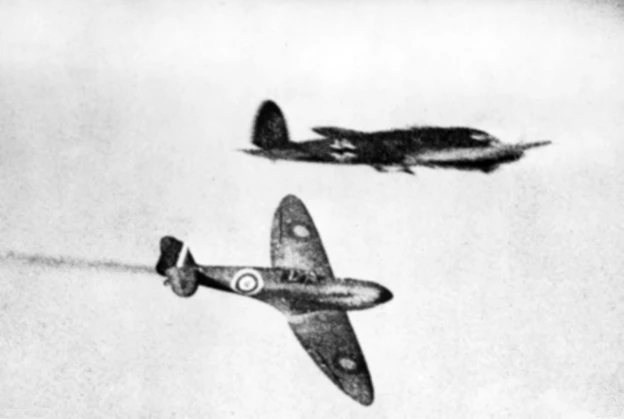
Eagle Day
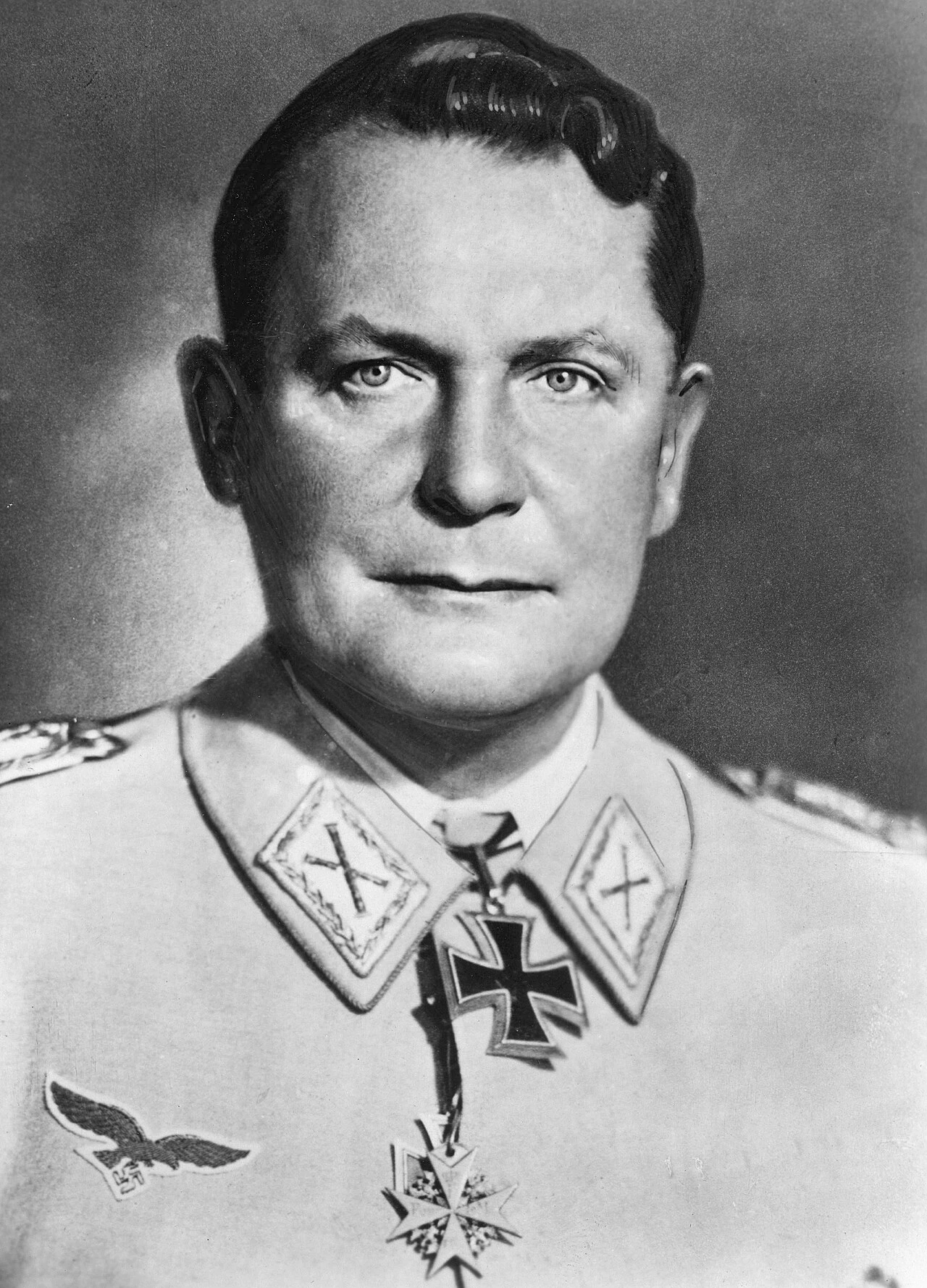
Göring at Cap Gris-Nez — September 7
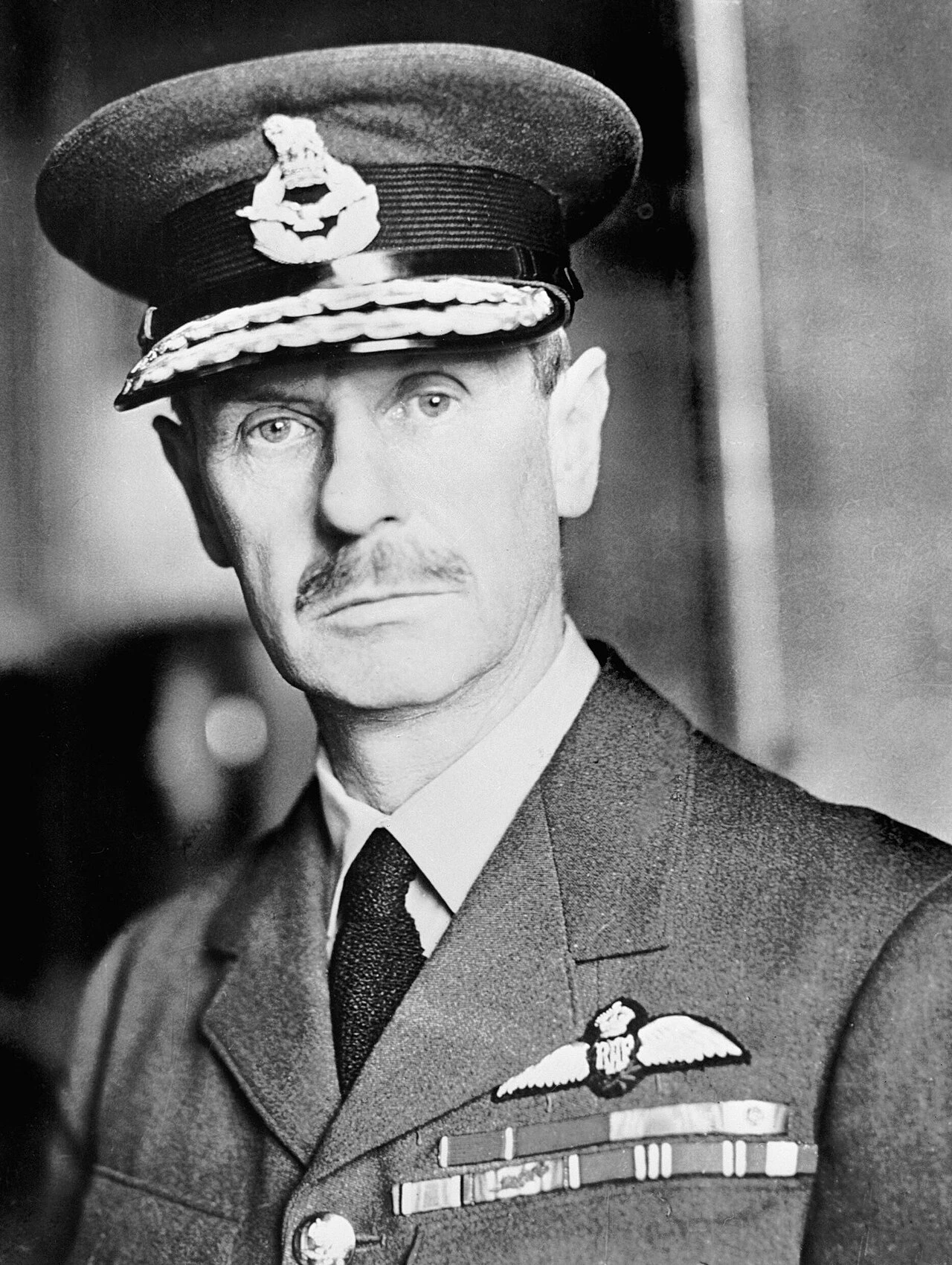
Dowding — Keep the Fighters?
Hold the bastion or save the divisions?
Valkenburg — paras on a grass strip
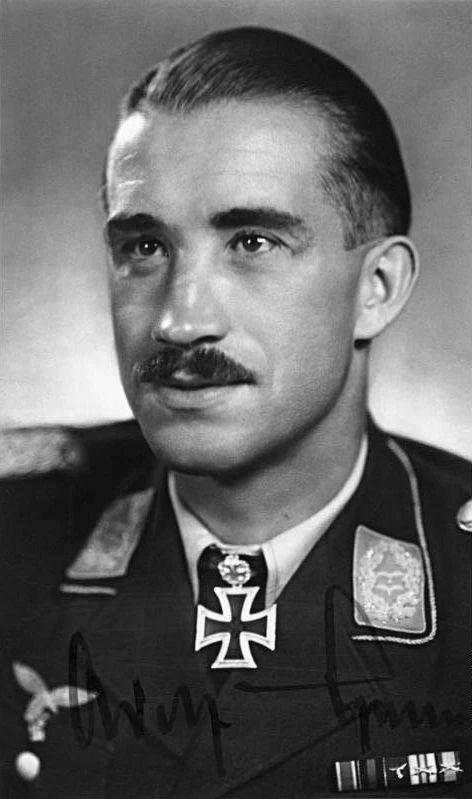
Galland over the Estuary
Adlertag — which targets?
Göring's promise — Operation Adler
The doctrine of terror bombing
Goering at Carinhall — the promise to Hitler
Eagle Day
Göring at Cap Gris-Nez — September 7
Dowding — Keep the Fighters?
Hold the bastion or save the divisions?
Valkenburg — paras on a grass strip