
Sevastopol 1941: Vice Admiral Oktyabrsky's Dilemma
In late October 1941, the Crimean front collapses. Erich von Manstein's German 11th Army has just forced the narrow isthmus of Perekop, sweeping aside the Soviet defenses, and is surging toward the south of the peninsula. Within a few days, its armored and motorized columns reach the approaches to Sevastopol, the great naval base that harbors the Black Sea Fleet. You, Vice Admiral Filipp Oktyabrsky, command this fleet and bear responsibility for the fate of the city.
The situation is critical. The stronghold's land defenses were designed against an attack from the sea, not from inland. General Petrov's Coastal Army, falling back in disorder from the north, has not yet arrived in force, and the garrison consists for the most part of disembarked sailors, coastal batteries, and assorted units. Yet Sevastopol locks the maritime access to the entire region and stands as a considerable symbol for both Moscow and Berlin. To lose it would open the Black Sea to the enemy; to defend it would require reinforcements, ammunition, and a supply line wholly dependent on convoys exposed to aircraft and mines.
Every hour counts before Manstein tightens his vise around the city. The order you give now will seal the destiny of the fleet and the garrison.
What order do you give in the face of the German 11th Army's advance on Sevastopol?
Oktyabrsky and the Soviet command chose to hold Sevastopol at all costs. The city, defended by Petrov's Coastal Army and the sailors of the Black Sea Fleet, repulsed the first German assaults of November and December 1941. Supplied by sea at the cost of heavy losses, the fortress held out for some 250 days, one of the longest sieges on the Eastern Front. Manstein had to mass colossal artillery, including giant mortars, to reduce the stronghold. Sevastopol did not fall until July 1942, after fierce fighting; some of the command cadre was evacuated while tens of thousands of defenders were killed or captured.
Learn more about this event
Related polls
10
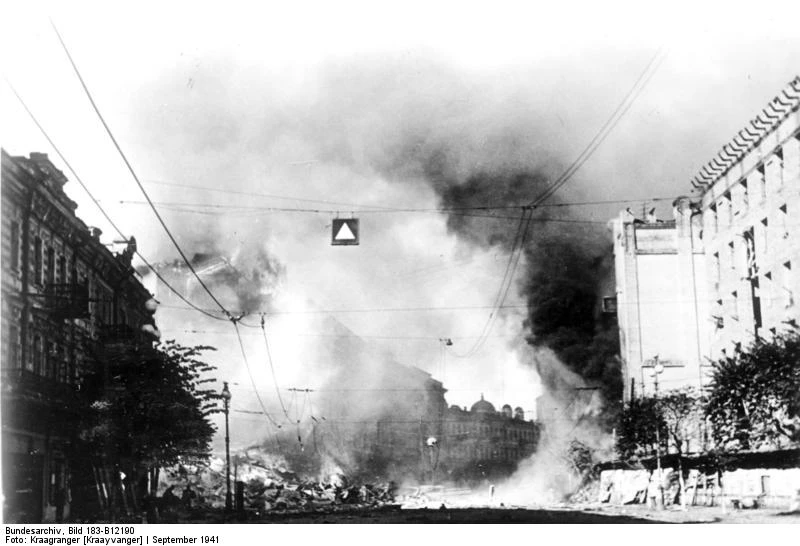
Kirponos, Kiev and Stalin's Prohibition
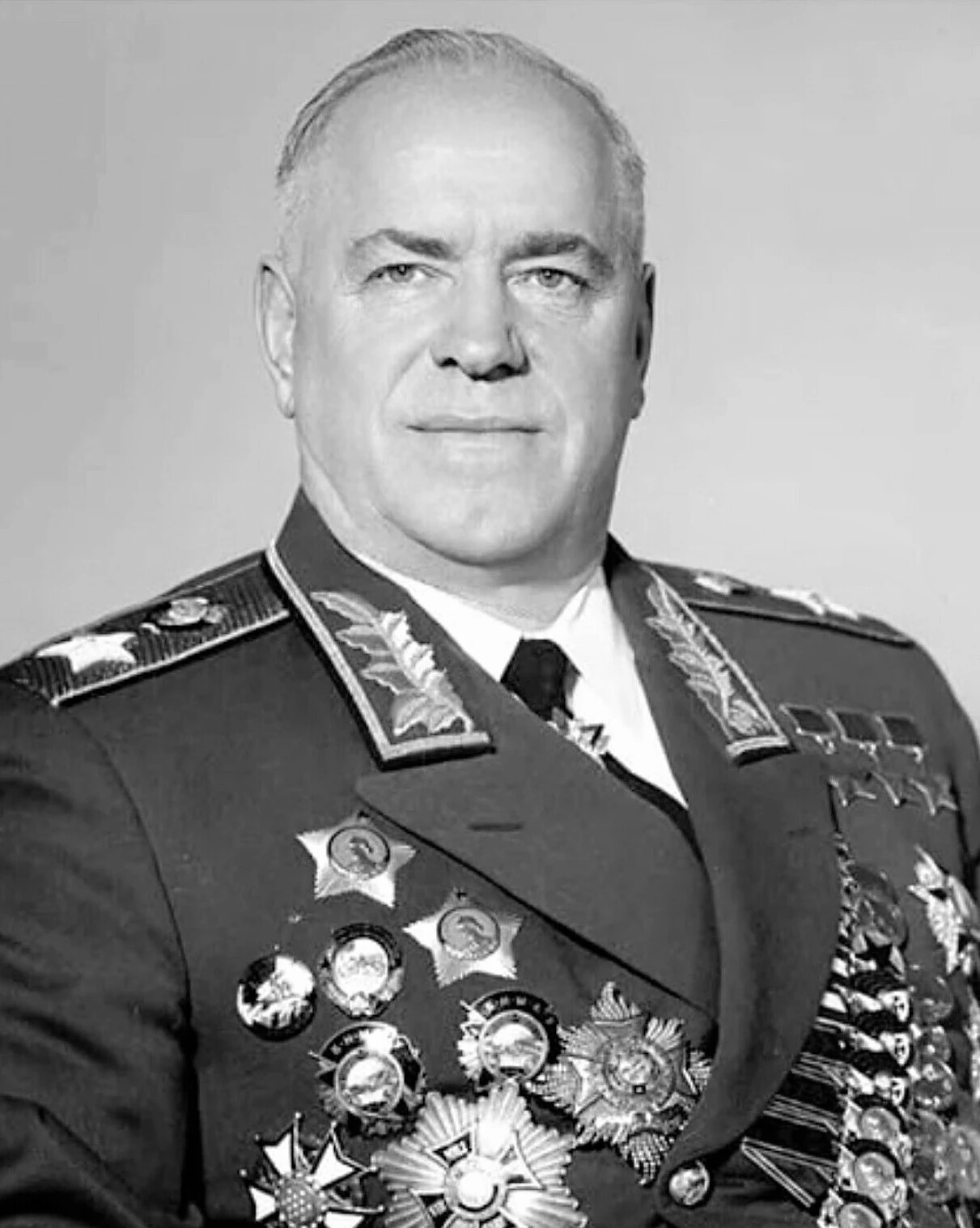
Zhukov Facing the Void Before Moscow
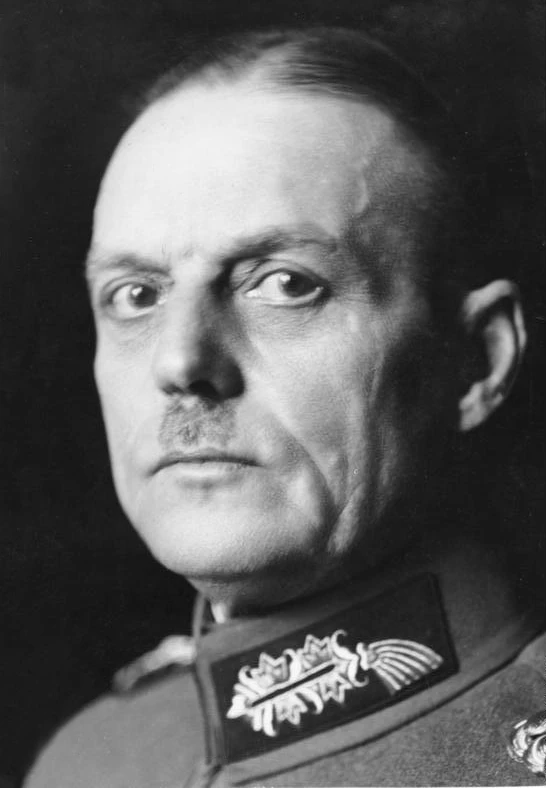
Rostov: Withdraw or Obey the Führer
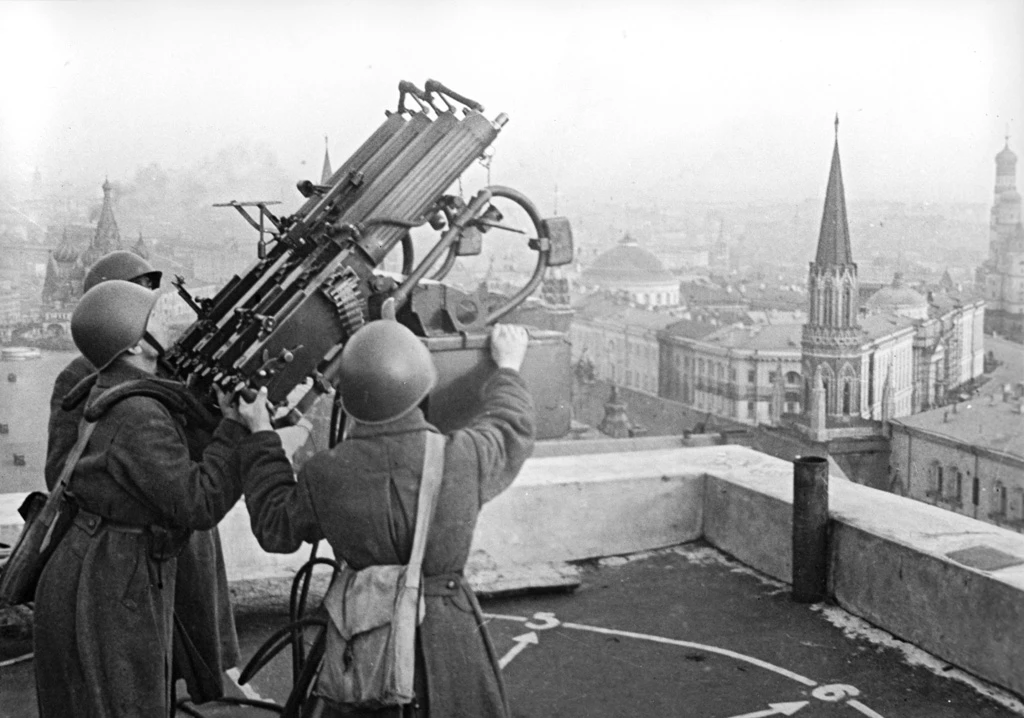
Vyazma, October 1941: the militia faces the onslaught
Barbarossa — 3:15 a.m.
Brest — the Encircled Fortress
Freyberg at Maleme
Smolensk — the pocket closes
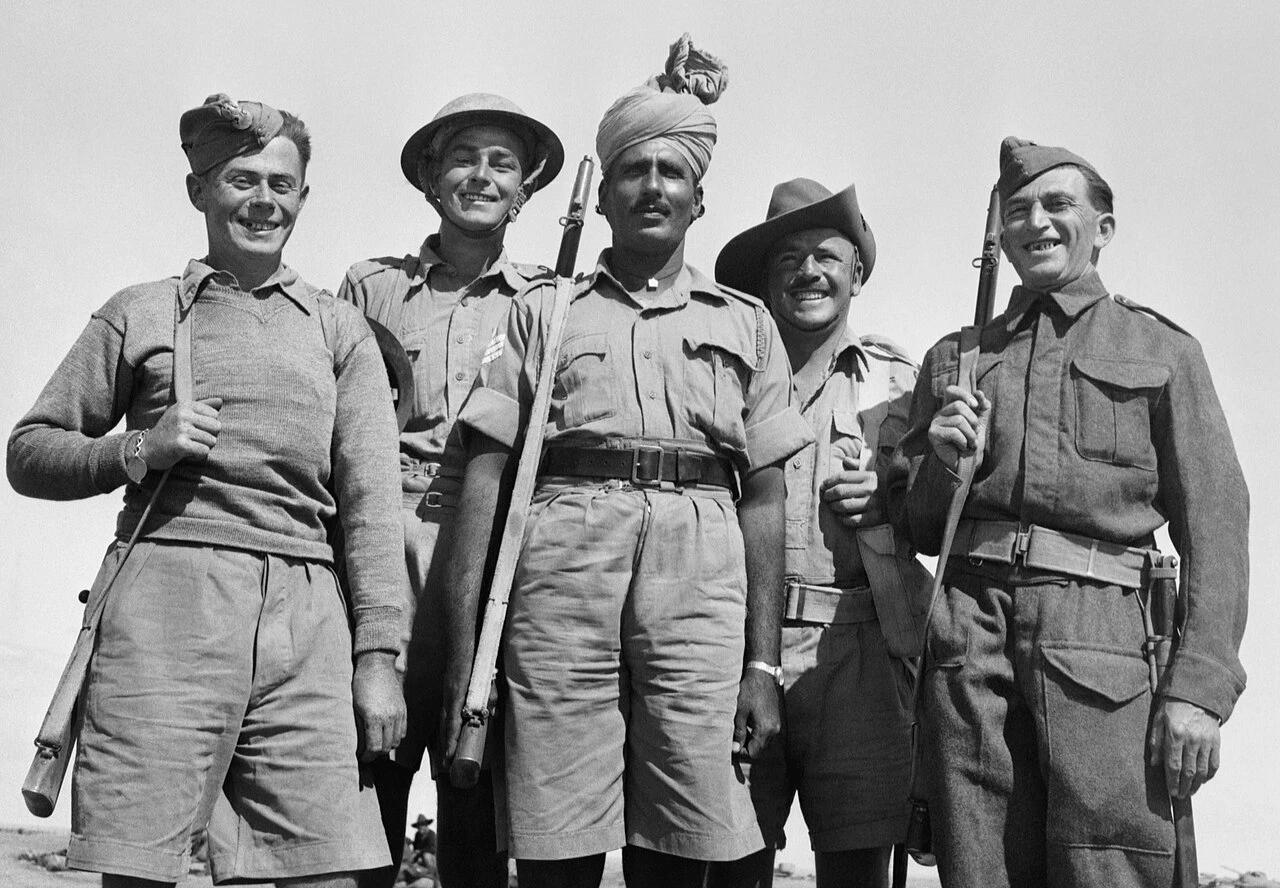
Tobruk, 21 November 1941: the besieged garrison's sortie
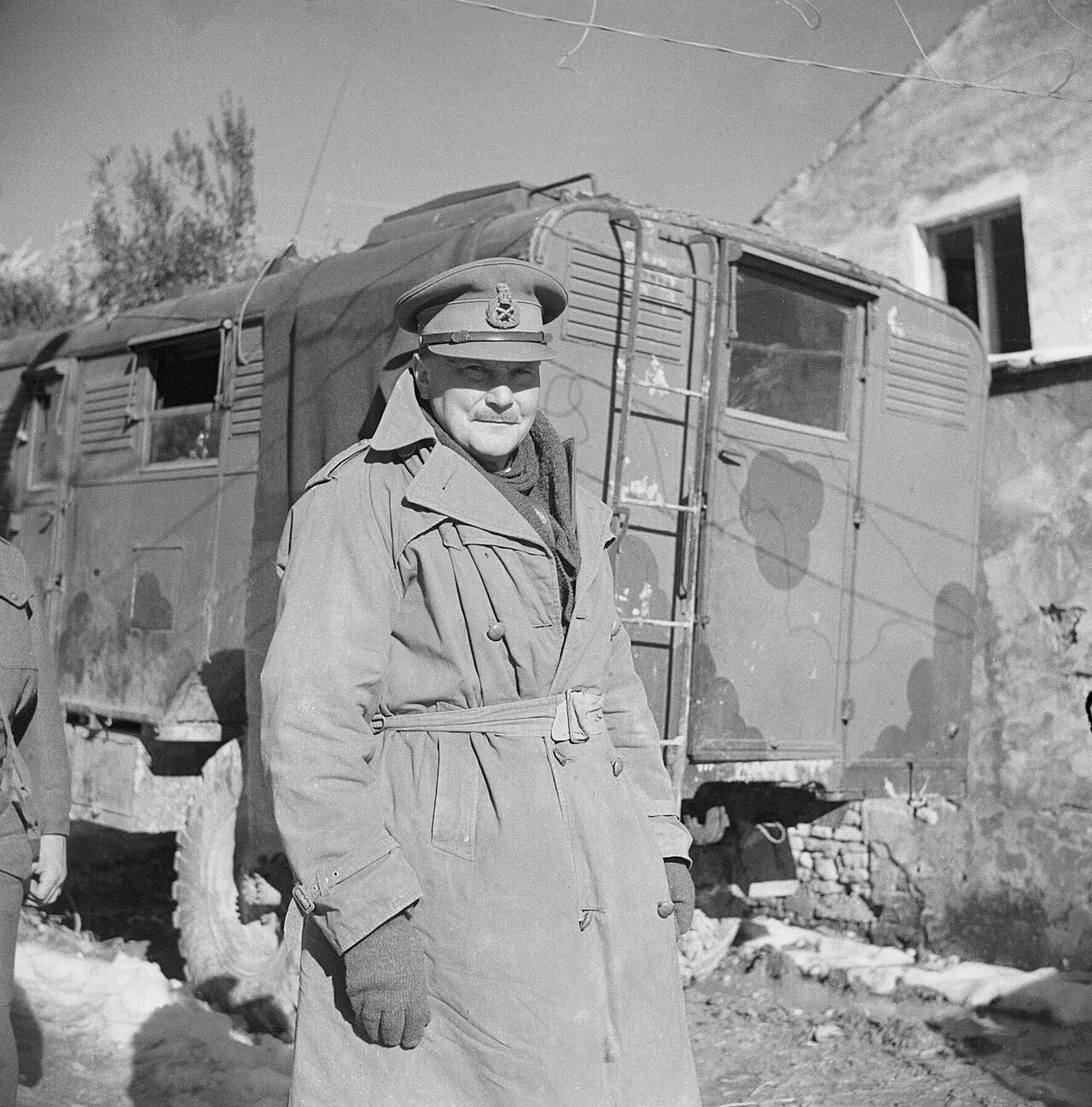
Ultra has spoken, but Freyberg is watching the sea
Kirponos, Kiev and Stalin's Prohibition
Zhukov Facing the Void Before Moscow
Rostov: Withdraw or Obey the Führer
Vyazma, October 1941: the militia faces the onslaught
Barbarossa — 3:15 a.m.
Brest — the Encircled Fortress
Freyberg at Maleme
Smolensk — the pocket closes
Tobruk, 21 November 1941: the besieged garrison's sortie