
Autumn 1939. The neutrality laws passed during the 1930s prohibit selling arms to belligerents and using American ships to deliver them. War has just broken out in Europe, and Roosevelt wants to help France and Great Britain without committing his country militarily.
Congress is deeply divided. The isolationists, backed by voices as popular as that of , fear a chain of events that would drag America into war.
Should all restrictions be lifted, a controlled opening be created, or the status quo maintained? Each option shapes a different relationship with the European conflict.
How far should the United States loosen its neutrality in the face of the war in Europe?
On 4 November 1939, Congress adopts a revision of the neutrality laws establishing the principle of "cash and carry": belligerents may purchase materiel, arms included, provided they pay in cash and carry it away on their own ships. The measure benefits above all the Allies, masters of the seas, while keeping American ships out of the war zone. It paves the way for Lend-Lease in March 1941, with the entry into the war coming only after Pearl Harbor in December 1941.
Learn more about this event
Related polls
10
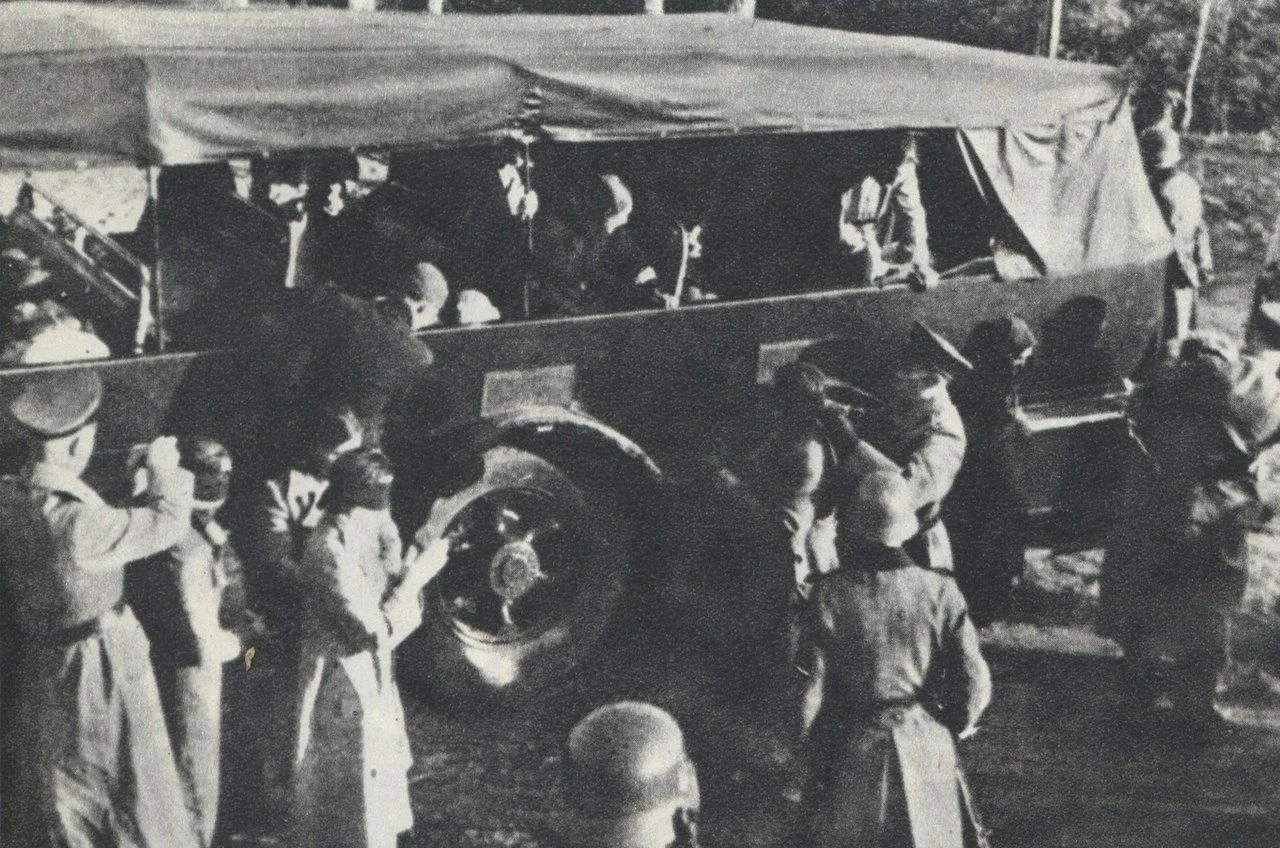
Sumner Welles — Preparing the European Mission

Charles Lindbergh — at the NBC Microphone
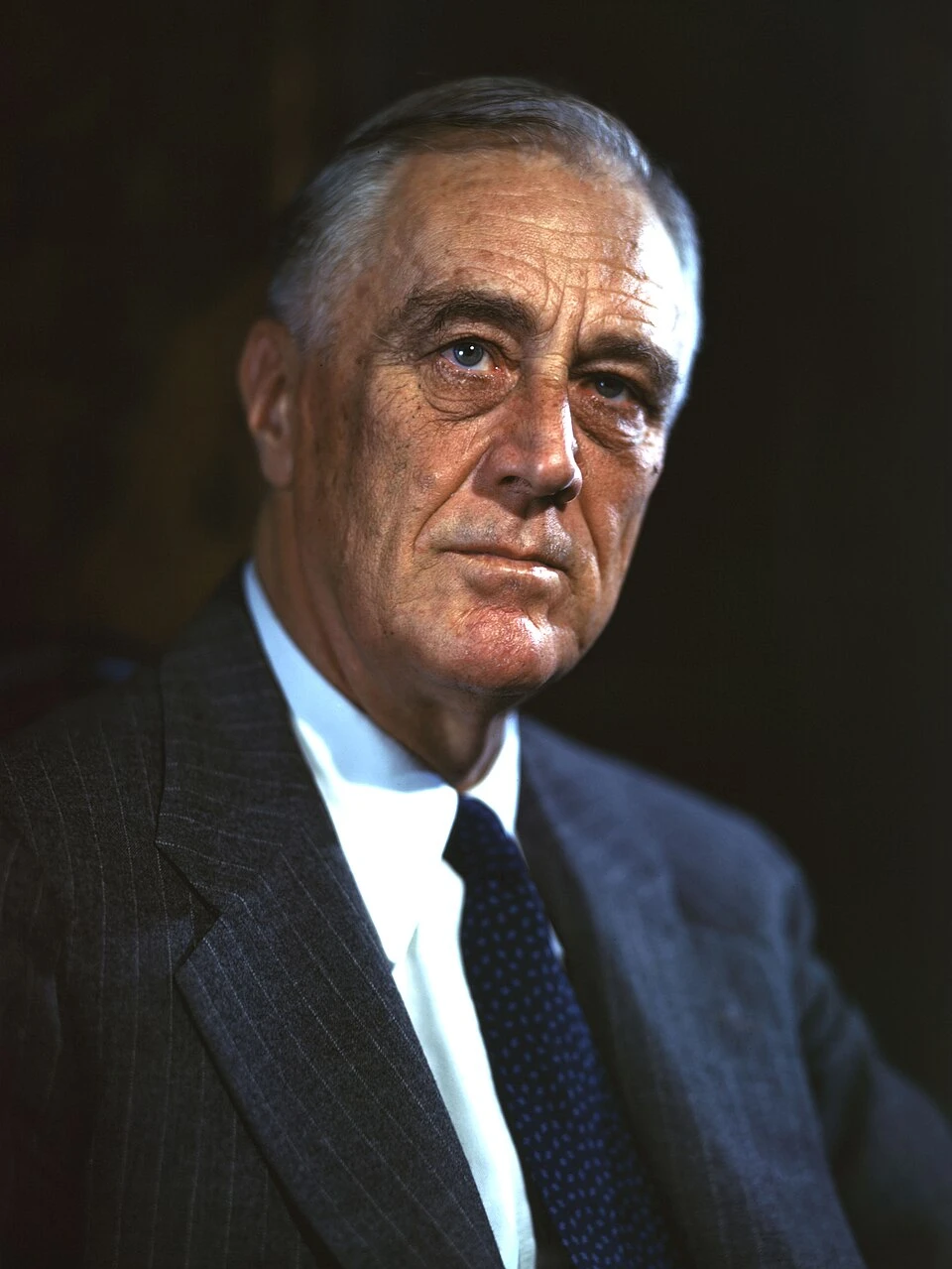
Roosevelt — revising the Neutrality Act
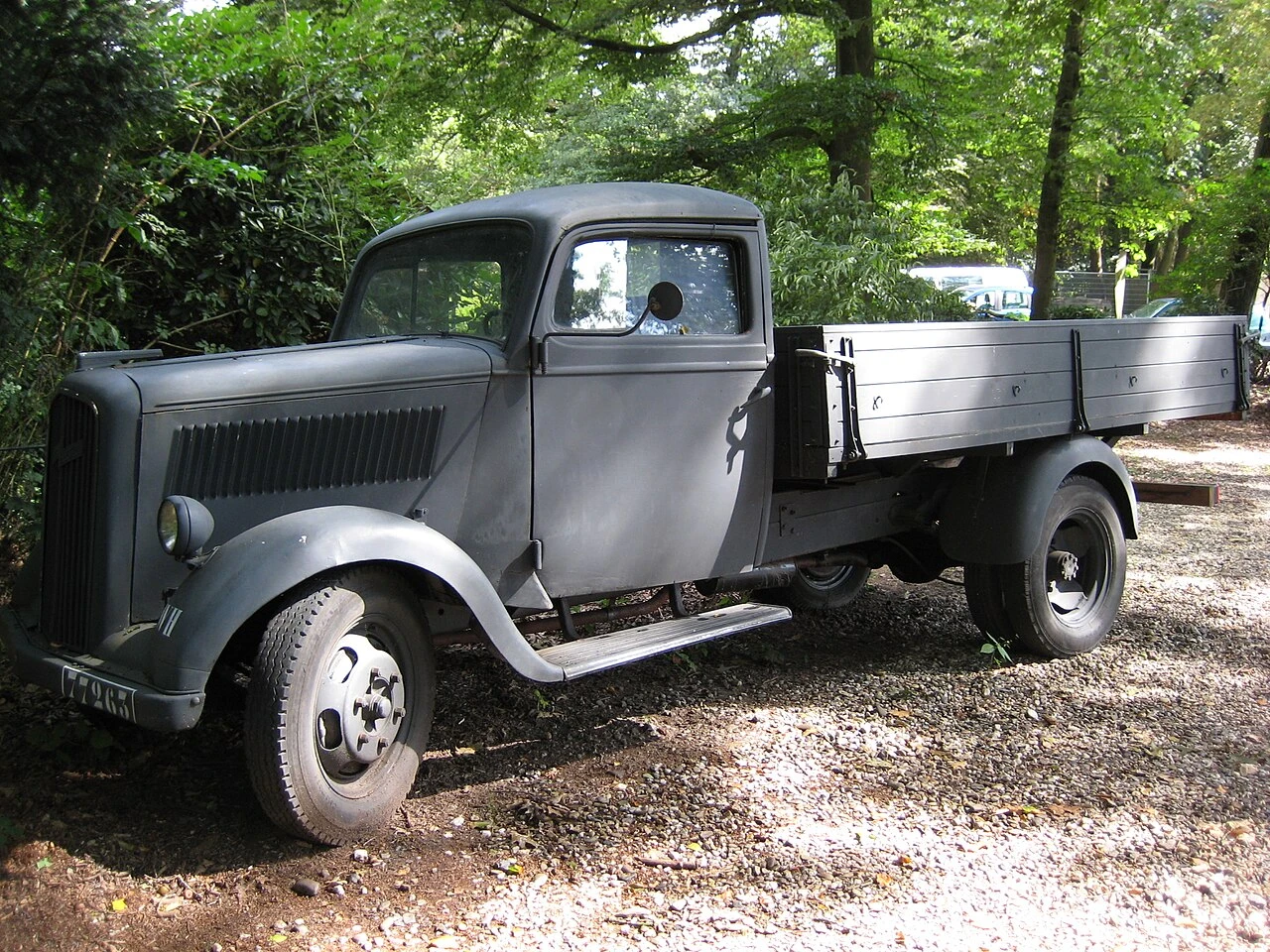
Opel under the wartime Reich: what does General Motors do?
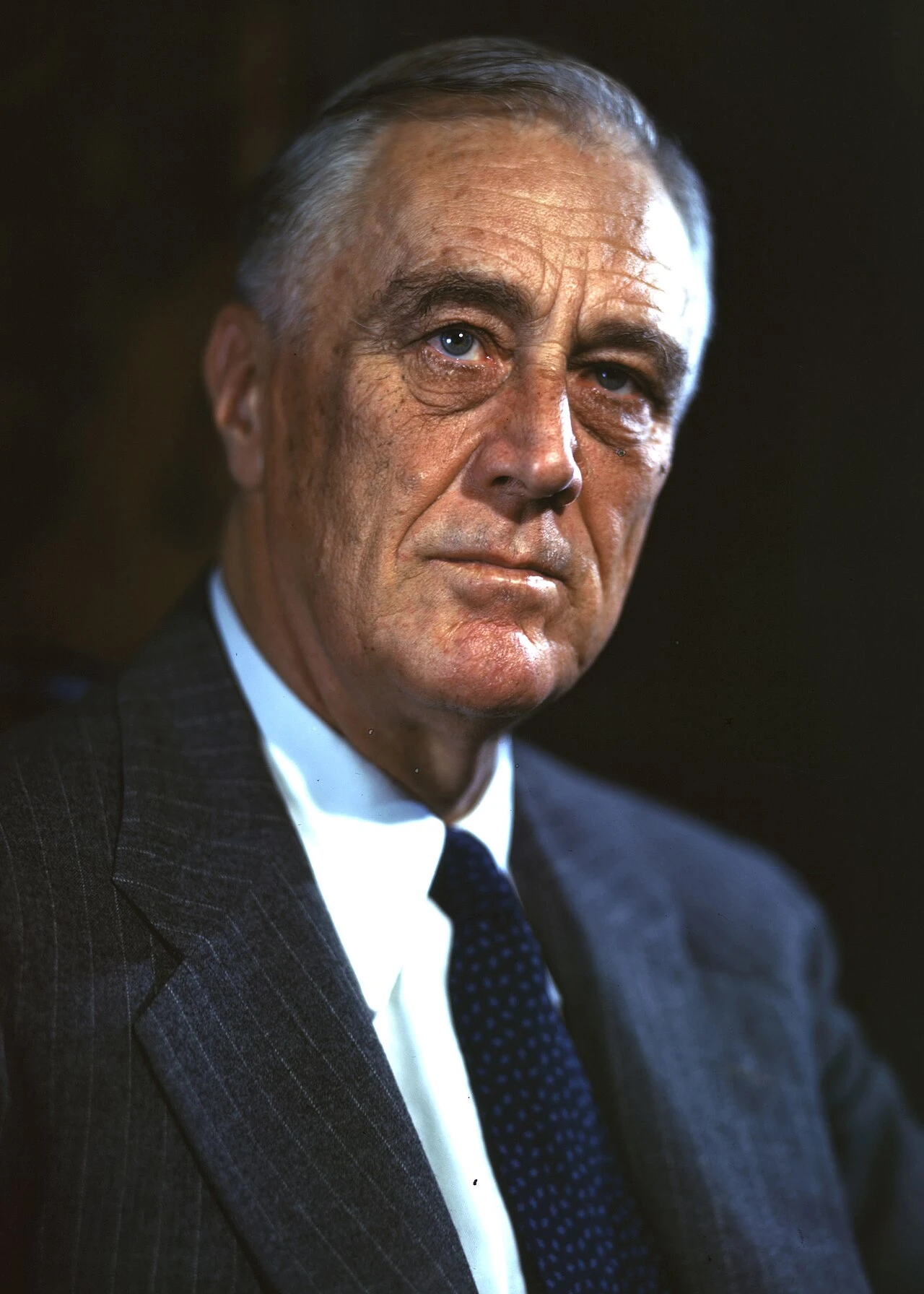
Roosevelt and the Arms Embargo
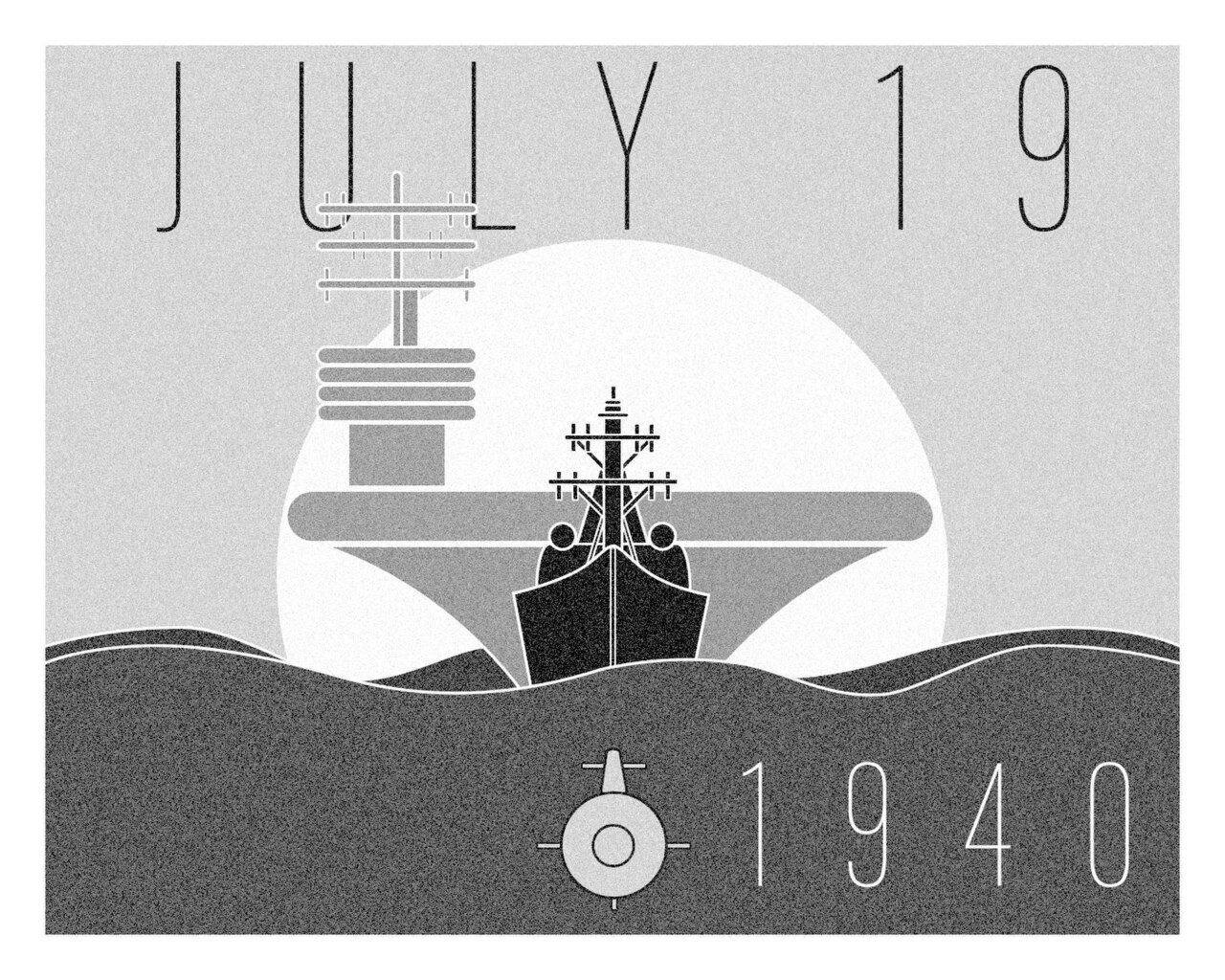
Vinson and the Two-Ocean Navy Act
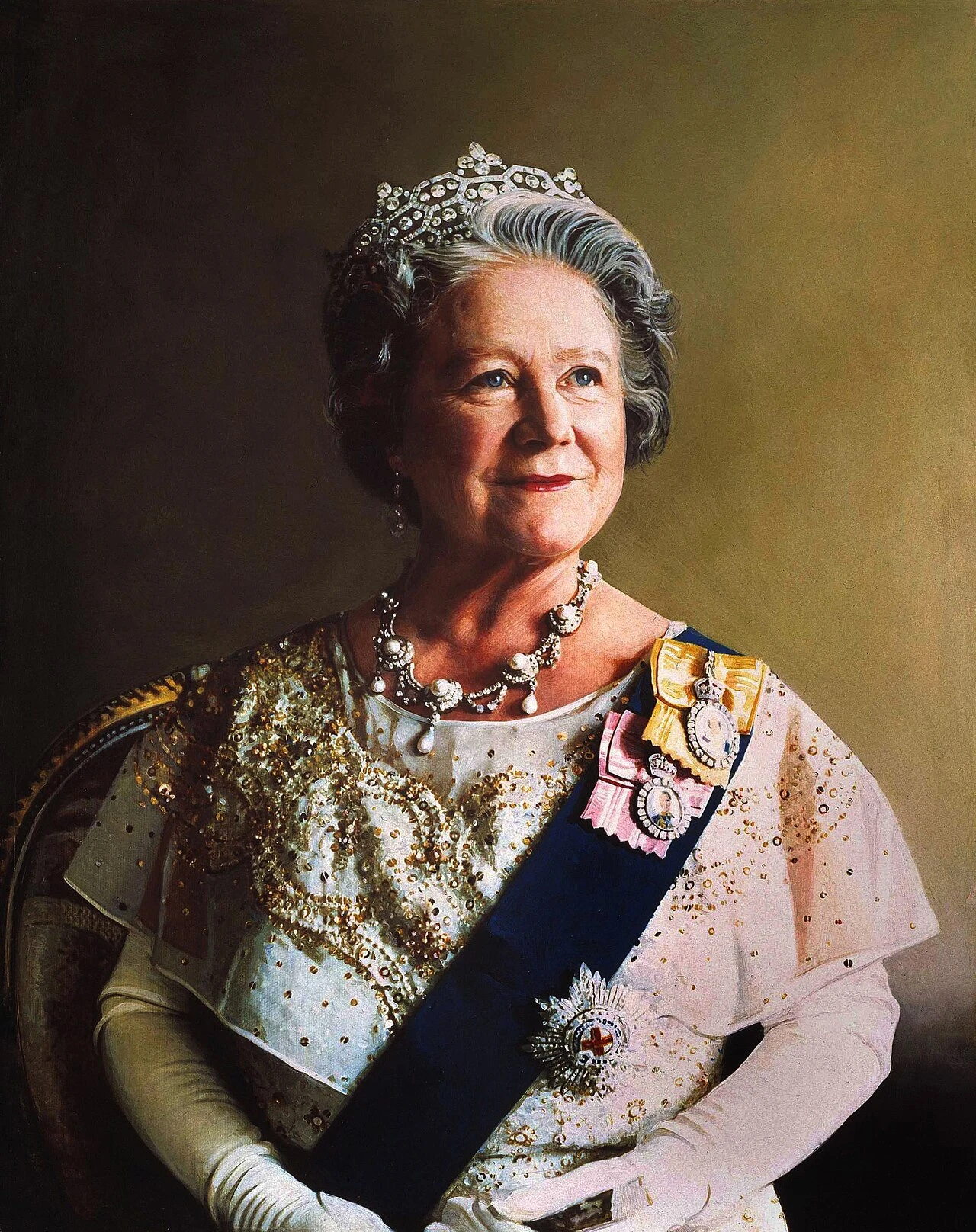
The Royal Visit of George VI
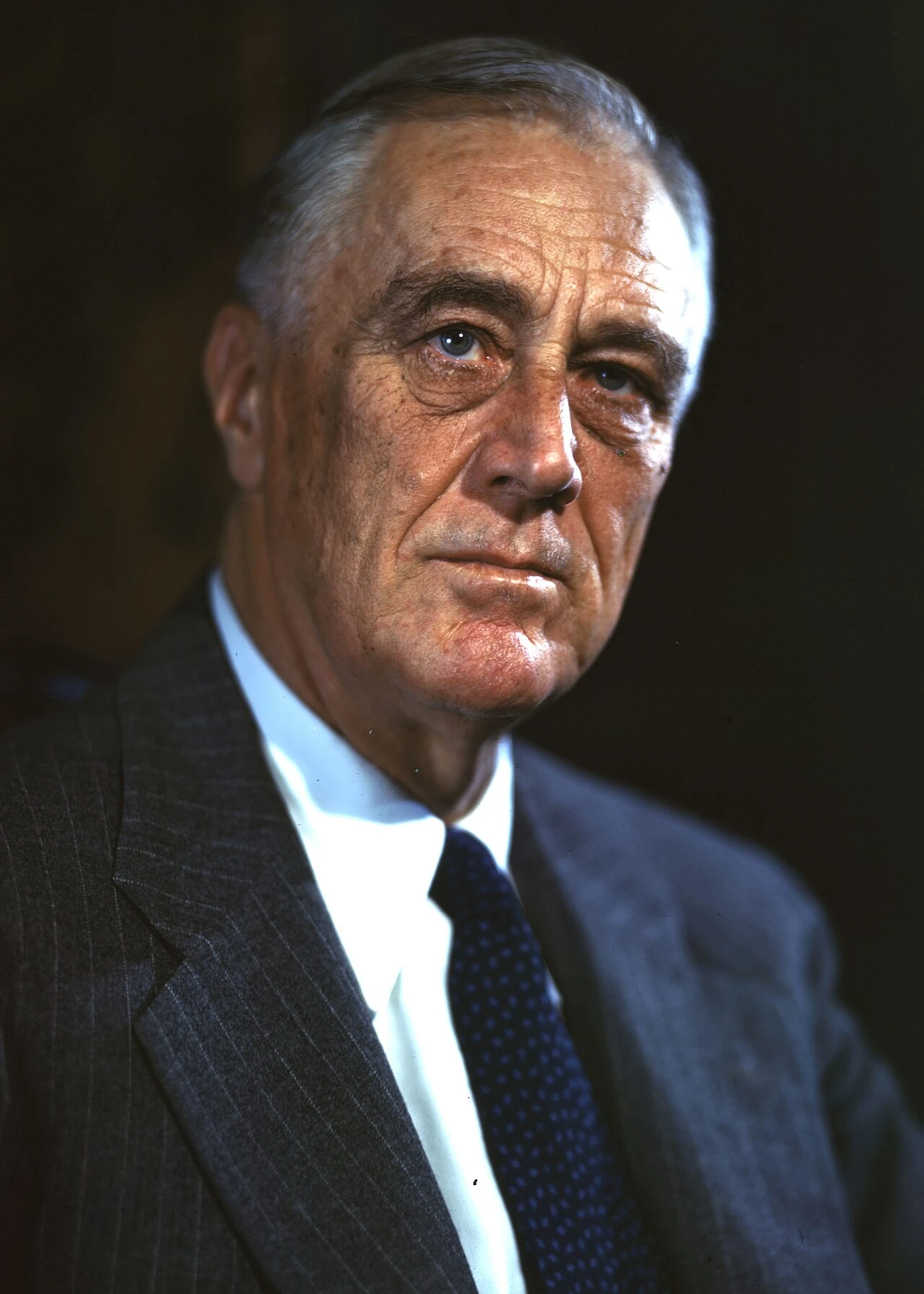
Roosevelt's Appeal

Elser in Munich — Bürgerbräukeller, 9.20 p.m.
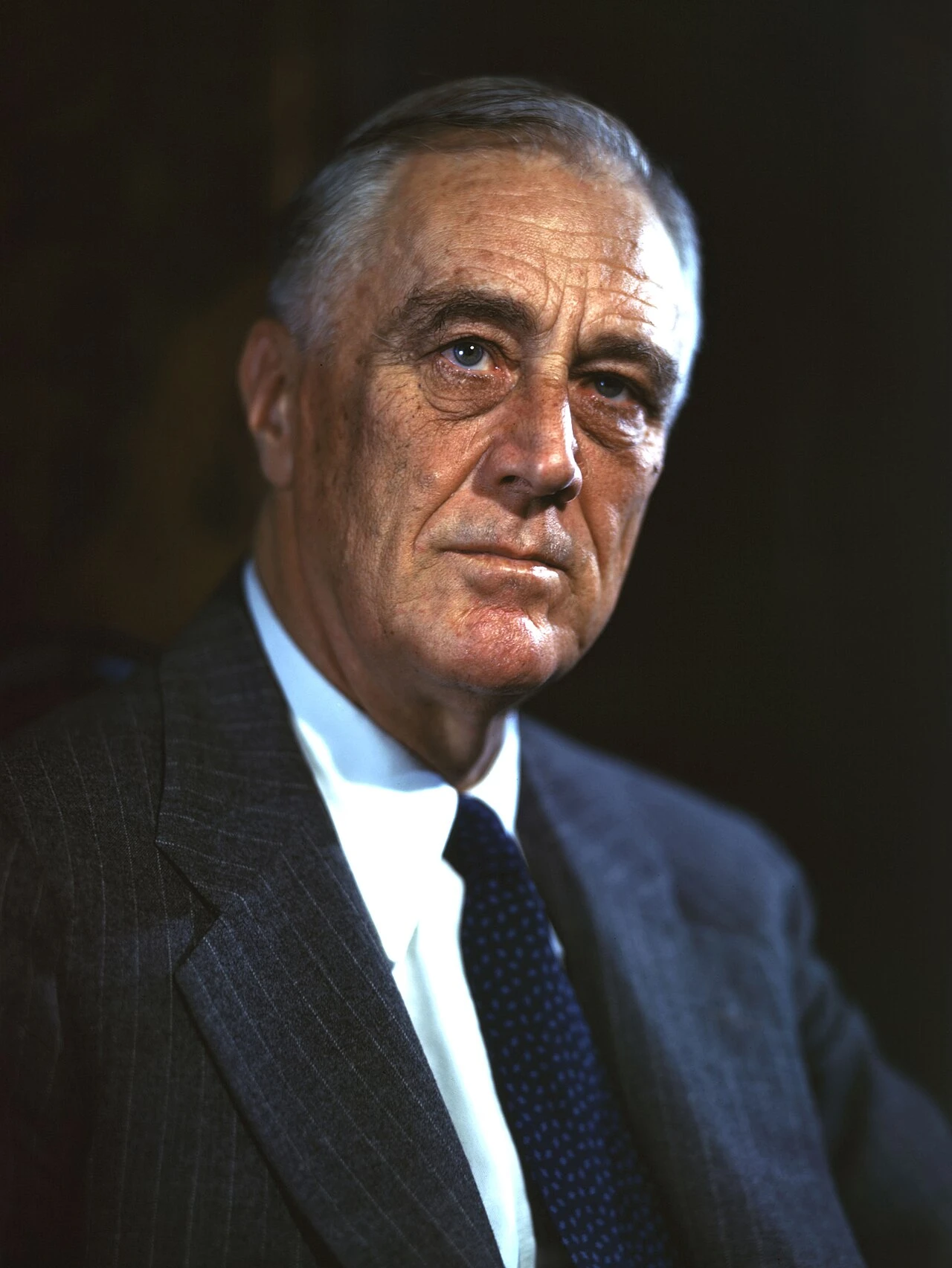
Should Stalin Be Armed?
Sumner Welles — Preparing the European Mission
Charles Lindbergh — at the NBC Microphone
Roosevelt — revising the Neutrality Act
Opel under the wartime Reich: what does General Motors do?
Roosevelt and the Arms Embargo
Vinson and the Two-Ocean Navy Act
The Royal Visit of George VI
Roosevelt's Appeal
Elser in Munich — Bürgerbräukeller, 9.20 p.m.