
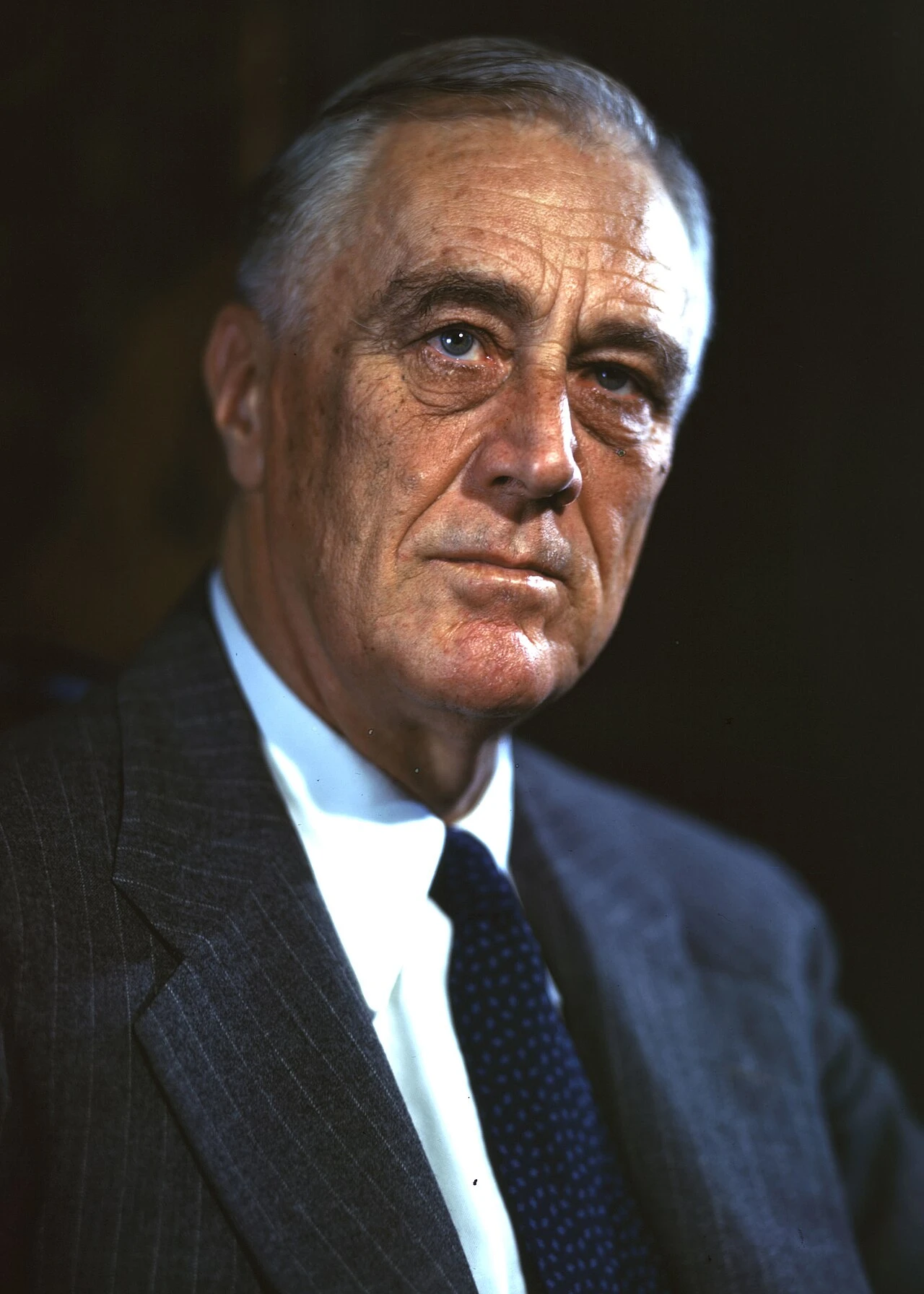
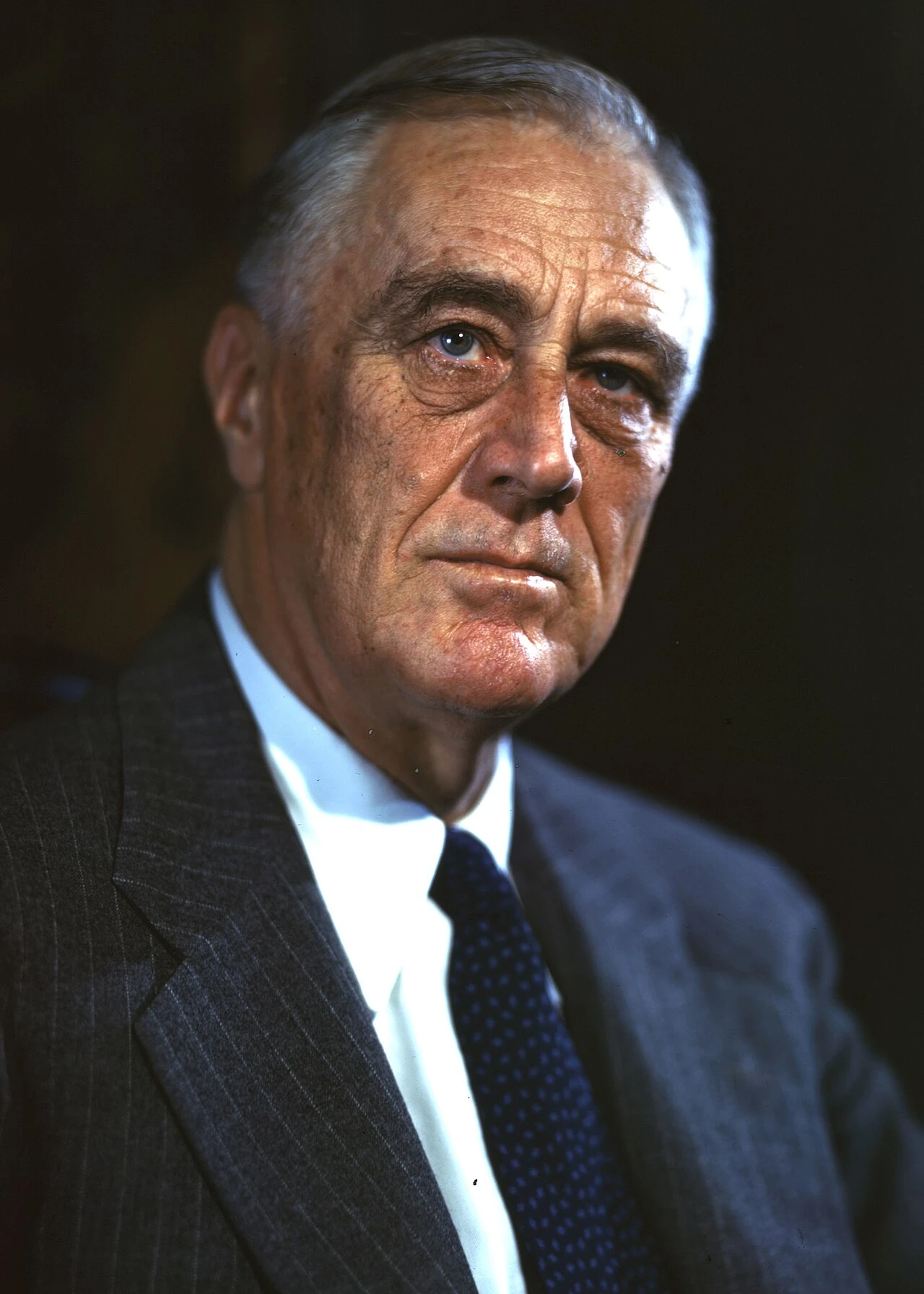
Roosevelt and the Squadron for Singapore — Washington, October 1940
leads an officially neutral United States, a few weeks from a presidential election he is contesting for an unprecedented third term. Isolationism remains powerful in Congress and in public opinion: any military gesture towards Asia could cost him dearly at the polls.
In the Pacific, the situation tightens brutally. On 27 September 1940, Japan has signed the Tripartite Pact with Germany and Italy; it is occupying the north of French Indochina. London decides in reaction to reopen the Burma Road, the main supply line to Nationalist China, closed for three months under pressure from Tokyo.
On 4 October 1940, Churchill cables Roosevelt that "one single action would perhaps speak louder than words" and asks whether he could send "an American squadron, the strongest possible, to pay a friendly visit to Singapore" — a deterrent gesture at a moment when the reopening of the road, set for 17 October, risks provoking Japan.
In Washington, the idea soon runs into strong objections. Roosevelt must arbitrate between a façade of firmness towards Tokyo and electoral prudence.
Pressed by Churchill to show the flag at Singapore, what does Roosevelt decide?
Roosevelt chose A. At a meeting on 5 October, Admiral , Chief of Naval Operations, opposed sending the squadron firmly, backed by Under-Secretary of State , who had the president's ear. Roosevelt set aside the naval demonstration at Singapore: too provocative towards Tokyo and too risky politically on the eve of the vote, it would have fed the isolationist opposition. He preferred to reinforce Hawaii. The Burma Road did indeed reopen on 18 October, but without the American naval umbrella Churchill had called for. It would take until 1941 and the gradual hardening of the American position to see Washington commit itself further against Japan.
Learn more about this event
Related polls
10
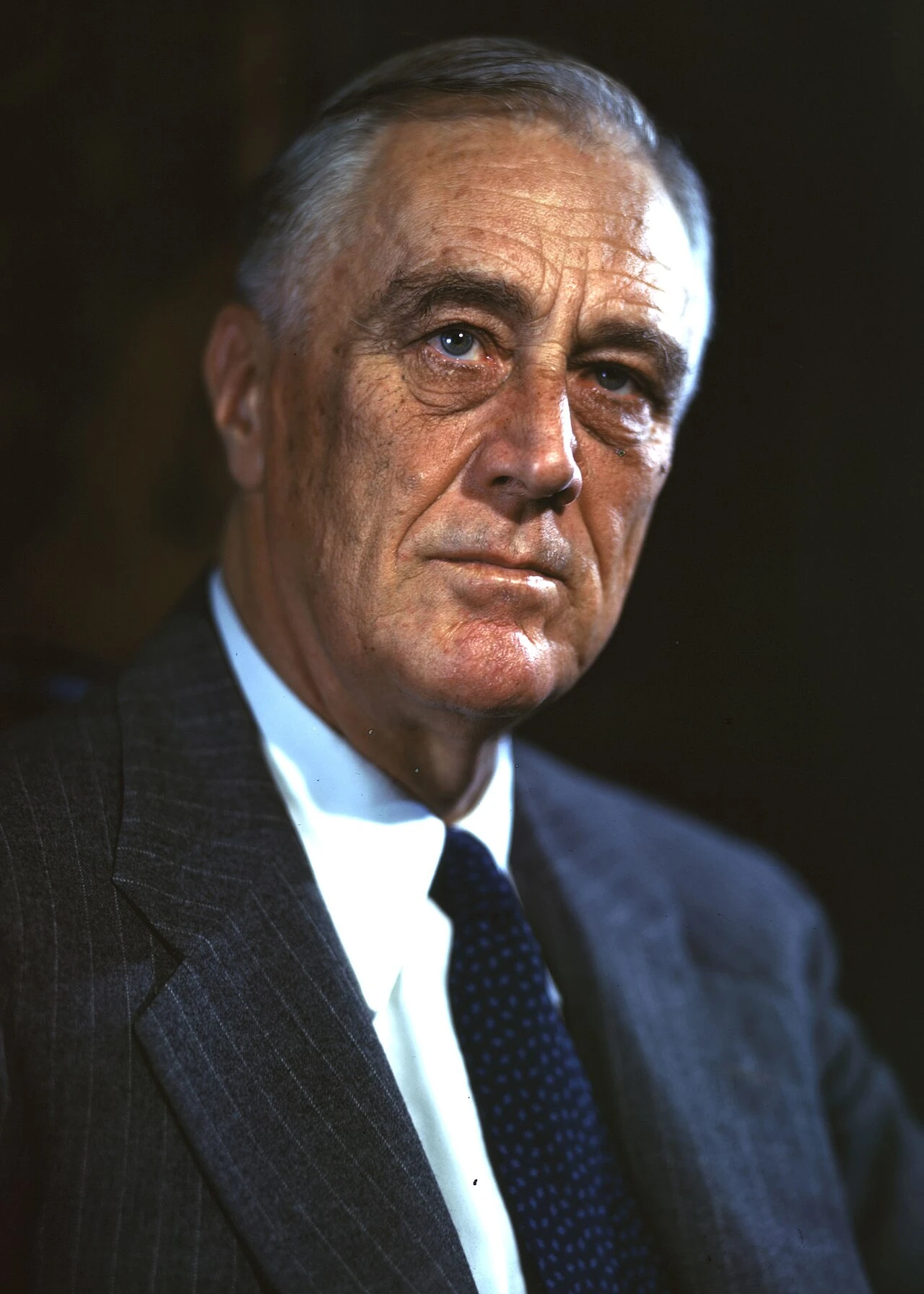
Roosevelt — destroyers for bases
Vinson and the Two-Ocean Navy Act
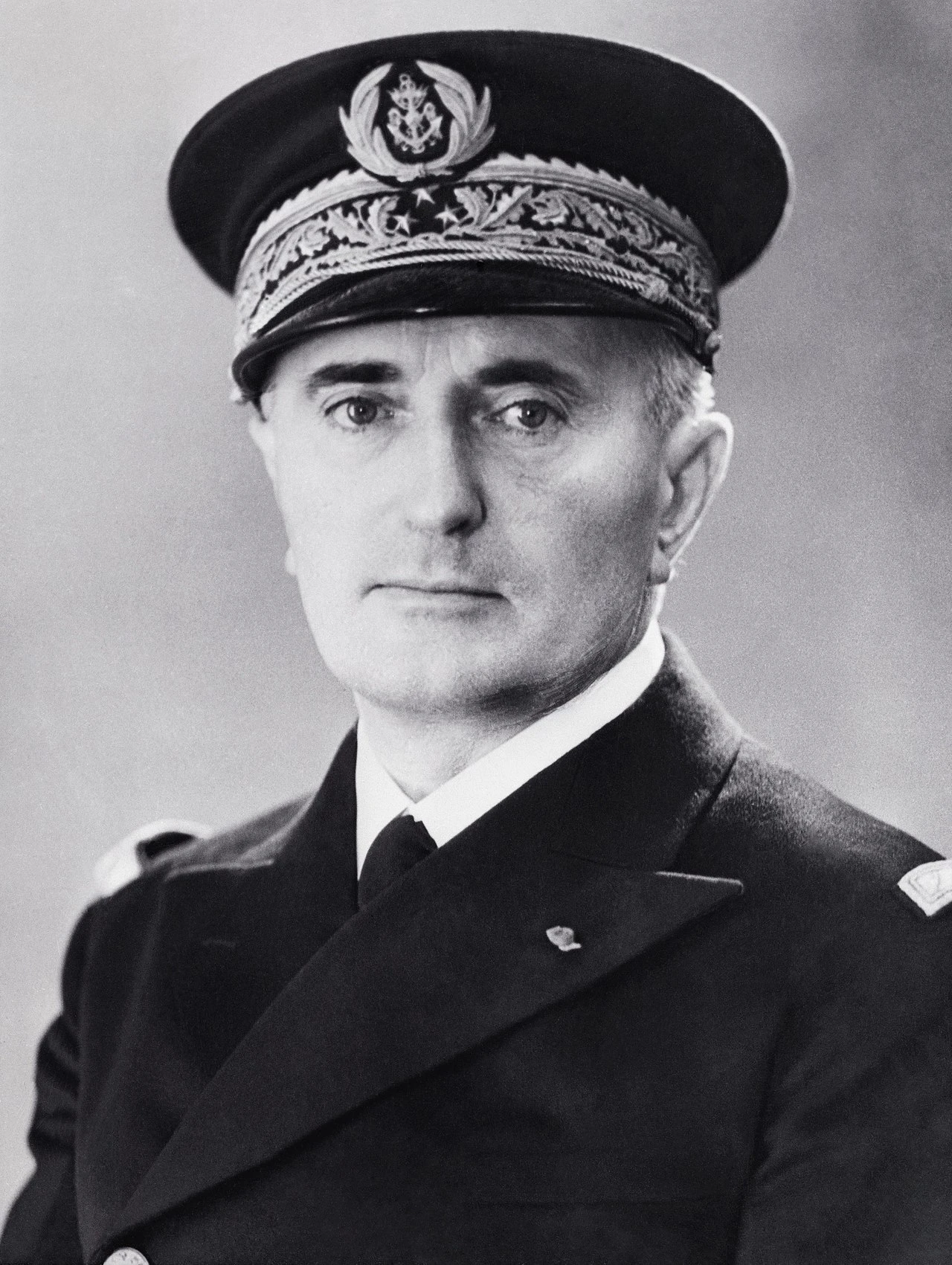
Darlan and the fleet — 20 June
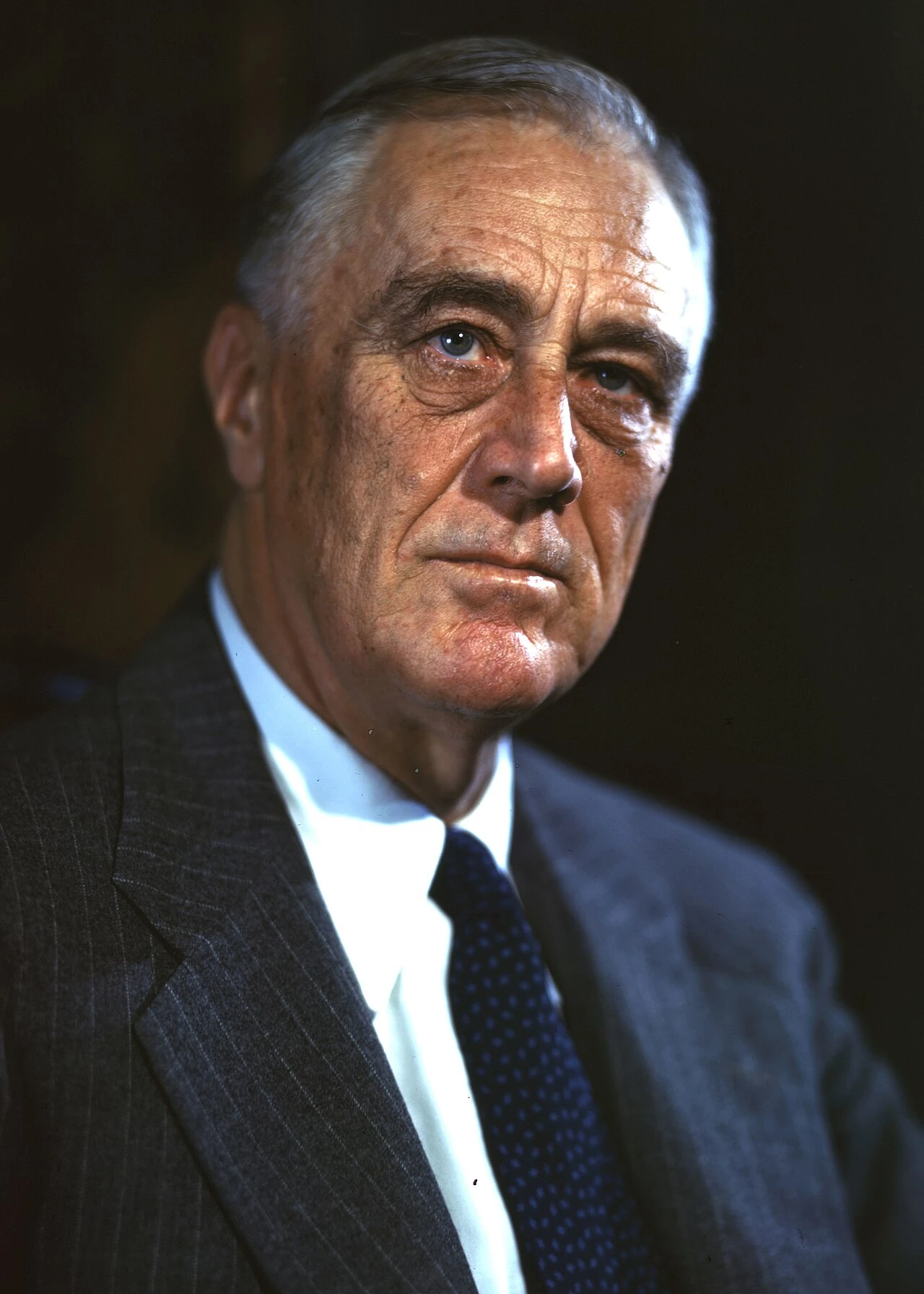
The United States lands in Iceland
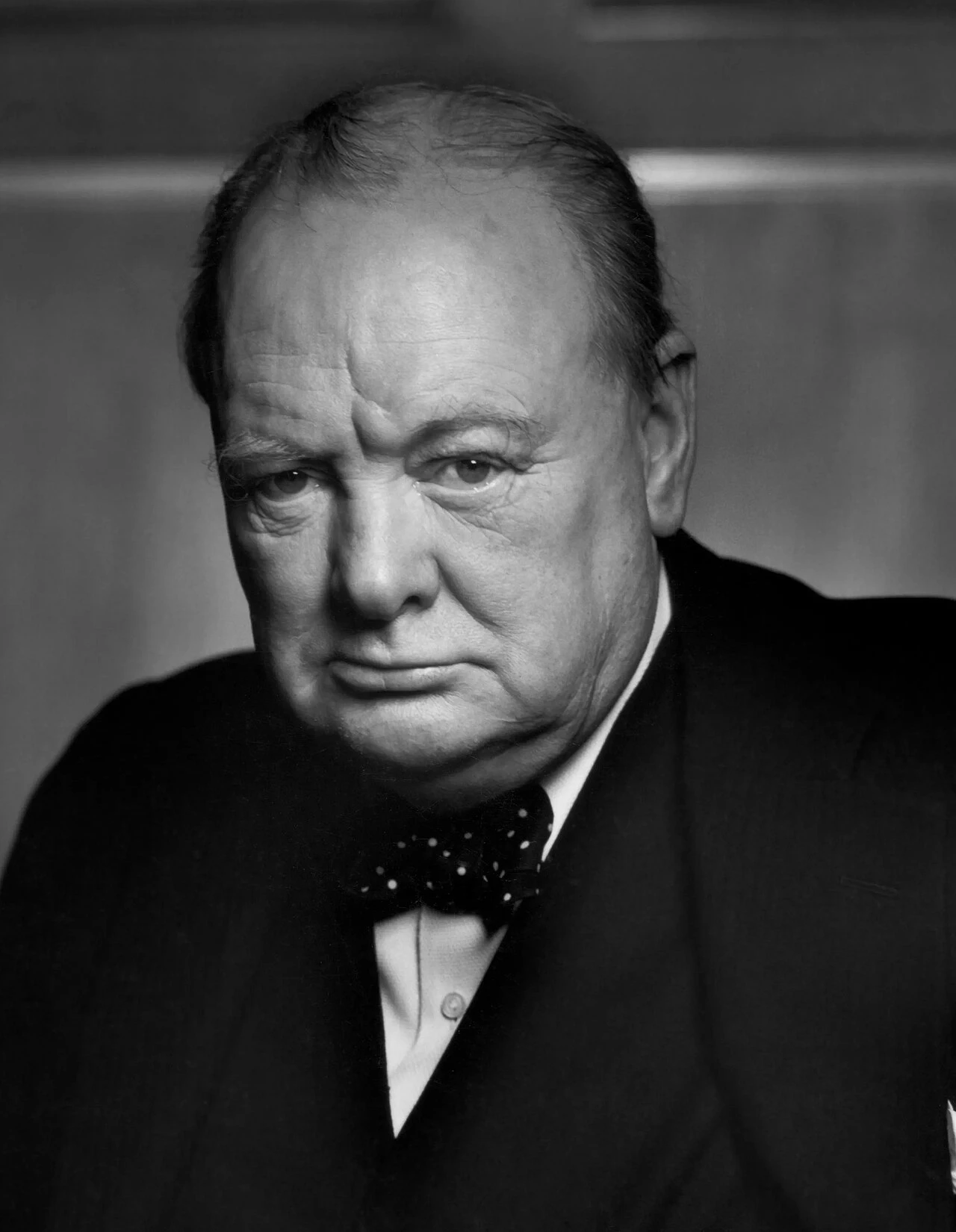
Mining the Rhine — Operation Royal Marine
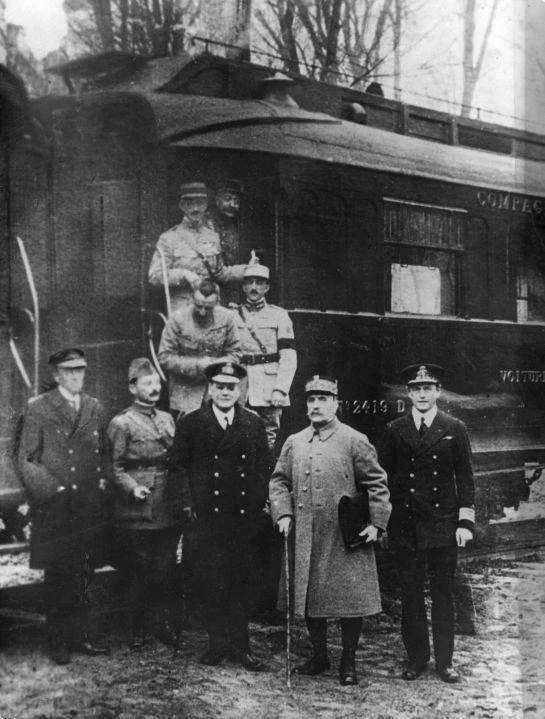
Rethondes — Article 8 on the Fleet
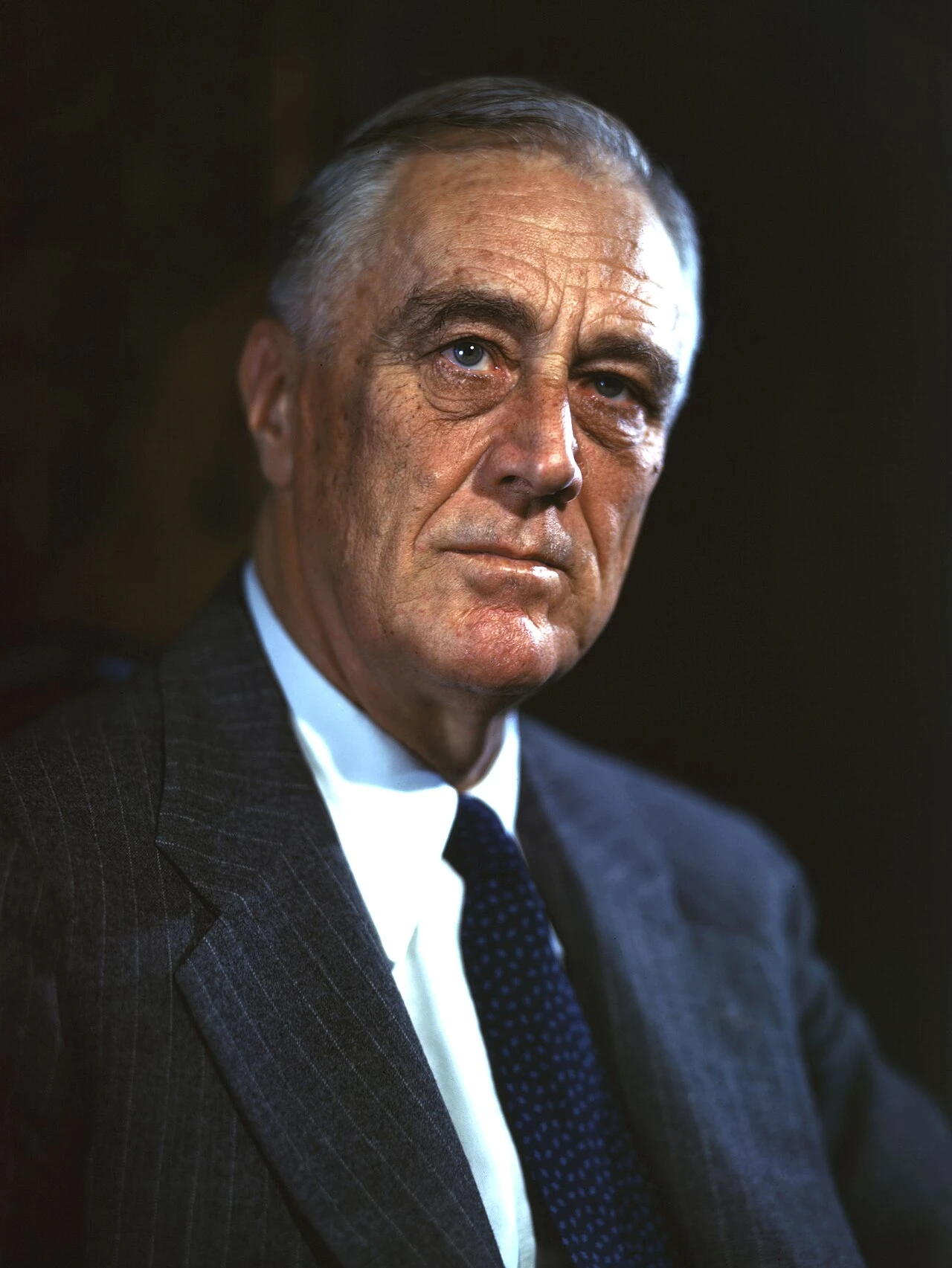
Roosevelt — Arm England?
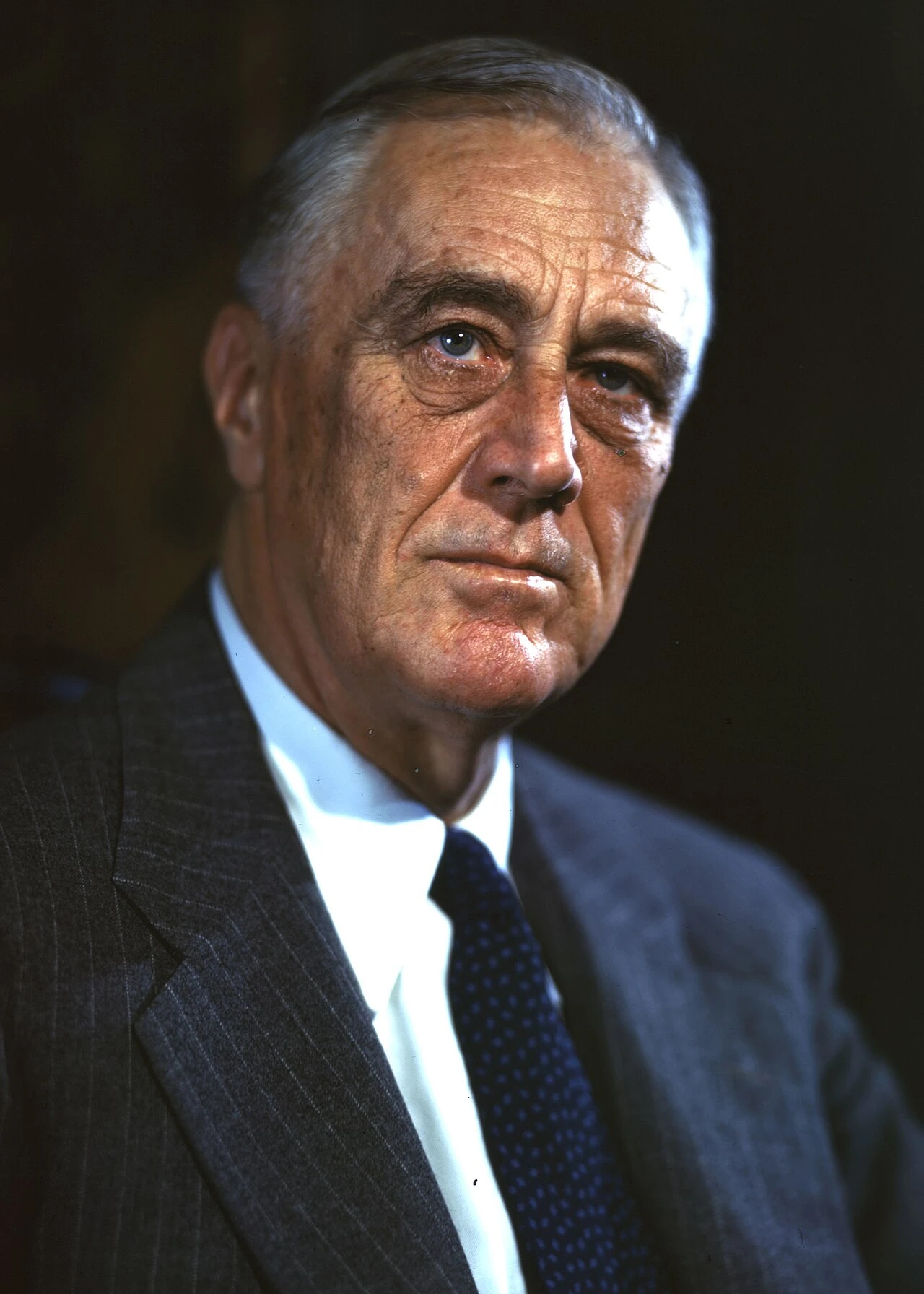
Roosevelt at the microphone — 29 December 1940
Roosevelt — signing Lend-Lease
Roosevelt — Lend-Lease before Congress
Roosevelt — destroyers for bases
Vinson and the Two-Ocean Navy Act
Darlan and the fleet — 20 June
The United States lands in Iceland
Mining the Rhine — Operation Royal Marine
Rethondes — Article 8 on the Fleet
Roosevelt — Arm England?
Roosevelt at the microphone — 29 December 1940
Roosevelt — signing Lend-Lease