
Breda, Whit Sunday: an entire town on the roads
On 11 May 1940, French units take up positions around Breda to hold a defensive line behind the river Mark. The town, the northernmost point of this arrangement, is set to face violent fighting. Mayor , who had prepared an evacuation plan as early as 1939, is confronted with an immediate decision.
The inhabitants still do not know what awaits them. Staying means enduring the battle; leaving means casting an entire population onto the roads, with no certainty as to the safest direction, while neighbouring Belgium is also being invaded.
The choice must be settled within a few hours, on Whit Sunday.
Faced with the German advance and the French army's plan to defend the line of the Mark, what should Breda's administration decide for its 50,000 inhabitants?
Breda's administration chose to evacuate southward (option B). On the morning of 12 May, the roughly 50,000 inhabitants were split into two columns: one heading toward Zundert and Brabant, the other toward Antwerp via Hoogstraten, Mayor Van Slobbe having negotiated their reception with Antwerp's mayor . The columns were strafed by German aircraft; on 17 May, the bombing of a school in Saint-Nicolas (Sint-Niklaas) killed 51 refugees from Breda. About a hundred died in total. After the Dutch surrender on 13 May, repatriation began, with the last refugees not returning until February 1941.
Learn more about this event
Related polls
10
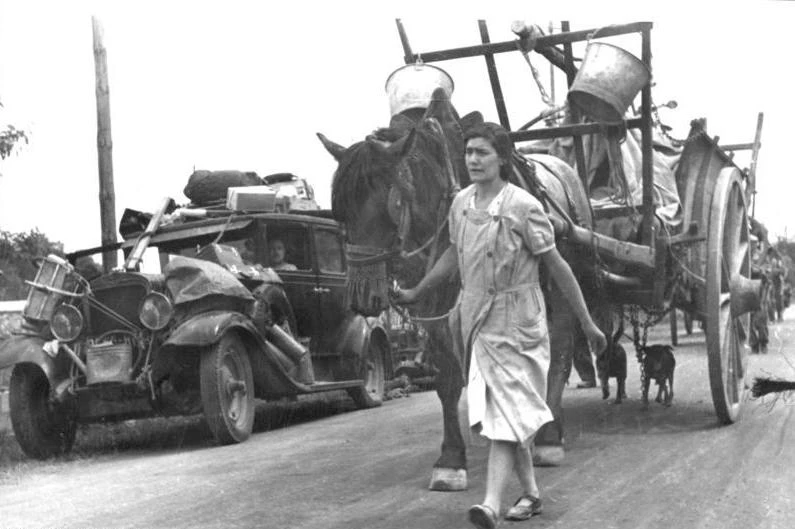
The French exodus
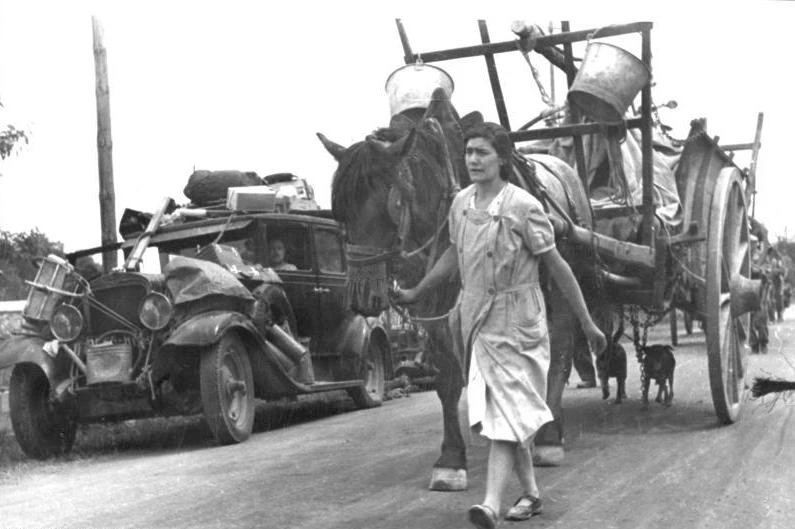
The exodus — flee or stay
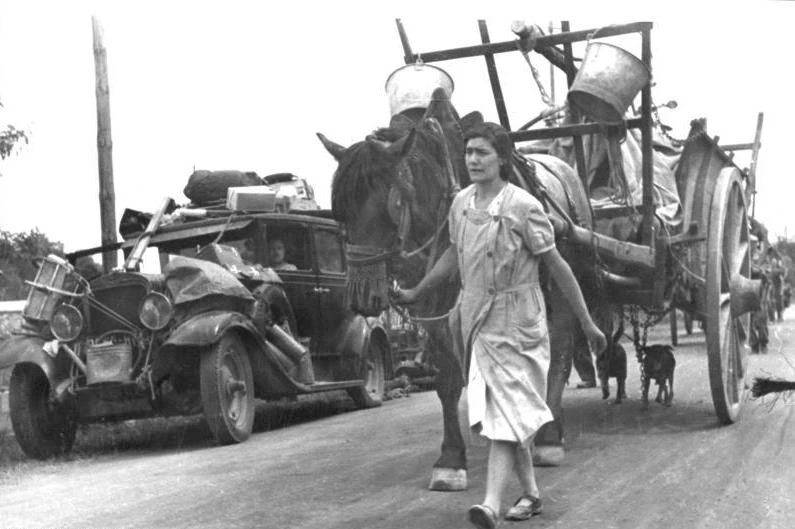
Belgian border — leave or wait out the storm
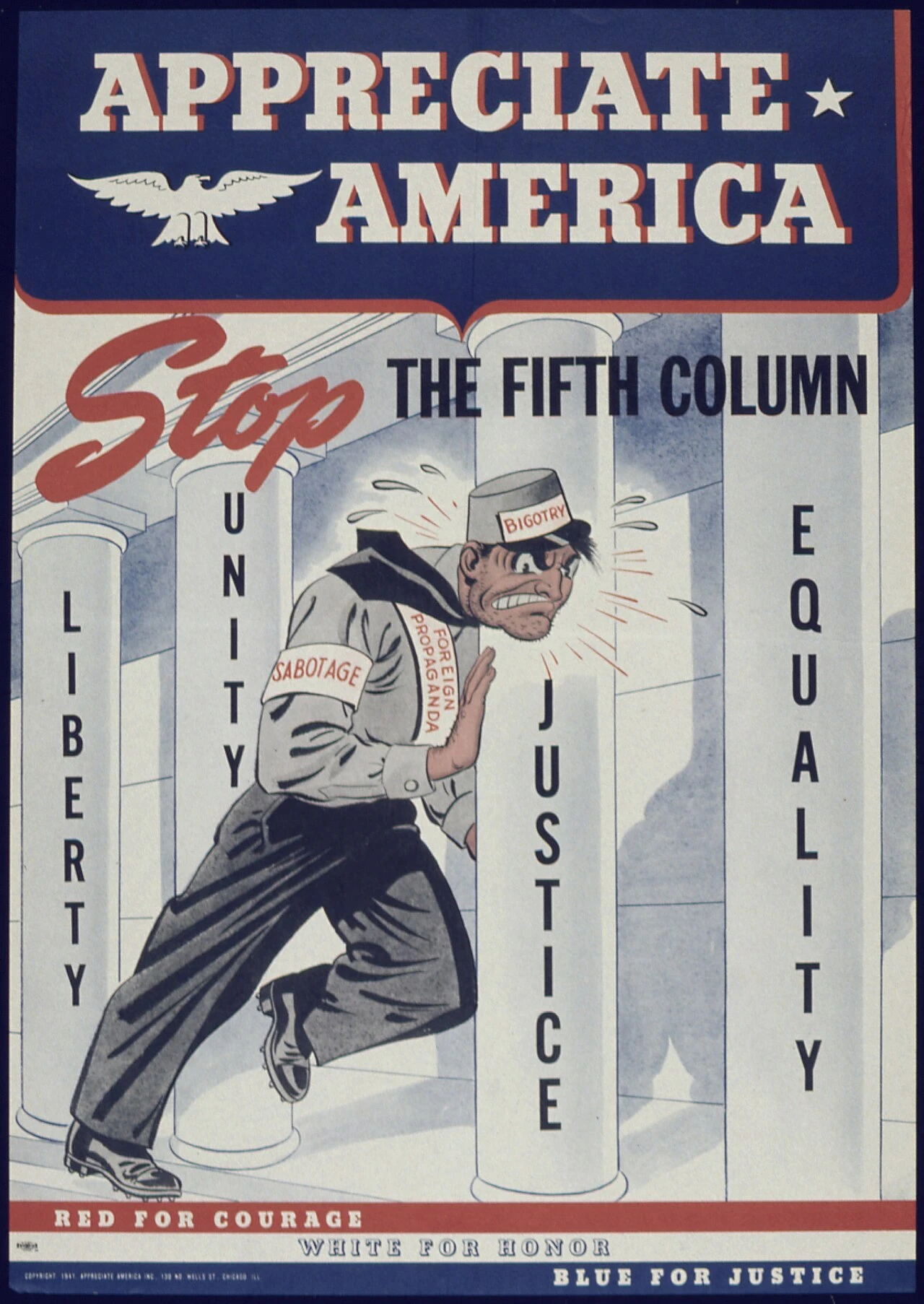
The fifth-column psychosis
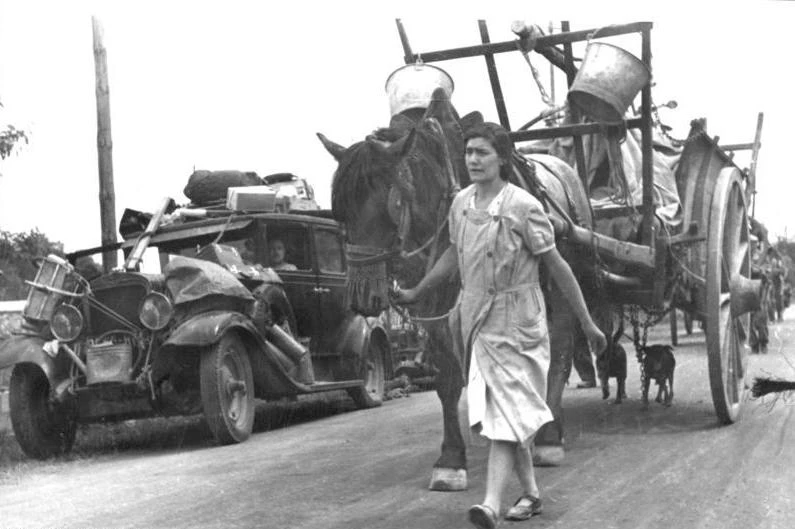
The strafed roads
Under the bombs — the Belgian towns
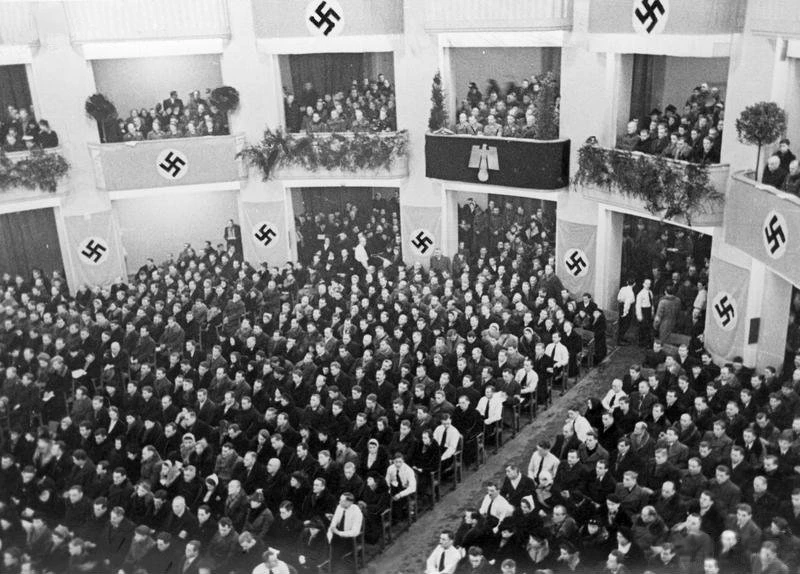
The Deutsche Volksliste — sign, or stay Polish
Women in the war
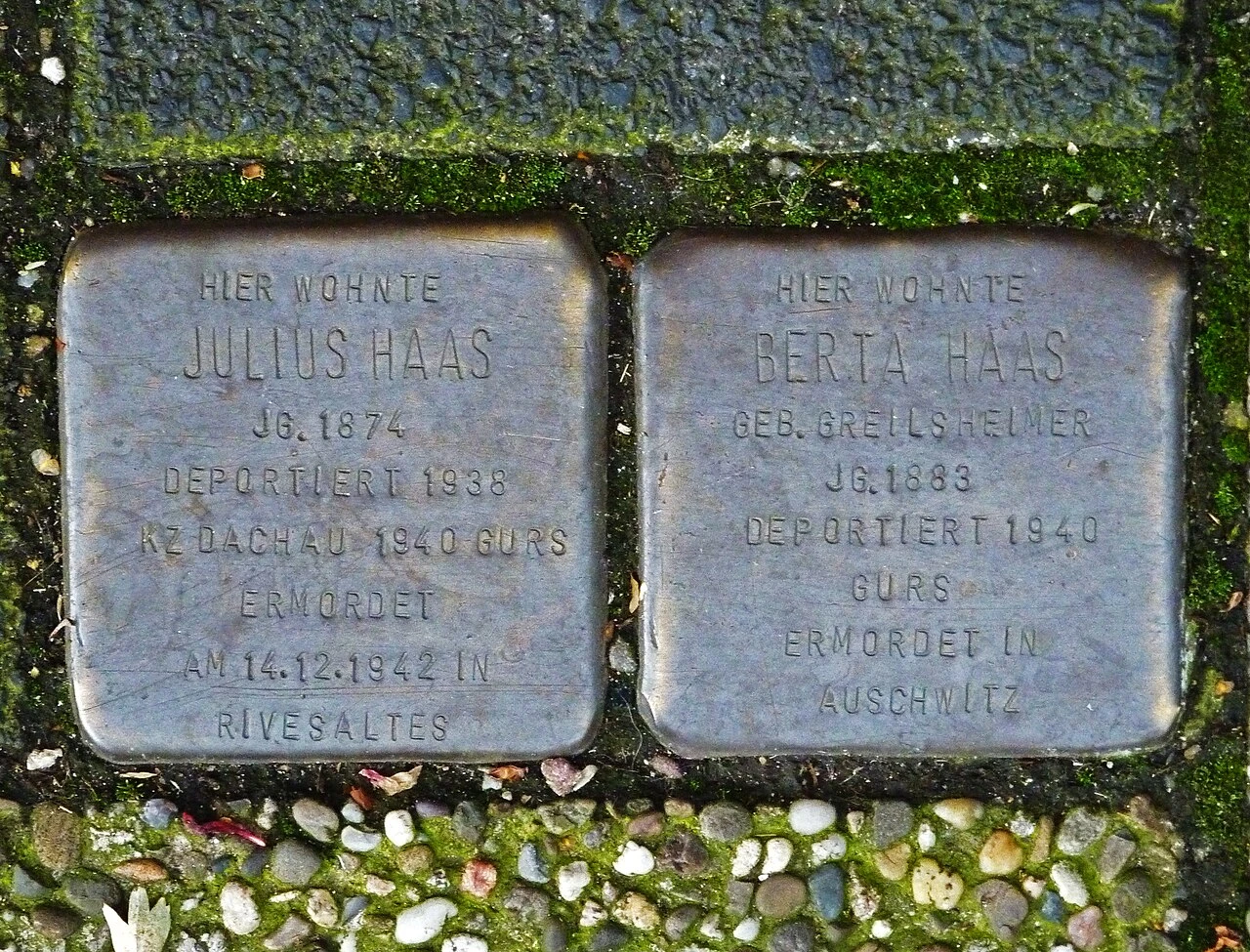
Hannah Arendt, Stateless and Interned, Facing Exile
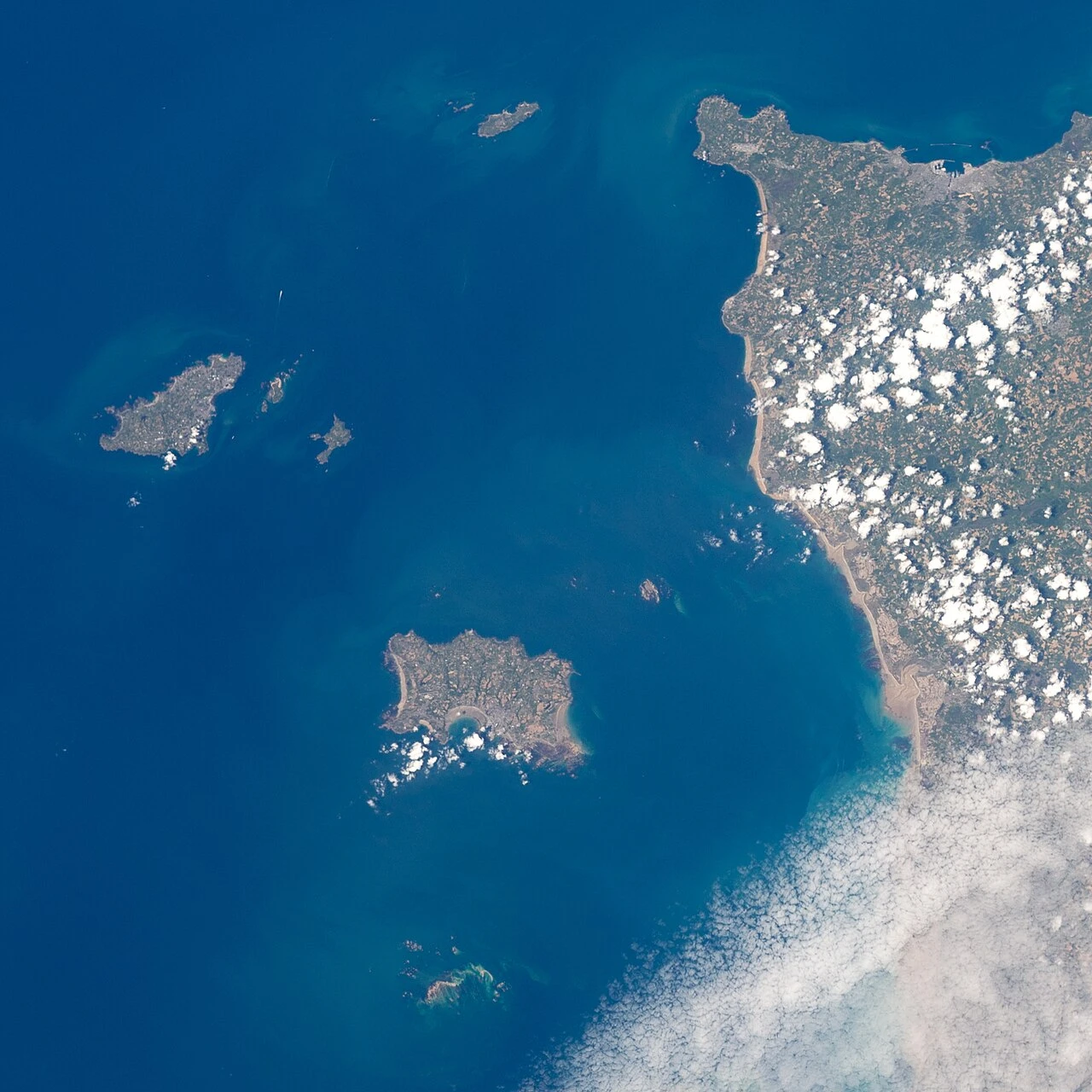
The Channel Islands — open city?
The French exodus
The exodus — flee or stay
Belgian border — leave or wait out the storm
The fifth-column psychosis
The strafed roads
Under the bombs — the Belgian towns
The Deutsche Volksliste — sign, or stay Polish
Women in the war
Hannah Arendt, Stateless and Interned, Facing Exile