
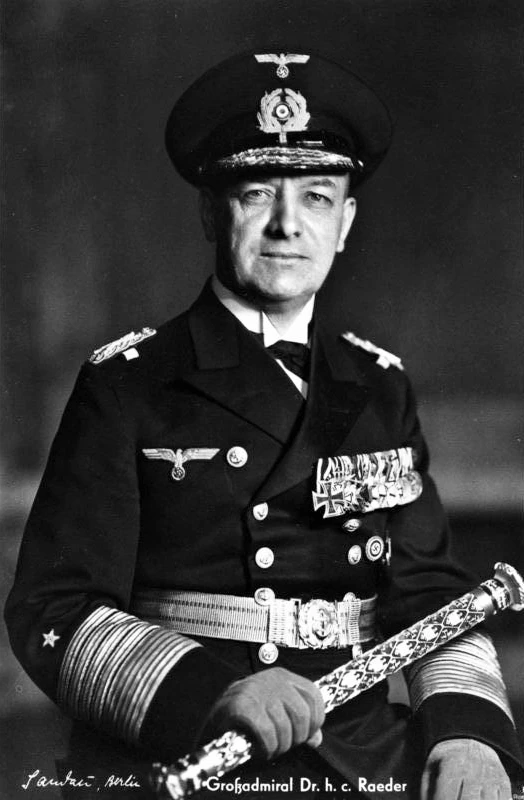
Grand Admiral , 64, has commanded the Kriegsmarine since 1928. The German navy has emerged badly mauled from the Norwegian campaign, which cost it a substantial share of its surface ships. Against the Royal Navy, the world's first fleet, the balance of forces is radically unfavourable.
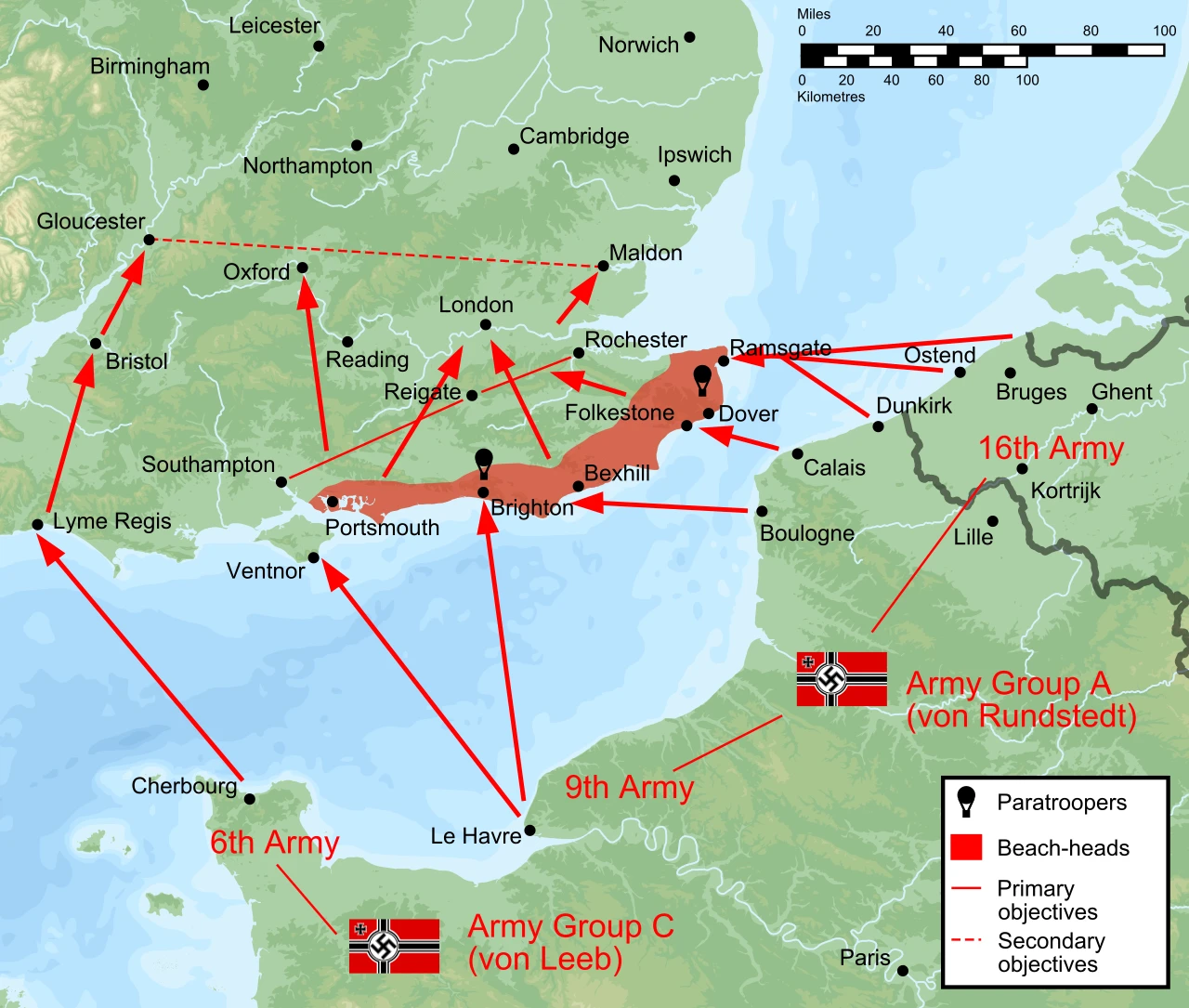
Yet on 2 July ordered preparations for Seelöwe ('Sea Lion'), the invasion of Britain. The plan supposes transporting an army across the Channel and keeping it supplied — under permanent threat from the British fleet. The army dreams of a 'river crossing' style passage; Raeder, for his part, knows what this demands in barges, escort, and mastery of the sky.
His staff calculate that no landing is possible before the second half of September — and that, even then, the navy will not be able to protect the operation against a British naval counter-attack. The autumn storms then close the window.
Raeder must decide whether to tell Hitler frankly what the navy cannot guarantee.
Do you warn Hitler that the navy cannot guarantee a landing before late September, or stay silent?
Raeder applies A. As early as 19 July he protests against the burden placed on the navy; a memorandum of 30 July stresses that the landing would be vulnerable to the Royal Navy. In late July, the Kriegsmarine HQ warns Hitler that a landing is not possible before the second half of September and that, even then, the navy will not be able to sustain it against a British counter-attack. Naval chief of staff refuses to take responsibility for it for the rest of the year. With barge conversions ready only by 15 September, the only possible invasion dates fall on 22-26 September, in unfavourable weather. These naval reservations, combined with the Luftwaffe's failure to win the sky, will lead Hitler to postpone Seelöwe indefinitely in autumn 1940. The invasion will never take place.
Learn more about this event
Related polls
10
Dönitz at Sengwarden — the winter pause
Weserübung — directive of 1 March
Plan Z
The U-Boats Put to Sea
Sea Lion — Invade England?
Wiesbaden — Tracing the Demarcation Line
Adlertag — which targets?
Fall Gelb — the order of 9 May 20:00
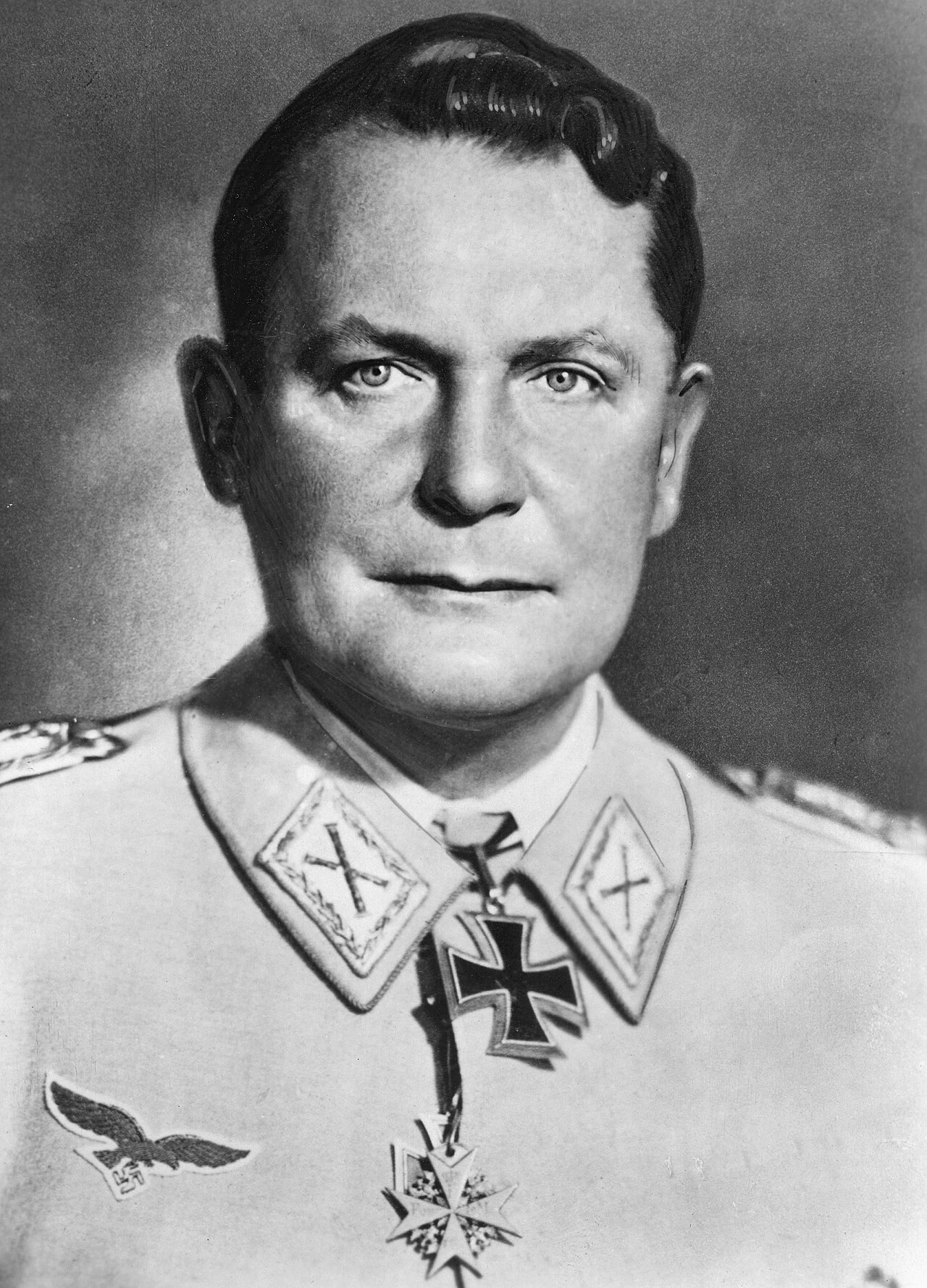
Goering at Carinhall — the promise to Hitler
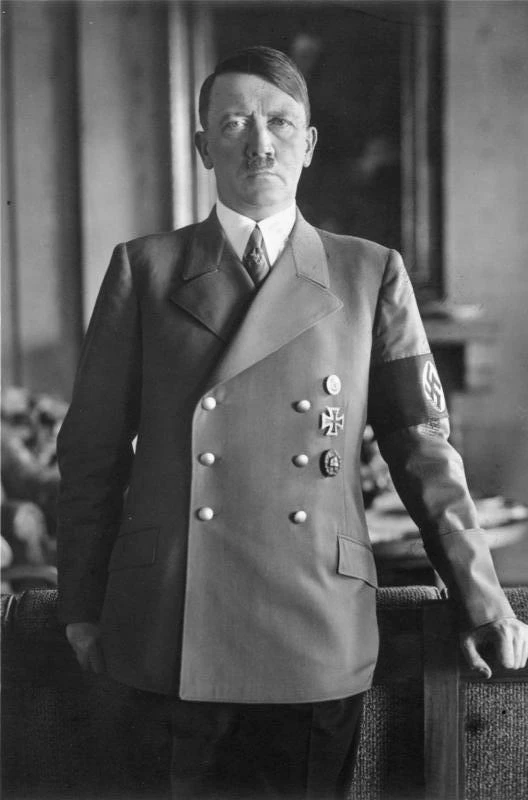
Hitler at the Felsennest — the anguish of the flanks
Dönitz at Sengwarden — the winter pause
Weserübung — directive of 1 March
Plan Z
The U-Boats Put to Sea
Sea Lion — Invade England?
Wiesbaden — Tracing the Demarcation Line
Adlertag — which targets?
Fall Gelb — the order of 9 May 20:00
Goering at Carinhall — the promise to Hitler