
Pétain at Montoire — October 24
In the autumn of 1940, Vice-President of the Council is working toward a rapprochement with Germany, which he believes will be victorious for a long time. He arranges a meeting between Hitler, returning from Hendaye, and Marshal Pétain, Head of the French State. It takes place on October 24, 1940, at the Montoire-sur-le-Loir railway station, in the occupied zone.
Hitler is seeking to draw Vichy into more active cooperation against Britain. Pétain, for his part, wants above all to preserve the unity of the territory, the Empire and the fate of the prisoners — two million men held in Germany serve as a means of pressure. He also knows that any commitment alongside the Reich would have heavy moral and international consequences.
The moment is immortalized by a handshake between the Marshal and the Führer, captured by propaganda. Beyond the gesture, Pétain must decide on the scope of his response: enter into active political and military collaboration, refuse it, or display "collaboration" as a principle without concrete content, to gain time and concessions.
How far should Pétain go in the collaboration Hitler is proposing?
Pétain settles on C. At Montoire, he accepts the principle of "collaboration" but signs no military commitment against Britain; he seeks guarantees on the Empire and the prisoners, which Hitler does not grant. On October 30, he announces over the radio that he is entering "the path of collaboration." The word, and above all the photograph of the handshake, mark minds lastingly: Montoire becomes the symbol of Vichy's choice, set against the Appeal of June 18 in the national memory. In practice, state collaboration will deepen in 1941-1942 (police, economy, delivery of Jews), without ever yielding the co-belligerence Hitler hoped for. Montoire seals the political orientation of the regime far more than it produces immediate military effects.
Learn more about this event
Related polls
10
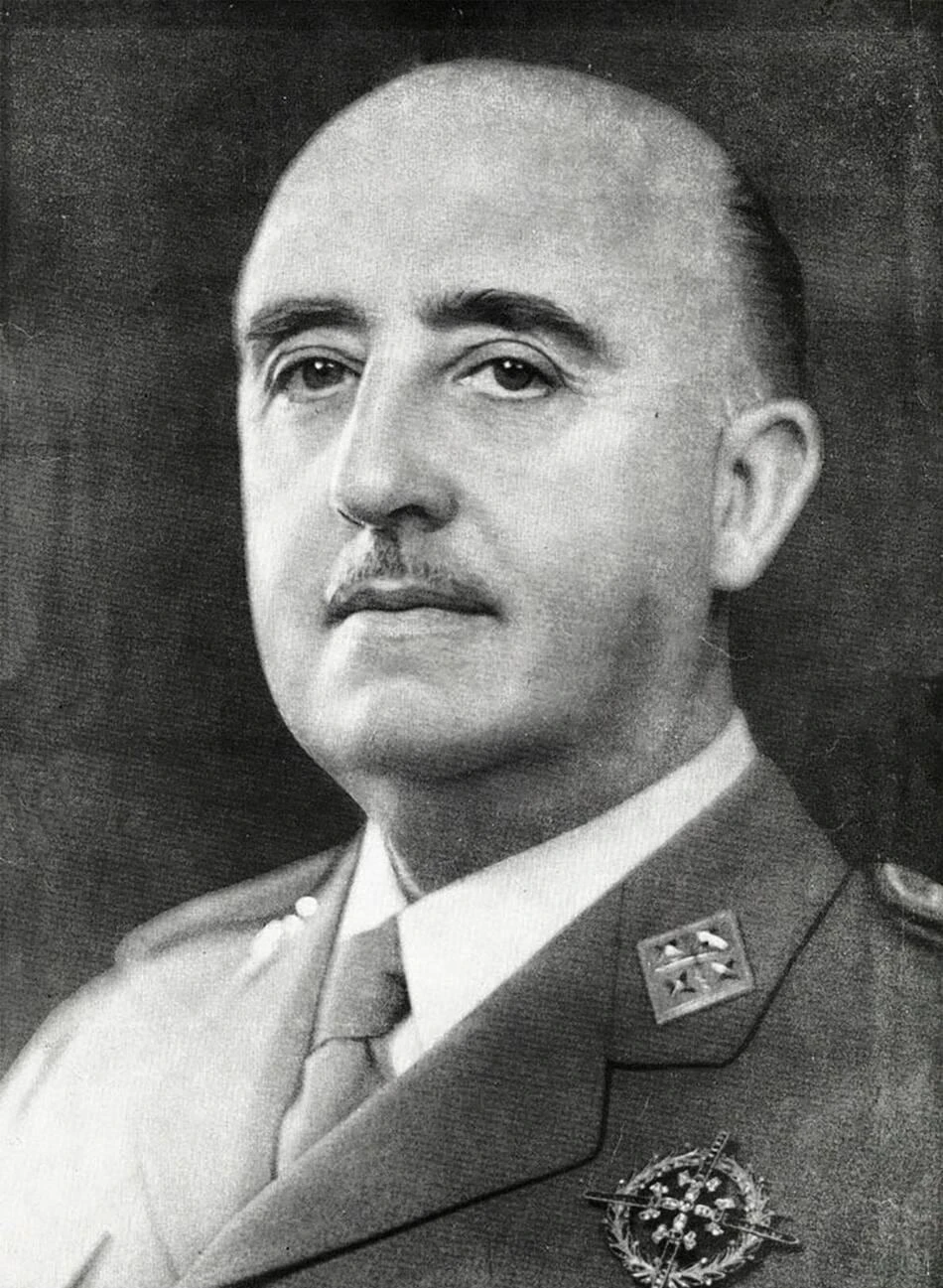
Franco at Hendaye — October 23
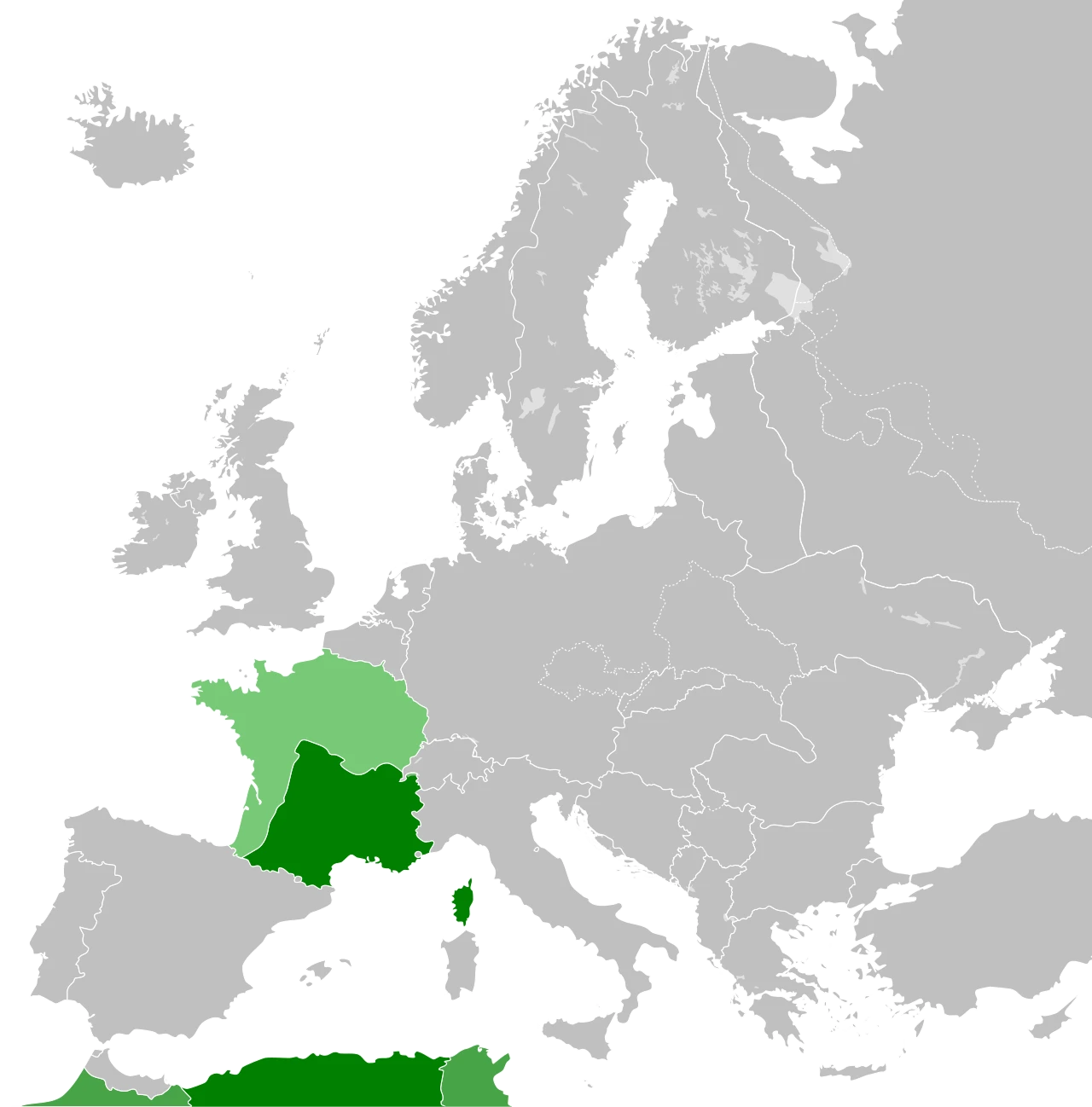
Vichy, 13 December — the fate of the dauphin
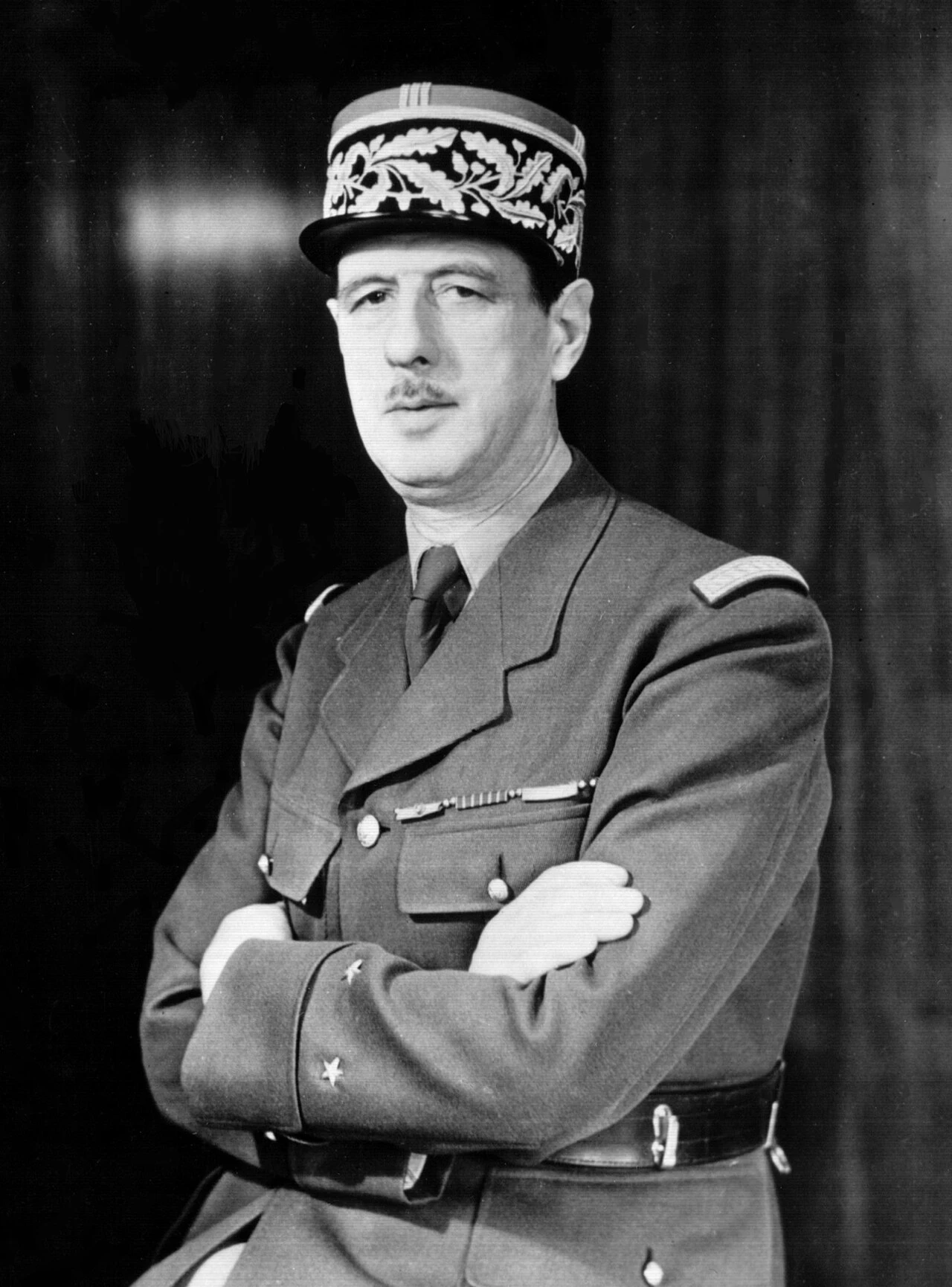
De Gaulle joins the government — 5 June
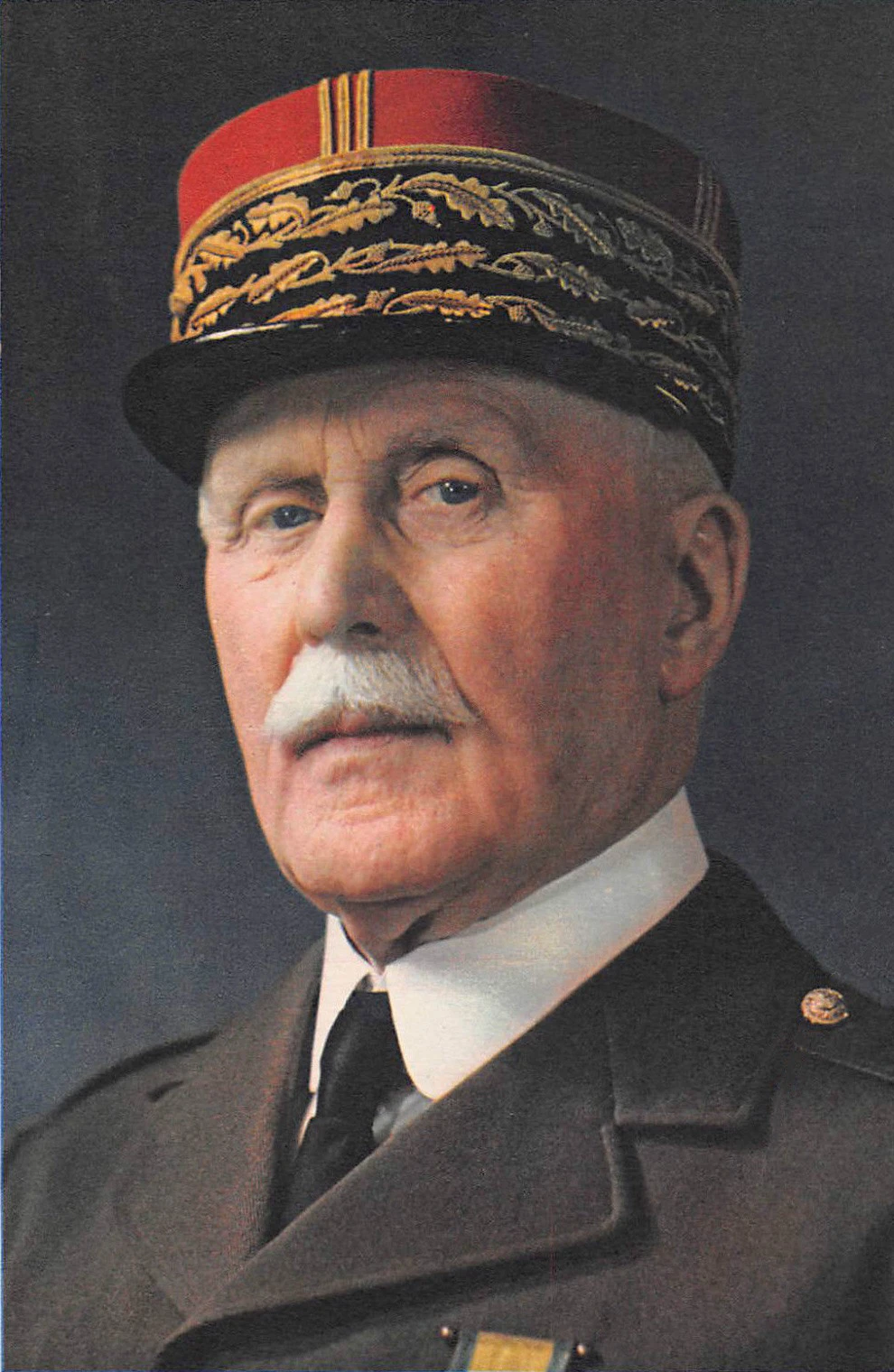
The hero of Verdun recalled from Madrid
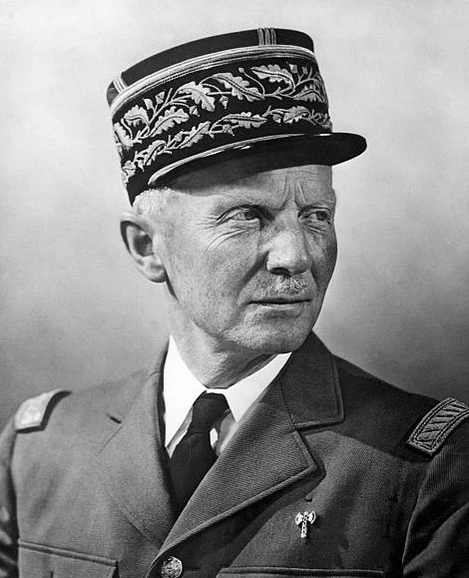
Huntziger in Foch's Carriage — 22 June
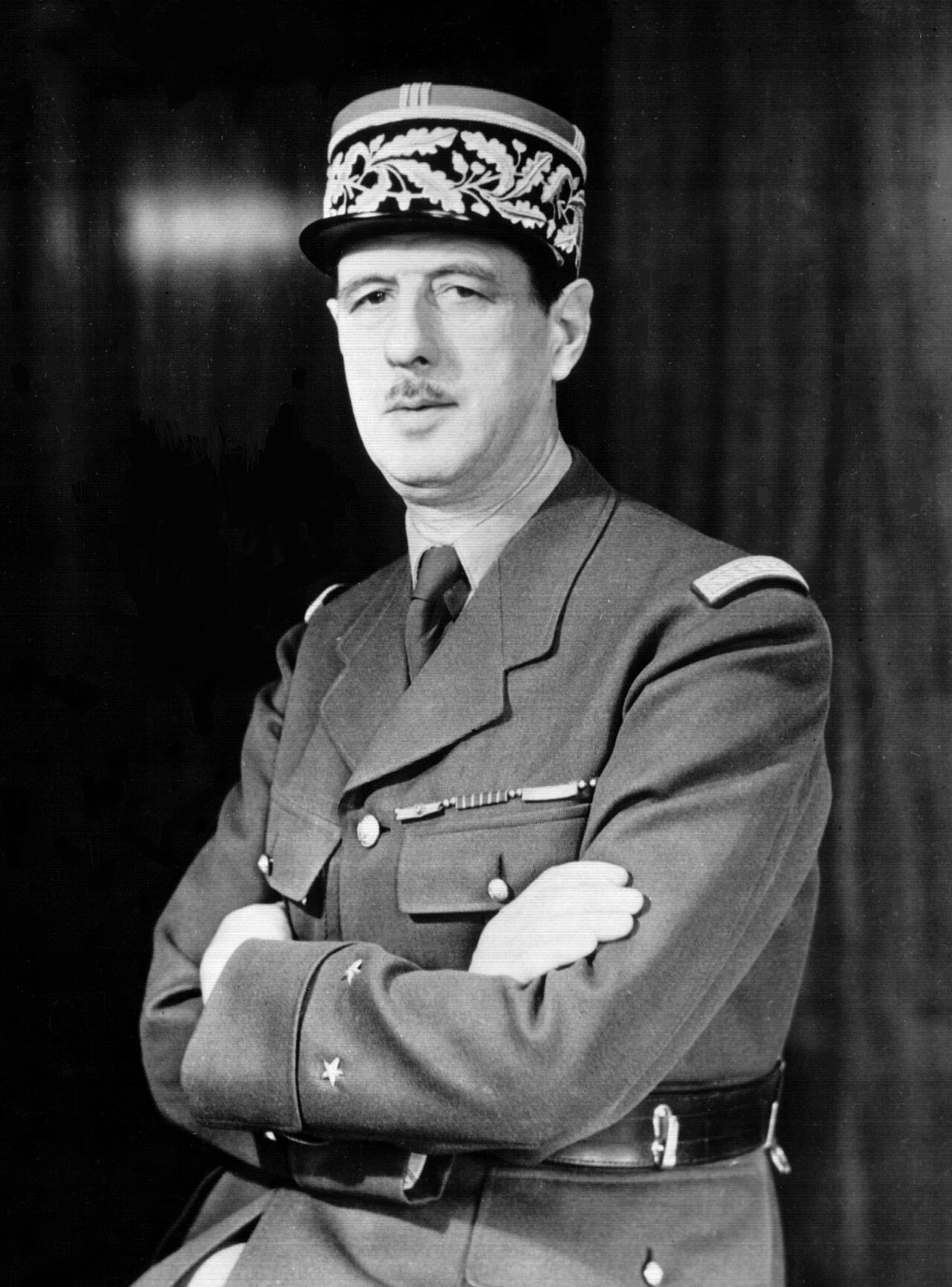
Mérignac — de Gaulle and Spears's aircraft
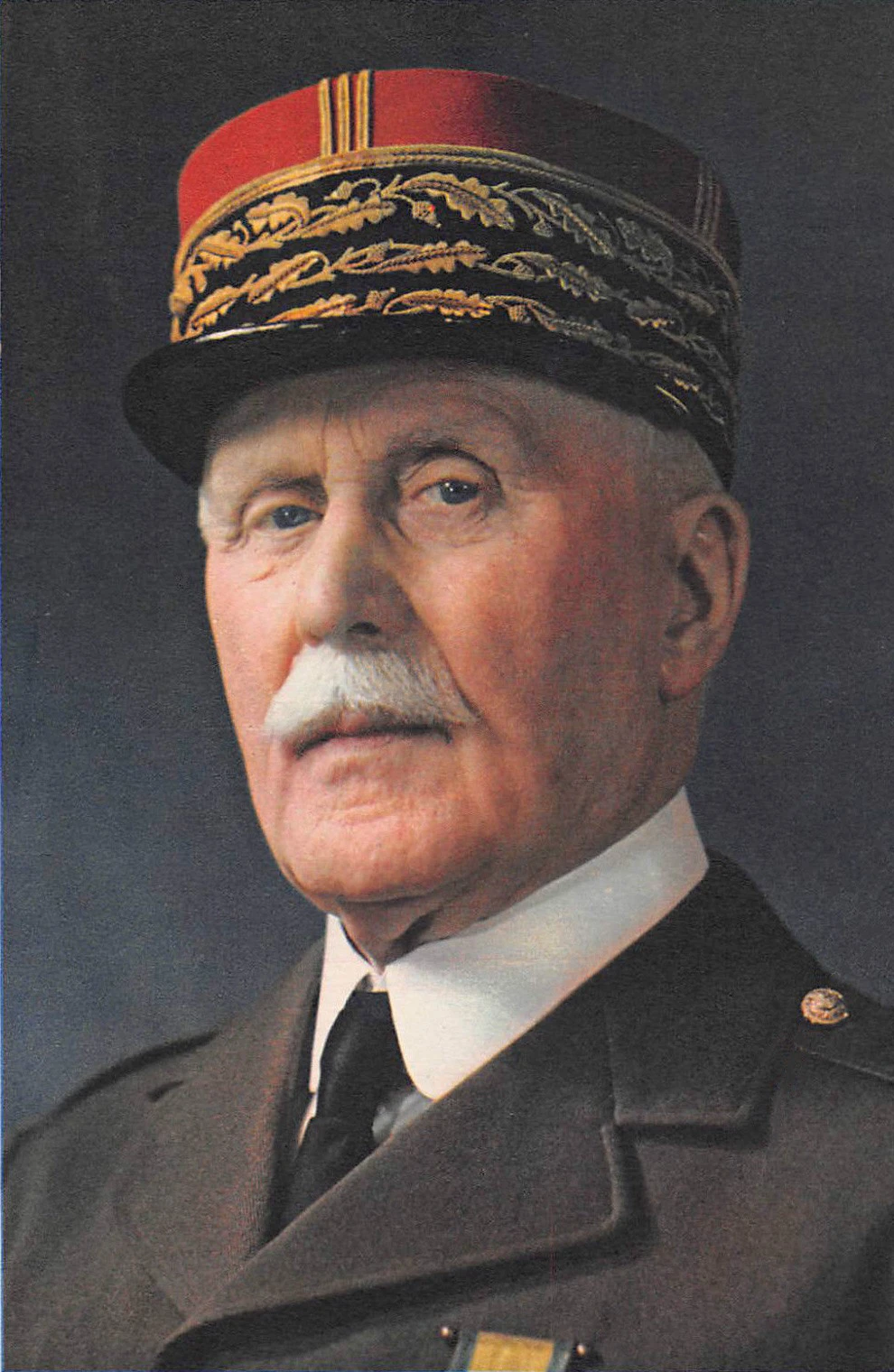
Pétain at the microphone — Bordeaux, 17 June, noon
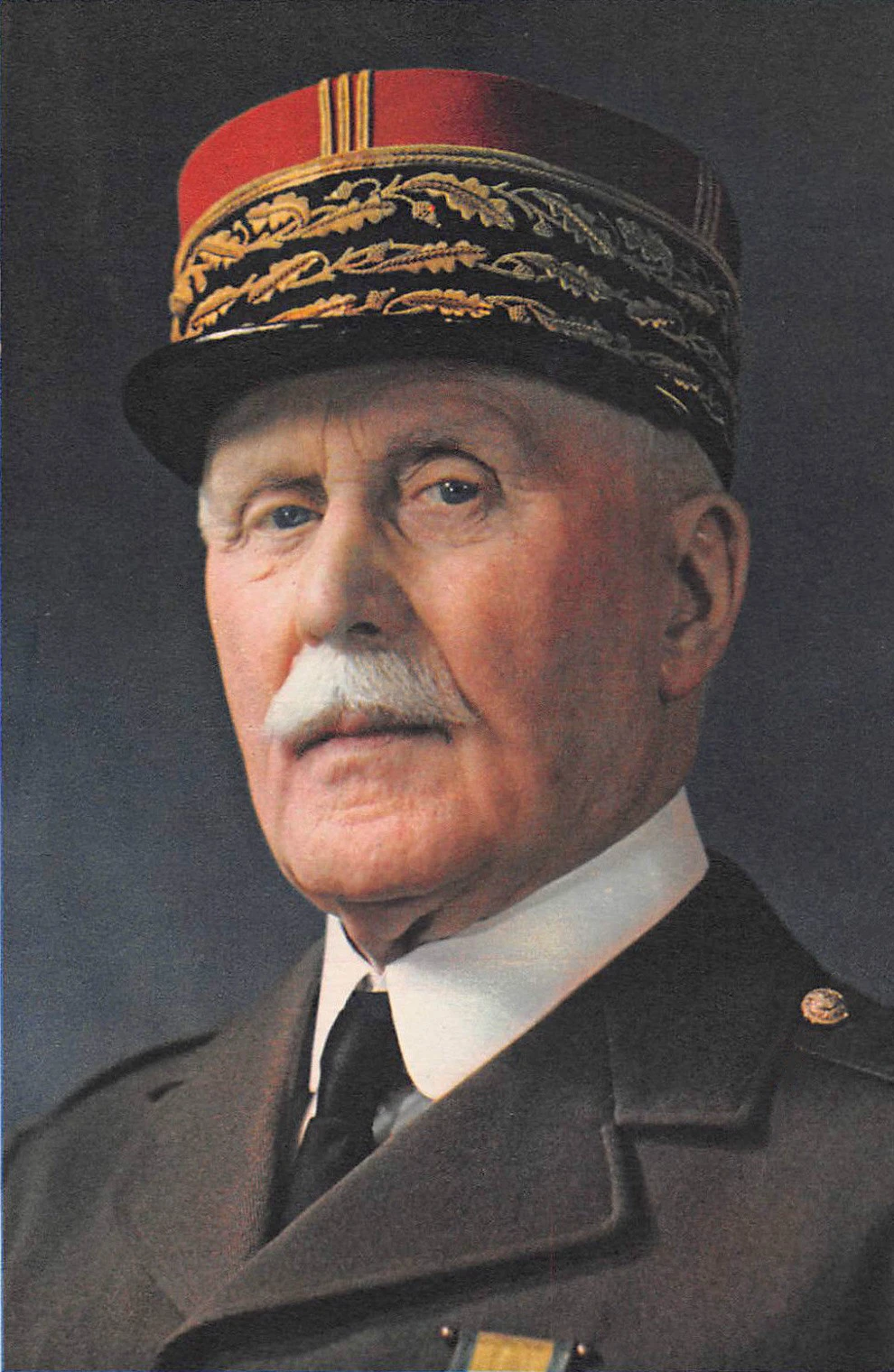
Pétain forms his government — 16 June, 23:00
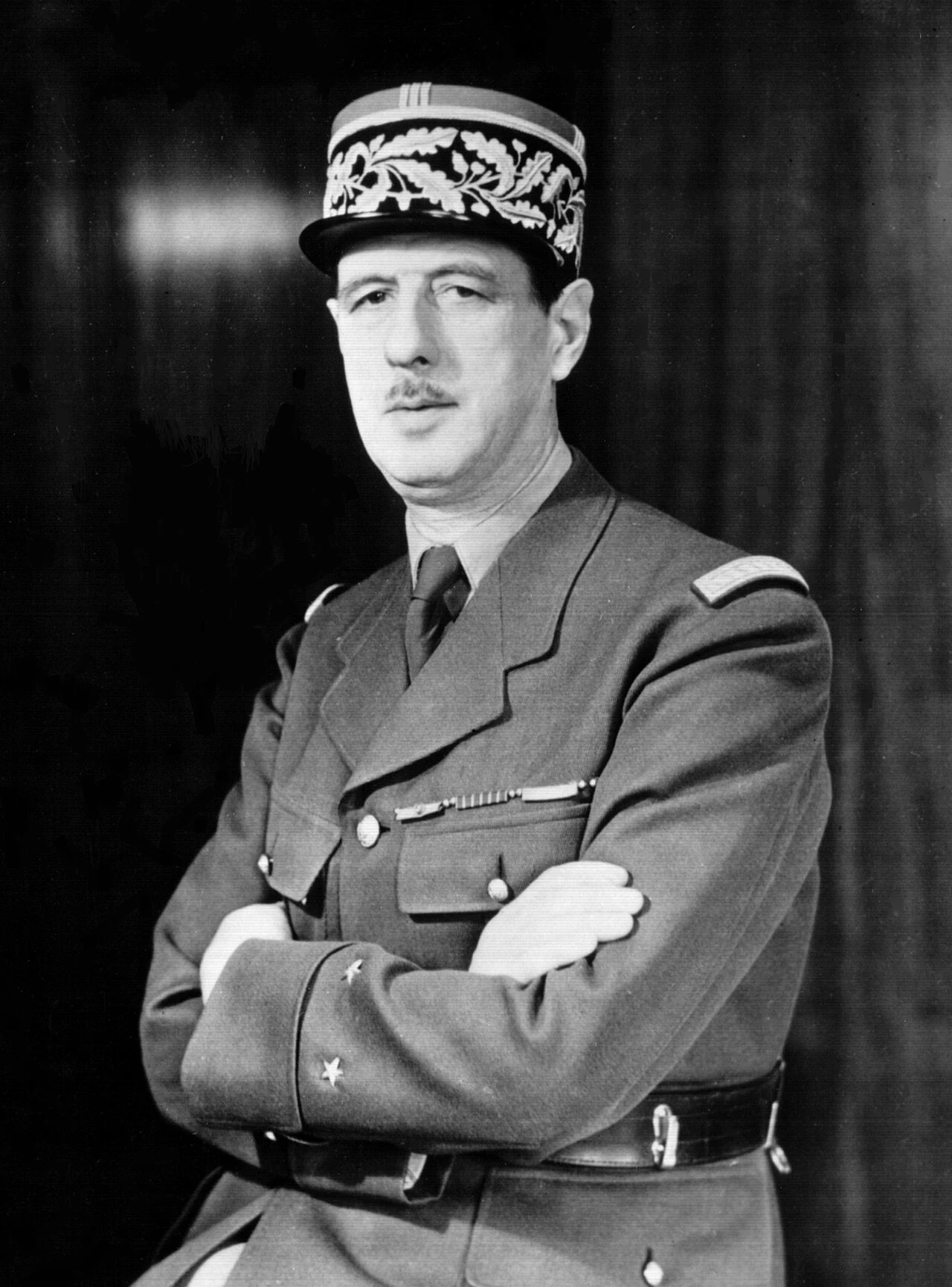
The Franco-British union — 16 June
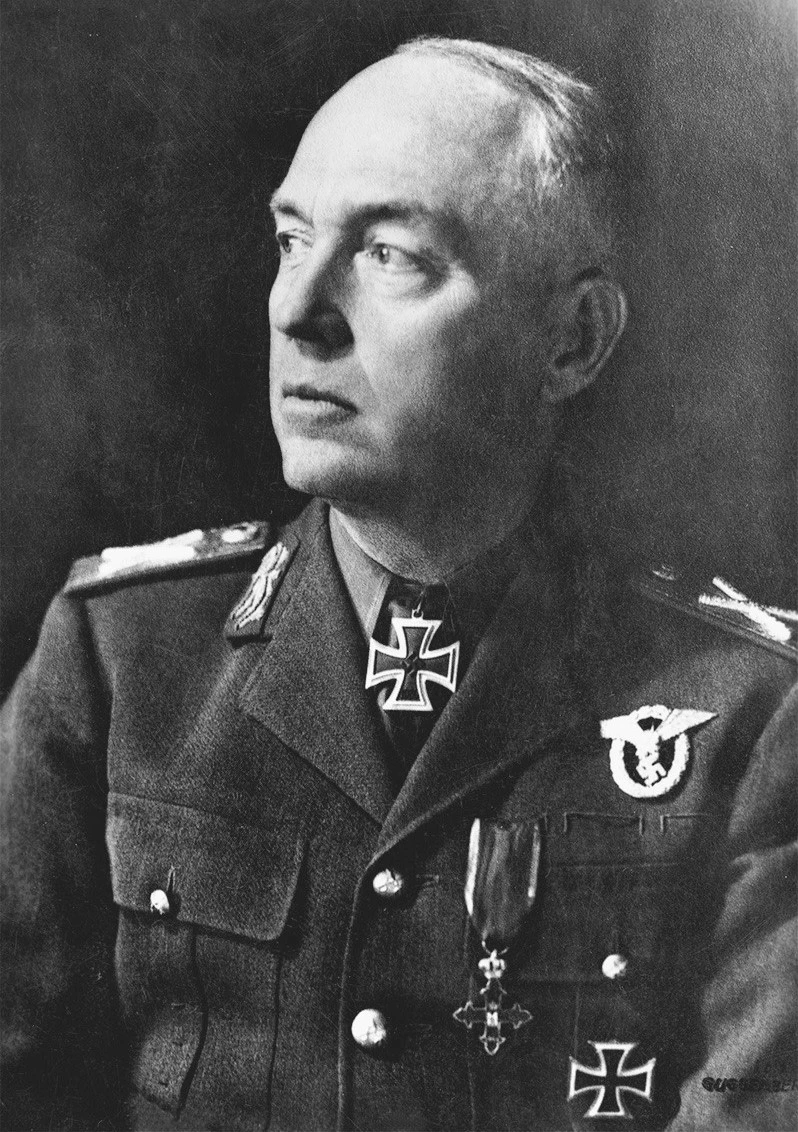
Antonescu and the Iron Guard — Bucharest
Franco at Hendaye — October 23
Vichy, 13 December — the fate of the dauphin
De Gaulle joins the government — 5 June
The hero of Verdun recalled from Madrid
Huntziger in Foch's Carriage — 22 June
Mérignac — de Gaulle and Spears's aircraft
Pétain at the microphone — Bordeaux, 17 June, noon
Pétain forms his government — 16 June, 23:00
The Franco-British union — 16 June