
Lord Gort at Arras — the BEF's winter
The (BEF) is the formation projected by the United Kingdom into France. A political promise from Chamberlain to Daladier (April 1939): 5 divisions immediately, 32 divisions within 12 months. Lord Gort, 53, has been commander-in-chief since September 1939 — a veteran of the First World War (Victoria Cross, Military Cross), a respected military figure but without modern operational experience.
First phase (September-October 1939): transport of 160,000 men through the ports of Cherbourg, Brest and Saint-Nazaire (the Channel crossing is judged too exposed to U-boats). By 31 October 1939 the BEF counts 5 operational divisions in the Arras-Lille region. By 31 January 1940, 10 divisions (350,000 men). Supply by 600 British merchantmen plying between England and France.
The BEF holds the Lille-Arras sector in the extension of the Maginot Line, while also having to plan for the advance into the Belgian plains foreseen by Gamelin's Dyle-Breda Plan — on a German invasion, the BEF is to advance into Belgium to meet the German forces as far forward as possible. Two logics compete: preparing for positional war or for war of movement, in autonomy or in close coordination with the French. Gort must decide how to prepare his troops through the winter of 1939-1940.
How should Gort prepare his troops through the winter of 1939-1940?
Gort applies C: static fortification. His troops dig trenches and build strongpoints over 110 km of front, in the middle of the marshy Flanders zone. Hard work, but an obsolete defensive doctrine (the 1918 model) that does not prepare for mechanised war. Very little manoeuvre training. Limited cooperation with the French (doctrinal differences, but above all the language barrier: Gort does not speak French). The morale of the British troops is sound through the Phoney War. But Gort's officers note from January 1940 that the French winter passivity of the "drôle de guerre" is also creeping into the BEF. On the German offensive of 10 May 1940 Gort executes the Dyle Plan correctly (advance into Belgium), but finds himself isolated by the German Sichelschnitt through the Ardennes. On 20 May 1940 he took, on his own authority (against Gamelin's orders), the crucial decision to fall back on Dunkirk — a decision that saved Operation Dynamo (338,226 men evacuated in May-June 1940). Sacked in June 1940, he became governor of Gibraltar then of Malta and died in March 1946 of liver cancer.
Learn more about this event
Related polls
10
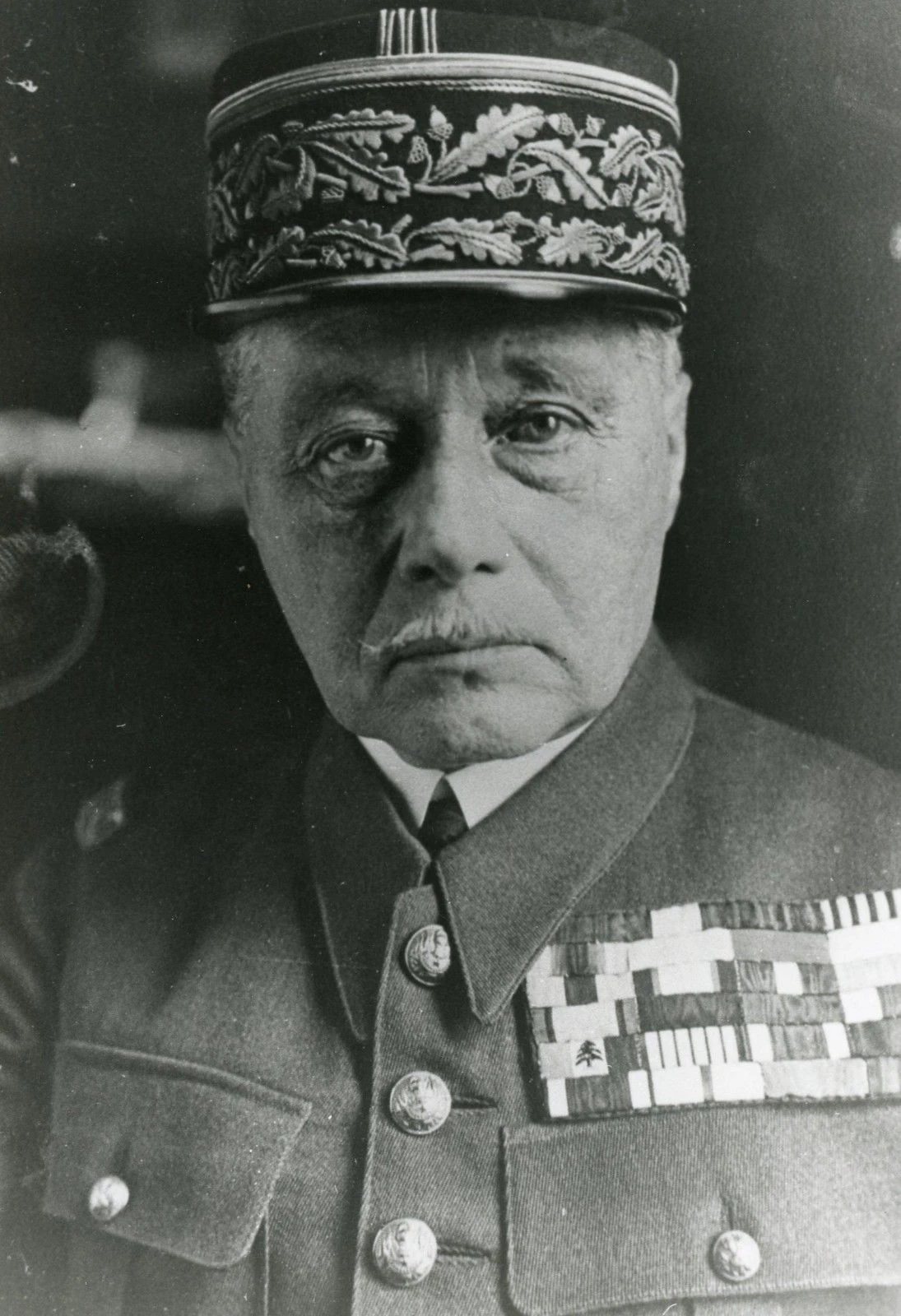
France Behind the Maginot
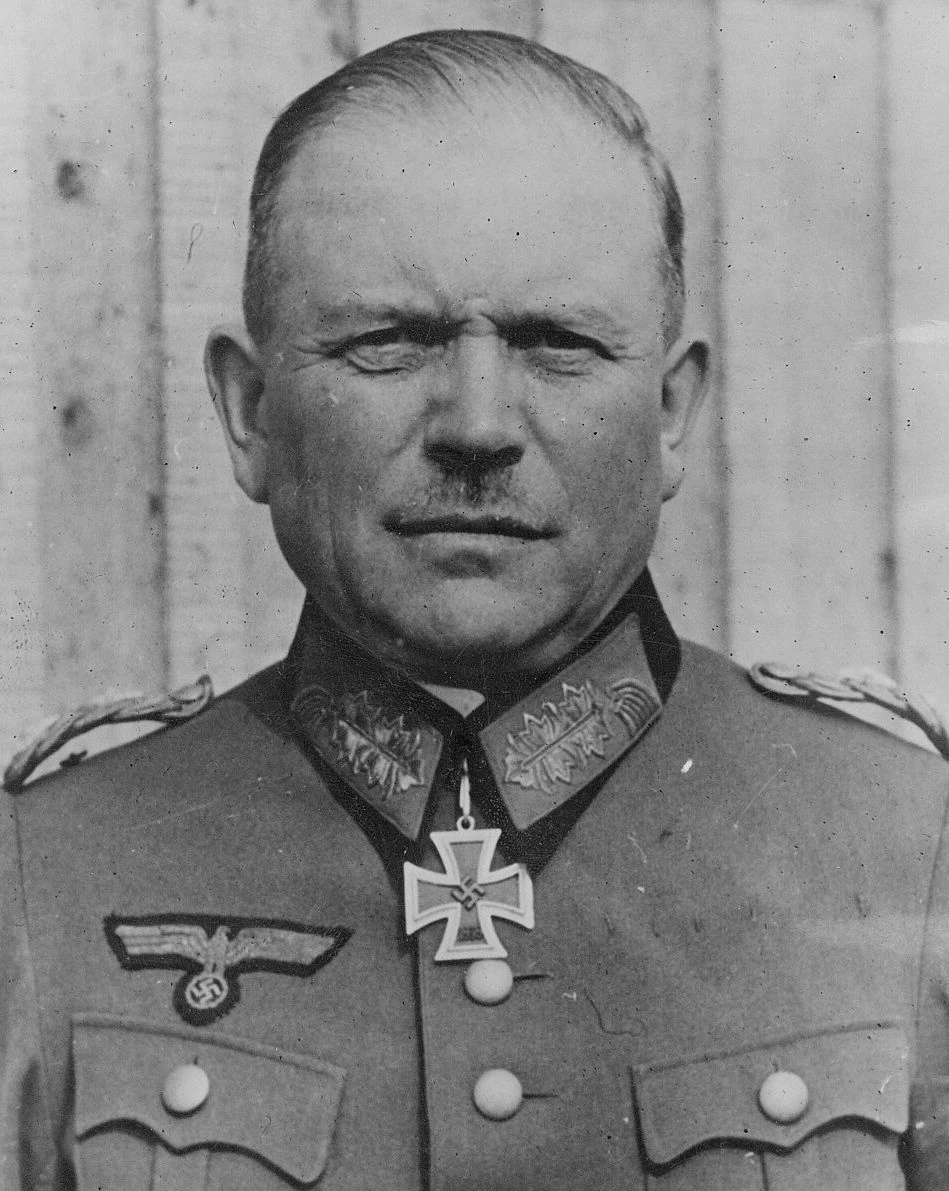
Brześć — Plisowski faces Guderian
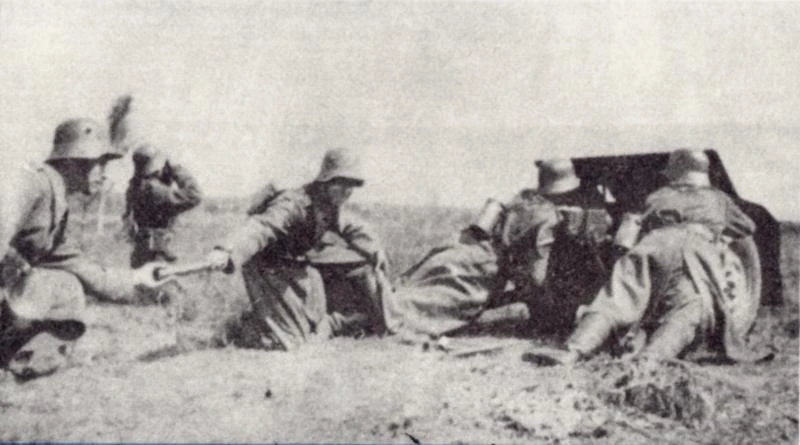
Maczek — the Black Brigade at Tatarska Przełęcz
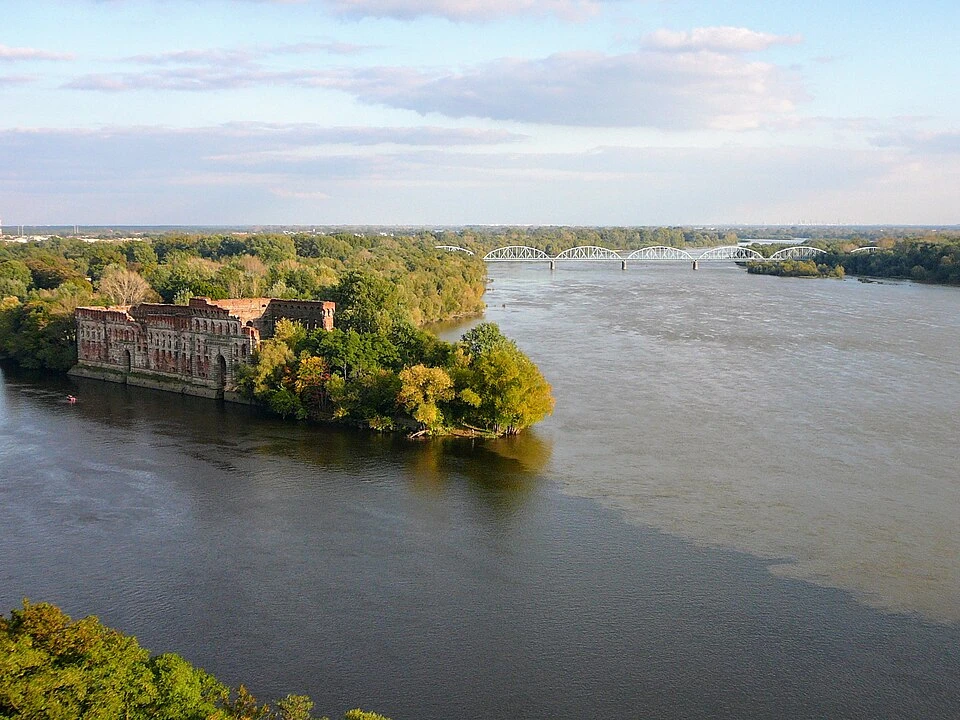
Modlin — Thommée at the last fortress
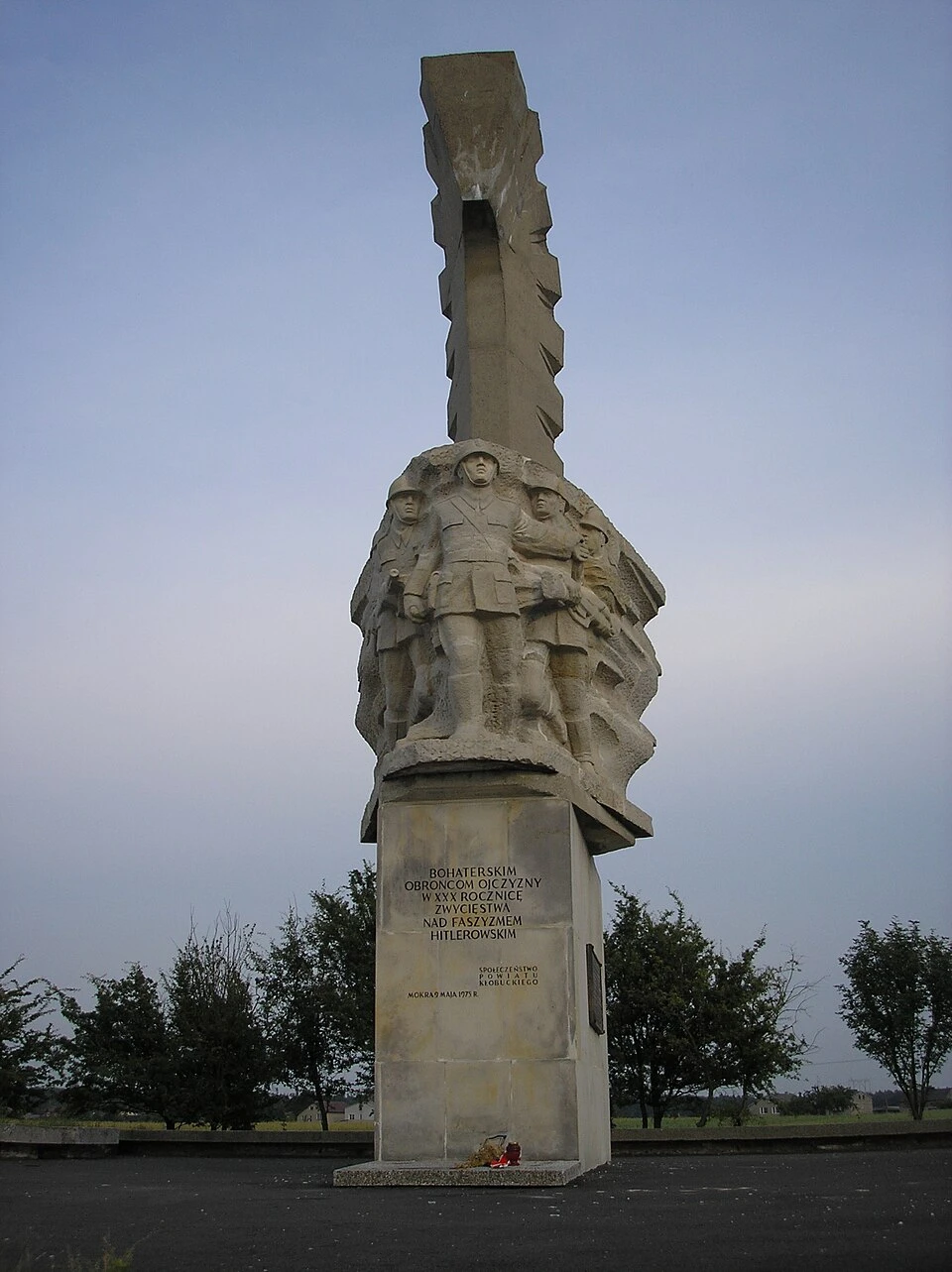
Mokra — Filipowicz and the Volhynian Brigade
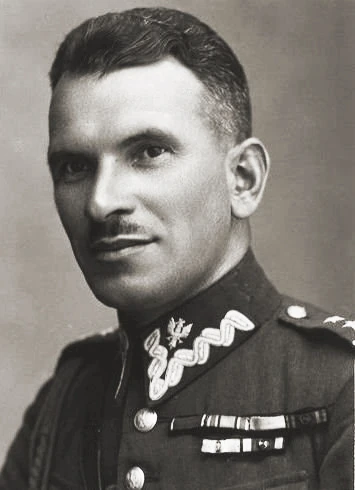
Praga — Rommel facing the siege
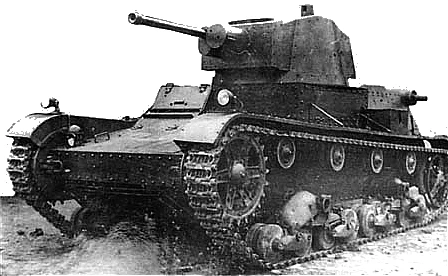
Tomaszów Lubelski — Piskor between two fronts
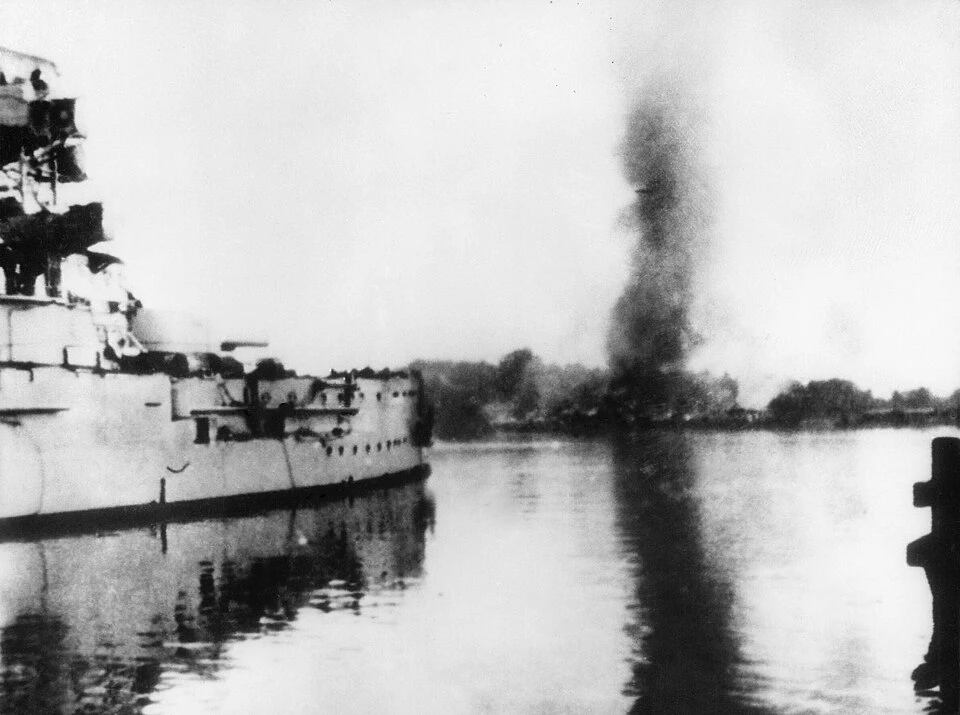
Westerplatte — Sucharski under the Schleswig-Holstein's guns
Wizna — Raginis in the Górka bunker
The Army of the Alps against the Italians
France Behind the Maginot
Brześć — Plisowski faces Guderian
Maczek — the Black Brigade at Tatarska Przełęcz
Modlin — Thommée at the last fortress
Mokra — Filipowicz and the Volhynian Brigade
Praga — Rommel facing the siege
Tomaszów Lubelski — Piskor between two fronts
Westerplatte — Sucharski under the Schleswig-Holstein's guns
Wizna — Raginis in the Górka bunker