
Mitralexis — out of ammunition
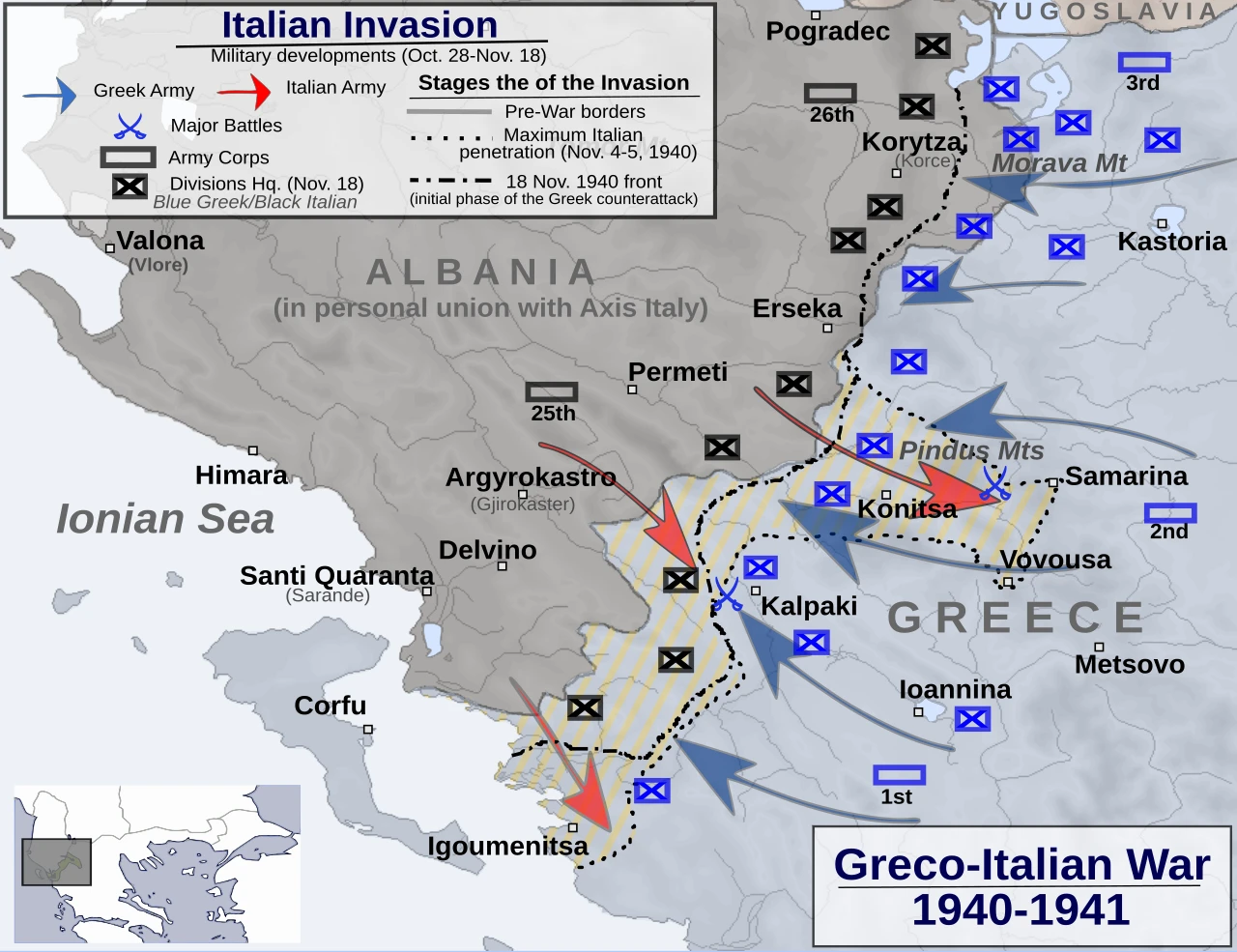
Once the Italian invasion is under way, the small Royal Hellenic Air Force confronts a Regia Aeronautica far more numerous and modern. Greek pilots fly outdated aircraft, like the Polish PZL P.24, but multiply their sorties to defend the cities and the columns on the ground. Against them, the Italian bombers target population centers and the rear of the Greek front, hoping to break the morale of an enemy judged inferior.
On November 2, 1940, second lieutenant intercepts above the Thessaloniki region a formation of Italian bombers come to strike the city. In the fight, he empties his ammunition without having shot down his target — a bomber that holds its course toward the objective. The PZL P.24, sturdy but obsolete, carries only light armament whose rounds run out quickly in a prolonged engagement.
The pilot faces a split-second choice: break off and return, since he has nothing left to fire with; keep harrying the enemy by his mere presence to disturb its aim; or attempt something more radical with the aircraft itself. The decision involves his own survival as much as the protection of the city.
Out of ammunition against the Italian bomber, what should Mitralexis do?
Mitralexis attempts C: he flings his fighter at the bomber and rams it, slicing off the Italian aircraft's tail with his propeller. The bomber crashes; he manages to land his damaged plane. According to the account that became legendary, he then went on foot to the crash site and captured part of the surviving crew. The feat, one of the first documented aerial "rammings" of the war, makes Mitralexis a Greek national hero and a symbol of the resistance of autumn 1940. Beyond the anecdote, it illustrates the spirit of the small Greek air force, which made up for its material inferiority through dogged combativeness. Mitralexis survives the war.
Learn more about this event
Related polls
10
Davakis in the Pindus
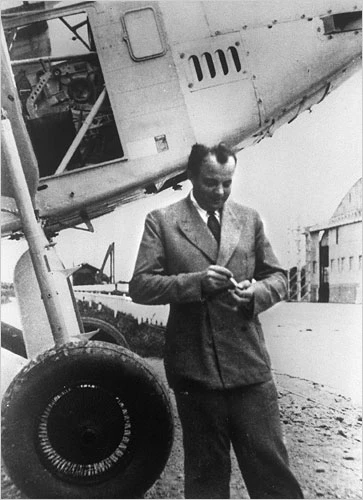
Saint-Exupéry — flight of Groupe 2/33
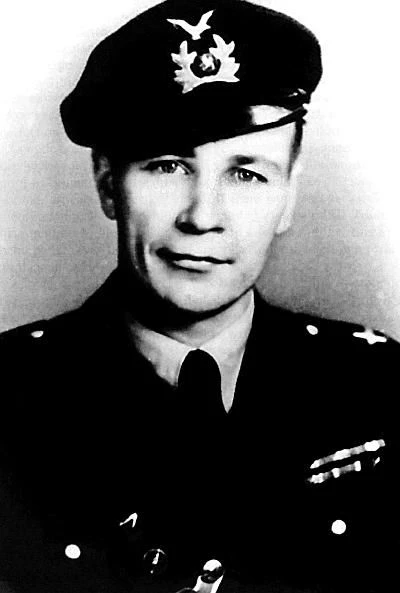
Juutilainen — the pilot of LeLv 24
Władysław Gnyś — the Dorniers over Olkusz
Fegen and the Jervis Bay — convoy HX-84
Casting Out the Victors — Air Ministry, November 1940
Student — the airborne gamble on Crete
Beauffrère and the 21st RIC at Dunkirk
Bulson — Lafontaine and the 02:00 rumour
Calais — Nicholson facing the ultimatum
Davakis in the Pindus
Saint-Exupéry — flight of Groupe 2/33
Juutilainen — the pilot of LeLv 24
Władysław Gnyś — the Dorniers over Olkusz
Fegen and the Jervis Bay — convoy HX-84
Casting Out the Victors — Air Ministry, November 1940
Student — the airborne gamble on Crete
Beauffrère and the 21st RIC at Dunkirk
Bulson — Lafontaine and the 02:00 rumour