
Kharkiv 1939 — track or wheel?
Ever since the fast BT tanks, Soviet armored doctrine has rested on a principle inherited from the Christie chassis: a convertible running gear that runs on tracks over rough terrain and on wheels on roads. The official 1938 specification therefore calls for a new wheel-cum-track tank, the A-20.
But at Factory No. 183 in Kharkiv, chief engineer and his deputy have doubts about this convertible mechanism: heavy, fragile, expensive, and incapable of bearing thicker armor against modern anti-tank guns. Koshkin wants to build a purely tracked variant in parallel, the A-32, simpler and more rugged.
The command leans toward the wheel-cum-track A-20, faithful to tradition. Koshkin must decide what to put forward at the comparative trials of mid-1939, at the risk of clashing with established doctrine.
Which test tank should Koshkin champion before the Red Army command?
As early as 1938, Koshkin obtained Stalin's authorization to build and test both prototypes. At the 1939 trials, the purely tracked A-32 proved as mobile as the A-20 while offering a margin for additional armor that the convertible running gear had ruled out. Rearmed and up-armored (A-34), it was adopted on 19 December 1939 under the name T-34. The wheel-cum-track running gear, long held sacred, was abandoned. Koshkin died of pneumonia in September 1940, shortly after series production was launched.
Learn more about this event
Related polls
10
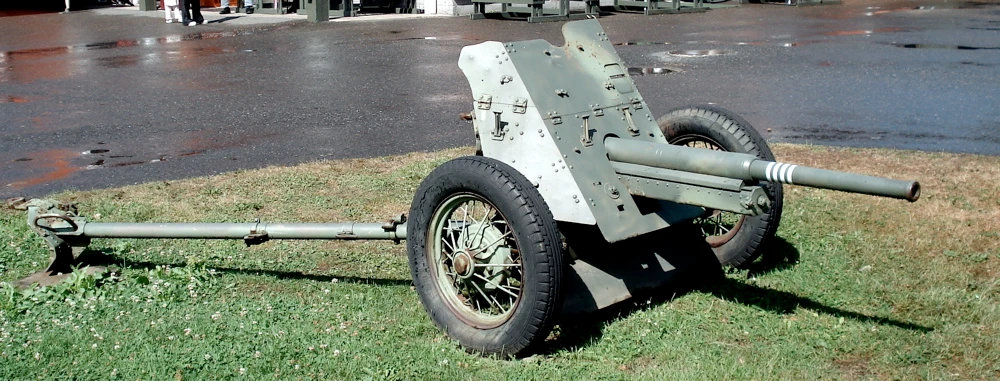
The gun that will have to do
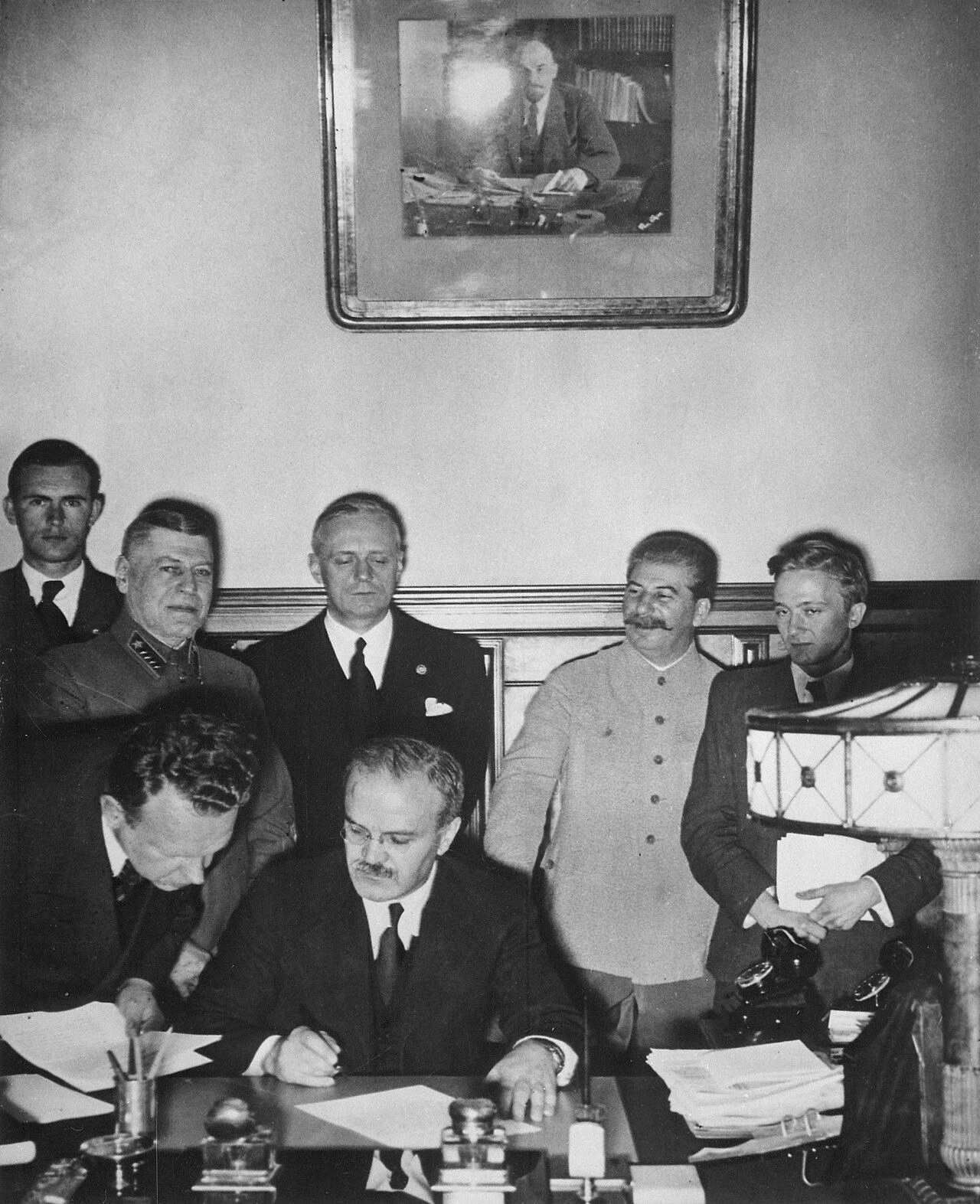
Schnurre in Moscow — the Commercial Agreement
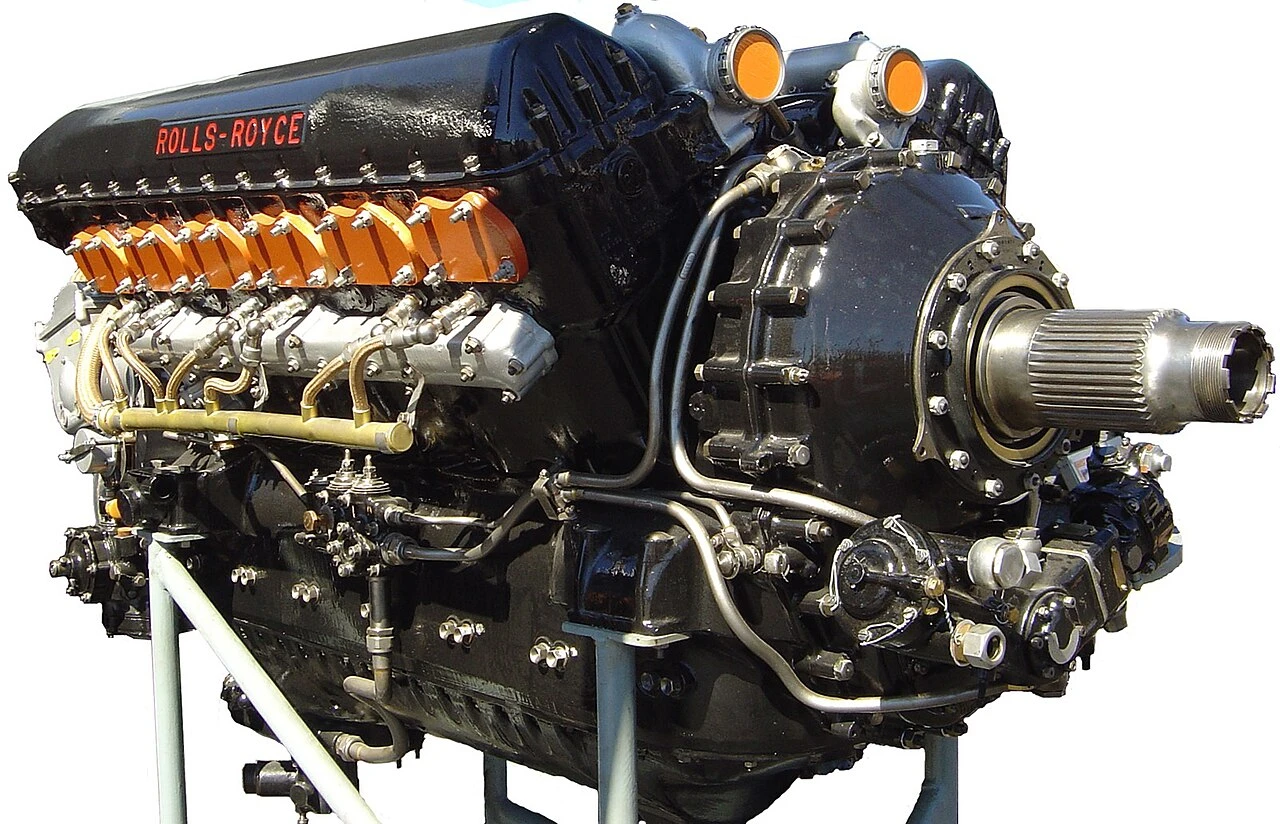
Car assembly lines for an aircraft engine
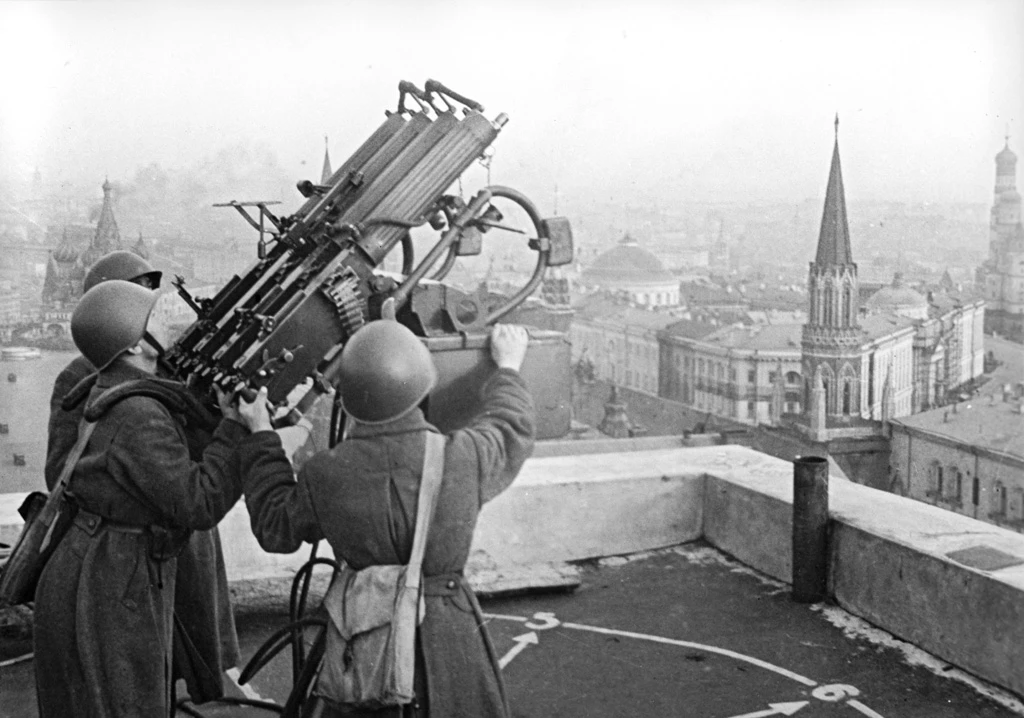
The physics student evacuated from Moscow
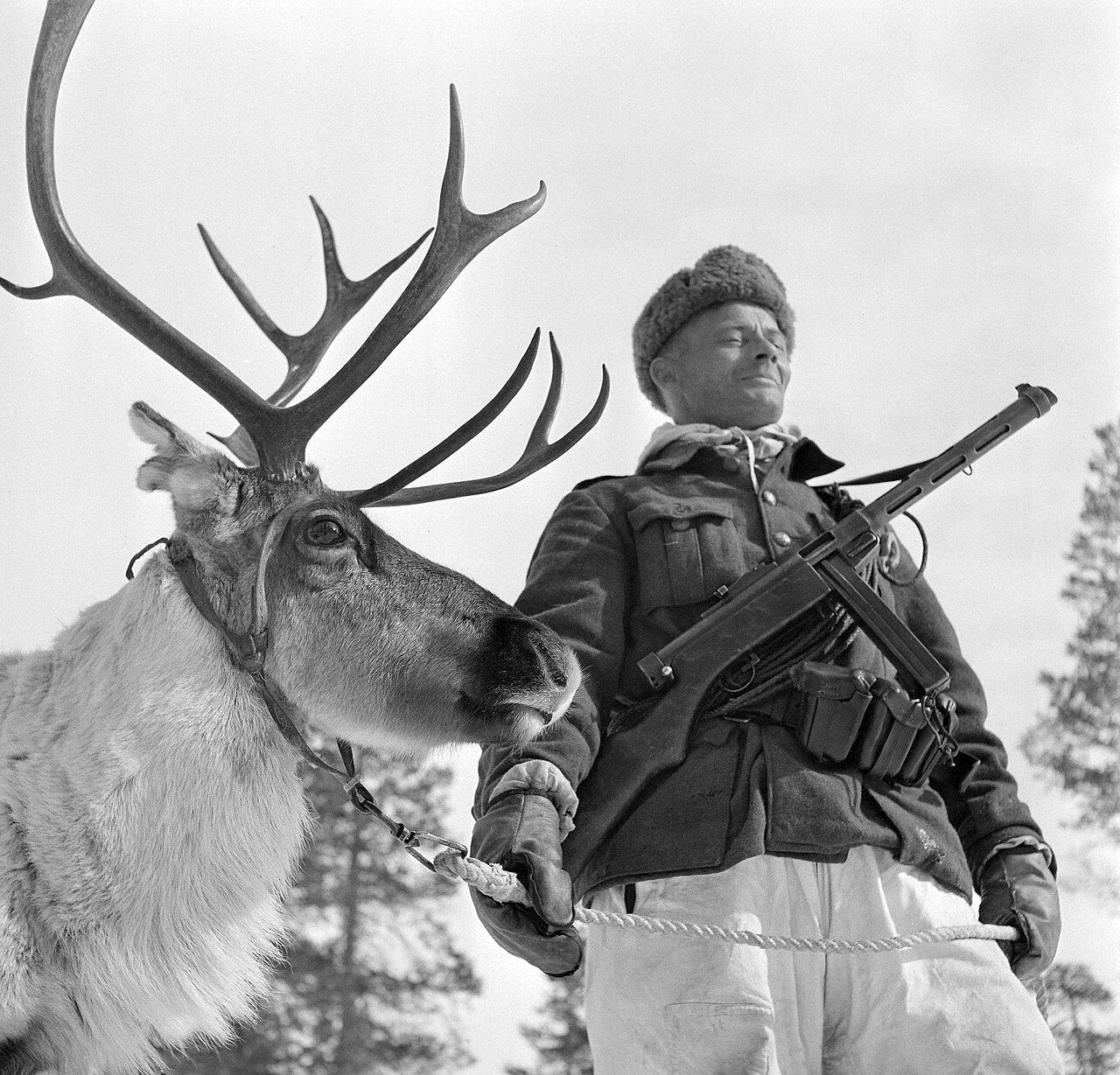
Lahti at Tikkakoski — tripling production
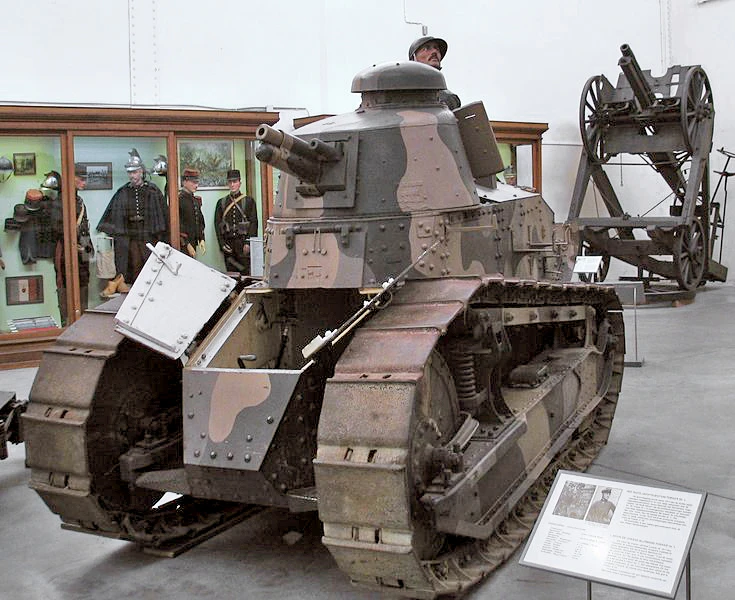
The tank of the future or the tanks of today?
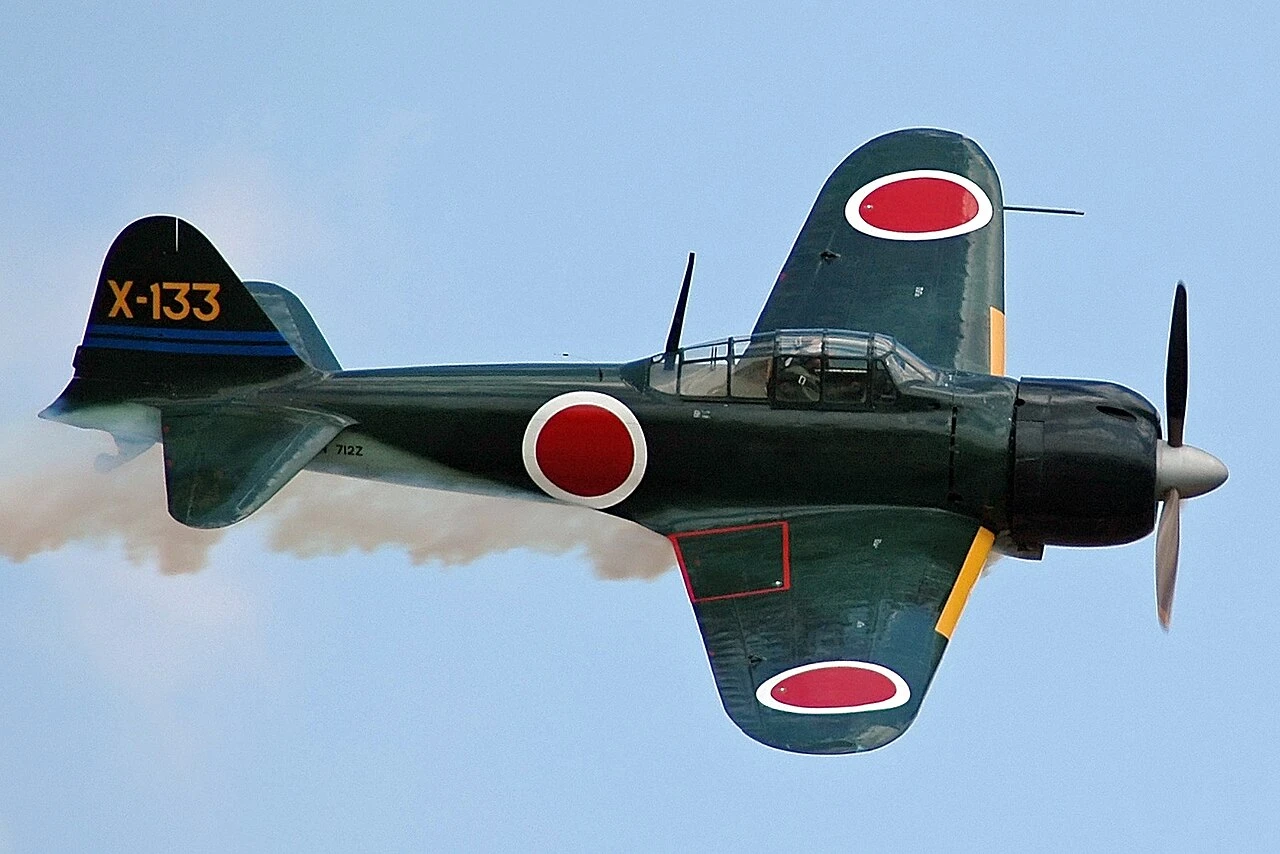
Northward or southward
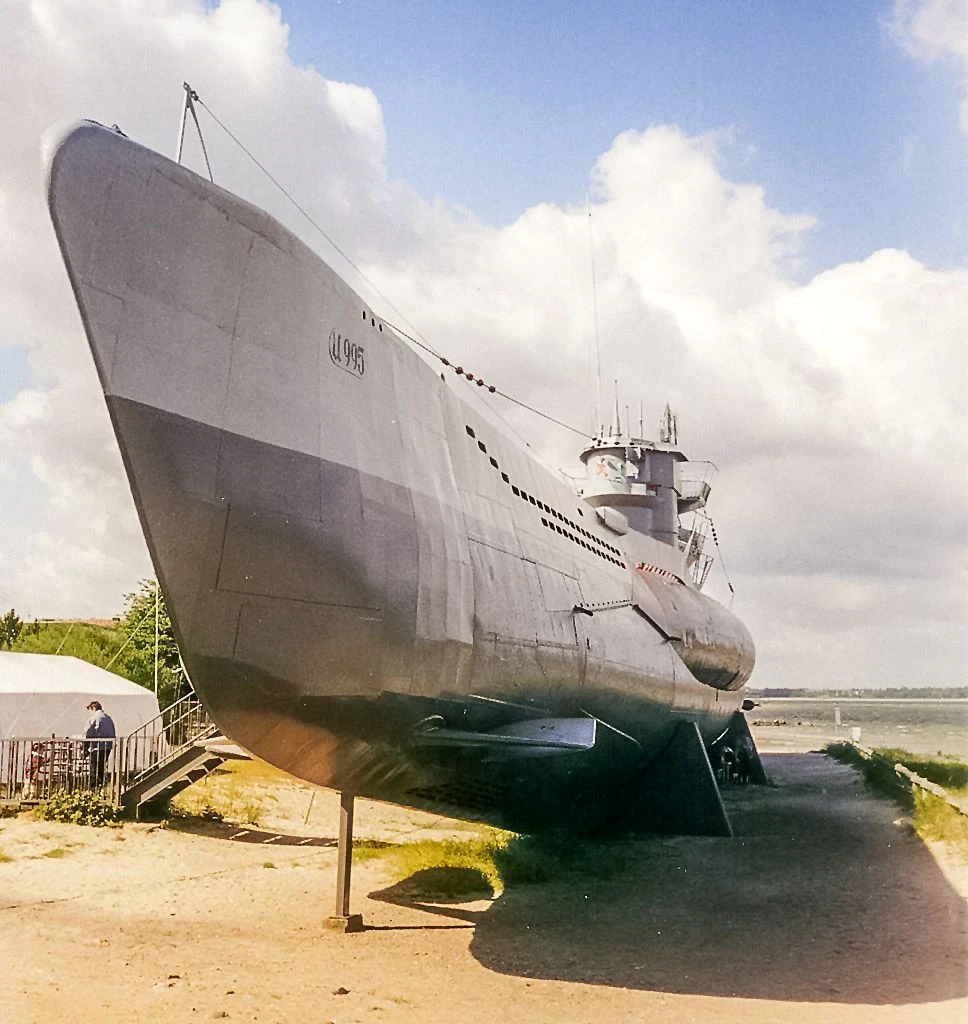
Dönitz at Sengwarden — the winter pause
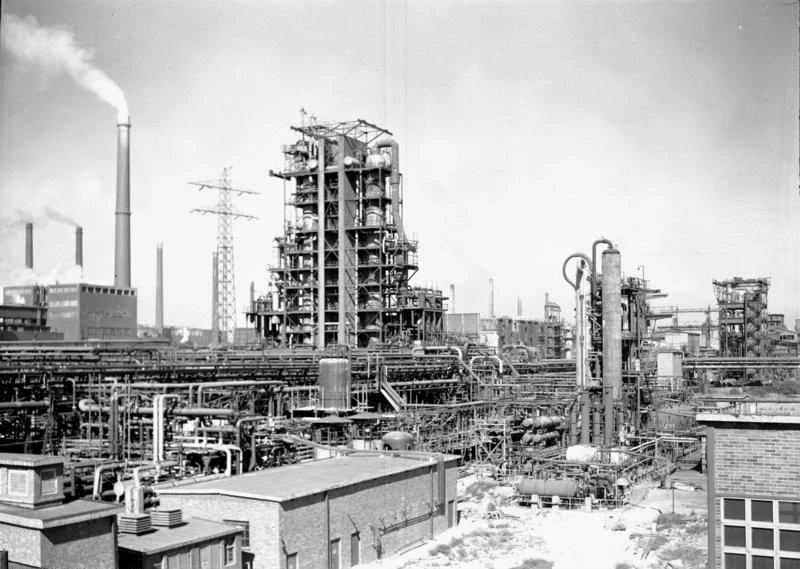
Making oil from coal
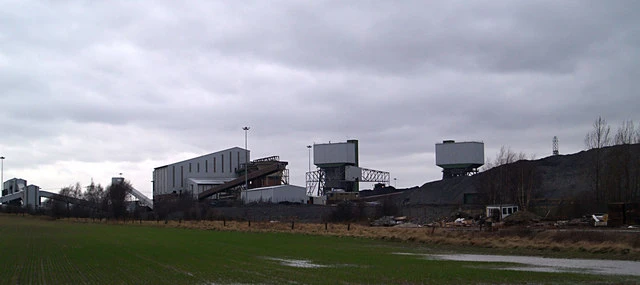
British Coal for the Winter of 1939
The gun that will have to do
Schnurre in Moscow — the Commercial Agreement
Car assembly lines for an aircraft engine
The physics student evacuated from Moscow
Lahti at Tikkakoski — tripling production
The tank of the future or the tanks of today?
Northward or southward
Dönitz at Sengwarden — the winter pause
Making oil from coal