
Welles with Hitler — 2 March 11:00
, US Under Secretary of State, is sent on a special mission by to assess the positions of European leaders — whether or not mediation might be possible to end the war before it spread. Welles has already met Mussolini in Rome (26 February); he arrives in Berlin on 1 March 1940.
First meeting on 1 March at 15:00: , Foreign Minister. Welles describes in his notes a glacial 90-minute monologue on the "historical reasons" for the war, without the slightest opening.
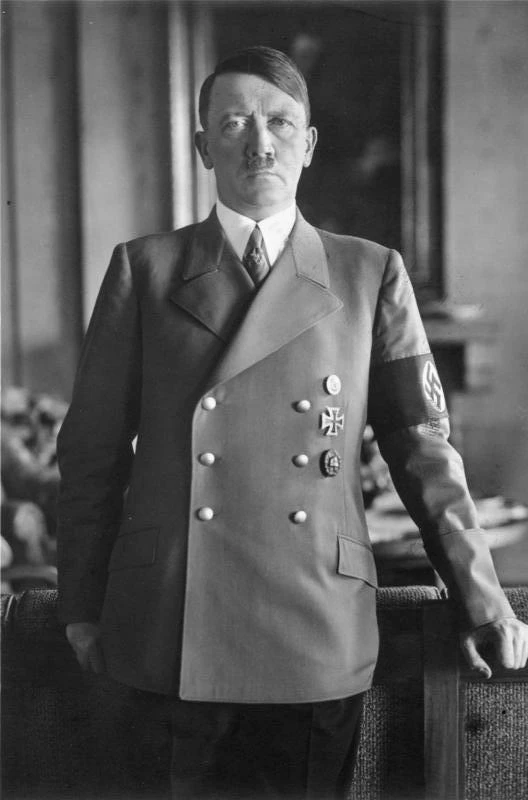
On 2 March at 11:00, Welles is received by at the Chancellery. Present: Hitler, Ribbentrop, the interpreter , Welles alone. Hitler receives Welles seated (a breach of the usual protocol towards an envoy of a head of state). He monologues for 75 minutes without letting Welles intervene. Recurring themes: "injustice of Versailles", Anglo-Saxon "pluto-democracy", "Jewish enemy", "necessary territorial revision". Categorical refusal of any return to the 1939 border — Poland remains "partitioned". No commitment on Czechoslovakia. Not a word on Norway (Operation Weserübung is in secret preparation).
Welles listens, takes mental notes, asks no questions. Courteous departure at 12:15. The report for Roosevelt remains to be drafted.
What conclusion does Welles transmit to Roosevelt about Hitler?
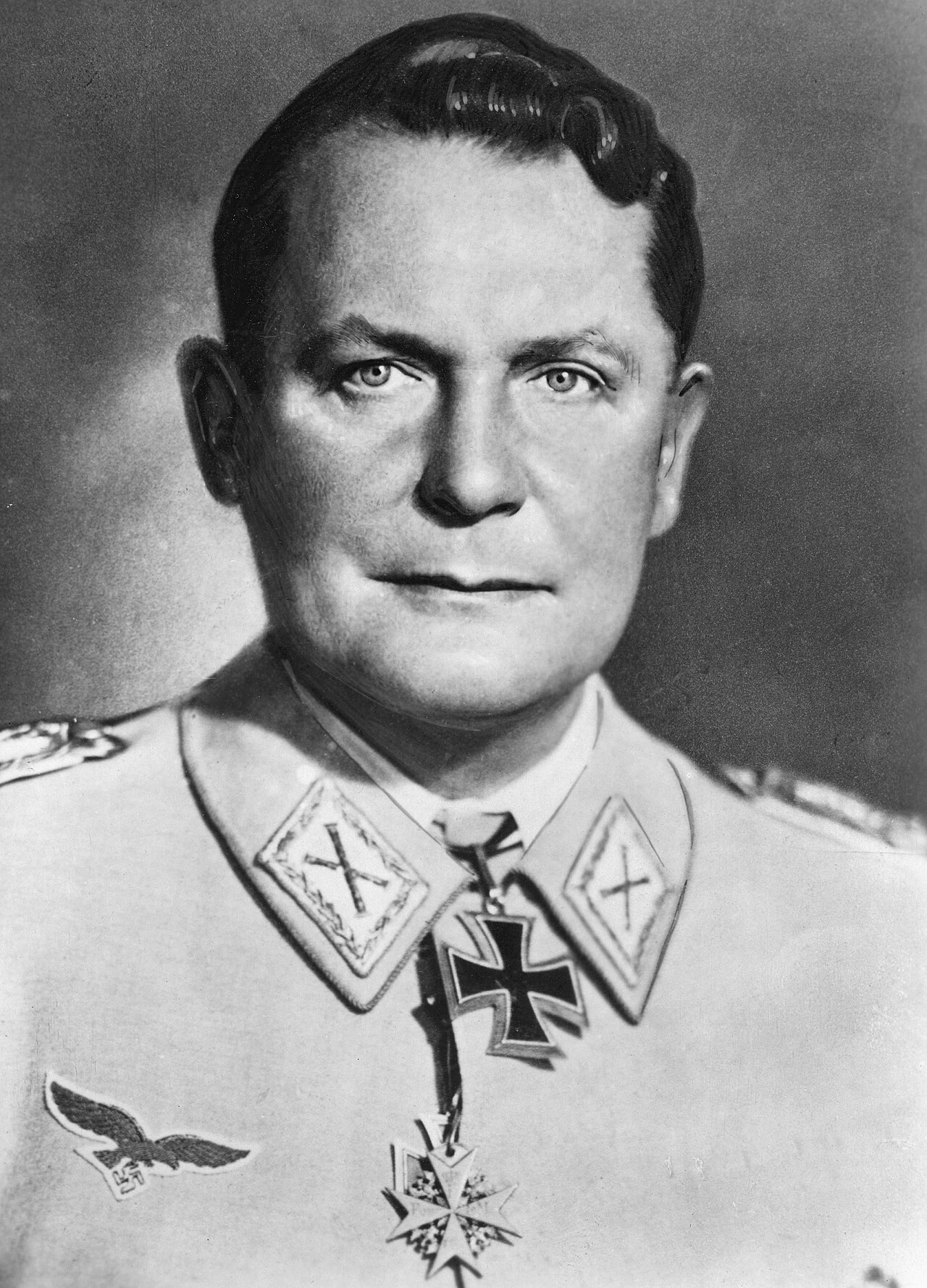
Welles transmits B to Roosevelt in his report. Welles' notation: "Hitler is a man convinced of his mission. No prospect of peace without total victory." Welles also meets Göring at Carinhall (3 March), who shows himself more accommodating in private but repeats the official line; then (4 March), even more rigid. Welles leaves Berlin convinced: no diplomatic latitude. He continues his tour — Paris, London, return to Washington on 29 March. The Welles report is one of the decisive elements that will push Roosevelt to intensify aid to the Allies in the spring of 1940. Hitler regards Welles as an envoy of "Wall Street Jewry" (Goebbels note). reports in his memoirs (1949) that the meeting was one of the "most depressing" of his career — a sense of total incommunicability between the two interlocutors.
Learn more about this event
Related polls
10
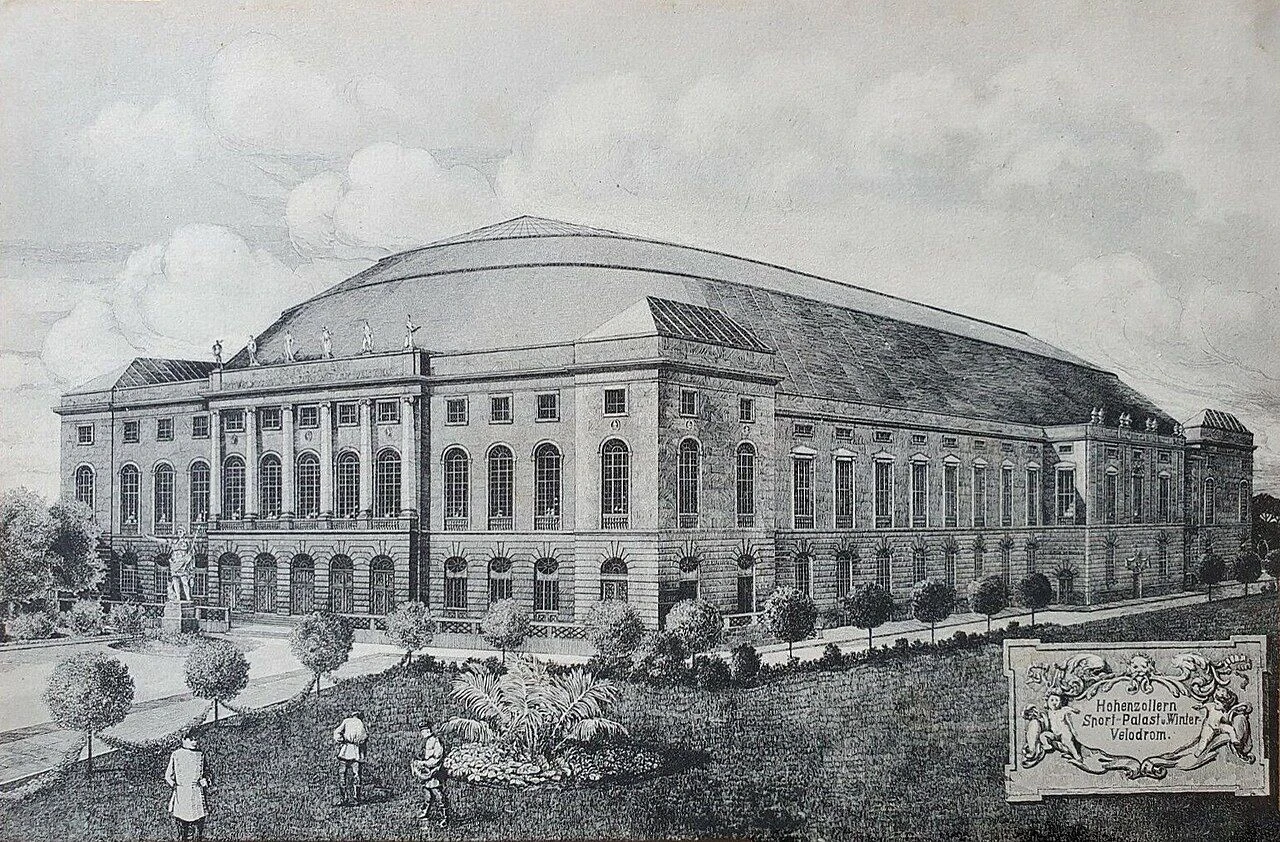
Hitler at the Sportpalast — 30 January, 8 pm
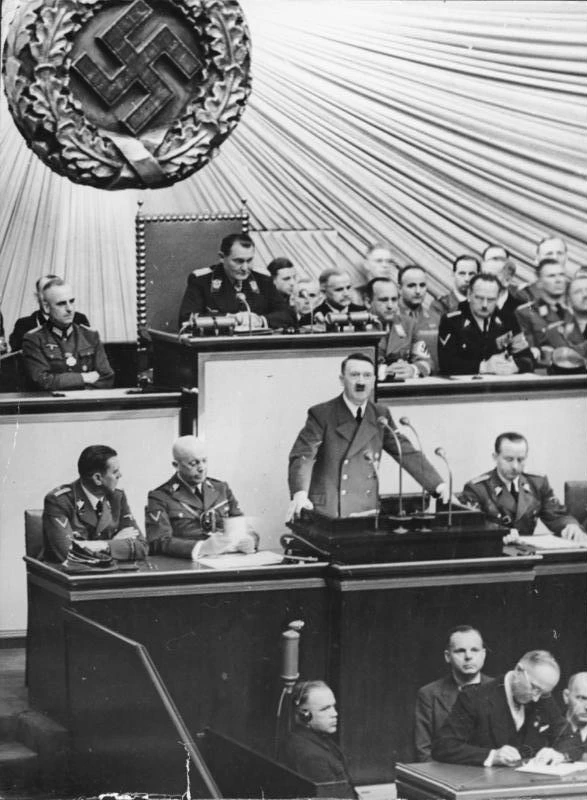
Hitler — the Reichstag Speech
Berlin, October 1941: The Words of Victory
Brauchitsch — Reich Chancellery, 5 November
Goering at Carinhall — the promise to Hitler
Goering — the economic mobilization plan
Hitler at Compiègne — 22 June 4:30 p.m.
The Indische Legion — Subhas Chandra Bose in Berlin
Speer at headquarters - Todt's portfolio
Ciano summons the ambassadors — 10 June
Hitler at the Sportpalast — 30 January, 8 pm
Hitler — the Reichstag Speech
Berlin, October 1941: The Words of Victory
Brauchitsch — Reich Chancellery, 5 November
Goering at Carinhall — the promise to Hitler
Goering — the economic mobilization plan
Hitler at Compiègne — 22 June 4:30 p.m.
The Indische Legion — Subhas Chandra Bose in Berlin
Speer at headquarters - Todt's portfolio