
In the 1930s, the National Bank of Czechoslovakia had placed part of its gold reserves for safekeeping with the Bank for International Settlements (BIS), in an account held at the Bank of England, in London. A precaution against the German threat.
After the occupation of Prague in March 1939, a transfer order reaches the BIS: to move part of this gold — around £5.6 million — from the Czechoslovak account to an account of the German Reichsbank. The order, as will later be understood, was extorted under duress from the occupied Czech authorities.
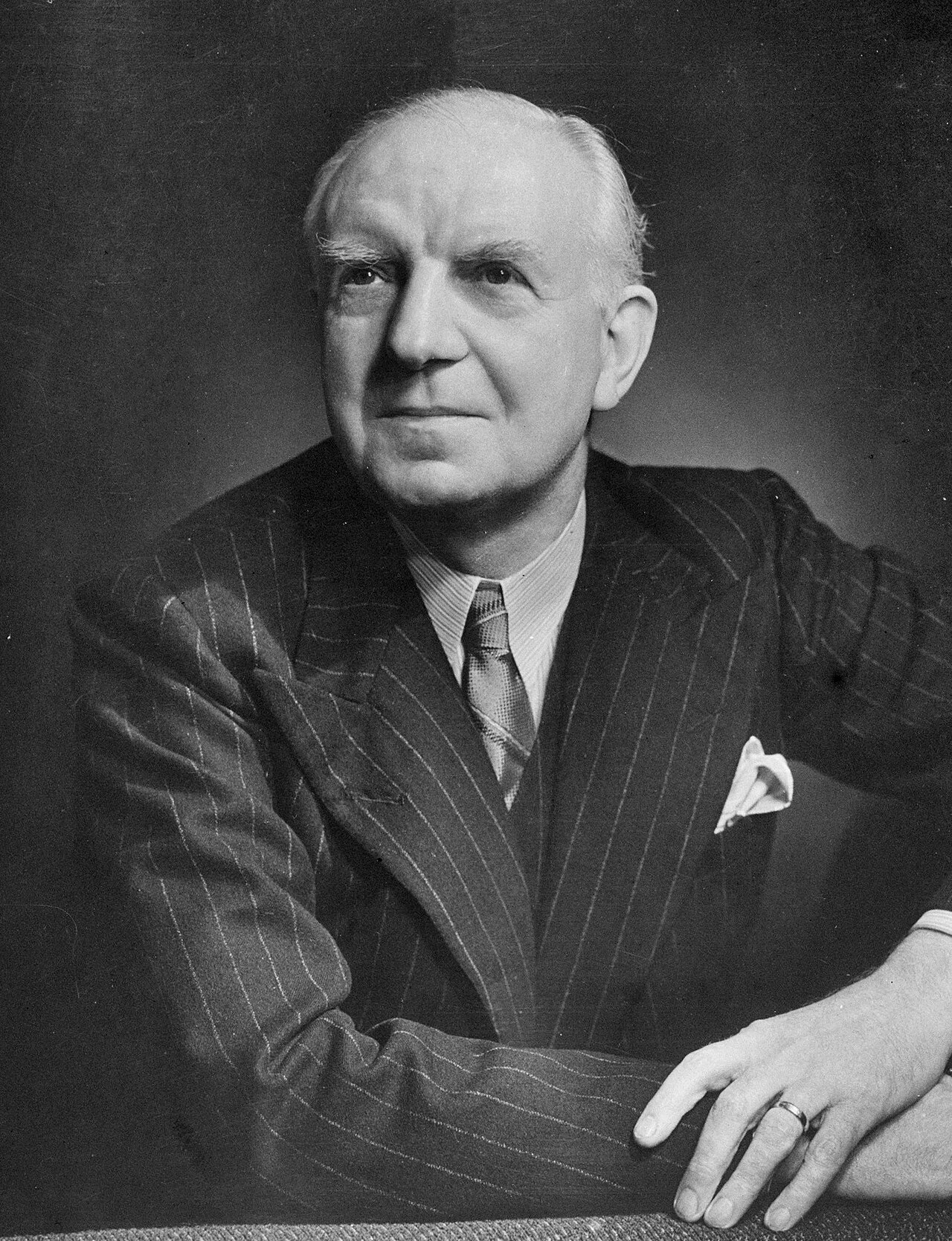
The Governor of the Bank of England, , must decide how to proceed. Execute the order in the name of formal respect for the BIS's instructions and the institution's technical neutrality, at the risk of transferring looted gold to Nazi Germany? Block or suspend the transfer for political and moral reasons, at the risk of politicising international finance? Or refer the matter to the British government before acting? The decision puts financial complicity with an aggressor at stake.
Should the Bank of England execute the transfer of Czech gold to the Reichsbank, or block it?
The Bank of England chooses A: the transfer of Czech gold to the Reichsbank is honoured, Norman sheltering behind a legalistic position — the Bank held gold on behalf of the BIS without having to question its ultimate owner. The affair, revealed by the press, causes an outcry: the press, MPs and public opinion accuse the City of having helped Nazi Germany dispose of looted gold, at the very moment when London claimed to be hardening its tone. Archives released decades later will confirm the government's embarrassment. The episode remains a textbook case of the grey zone between technical neutrality and complicity.
Learn more about this event
Related polls
10
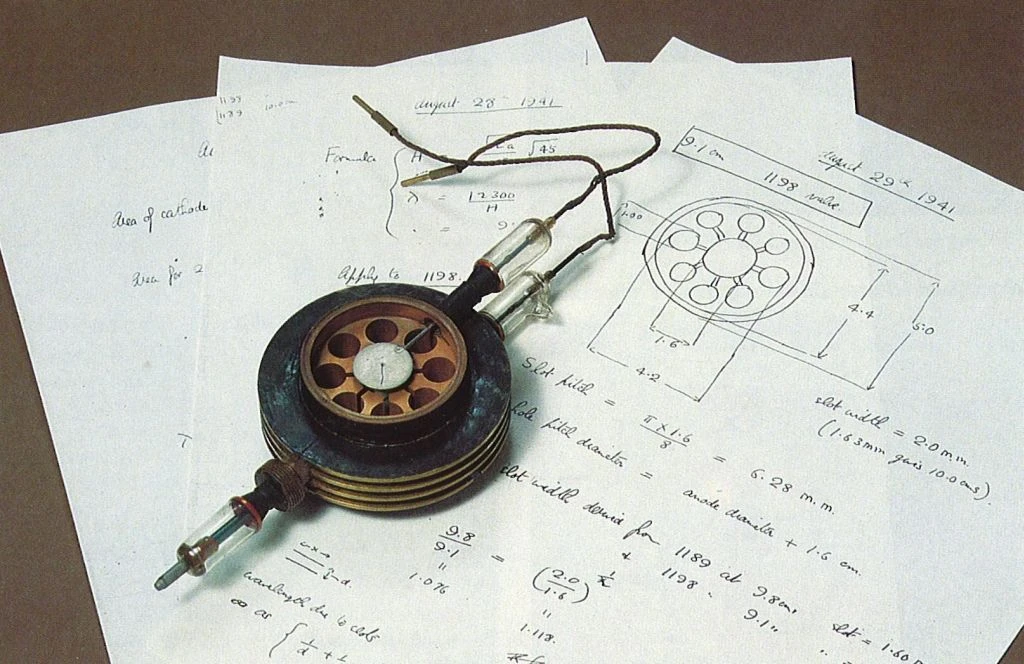
The Tizard Mission's Trunk for America
British rationing put to the test in 1941
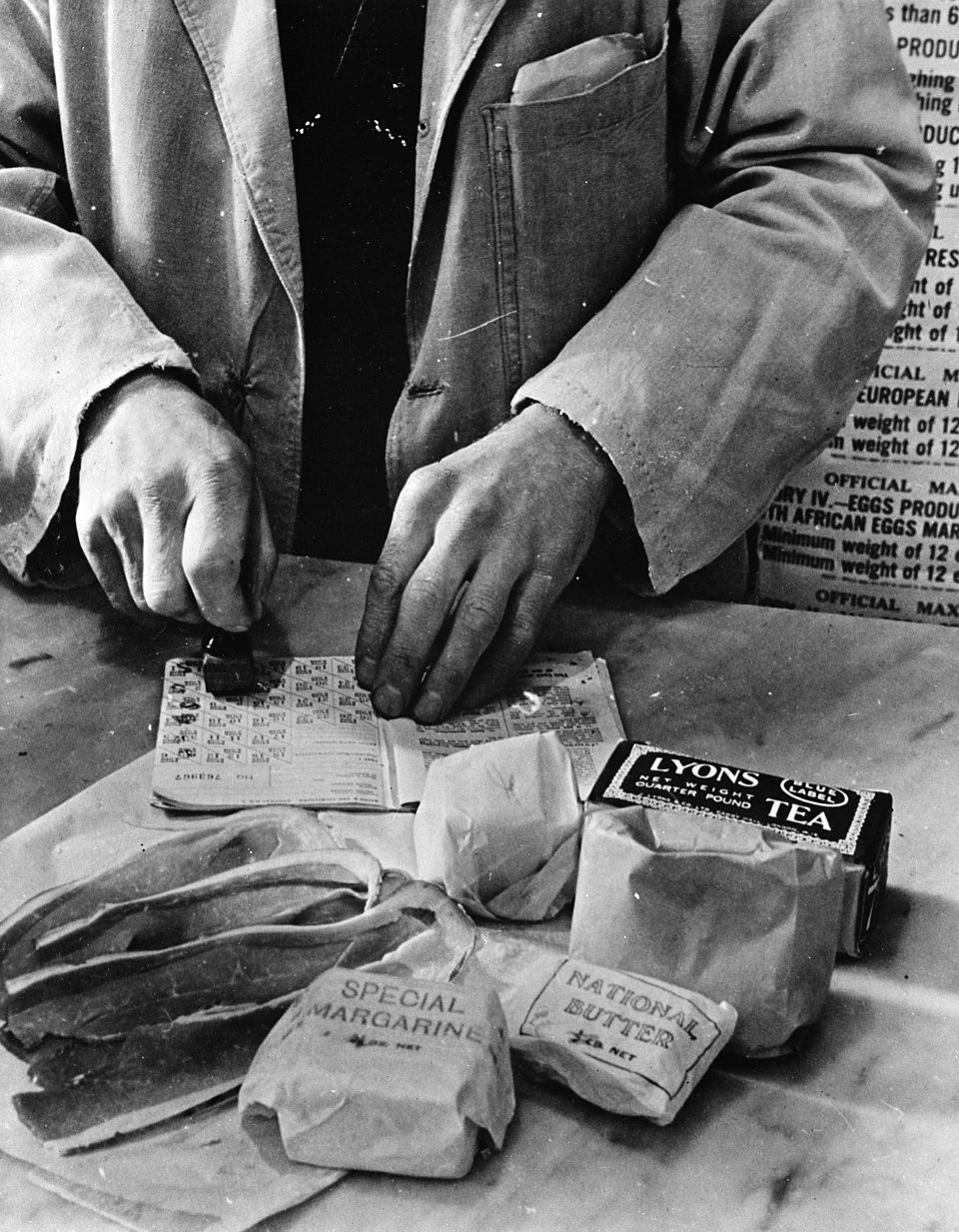
British rationing — Morrison and the principle

Buy Each for Themselves or with a Single Voice
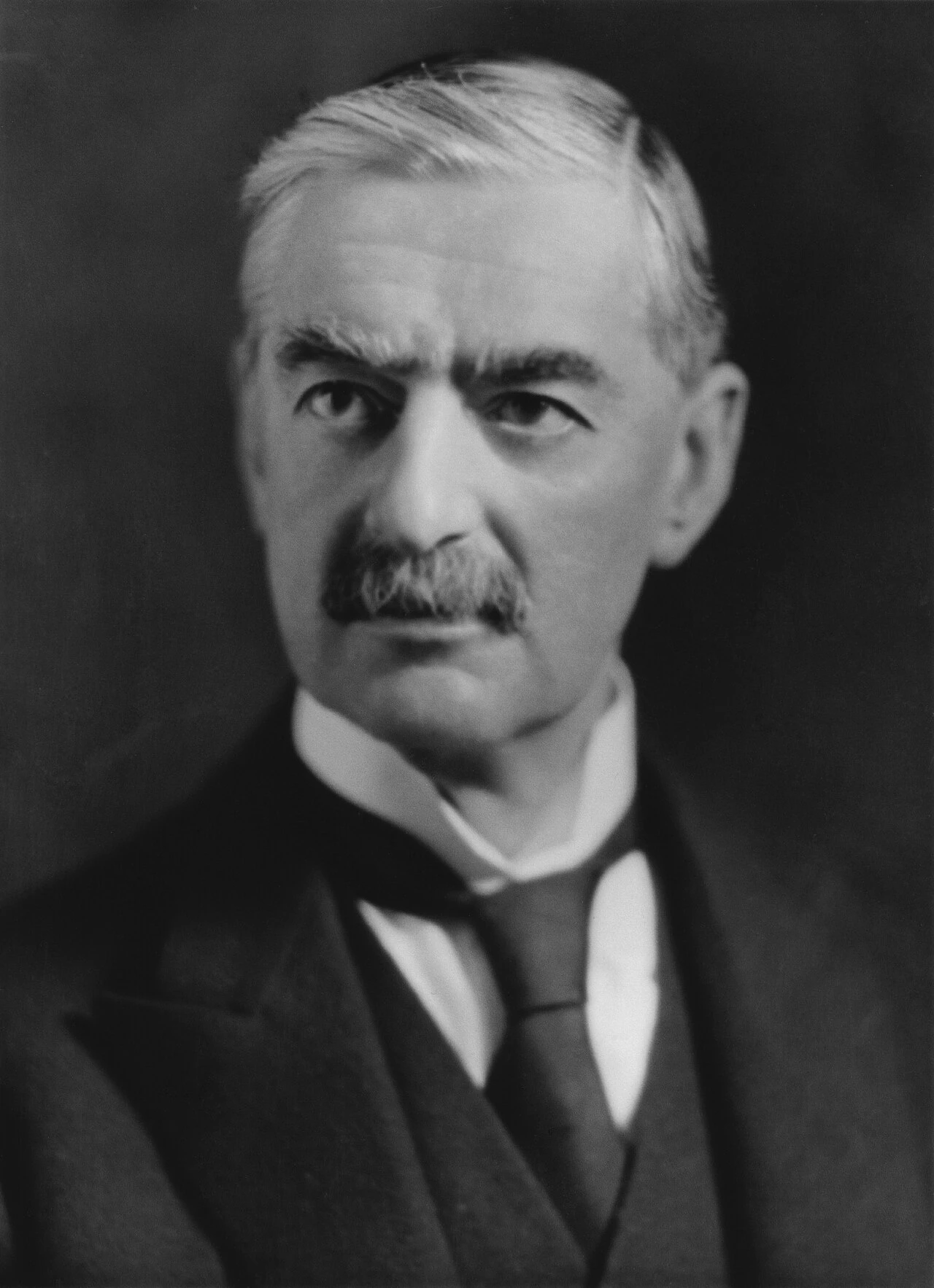
The Guarantee to Poland
The Gold of the Bank of Poland — the destination of the SS Eocene

Selling to Both Sides
Biebow at Litzmannstadt — 8 February

Borakowski and the merchant fleet
The Upper Silesian Pole Subjected to Forced Labour
The Tizard Mission's Trunk for America
British rationing put to the test in 1941
British rationing — Morrison and the principle
Buy Each for Themselves or with a Single Voice
The Guarantee to Poland
The Gold of the Bank of Poland — the destination of the SS Eocene
Selling to Both Sides
Biebow at Litzmannstadt — 8 February
Borakowski and the merchant fleet