
Pétain forms his government — 16 June, 23:00
On 16 June 1940 at 23:00 in Bordeaux, President calls on Marshal , 84, to form a new government after Reynaud's resignation. Pétain, Deputy Prime Minister since 18 May, is not caught off guard: he pulls from his pocket a list of ministers already drawn up — Weygand at Defence, Darlan at the Navy, Baudouin at Foreign Affairs, Bouthillier at Finance.
Pétain has already decided in principle: he will ask Germany for an armistice. The question is no longer the decision itself, but its pace and form. Should the request be transmitted that very night, through the Spanish diplomatic channel, or should he take the time to form the government and check procedures? Should the British and American allies be consulted first?
Every hour counts: on the ground the army is disintegrating, refugee columns saturate the roads, and the enemy advances. The tempo Pétain chooses will weigh on the fate of hundreds of thousands of soldiers still in combat.
When and how should Pétain transmit the armistice request?
Pétain chooses A. As early as 23:45 on 16 June, Baudouin asks the Spanish ambassador, , to transmit the French armistice request to Berlin. The request reaches Germany during the night. Hitler, wanting to savour the moment, lets several days pass before setting the framework of the negotiation, which will take place at Rethondes on 22 June. Pétain's speed — asking for an armistice before even exhausting the North African option — commits France to the path of capitulation and, soon, of the Vichy regime. Sentenced to death in 1945, Pétain sees his sentence commuted by de Gaulle and dies in detention on the Île d'Yeu in 1951.
Learn more about this event
Related polls
10
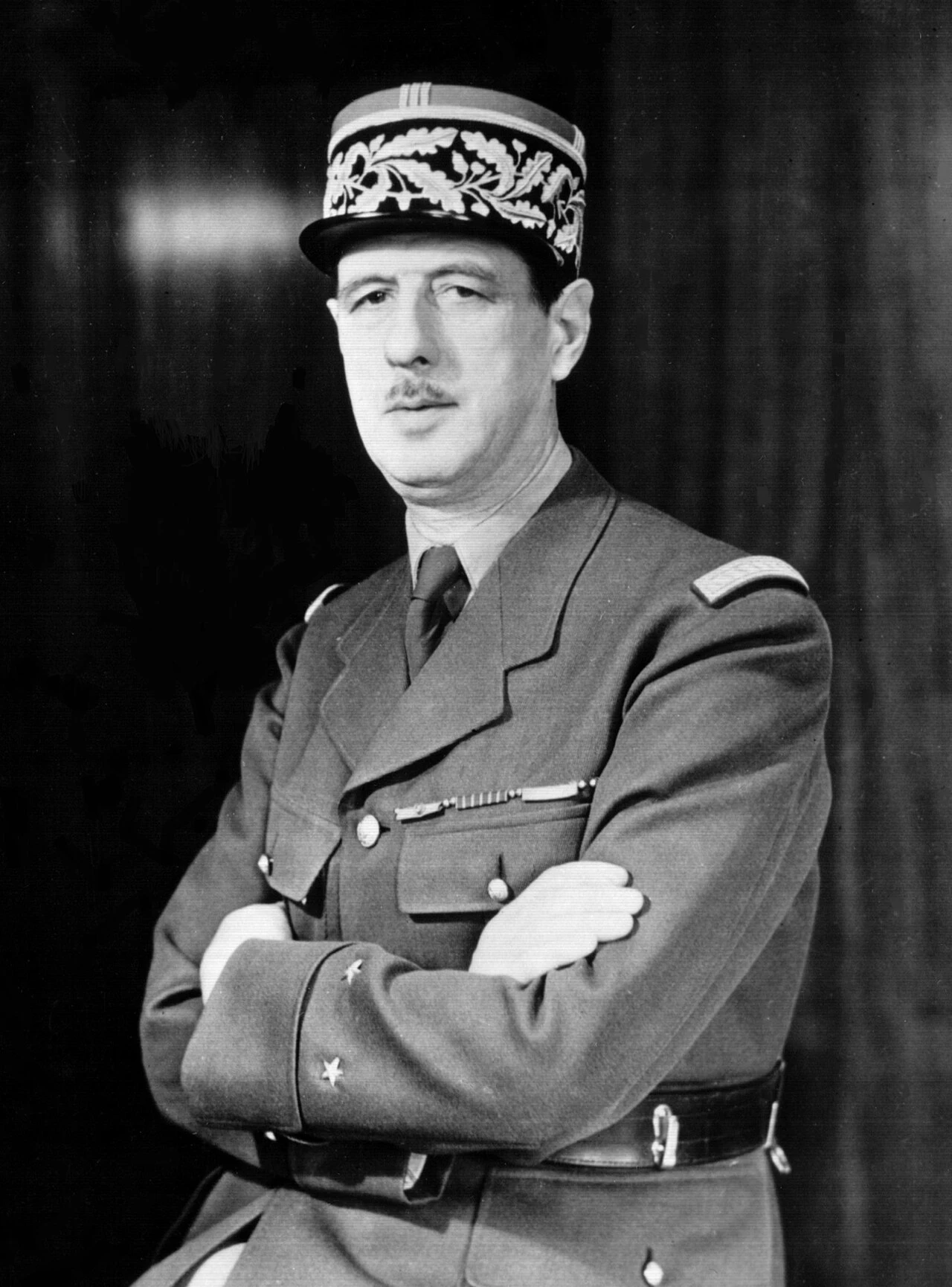
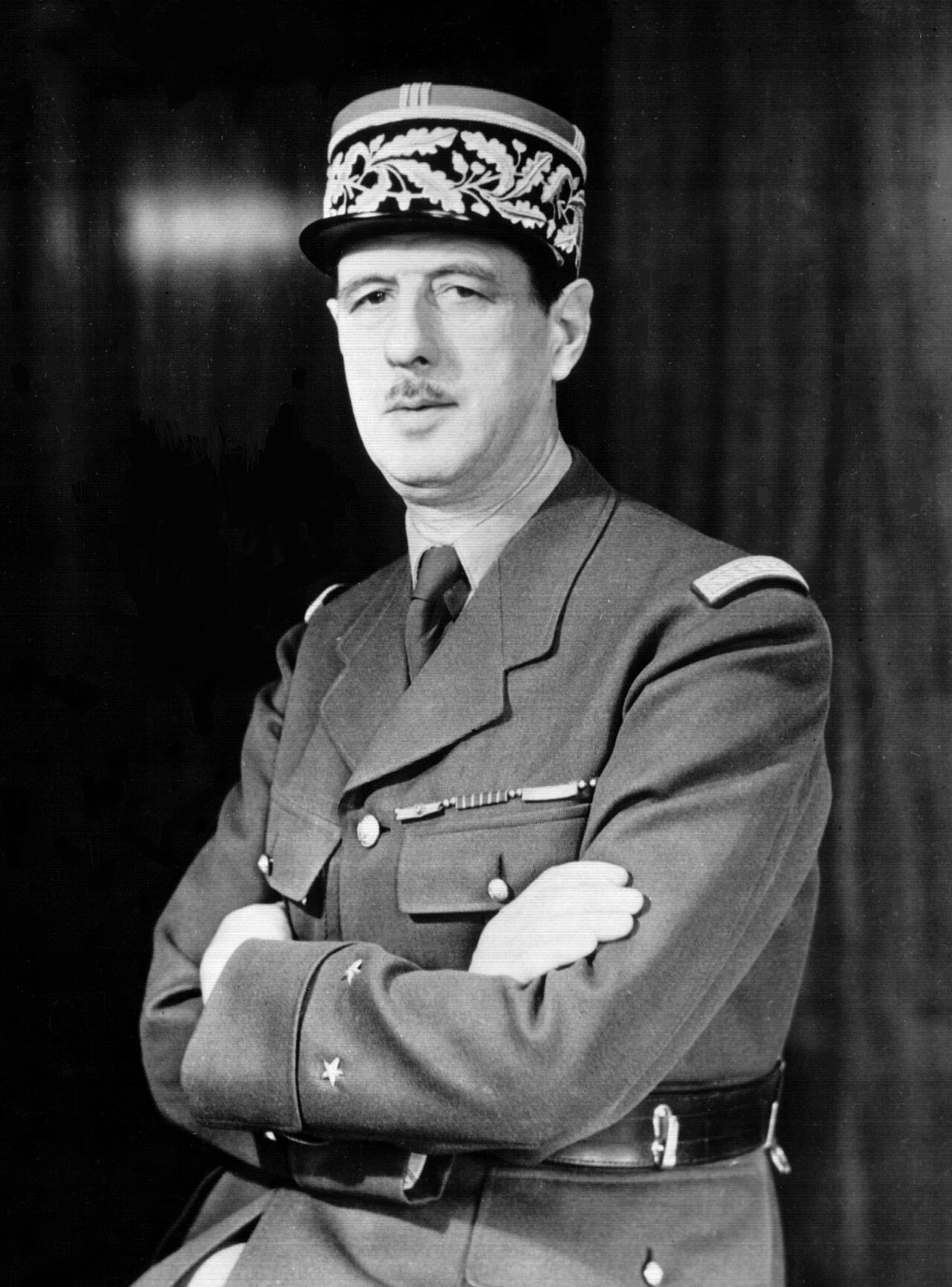
De Gaulle joins the government — 5 June
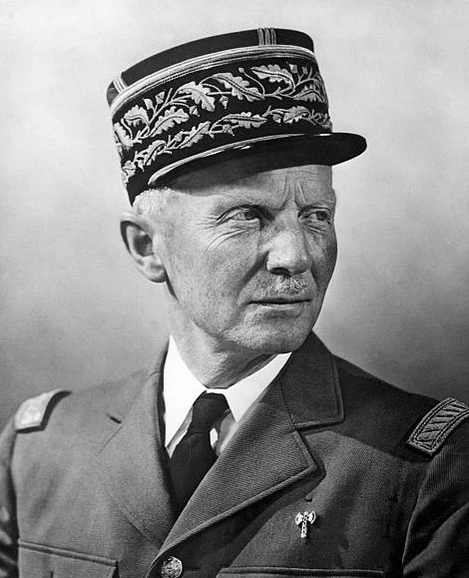
Huntziger in Foch's Carriage — 22 June
Mérignac — de Gaulle and Spears's aircraft
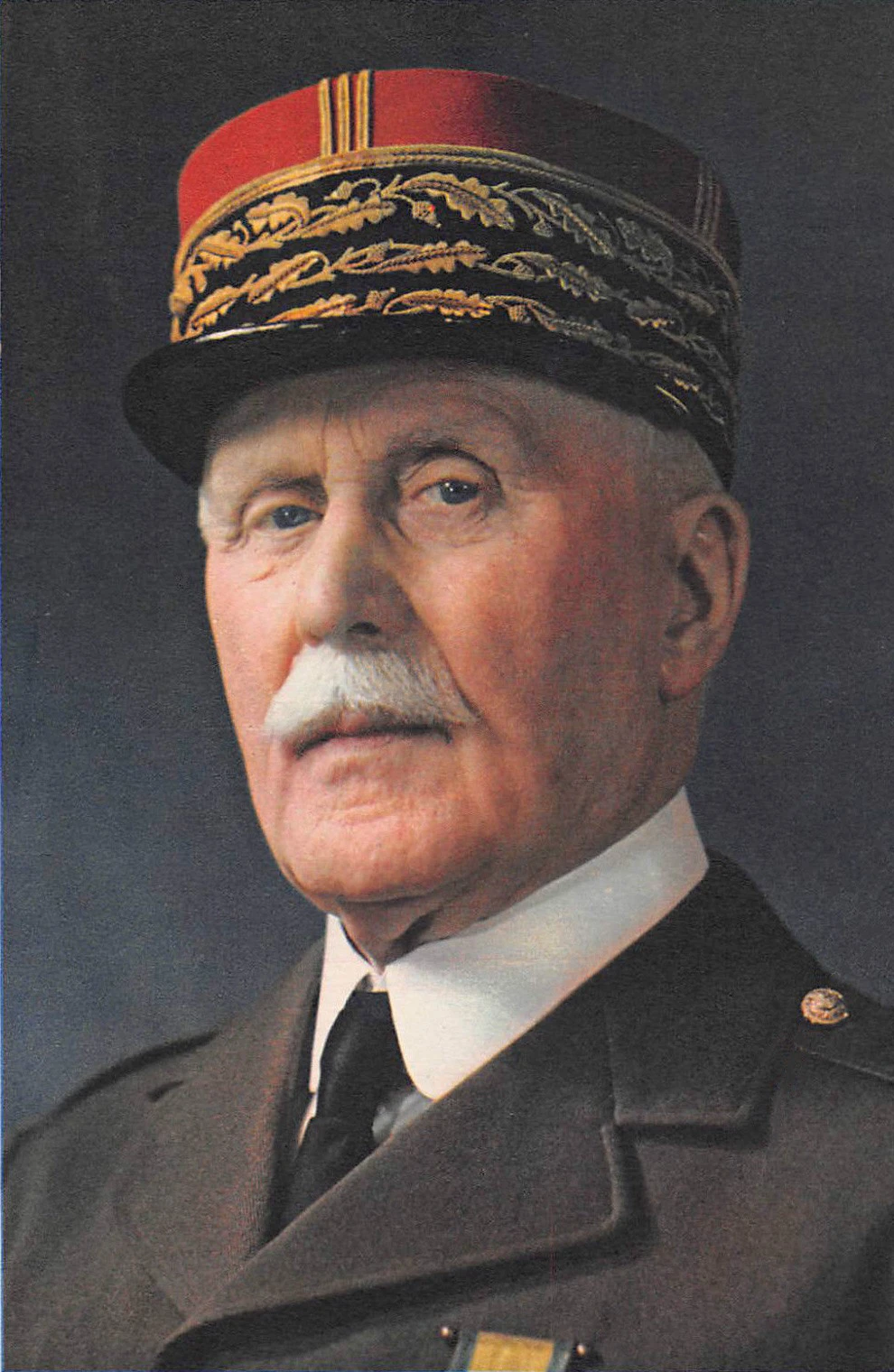
Pétain at the microphone — Bordeaux, 17 June, noon
The Franco-British union — 16 June
The hero of Verdun recalled from Madrid
Langeron — Prefecture of Police, 14 June
The Massilia — Bordeaux 21 June
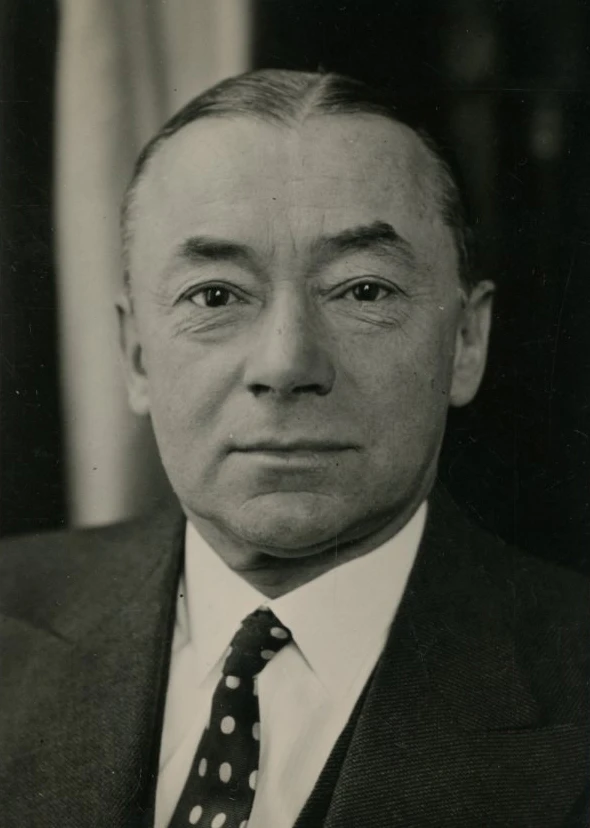
Reynaud faces the Council — Bordeaux, 16 June, 22:00
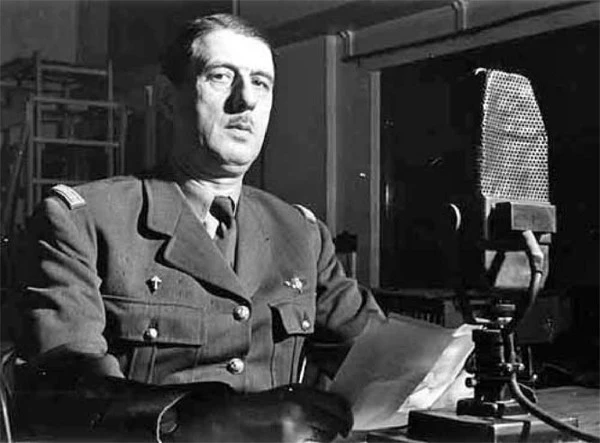
The Appeal of 18 June
De Gaulle joins the government — 5 June
Huntziger in Foch's Carriage — 22 June
Mérignac — de Gaulle and Spears's aircraft
Pétain at the microphone — Bordeaux, 17 June, noon
The Franco-British union — 16 June
The hero of Verdun recalled from Madrid
Langeron — Prefecture of Police, 14 June
The Massilia — Bordeaux 21 June
Reynaud faces the Council — Bordeaux, 16 June, 22:00