
Grossdeutschland crosses at Sedan
On the evening of 13 May 1940, after the aerial pounding, it fell to the infantry to accomplish the essential: to cross the Meuse at Sedan in inflatable boats, under fire, without waiting for the tanks, which could only cross once a bridgehead had been established and a bridge thrown across. The elite regiment and Guderian's infantry were in the front line.
Crossing a river in the open is the most exposed operation there is: the first to cross, rowing with paddles, offered ideal targets to the French artillery and machine guns on the heights of the south bank. Everything depended on speed and on the prior neutralisation of the defence.
The command could launch the crossing immediately at dusk, gambling on the effect of the bombardment, despite the risk. It could wait for full darkness to reduce visibility, at the cost of coordination. Or it could postpone until it had the heavy artillery and bridging equipment, giving the French time to recover. The fate of the entire breakthrough hung on these few hundred metres of water.
Should the Meuse be crossed at Sedan at dusk, should full darkness be awaited, or should the assault be postponed?
The Germans chose A: on the evening of 13 May, taking advantage of the stupefaction caused by the waves of Stukas, the infantry of and other units crossed the Meuse in boats and established a bridgehead at Sedan, on the south bank. The French defence, disorganised and soon struck by the panic of Bulson, failed to throw it back. In the hours that followed, the engineers threw bridges across, and the tanks began to cross. The crossing of Sedan by the assault infantry, paid for in losses but achieved through daring and air support, opened the strategic rupture of the front — the tipping point of the entire campaign in the West.
Learn more about this event
Related polls
10
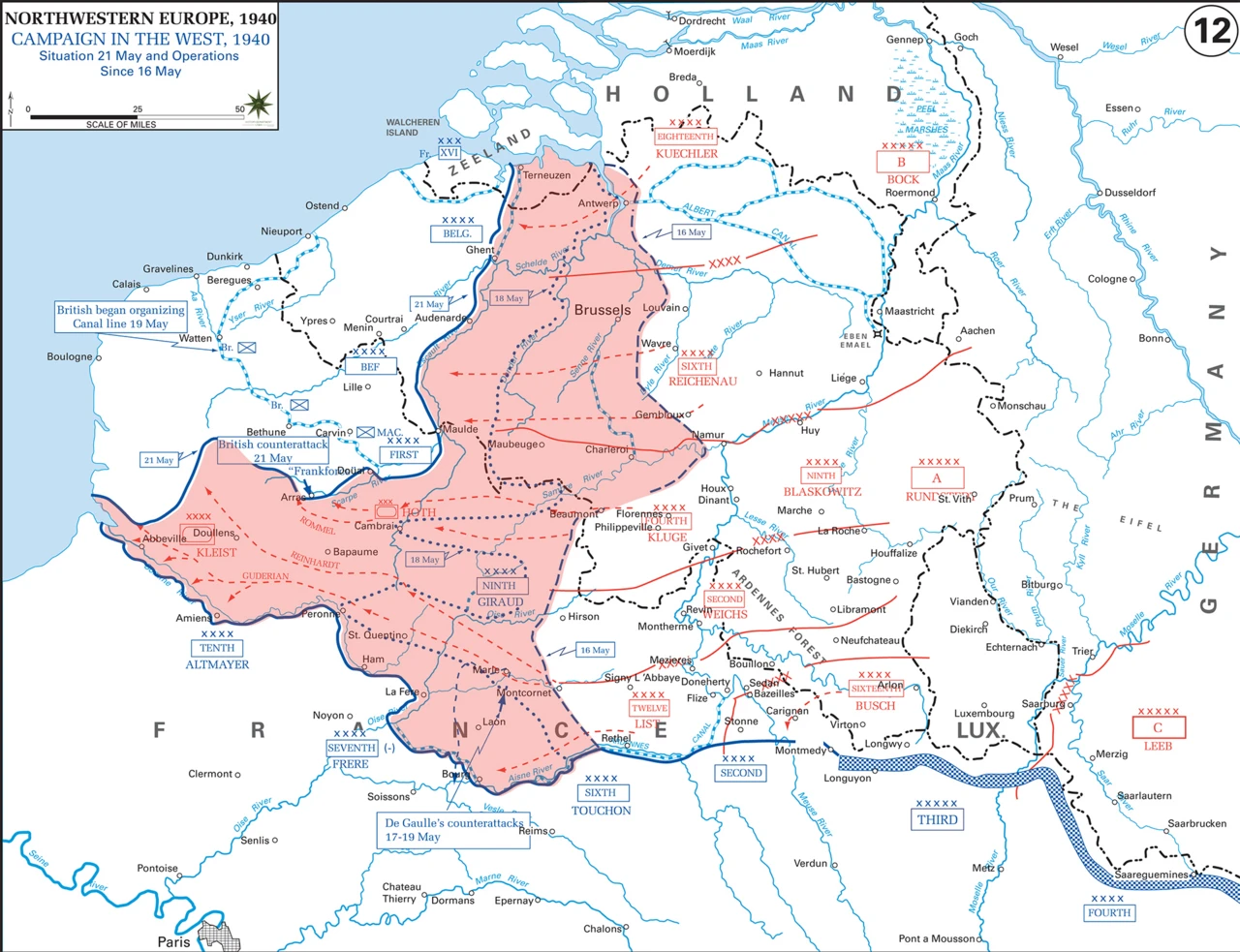
Arras — the Matildas against Rommel's flank
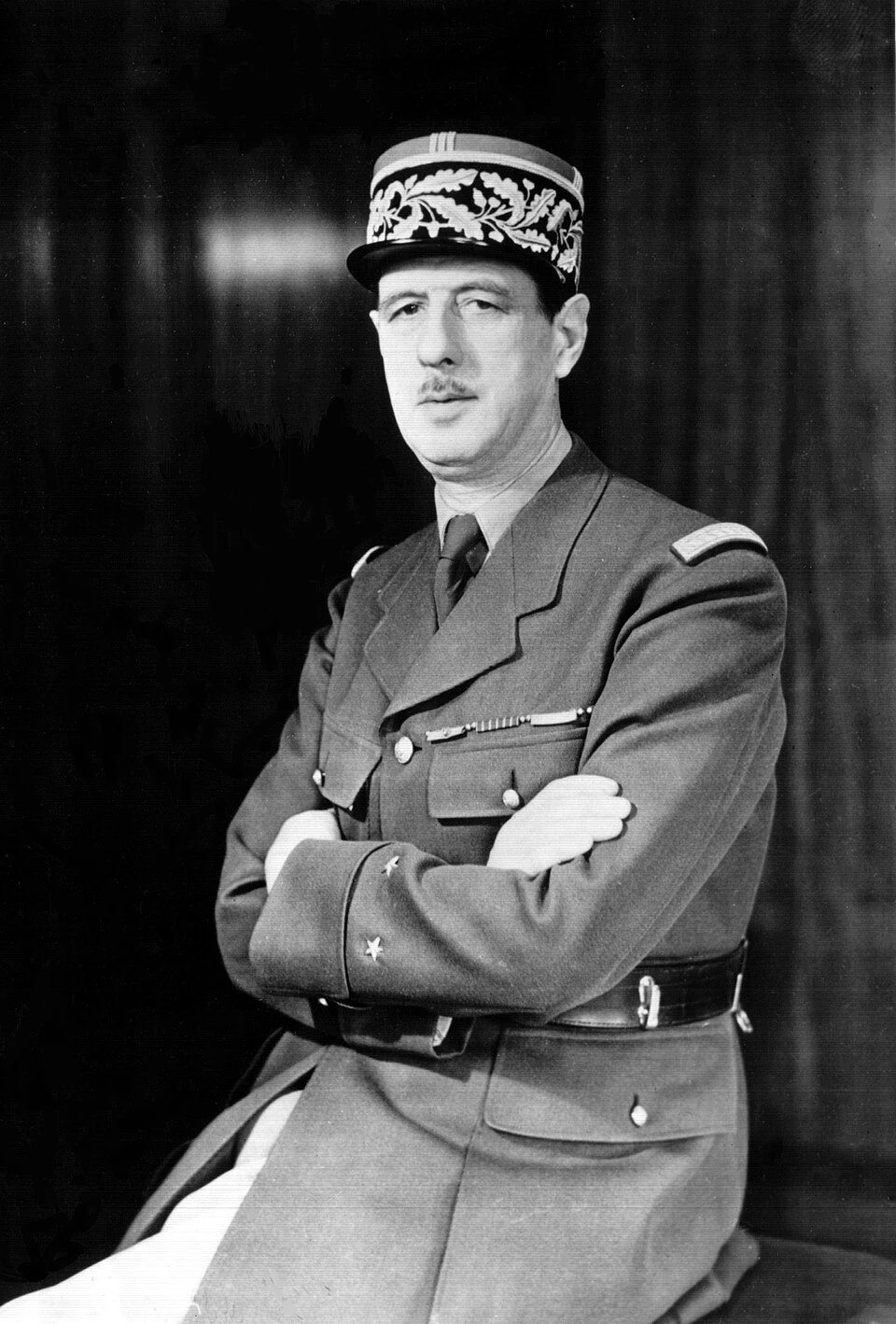
De Gaulle at Montcornet — 17 May
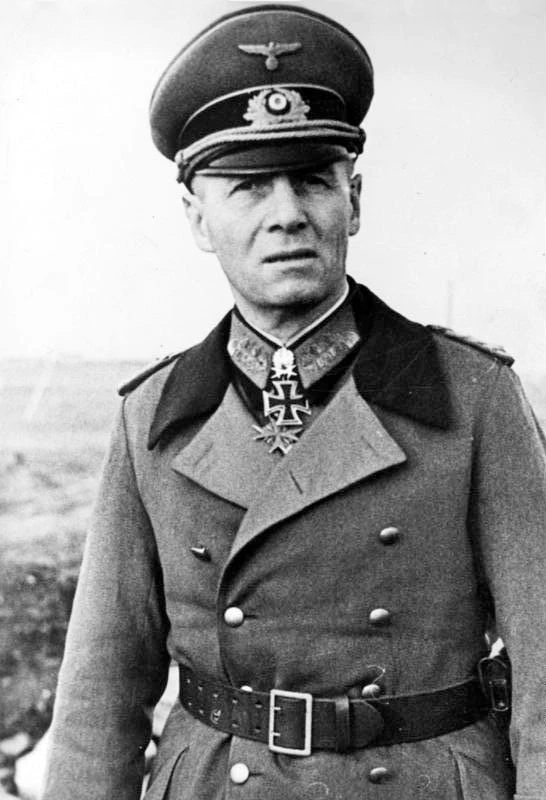
Rommel before the Serre — the Crécy bridge
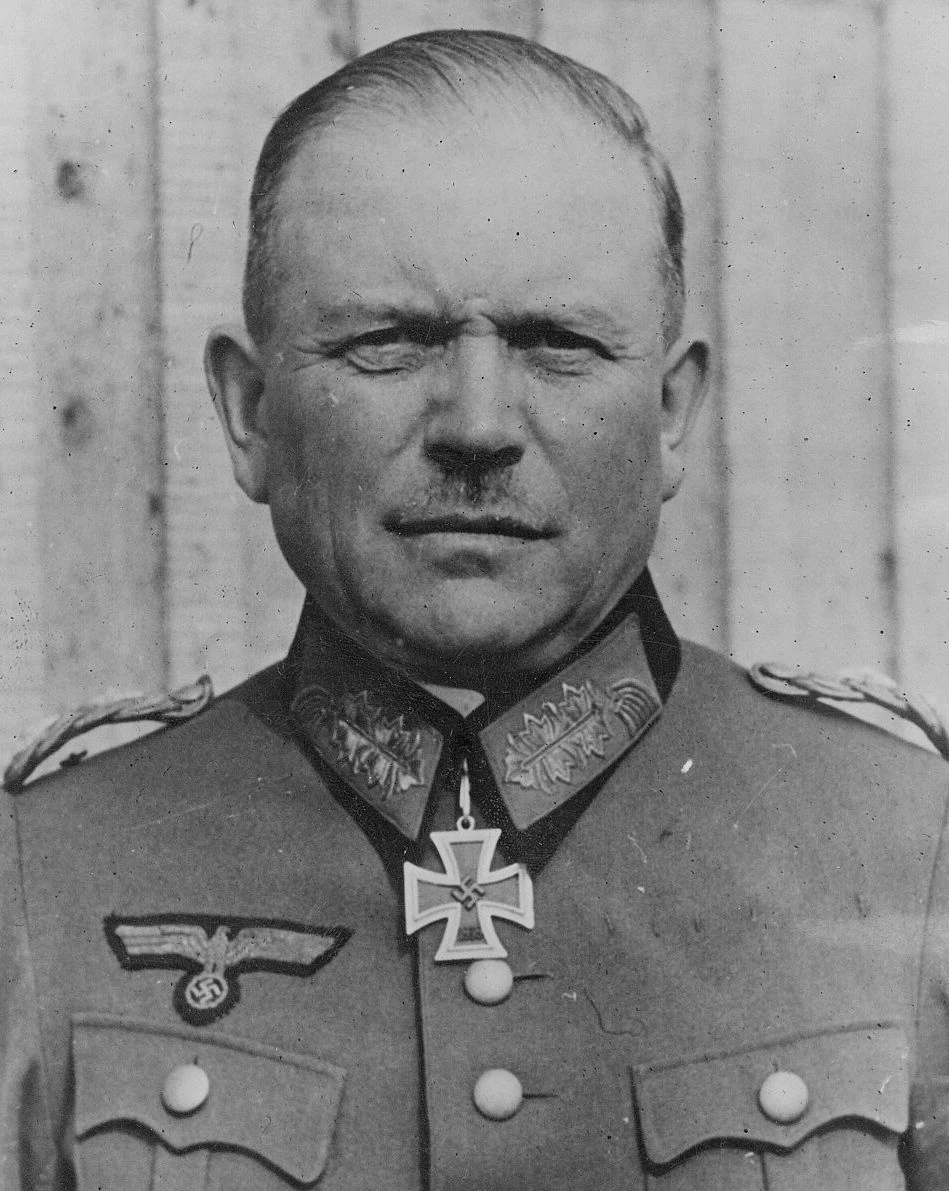
Sedan — Guderian on the Meuse
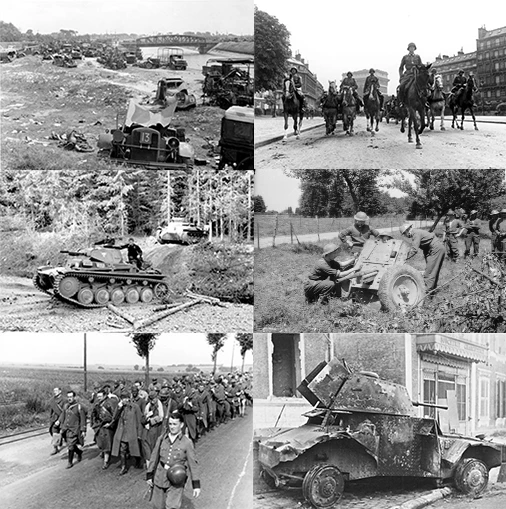
The Monthermé bottleneck
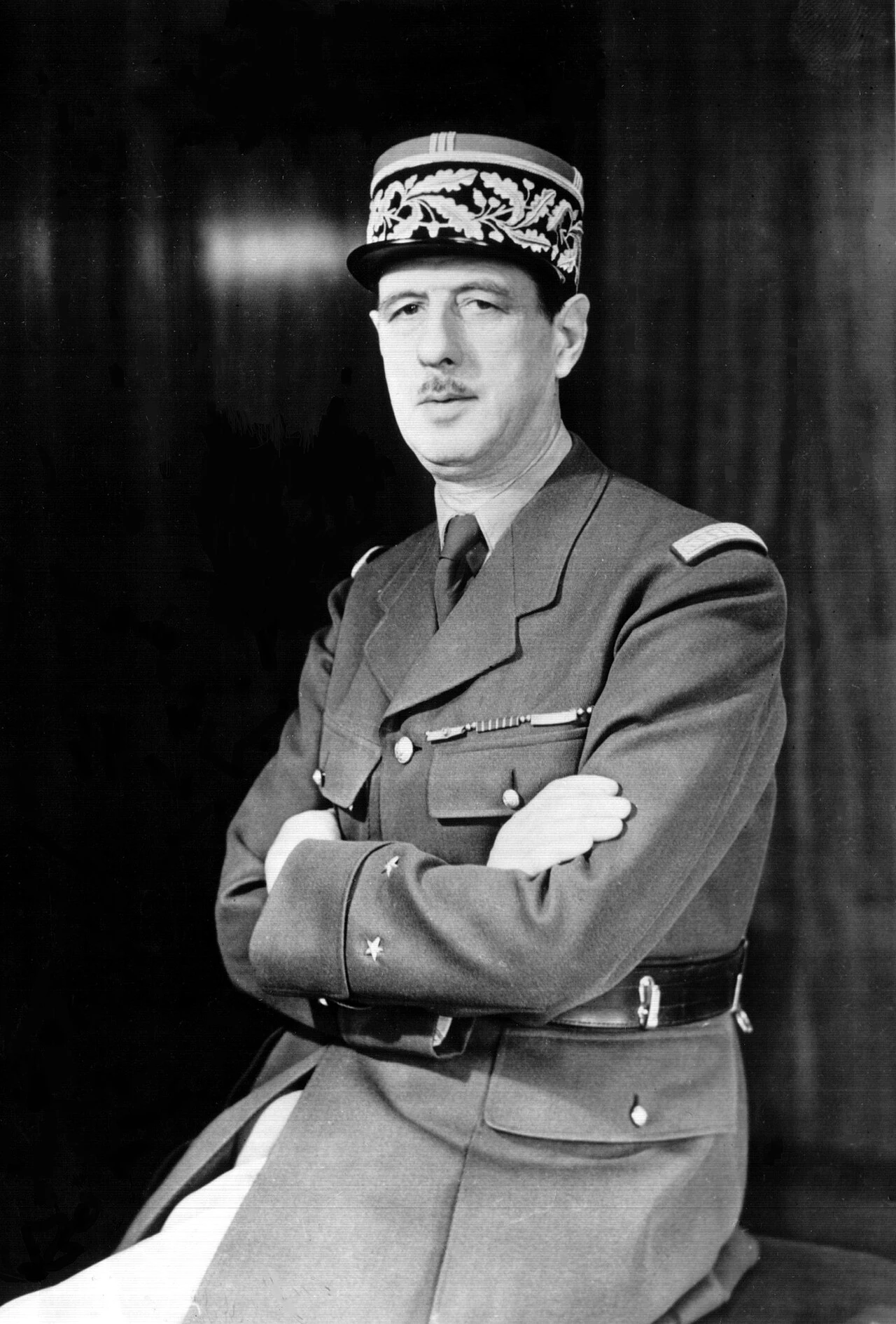
De Gaulle at Abbeville
The Houx weir
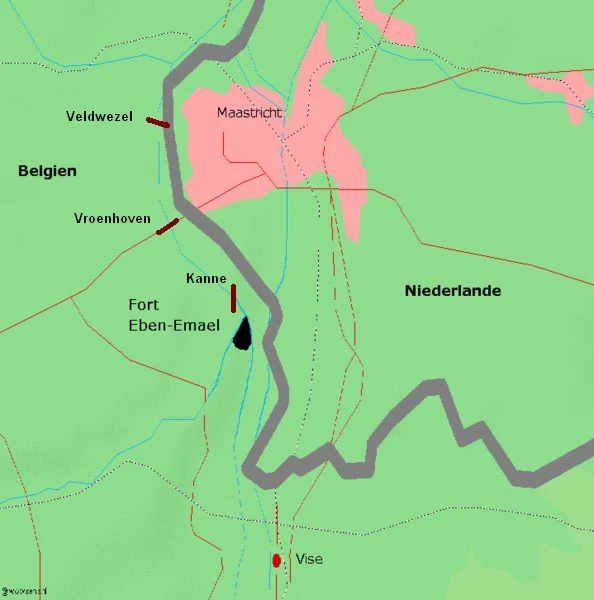
Eben-Emael — gliders on the roof
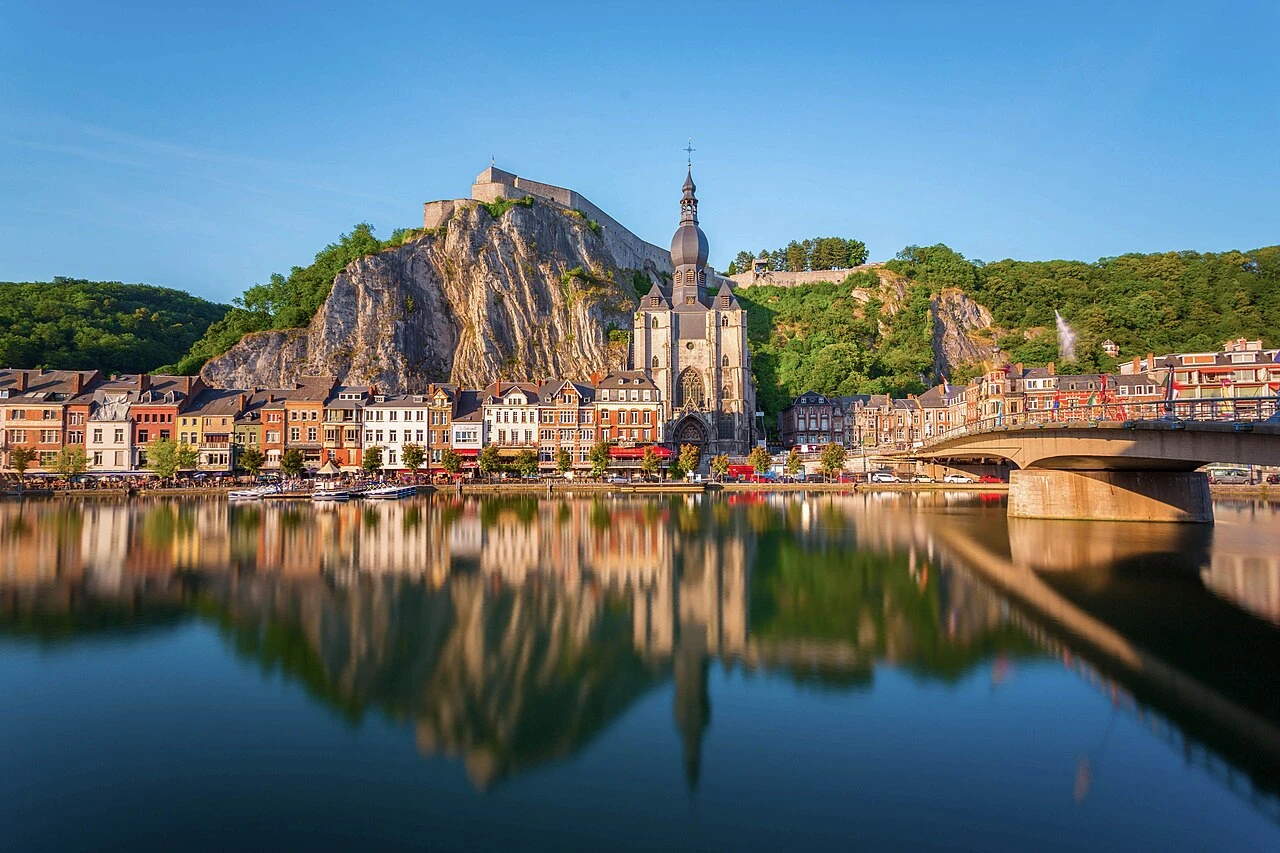
The crossing of the Meuse at Dinant
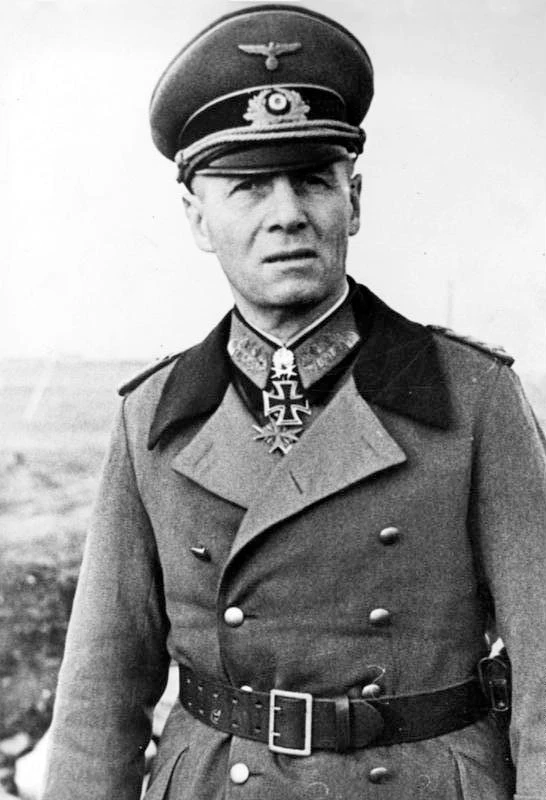
Rommel before the Meuse — Dinant, 13 May
Arras — the Matildas against Rommel's flank
De Gaulle at Montcornet — 17 May
Rommel before the Serre — the Crécy bridge
Sedan — Guderian on the Meuse
The Monthermé bottleneck
De Gaulle at Abbeville
The Houx weir
Eben-Emael — gliders on the roof
The crossing of the Meuse at Dinant