
Article 13: the SNCF and the occupier
22 June 1940. The armistice is signed. Article 13 of the convention places the rail network of the occupied zone — two thirds of the SNCF — entirely at the disposal of the German head of transport, who sets its priorities. The Wehrmacht's military trains take precedence over everything else.
French railway workers continue to operate the lines, but under the supervision of Reichsbahn agents. From the summer onward, the occupier requisitions equipment: an initial order covers a thousand locomotives and thirty-five thousand wagons.
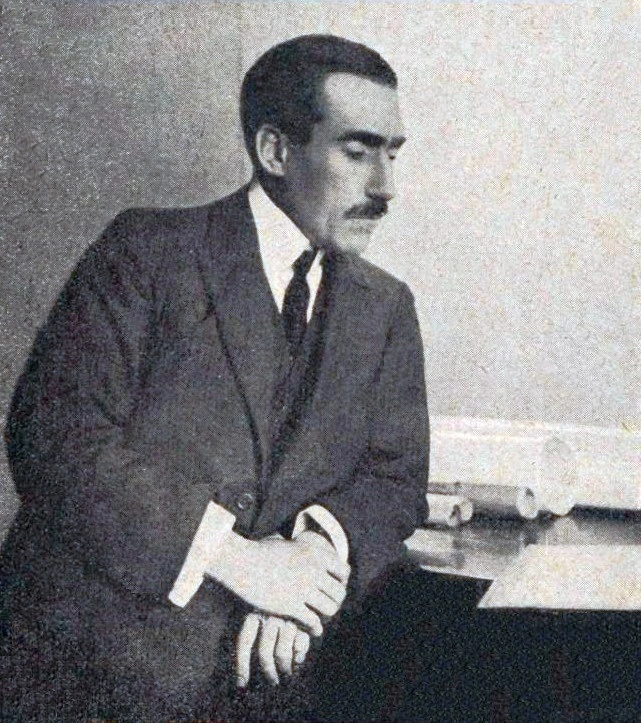
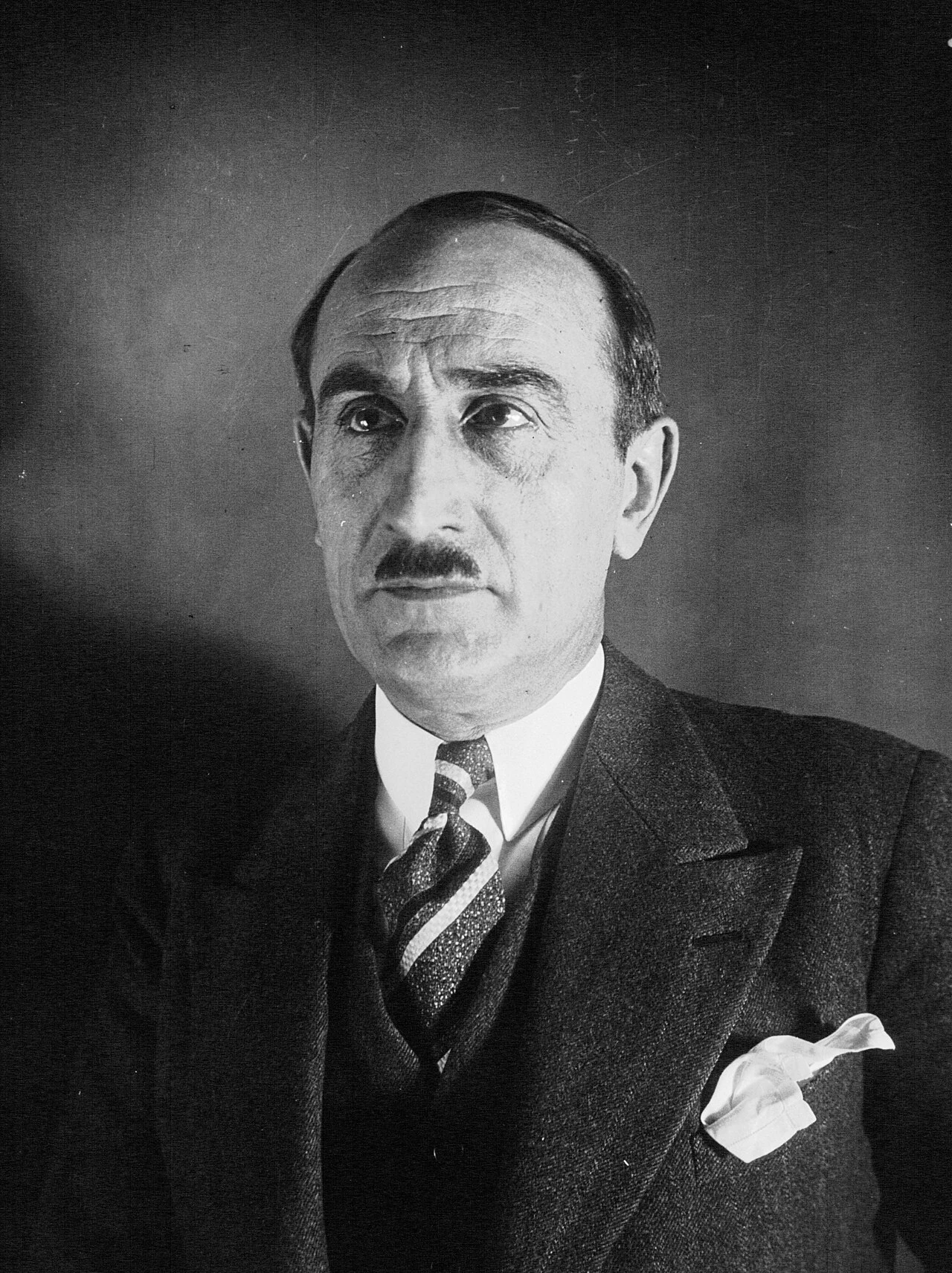
The general management, led by , must settle on an official course of action for the entire company, while the country is cut in two and the staff is under the threat of German sanctions.
How should the management of the SNCF respond to the German transport demands imposed by the armistice?
The management of the SNCF chose to apply Article 13 "loyally": French railway workers continued to operate the network under German control and provided the transport demanded by the occupier, including military transport. This policy of state railway collaboration would continue until 1944, including the transport of troops, of STO conscripts and then of deportees. Acts of resistance and sabotage — such as the diversion of wagons to the free zone by the railway workers Berger and Jardinier at Poitiers as early as 23 June 1940 — were the work of individuals and networks, never a policy of the management. Le Besnerais was removed from the SNCF through early retirement at the Liberation.
Learn more about this event
Related polls
10
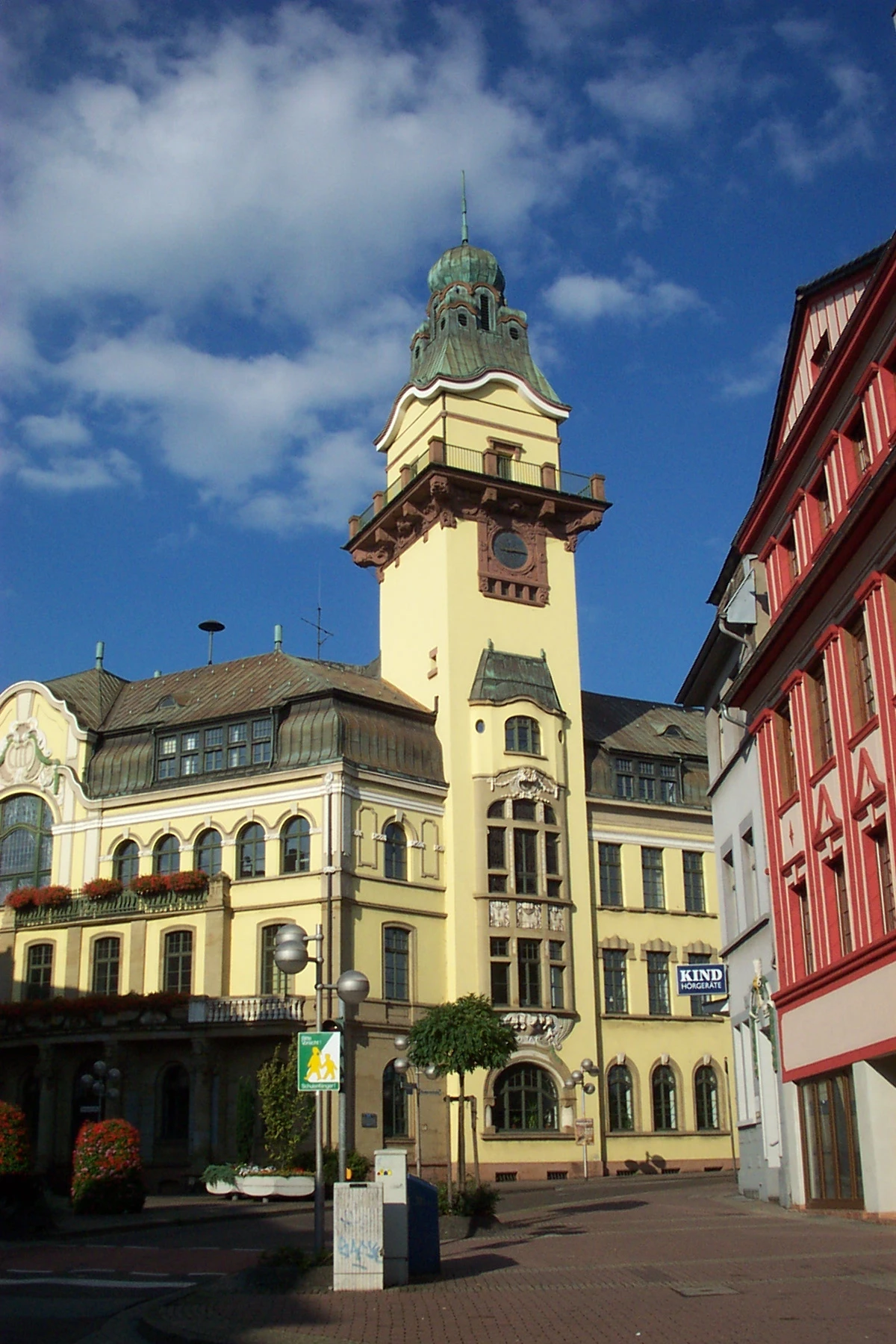
Hermann Röchling and the Lorraine Ironworks
Louis Renault Returns from the United States: Billancourt Under German Control
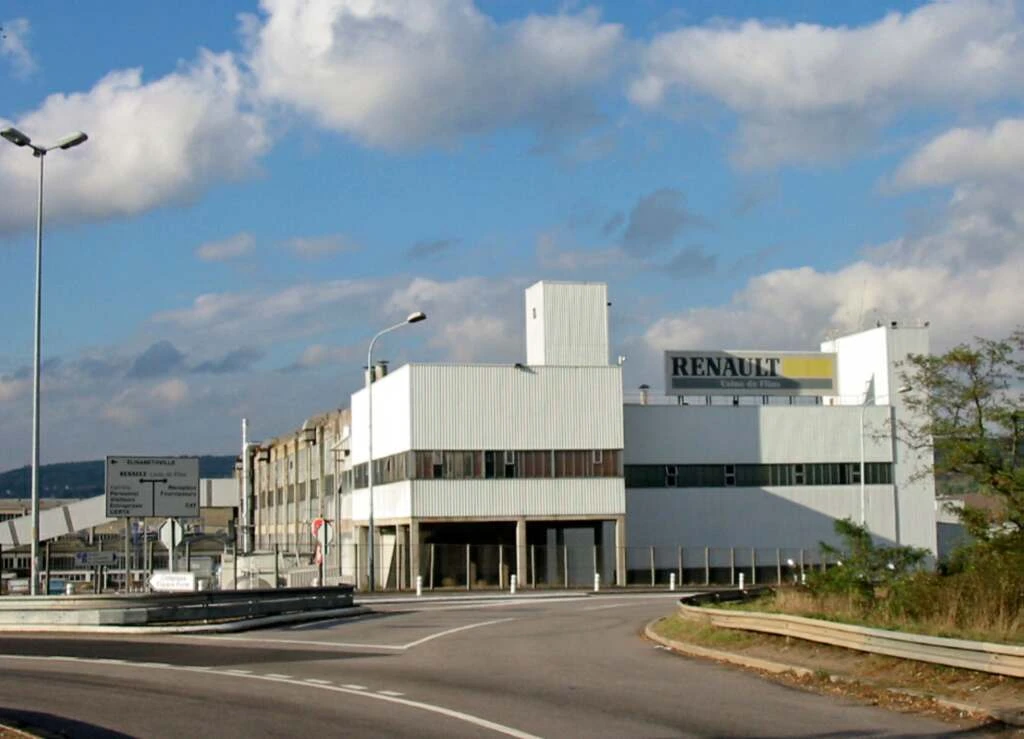
Billancourt under threat: the old boss and his machines
Boulanger and the Reich's trucks
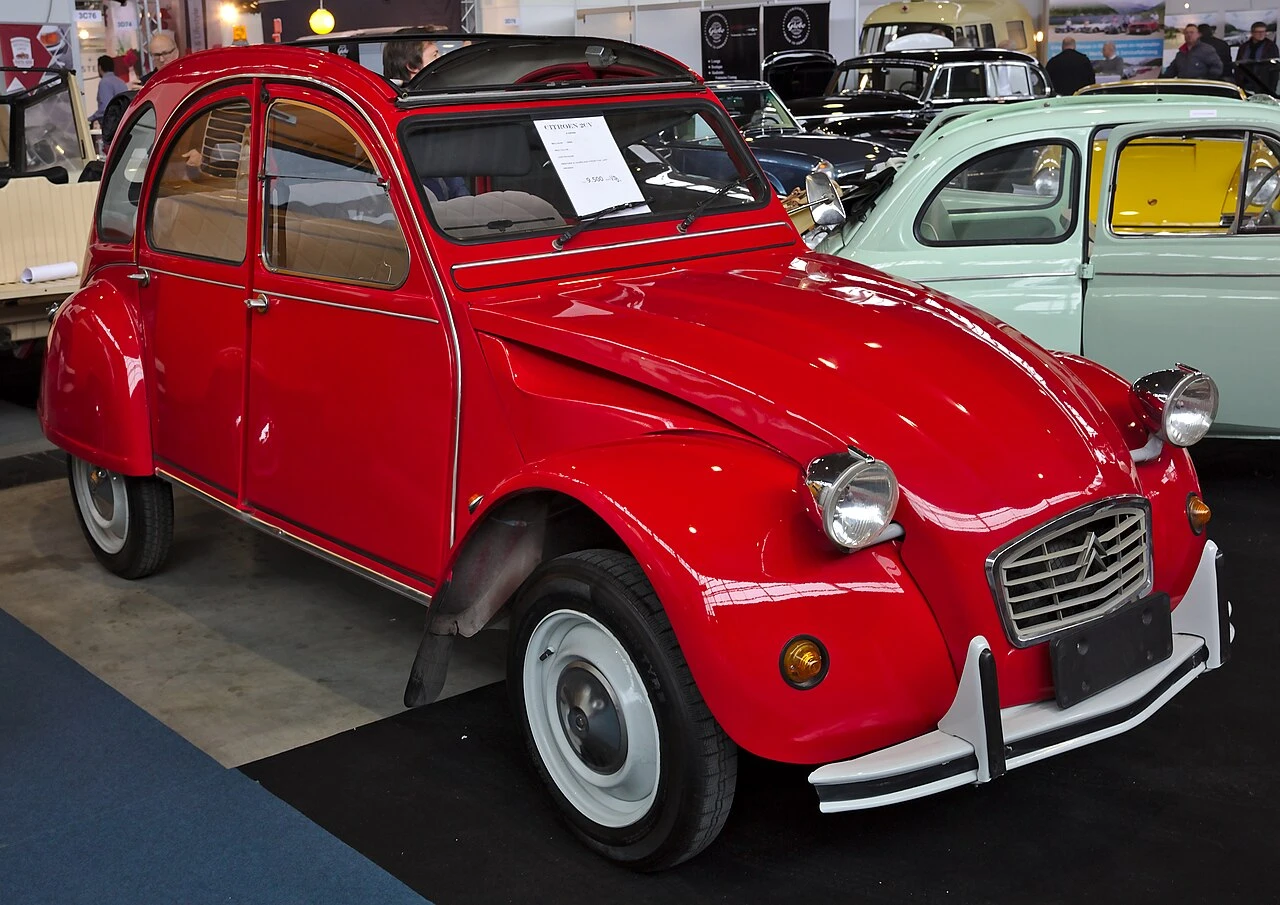
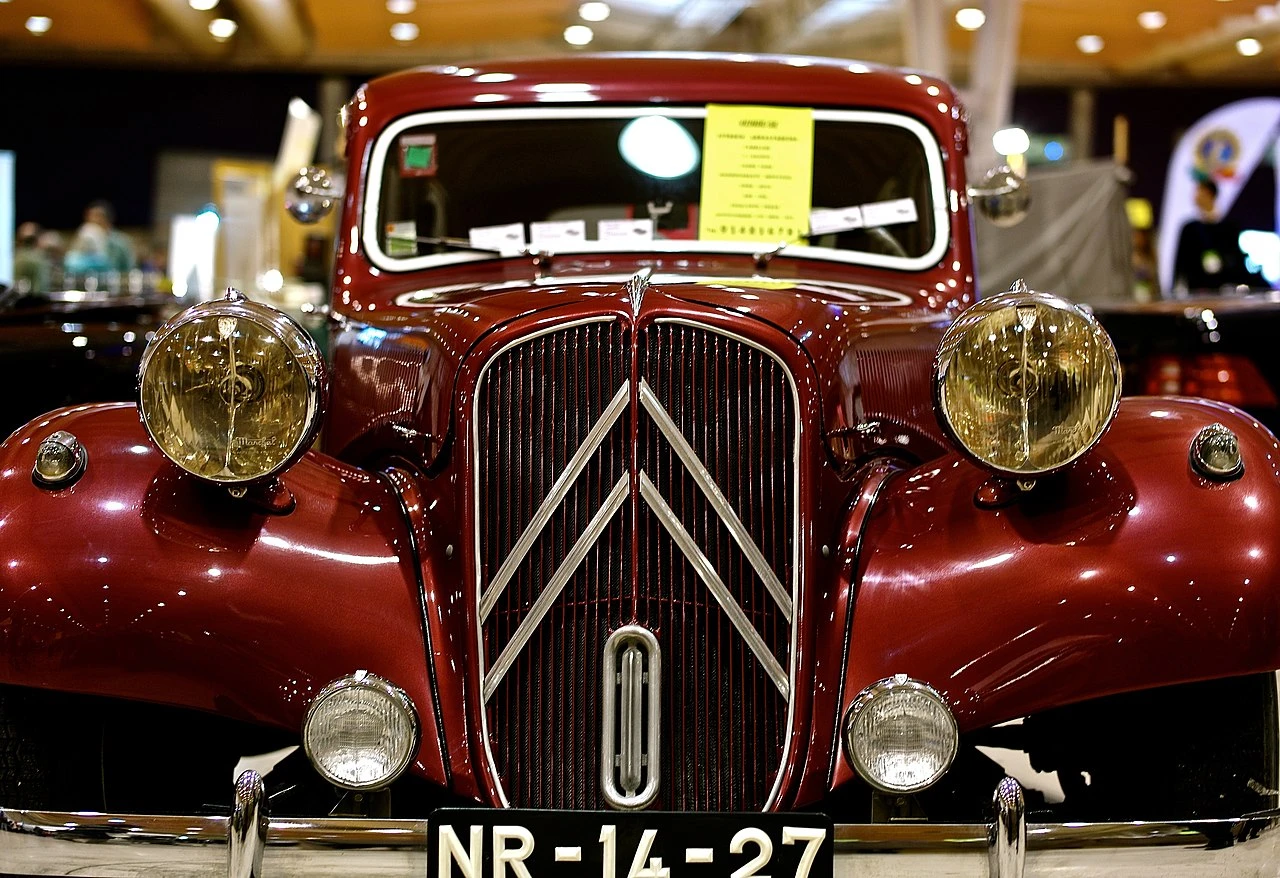
Citroën, the occupier and the secret little car

Citroën under the Occupation: the boss faces German orders
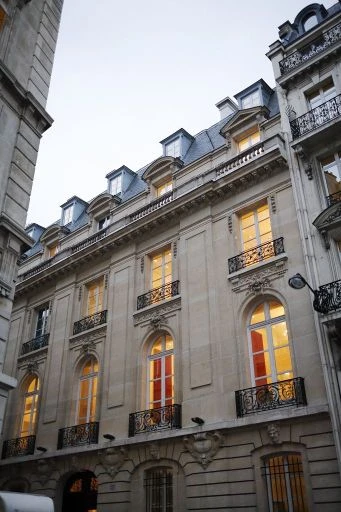
Le Creusot Faces the Wehrmacht — the Forges in the Hour of the Exodus
The head of Gnome et Rhône facing the vise of June 1940
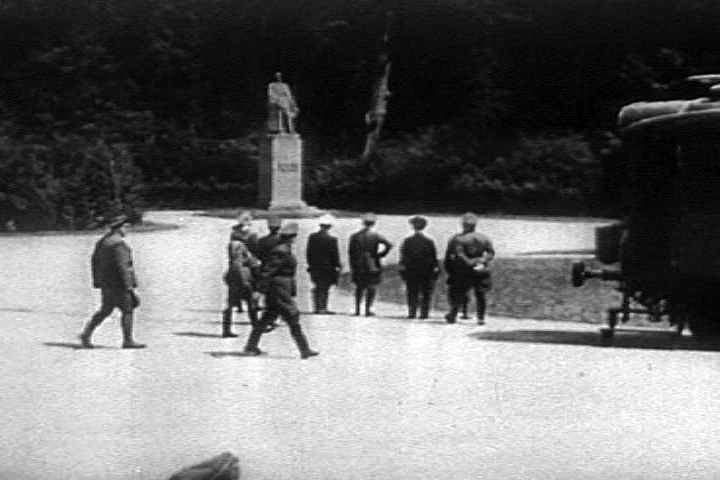
The weapons of the armistice — a secret beneath the table at Wiesbaden
Marquet — Bordeaux overwhelmed, 12 June
Hermann Röchling and the Lorraine Ironworks
Louis Renault Returns from the United States: Billancourt Under German Control
Billancourt under threat: the old boss and his machines
Boulanger and the Reich's trucks
Citroën, the occupier and the secret little car
Citroën under the Occupation: the boss faces German orders
Le Creusot Faces the Wehrmacht — the Forges in the Hour of the Exodus
The head of Gnome et Rhône facing the vise of June 1940
The weapons of the armistice — a secret beneath the table at Wiesbaden