
Wieluń, 1 September 1939 — the dawn before Westerplatte
On the eve of 1 September 1939, the Stukas of wait on the airfield of Nieder-Ellguth, a few minutes' flight from the Polish border. Wieluń, a small town on the other side, has neither a garrison nor any anti-aircraft defense: its only installations are a hospital, some mills, a brewery, and a modest sugar refinery on the outskirts.
The early-morning reconnaissance flights report Polish units about a dozen kilometers to the southwest — not in the town. The air commander must set the objective for the first waves, knowing that Luftwaffe doctrine also seeks to test dive-bombing against a real target.
Strike the town with no confirmed military objective, target the troops spotted outside the built-up area, or postpone the attack: the decision is made in the very first minutes of the war.
At the dawn of the invasion, faced with this small border town, what order does the German air commander give his Stukas?
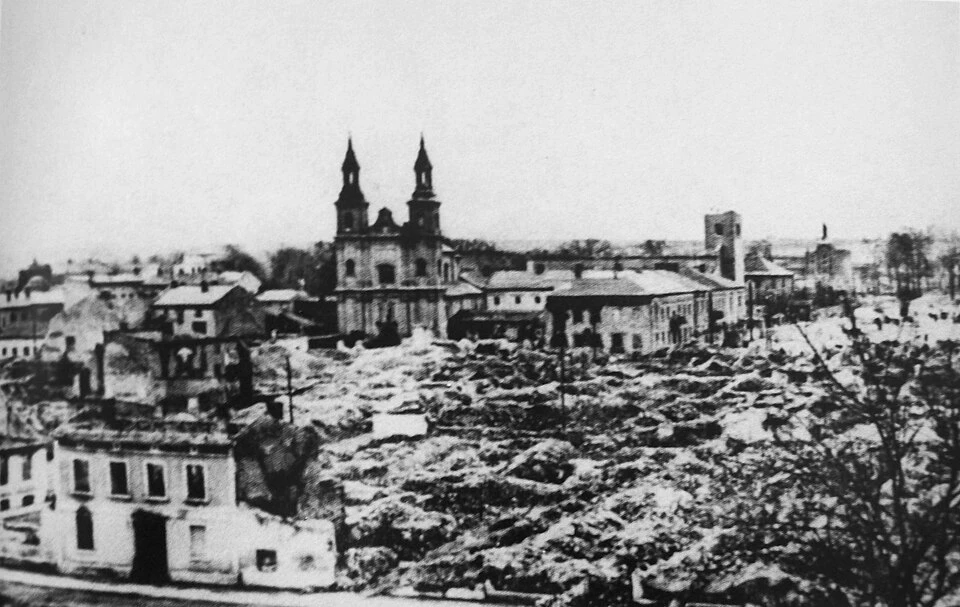
Richthofen launched the attack on the town itself. From around 4:40 a.m. — even before the first shots were fired on the Westerplatte — 's Stukas dropped their bombs on Wieluń, which was devoid of any defense. In nine hours, some 380 bombs (about 46,000 kg) destroyed 70% of the town (up to 90% in the center), struck the hospital marked with the Red Cross, and killed more than 1,200 civilians. Sigel reported having made "no notable observation of the enemy." Historians (, ) see in the choice of this undefended border target a trial of dive-bombing; the attack, carried out without a declaration of war, is regarded as one of the first war crimes of the conflict. Two attempts at prosecution in West Germany (1978, 1983) were dismissed.
Learn more about this event
Related polls
10
A Danzig Customs Officer on the Day of Annexation
Wieluń at 04:40 — the first air strike
AB Aktion — planning at the Wawel
Forster — Kashubians and Kociewiacy
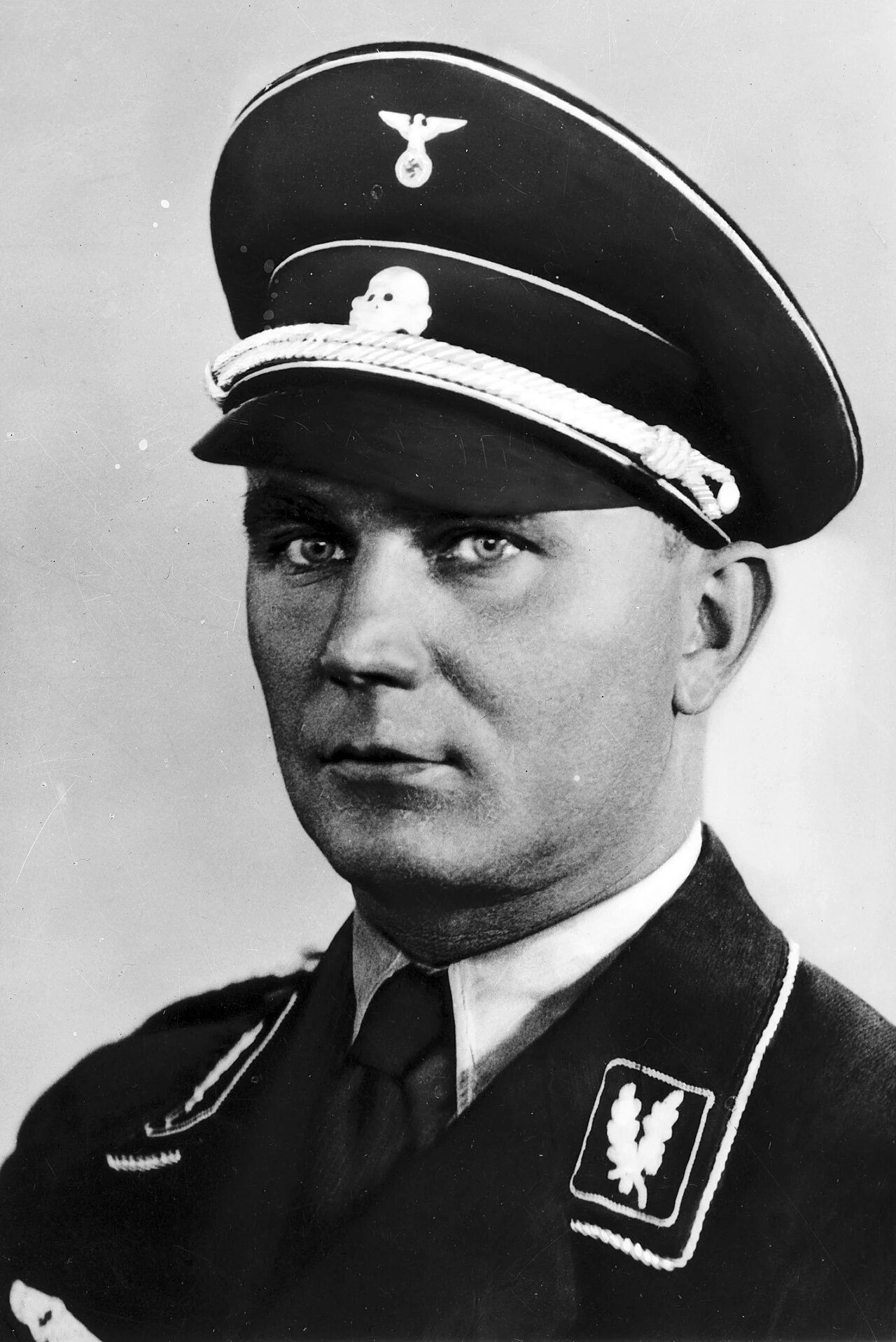
Greiser — the Priority of the Wartheland
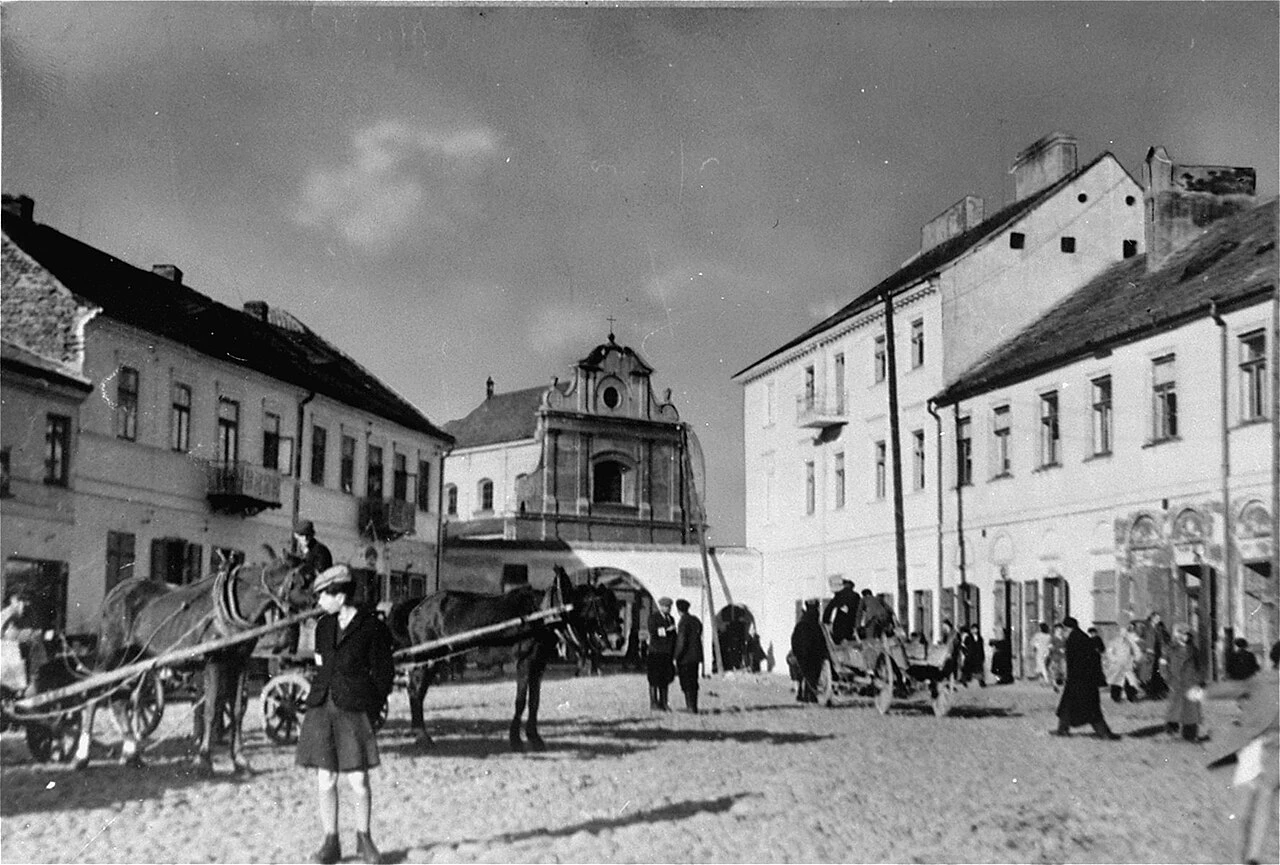
Piotrkow — Tenenberg Facing the Judenrat
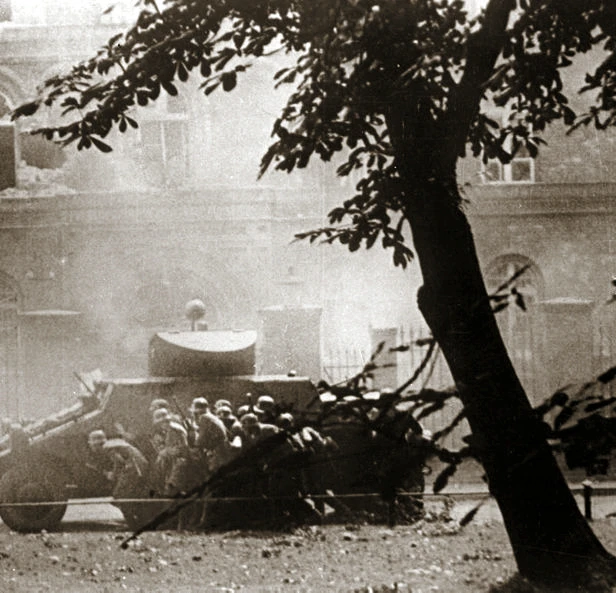
The Polish Post Office in Danzig — Guderski under SS fire
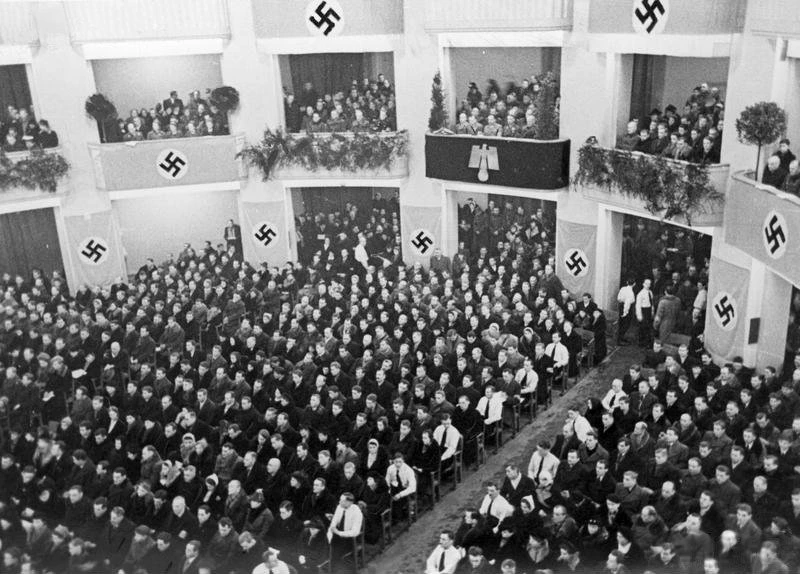
Selbstschutz — Alvensleben in Pomerania
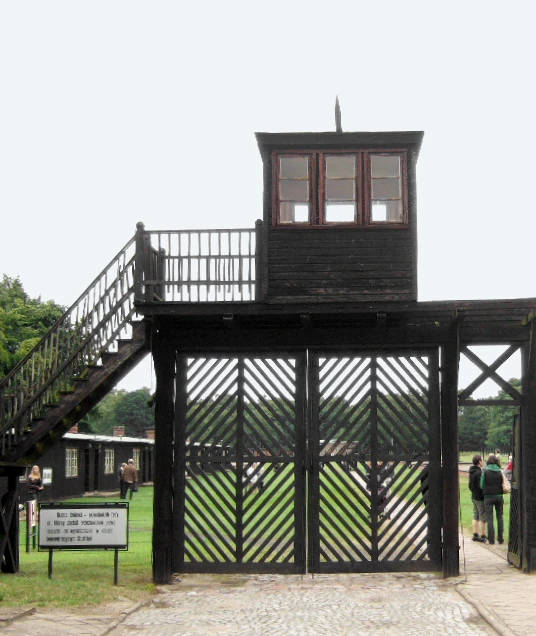
Stutthof — Pauly and the first contingent
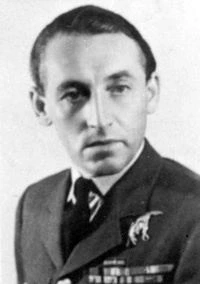
Władysław Gnyś — the Dorniers over Olkusz
A Danzig Customs Officer on the Day of Annexation
Wieluń at 04:40 — the first air strike
AB Aktion — planning at the Wawel
Forster — Kashubians and Kociewiacy
Greiser — the Priority of the Wartheland
Piotrkow — Tenenberg Facing the Judenrat
The Polish Post Office in Danzig — Guderski under SS fire
Selbstschutz — Alvensleben in Pomerania
Stutthof — Pauly and the first contingent