
With Norway conquered, Hitler appointed a Reichskommissar there in April 1940, , a senior Nazi official charged with administering it for the Reich. King and the legitimate government are in exile in London. Still to be settled is the question of local power: should reliance be placed on , leader of the collaborationist party Nasjonal Samling, who attempted a radio coup at the very moment of the invasion?
Quisling is awkward. His name is already synonymous with treason, his party is small and unpopular, and his April radio coup collapsed in a few days, the Germans themselves having promptly shelved him. Berlin is wondering: would a despised puppet really serve a quiet occupation? The question sets administrative efficiency against the ideology that pushes for rewarding a local Nazi ally within the "new order."
On September 25, 1940, Terboven delivers a speech setting the organization of power in occupied Norway. He must decide the fate of Quisling and Nasjonal Samling: install Quisling in government, sideline him in favor of a council of commissioners taking orders from the occupier, or maintain the fiction of a neutral Norwegian administration.
Should Terboven hand power to Quisling or push him aside?
Terboven chooses B: on September 25, 1940, he abolishes the monarchy and the parties, declares the exiled king deposed, and installs a council of commissioners under his authority, making Nasjonal Samling the sole party but without giving Quisling the government. Quisling, backed directly by Hitler, will regain ground and be finally appointed "Minister-President" in February 1942 — a symbolic post under German tutelage. His name has since passed into common usage as a synonym for traitor-collaborator. Quisling will be tried and executed in 1945. Occupied Norway will see a stubborn civil resistance, notably from teachers and the churches, against the Nazification Terboven sought; Terboven himself will commit suicide at the German capitulation.
Learn more about this event
Related polls
10
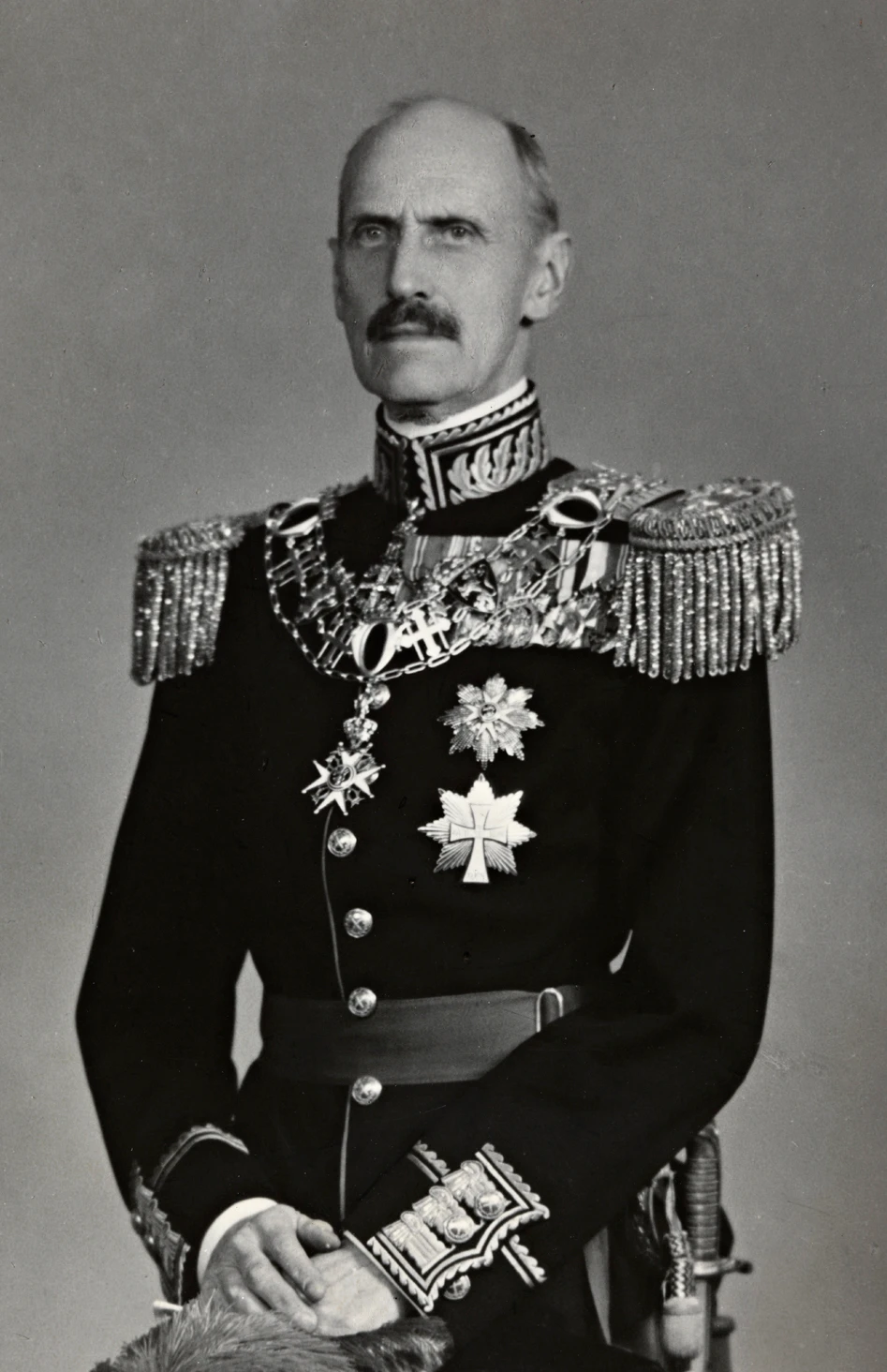
Haakon VII at Nybergsund — 10 April
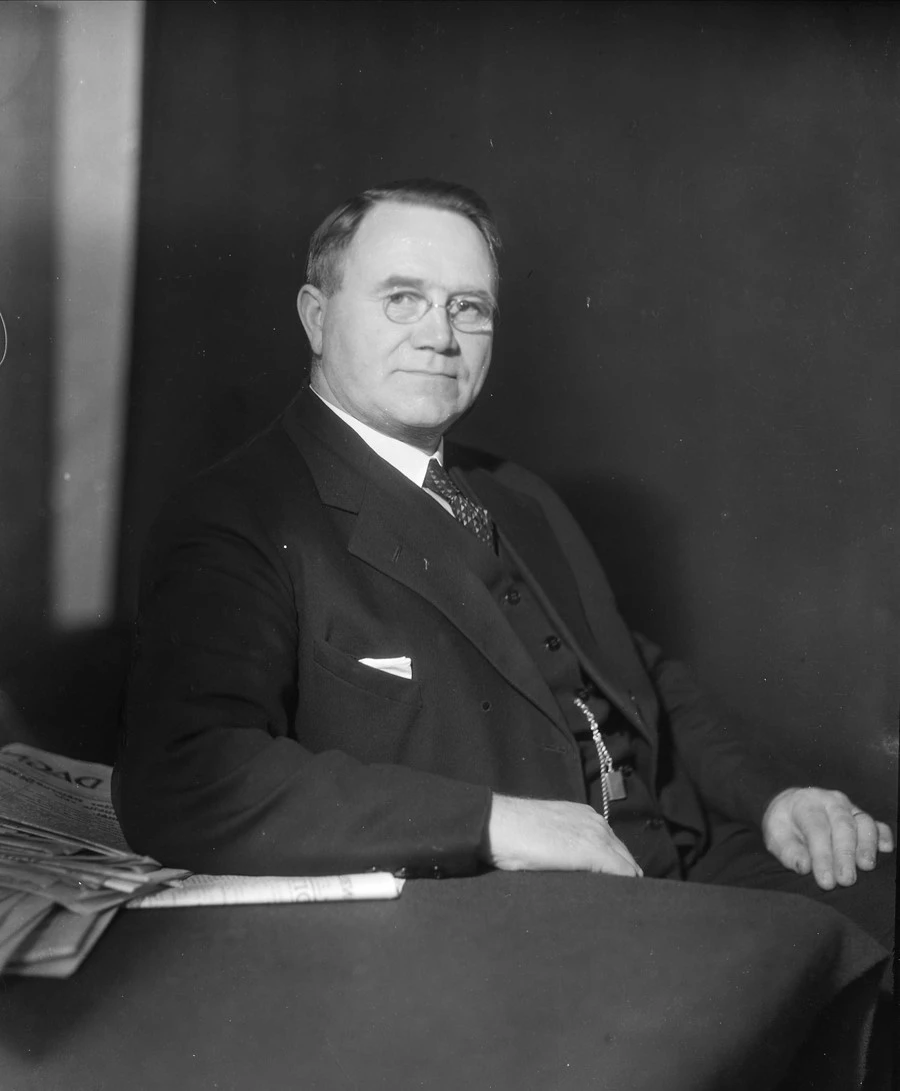
Nygaardsvold at Tromsø — 7 June
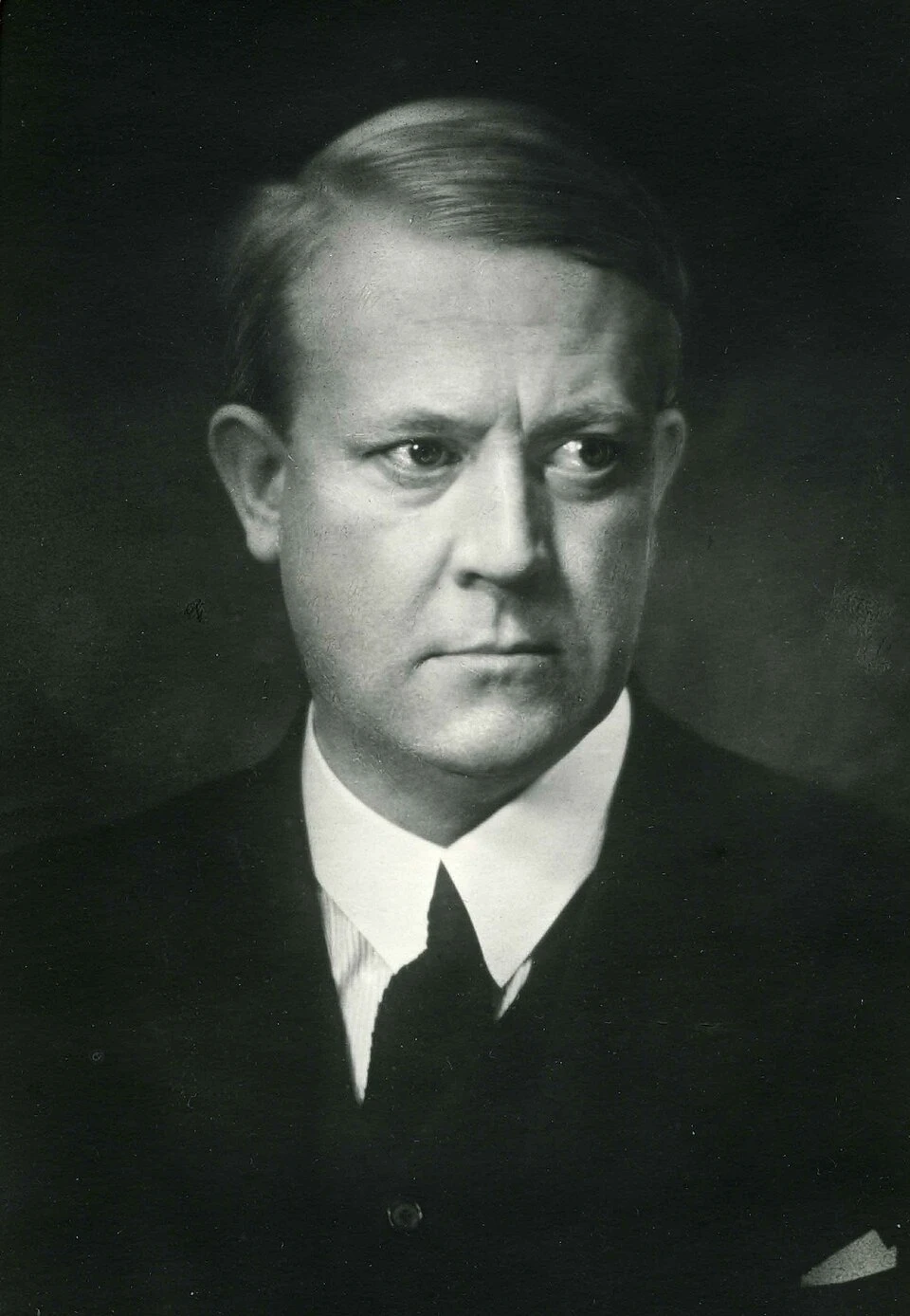
Quisling at Radio Oslo — 19:32
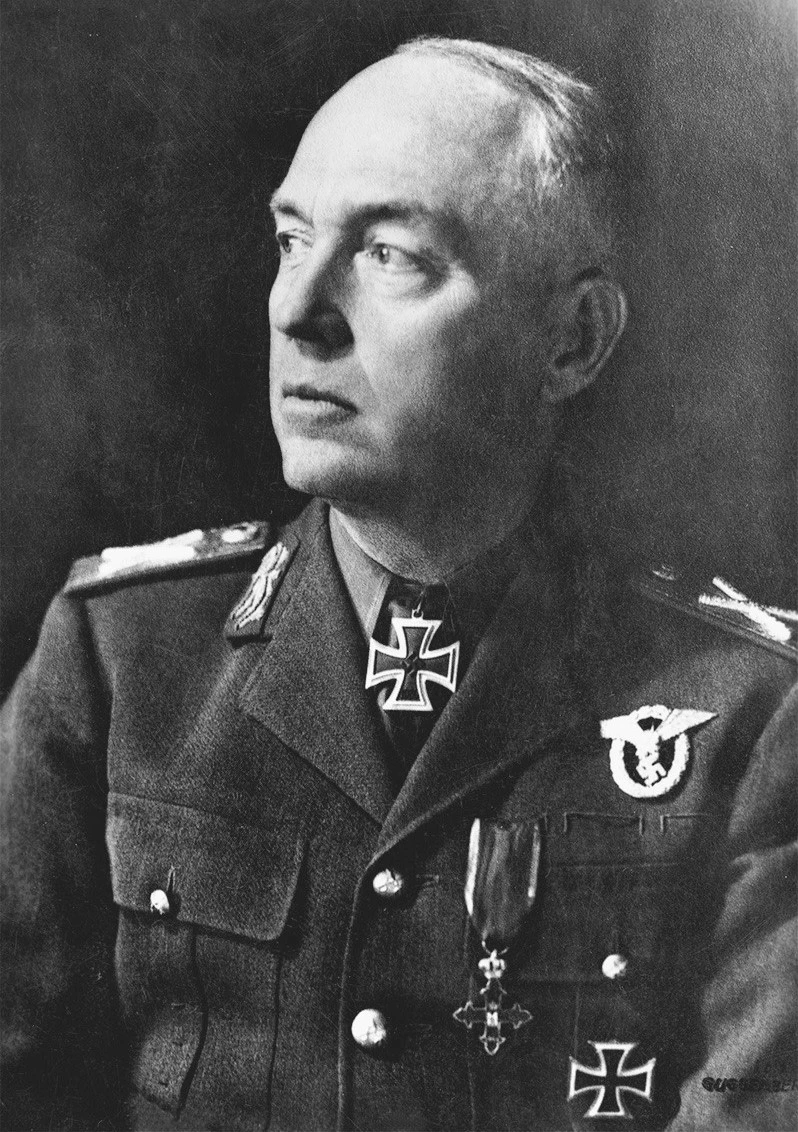
Antonescu and the Iron Guard — Bucharest
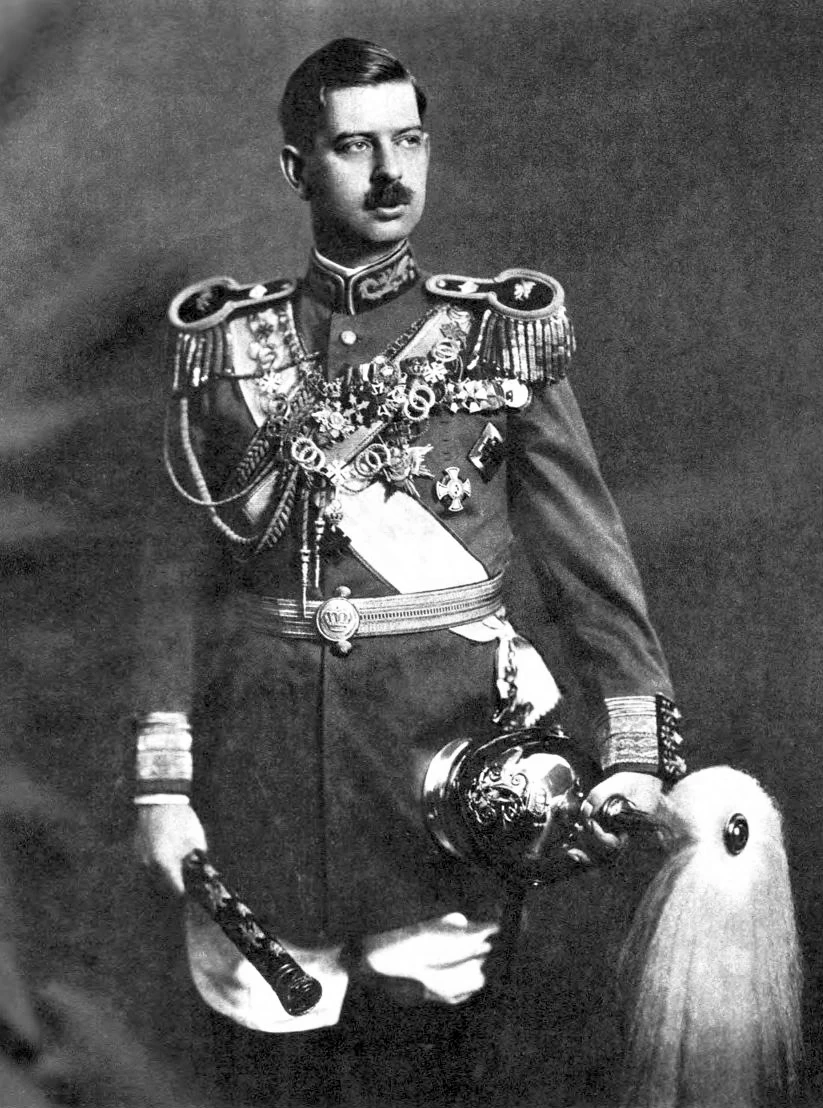
Carol II Against Antonescu — Bucharest, 6 September 1940
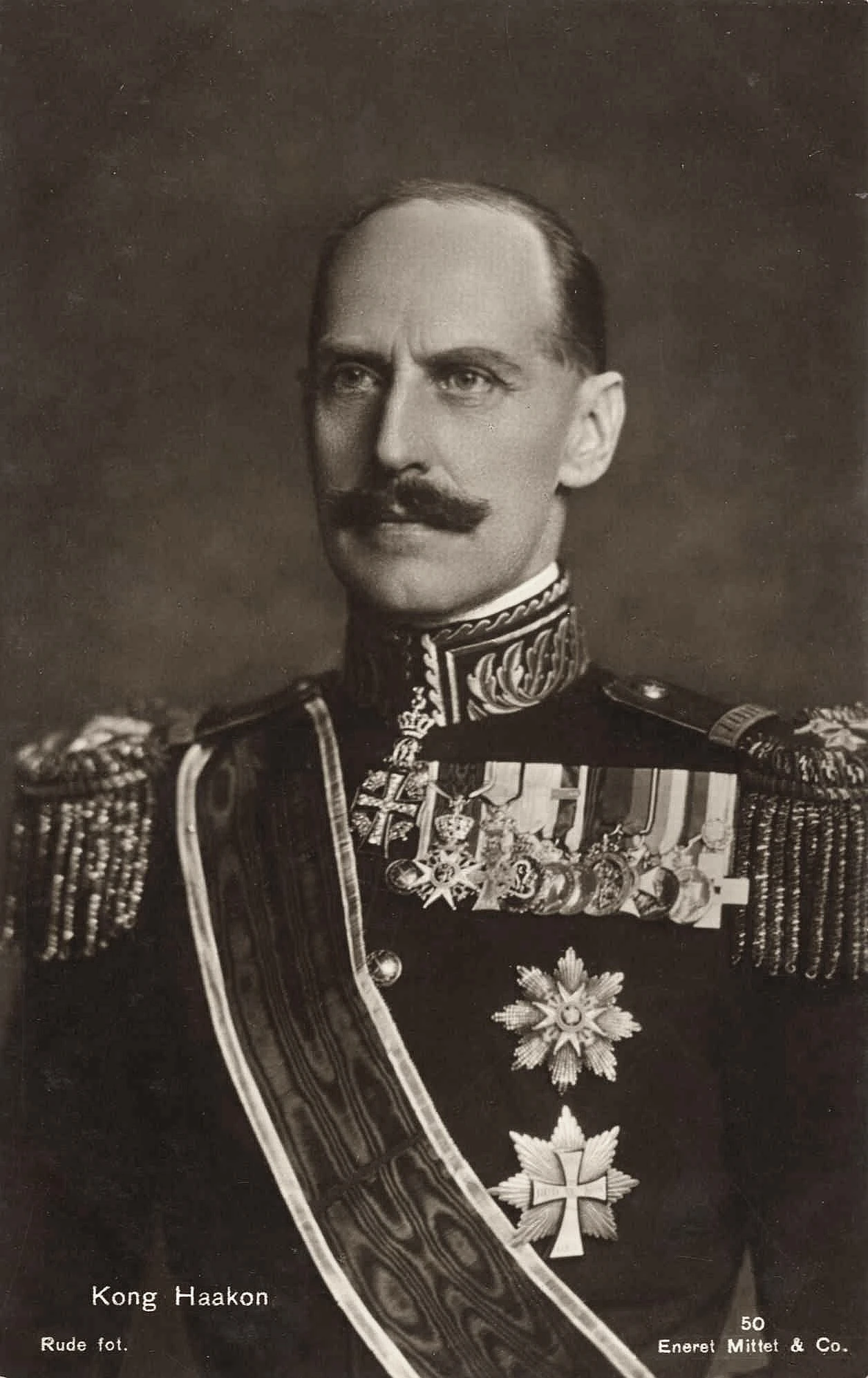
Haakon VII — Facing the Cross-Pressures

Metaxas and the ultimatum — Athens 3 a.m.
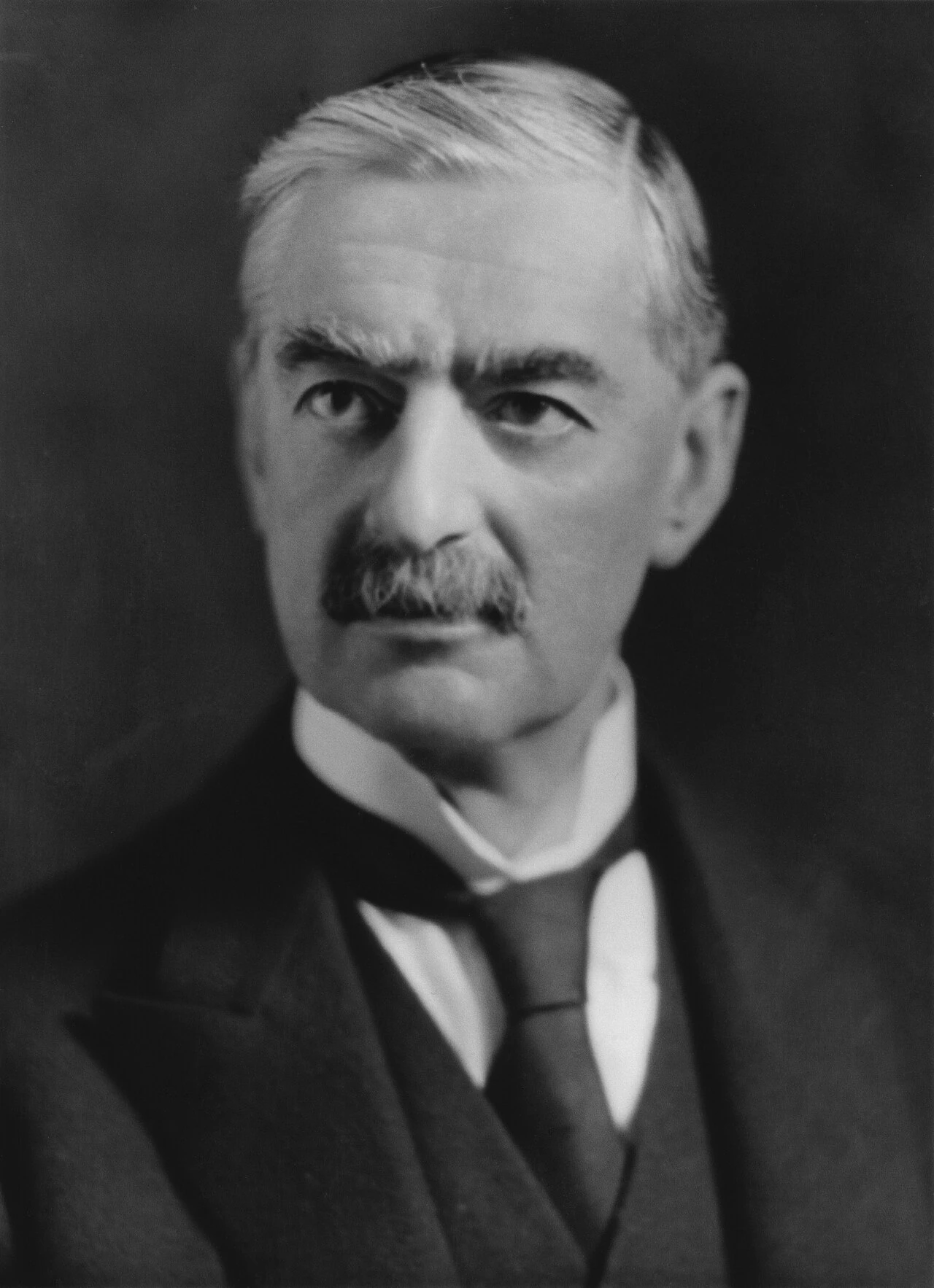
Chamberlain at Central Hall — 4 April
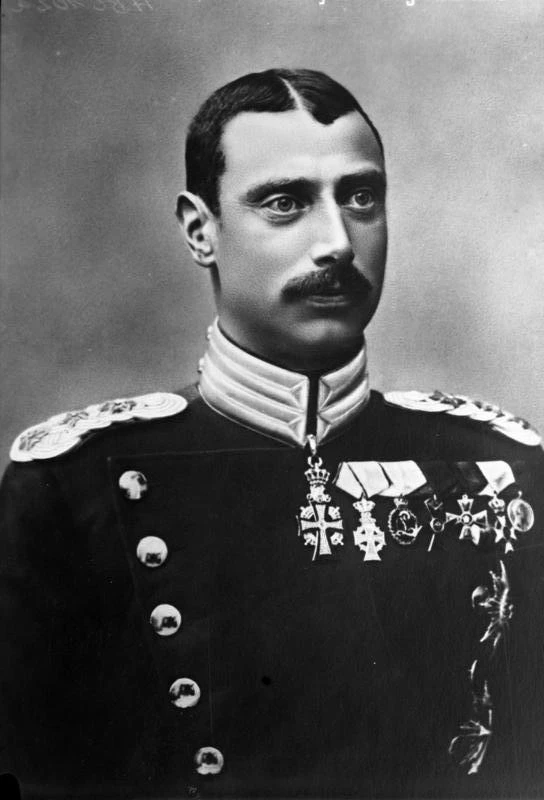
Christian X faces the ultimatum — 9 April
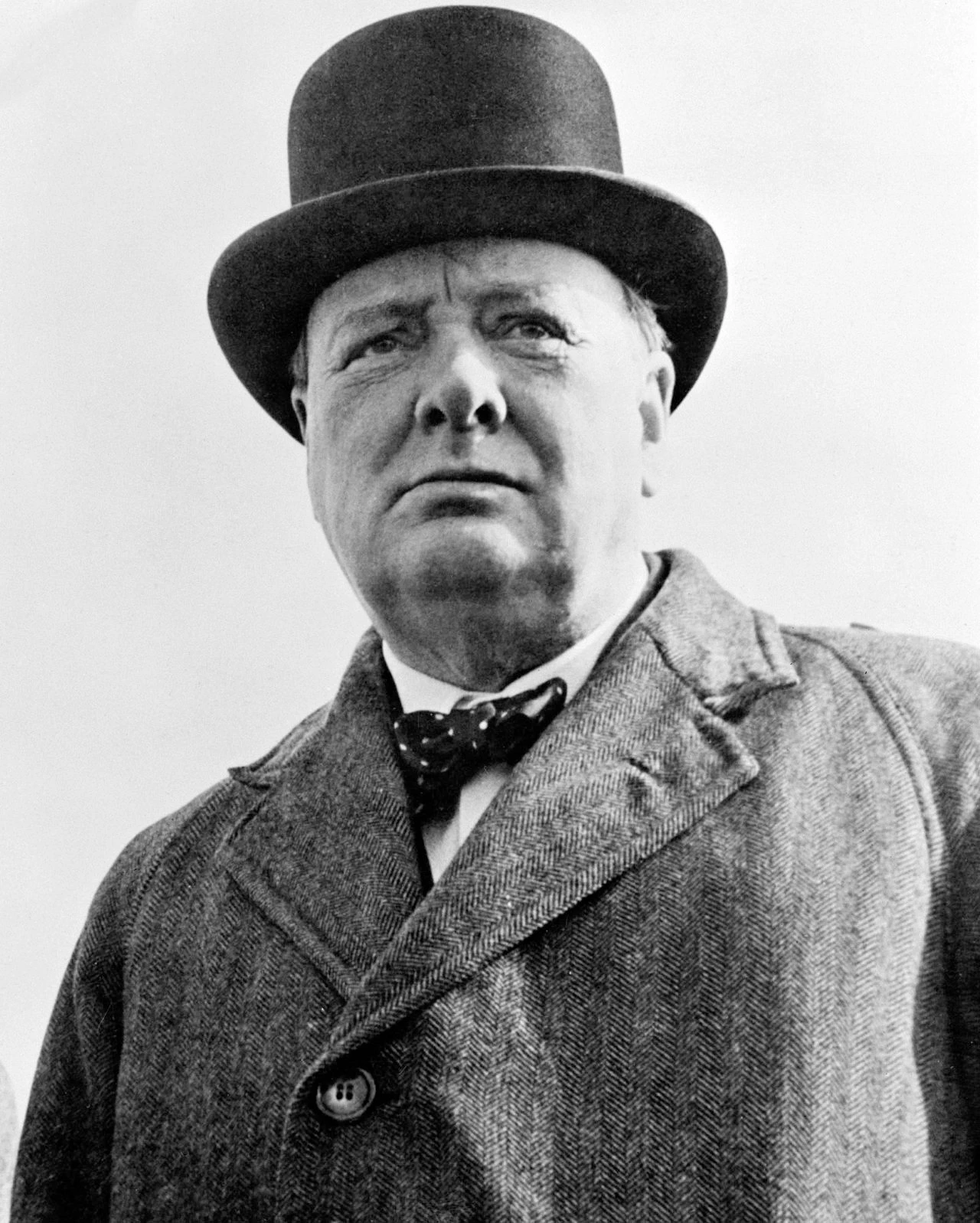
Churchill in power
Haakon VII at Nybergsund — 10 April
Nygaardsvold at Tromsø — 7 June
Quisling at Radio Oslo — 19:32
Antonescu and the Iron Guard — Bucharest
Carol II Against Antonescu — Bucharest, 6 September 1940
Haakon VII — Facing the Cross-Pressures
Metaxas and the ultimatum — Athens 3 a.m.
Chamberlain at Central Hall — 4 April
Christian X faces the ultimatum — 9 April