
Vuillemin — the Armée de l'Air on standby
, 56, had commanded the French Armée de l'Air since 1938. A veteran of the First World War (8 aerial victories) and a specialist in strategic bombing doctrine. In 1938, after the Anschluss, he made a trip to Germany and after visiting the Nazi aircraft factories declared publicly: "Our air force will be destroyed within 15 days if we go to war. Everything must be done to avoid conflict."
On 1 September 1939, the French Armée de l'Air officially had 4,360 aircraft — but only 2,200 operational, half of which were obsolete (Breguet Bre.693, Loire-Nieuport 411, Morane-Saulnier MS.230). Modern types: 150 Morane MS.406, 80 Curtiss H-75 (bought from the United States), 20 Dewoitine D.520 (deliveries in progress). Bomber force: 200 Lioré-et-Olivier LeO 451 (reasonably modern but few in number). The modern aircraft (D.520 and LeO 451) were not due in numbers until the spring, around May-June 1940.
The months of the Phoney War offered a respite Vuillemin had to put to use. Should he hold the bulk of his forces in reserve to absorb the new matériel and train pilots, mount limited blows to wear down the Luftwaffe at the risk of premature losses, or press politically for British squadrons on French soil to speed up modernisation? Chamberlain's restrictions and the agreement with Daladier, in any case, forbade any strategic bombing of Germany.
Vuillemin had to decide how to spend the Phoney War.
What should Vuillemin do during the Phoney War?
Vuillemin applied A: preparation for the spring, training, awaiting deliveries. His official doctrine remained defensive on the Maginot front, pending modern aircraft. During the winter, the French Armée de l'Air remained in defensive posture, flew only surveillance patrols, and stockpiled new aircraft in reserve. On 10 May 1940 (the launch of Fall Gelb), it officially had 3,097 operational aircraft — but the D.520 had been delivered to only 200 units (against 1,800 planned for April). The RAF had stationed 416 aircraft in France (but withdrew them en masse after the fall of Sedan on 13 May 1940). During Fall Gelb (10 May - 22 June 1940), the French Armée de l'Air was overwhelmed by the Luftwaffe — 2,200 French aircraft lost, 1,600 pilots killed or wounded. Vuillemin was dismissed by Pétain on 17 June 1940. He remained at Vichy as commander of the armistice Armée de l'Air. He resigned in September 1942 when the armistice Armée de l'Air was dissolved. Rehabilitated after the war, he died in 1963.
Learn more about this event
Related polls
10
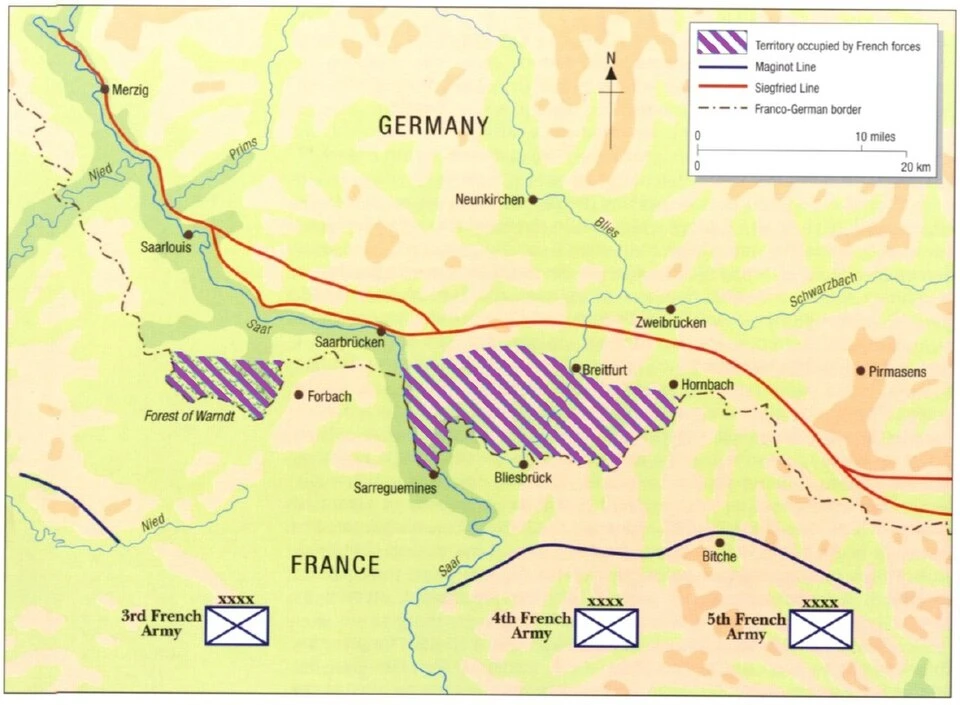
The Saar Offensive — Gamelin at Vincennes
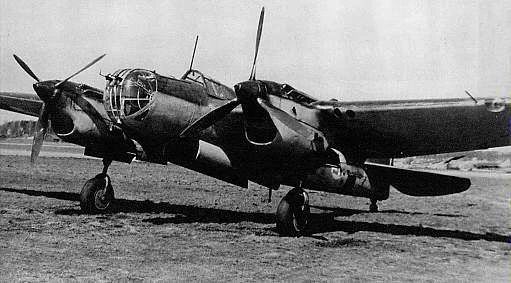
Smushkevich — report to Stalin
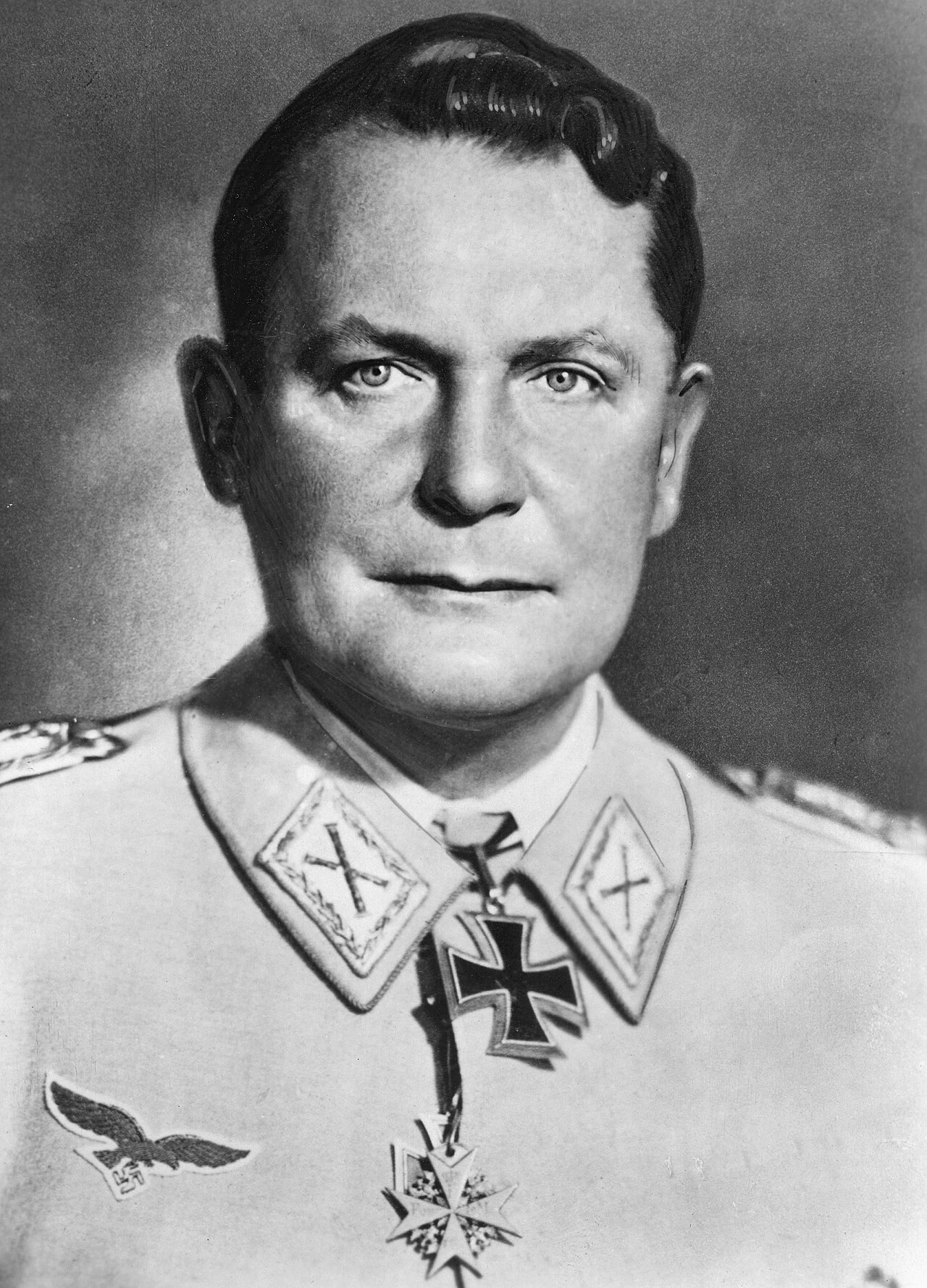
Goering at Carinhall — the promise to Hitler
Sosabowski — Coëtquidan, November 1939
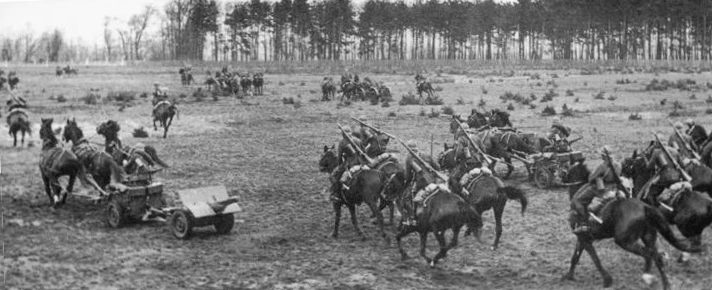
The Bzura — Kutrzeba faces the trap
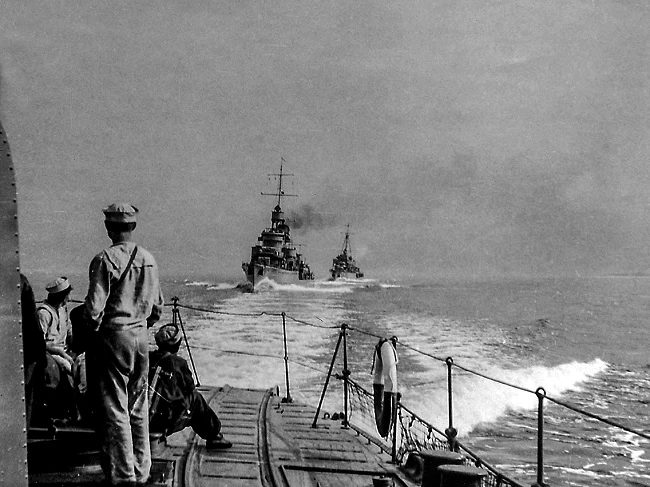
Operation Peking — Stankiewicz Facing the Sound
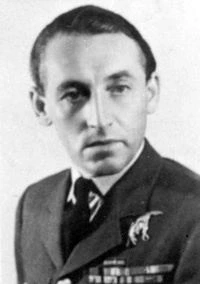
Władysław Gnyś — the Dorniers over Olkusz
Baku in the crosshairs — Operation Pike
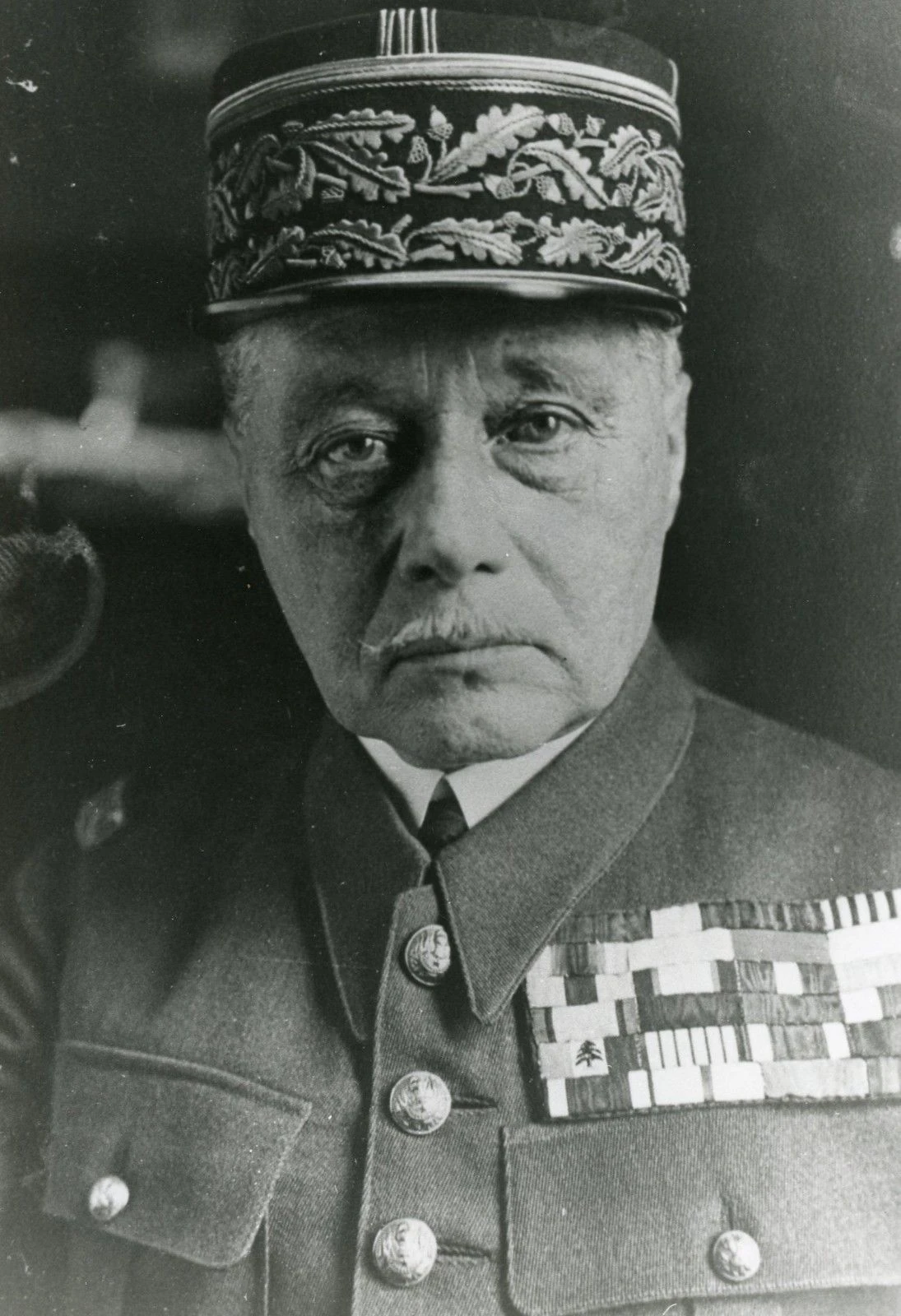
Commanding a battle without radio
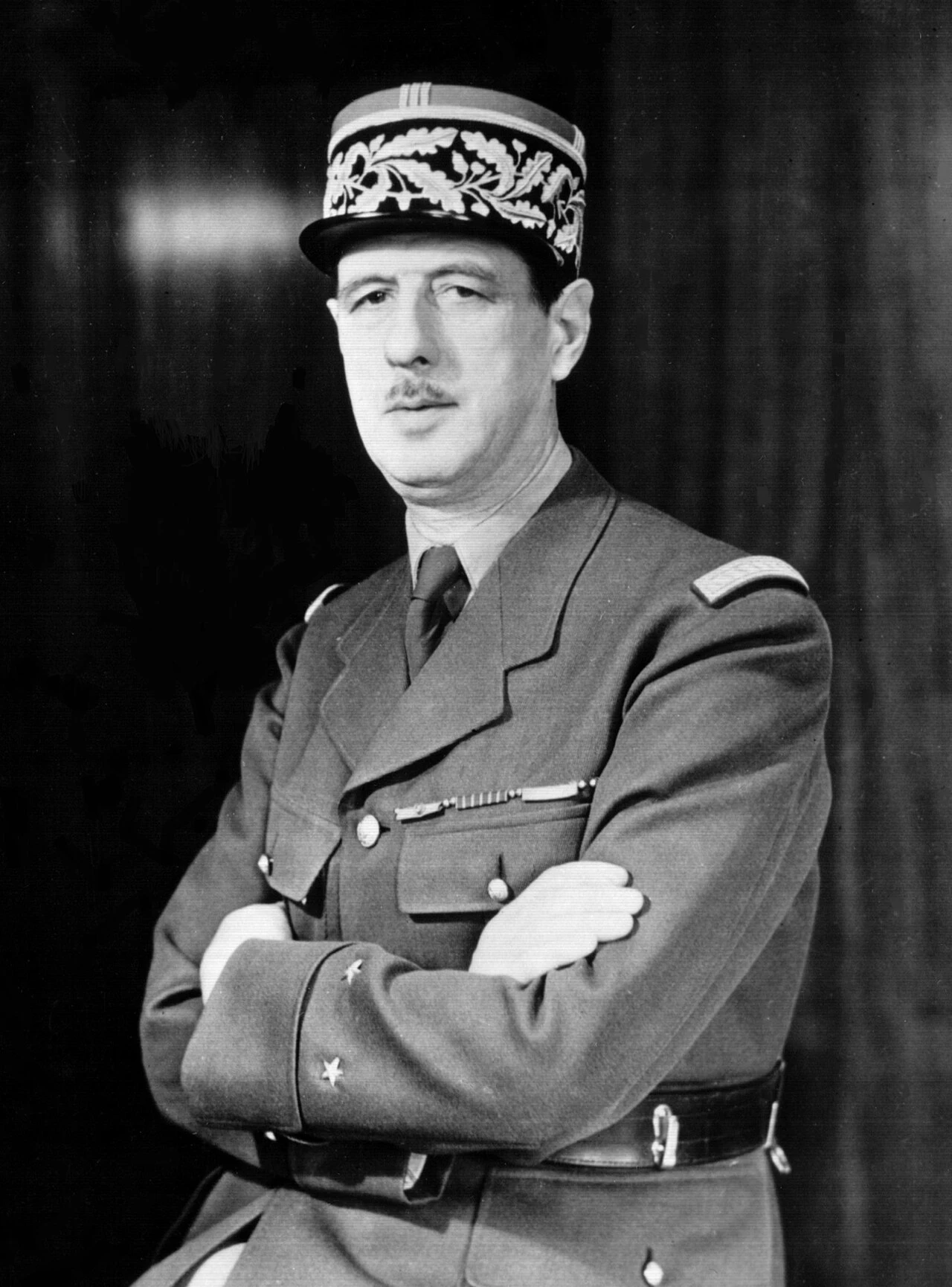
De Gaulle joins the government — 5 June
The Saar Offensive — Gamelin at Vincennes
Smushkevich — report to Stalin
Goering at Carinhall — the promise to Hitler
Sosabowski — Coëtquidan, November 1939
The Bzura — Kutrzeba faces the trap
Operation Peking — Stankiewicz Facing the Sound
Władysław Gnyś — the Dorniers over Olkusz
Baku in the crosshairs — Operation Pike
Commanding a battle without radio