
A Schoolteacher of Poznań under the Wartheland
In the autumn of 1939, Poznań is incorporated into the Reichsgau Wartheland, set up as a laboratory of Germanization. In the annexed territories, the occupier does not "reform" the Polish school system: it abolishes it. Polish-language institutions are closed, Polish teachers dismissed, many of them arrested, expelled to the General Government, or interned. Polish children are admitted only to rudimentary German schools; under Himmler's doctrine, their education is to stop after a few primary grades. The Polish Catholic Church, a traditional pillar, is likewise persecuted in the Wartheland.
A schoolteacher of the city, in his post for years, finds himself without a classroom and under surveillance. As early as late October 1939, in Warsaw, teachers begin to organize clandestine instruction.
Three paths lie open to him: to submit and seek a subordinate position within the German apparatus, to give up teaching in order to survive without risk, or to join the clandestine schooling despite the deadly danger.
With his schools shut down, what does the Polish schoolteacher do?
The documented response of Polish teachers was clandestine education. As early as late October 1939, the Tajna Organizacja Nauczycielska (TON, Secret Teaching Organization) was born in Warsaw, structuring a network of underground schools: by 1942, nearly 1.5 million children were receiving clandestine primary instruction, and tens of thousands secondary education. In the Wartheland, where repression was harshest and teaching in Polish eventually became punishable by death, this work was done at the risk of one's life; many teachers were arrested, deported to camps, or killed. It was not the deed of a single man but a collective movement of forbidden education.
Learn more about this event
Related polls
10
Czerniaków — the offer of the Judenrat
The Belgrade schoolteacher under the occupation
The Jewish Schoolteacher of Kazimierz
The Volksdeutsche Conscripted into the Selbstschutz
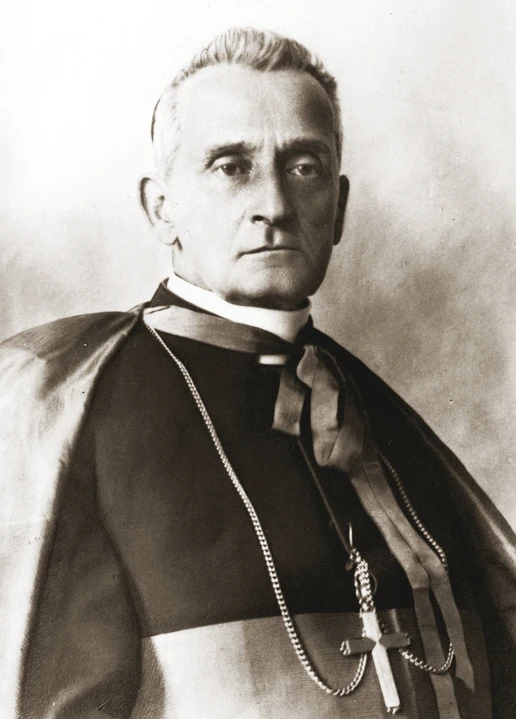
Cardinal Sapieha — Krakow under Occupation
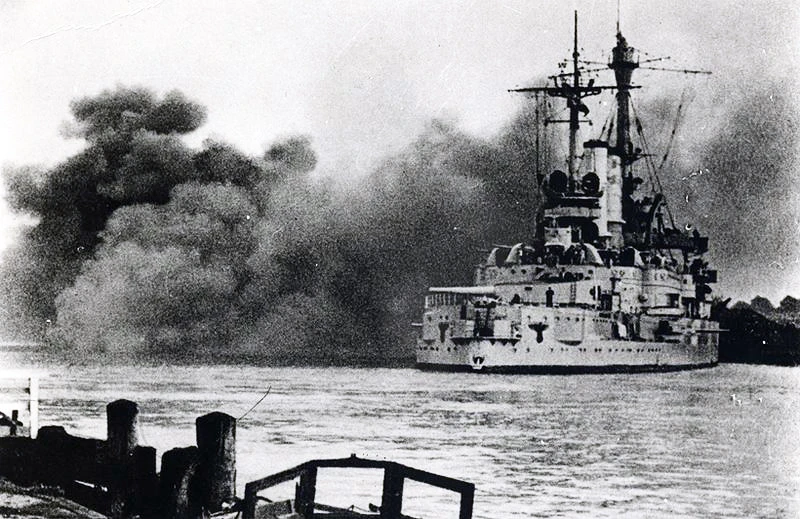
Danzig, September 1939 — the policeman of the Free City
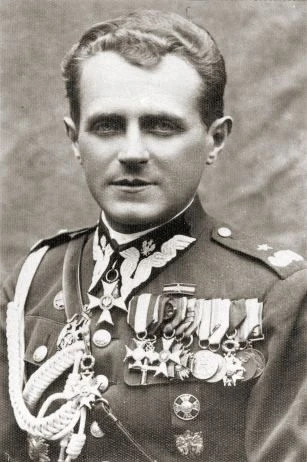
Karaszewicz-Tokarzewski — Founding the SZP
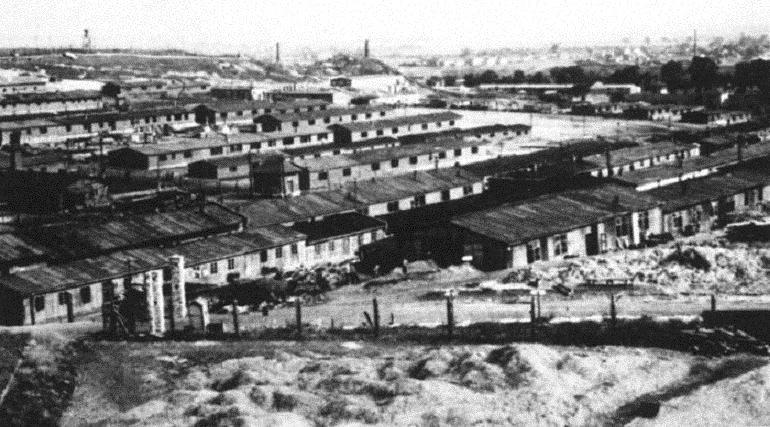
The Upper Silesian Pole Subjected to Forced Labour
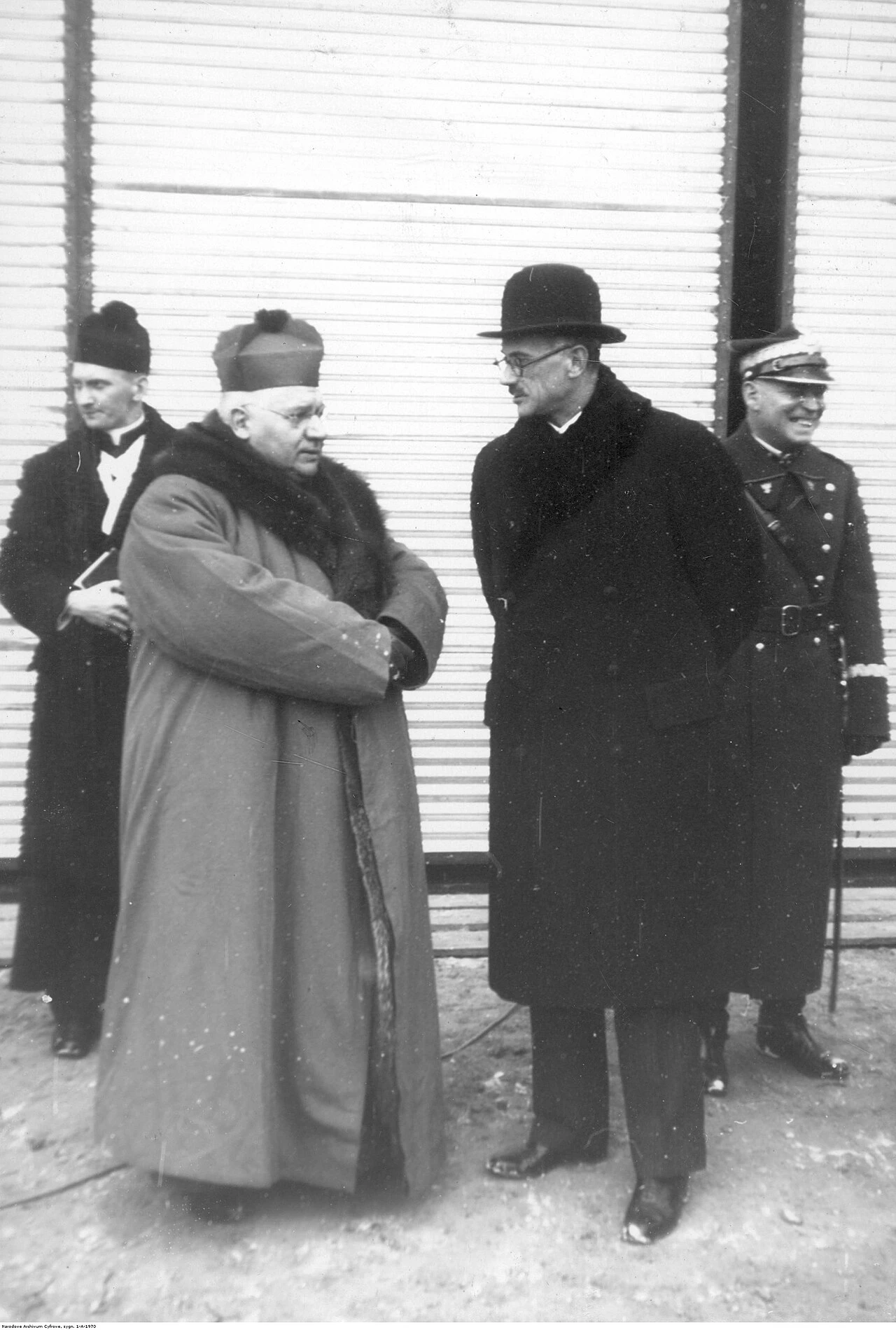
Bishop Adamski in annexed Katowice
Mieczysław Niedziałkowski — after the arrest
Czerniaków — the offer of the Judenrat
The Belgrade schoolteacher under the occupation
The Jewish Schoolteacher of Kazimierz
The Volksdeutsche Conscripted into the Selbstschutz
Cardinal Sapieha — Krakow under Occupation
Danzig, September 1939 — the policeman of the Free City
Karaszewicz-Tokarzewski — Founding the SZP
The Upper Silesian Pole Subjected to Forced Labour
Bishop Adamski in annexed Katowice