
Winter rationing
From the winter of 1939–1940, the war — "phoney" though it was — weighed on daily life on the home front. Rationing was introduced in the United Kingdom (from January 1940: butter, sugar, bacon) and restrictions appeared in France. The blockade, the mobilisation of men and the redirection of the economy towards the war reduced supplies.
For you, the housewife, the war was experienced first and foremost through domestic constraints. To observe rationing scrupulously, out of civic spirit and patriotic discipline, by adapting meals. To build up reserves or turn to the first black-market channels, out of foresight. Or to grumble and circumvent the rules, judging the restrictions excessive in the absence of fighting.
Rationing, in a war where the front was quiet, gave rise to incomprehension and grumbling: why go without when "nothing" was happening? Yet it prepared minds and the economy for a long-term effort. Managing the household, adapting habits and accepting privations became a first form of civic engagement in the war.
Should our housewife observe rationing scrupulously, build up reserves, or circumvent the restrictions?
Behaviour varied, but civic spirit (A) was by far the dominant attitude, especially in the United Kingdom, where rationing — managed with fairness and a sense of public education — was broadly well accepted as a contribution to the war effort. In France, acceptance was more mixed during the Phoney War, when the absence of fighting made the restrictions hard to justify in the eyes of some. The rationing of the winter of 1939–1940 was only a prelude: it would worsen considerably with the occupation and the long war. For civilians, it marked the concrete entry of the war into everyday life — long before the fighting reached their soil. The "housewife's war" began in the queues and the ration books.
Learn more about this event
Related polls
10
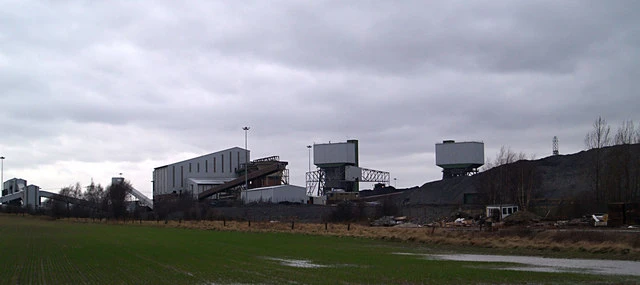
British Coal for the Winter of 1939
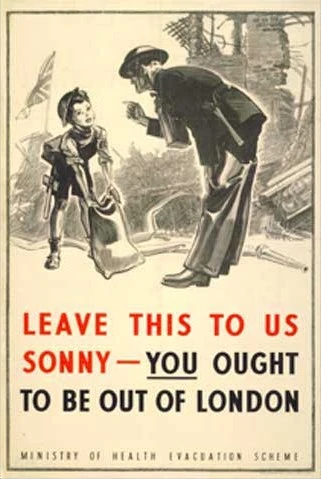
Operation Pied Piper — Womersley and the evacuation
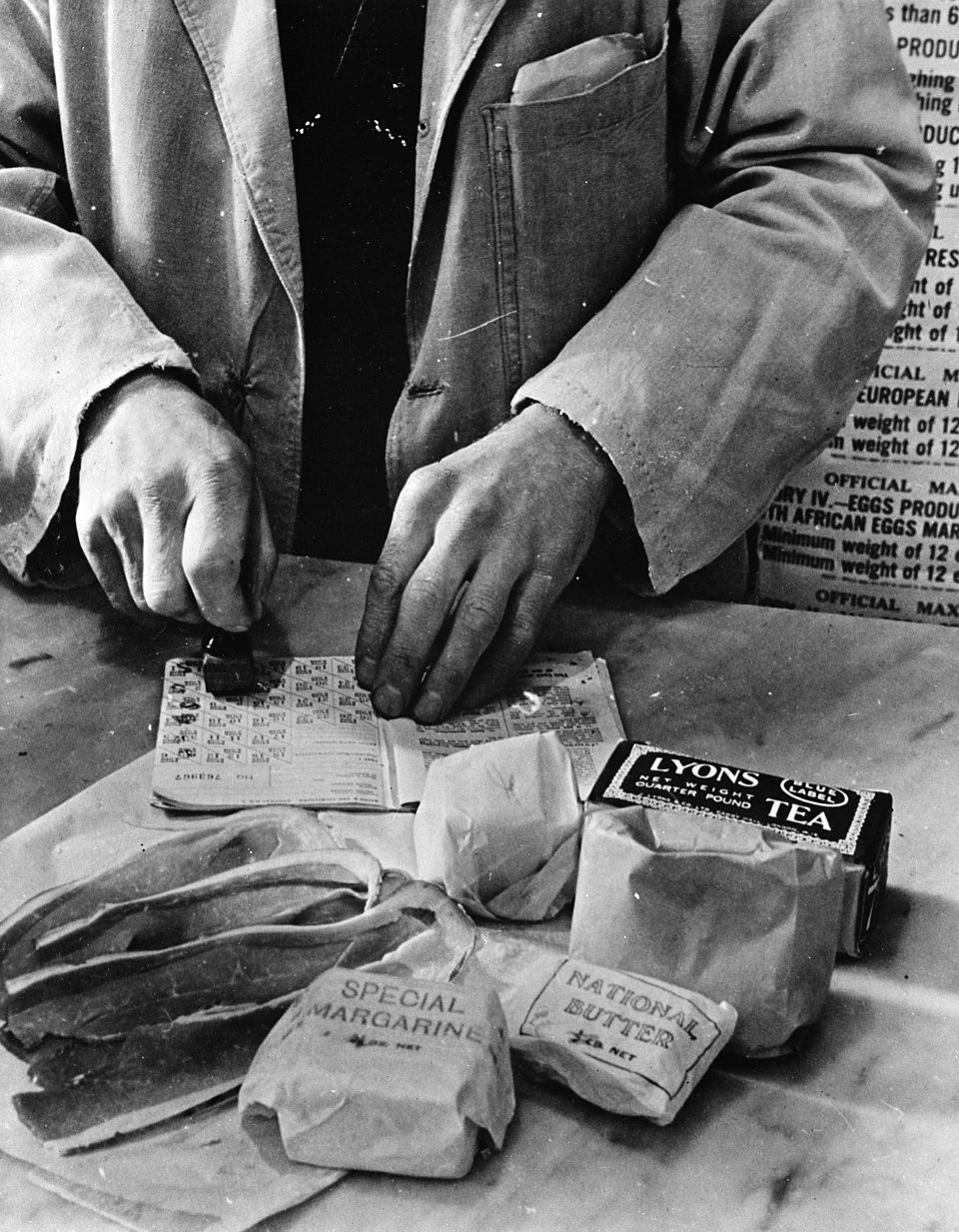
British rationing — Morrison and the principle
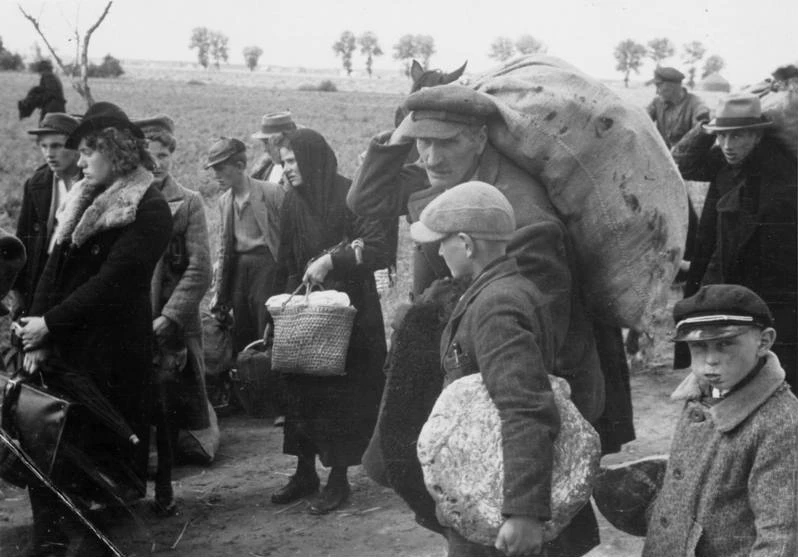
The Warsaw Student and the Black Market
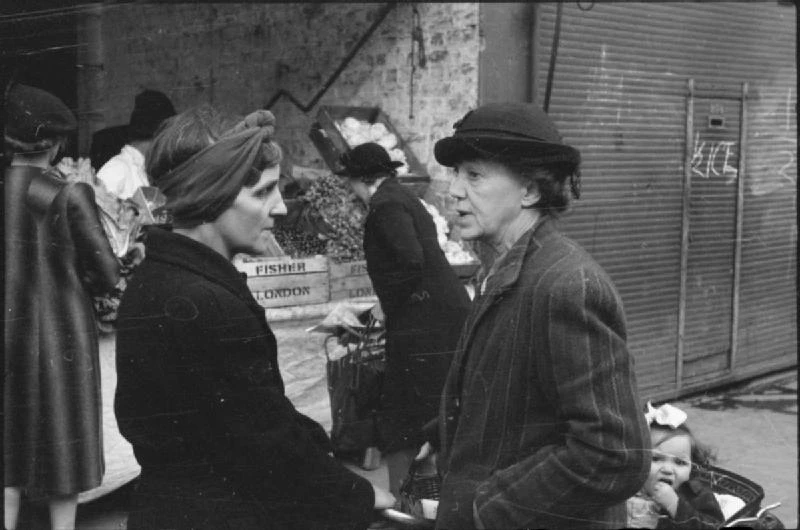
The Minister, the Fleet and the Empty Plates
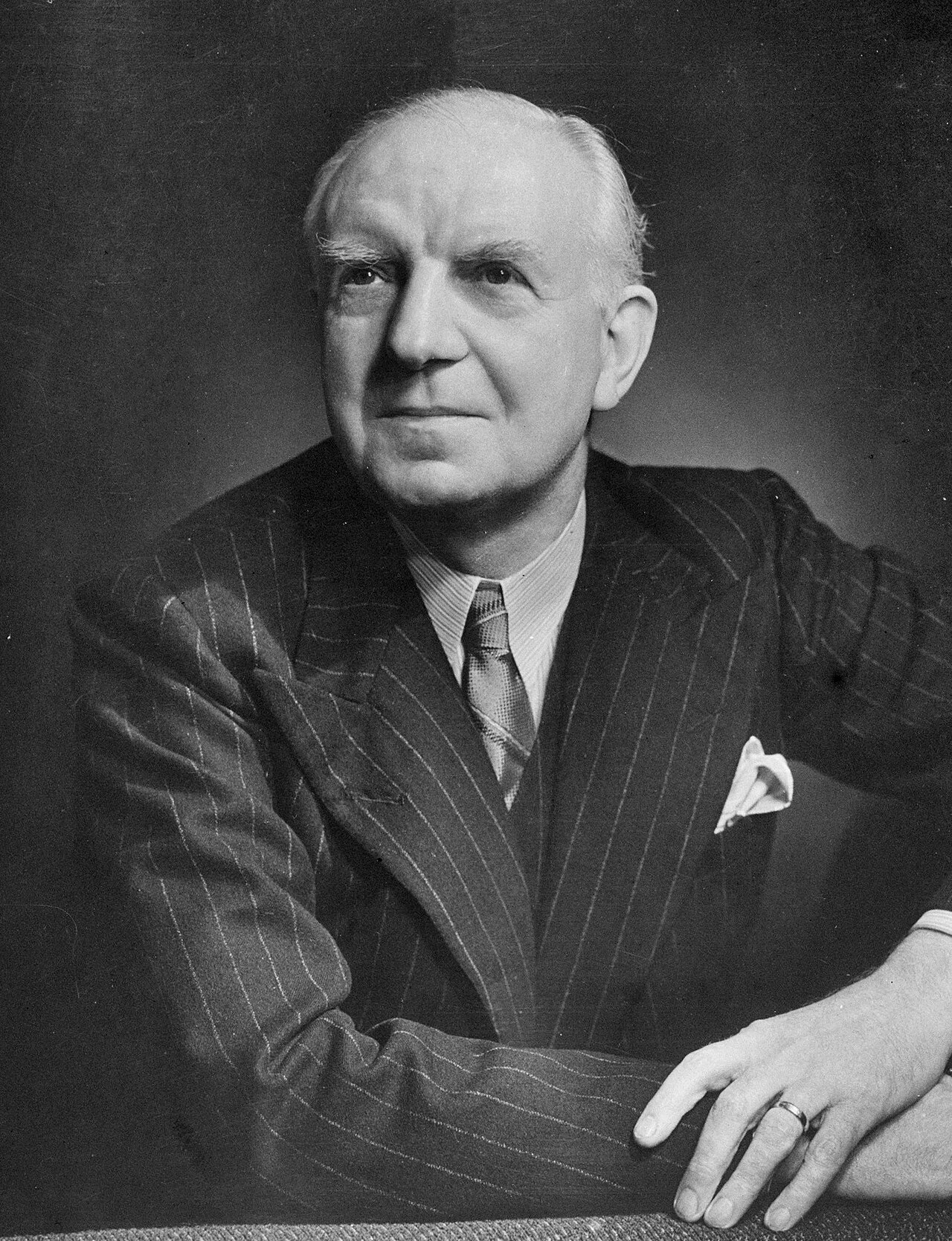
British rationing put to the test in 1941
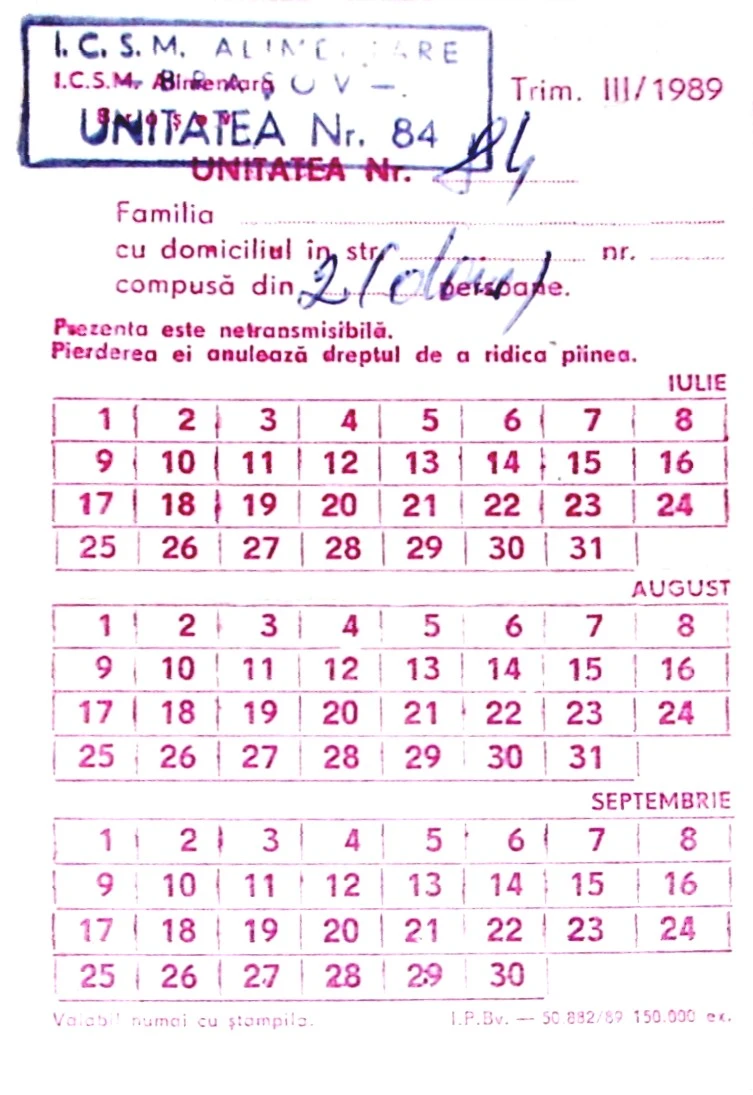
British Clothes Rationing
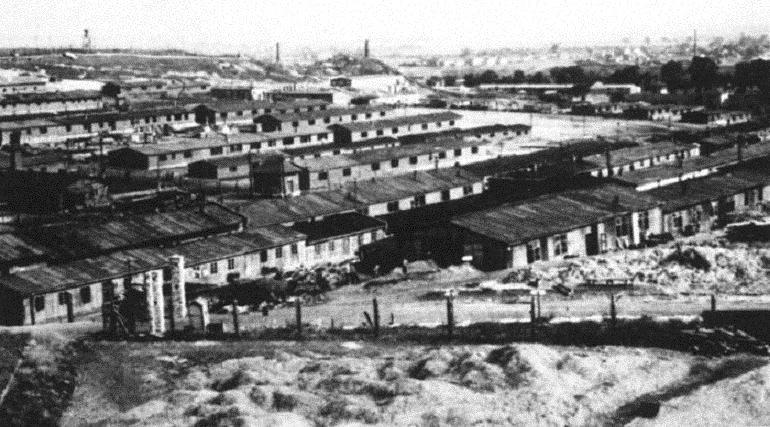
The Upper Silesian Pole Subjected to Forced Labour
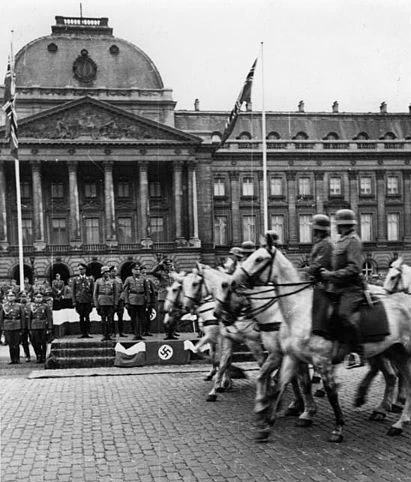
Going back to work under the occupier
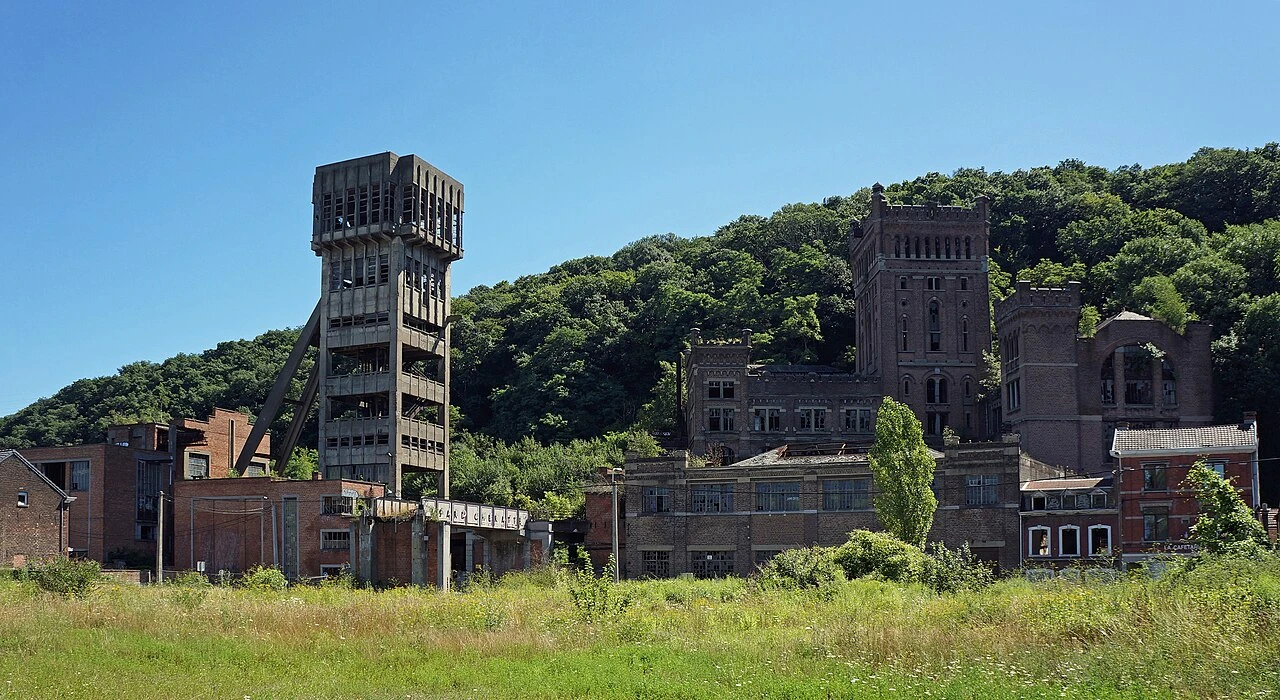
Campine Coal and the Hunger of Year One
British Coal for the Winter of 1939
Operation Pied Piper — Womersley and the evacuation
British rationing — Morrison and the principle
The Warsaw Student and the Black Market
The Minister, the Fleet and the Empty Plates
British rationing put to the test in 1941
British Clothes Rationing
The Upper Silesian Pole Subjected to Forced Labour
Going back to work under the occupier