
Vinkt — the suspicion of francs-tireurs
In late May 1940, during the Battle of the Lys, the village of Vinkt, near Deinze, is bitterly defended by the Ardennese Light Infantry (Chasseurs ardennais). Facing them, the , made up largely of poorly seasoned soldiers from the Itzehoe region, struggles to cross the Belgian positions and suffers losses.
Their real adversaries are regular soldiers. But, under fire and through inexperience, some German officers suspect civilian francs-tireurs of being behind the firing, reviving an obsession inherited from 1914. The conduct to adopt towards the village population is now at stake.
The Germans face a grave choice. They may evacuate the civilians out of the combat zone. They may round up civilians as hostages and human shields, then carry out reprisals on the mere suspicion of civilian firing. Or they may abide by the law of war, distinguishing combatants from non-combatants. The context — losses, inexperience, fear, propaganda about the "francs-tireurs" — weighs heavily, in a village already crowded with refugees.
Should the civilians of Vinkt be taken hostage and reprisals carried out on the suspicion of francs-tireurs?
The officers of the settle on A: although their real adversaries were regular soldiers, they hold the villagers responsible for the firing and act against the population. On 27 and 28 May 1940, around 86 civilians are executed at Vinkt, the total number of victims possibly approaching 140 according to some sources — to whom are added about thirty refugees killed by a shell that fell on a column. Villagers are taken as hostages and human shields. The massacre, one of the most serious committed by the Wehrmacht in the West in 1940, rests on an unfounded accusation of civilian firing. It illustrates the persistence of the "franc-tireur psychosis" and demolishes the myth of a German army untainted by war crimes.
Learn more about this event
Related polls
10
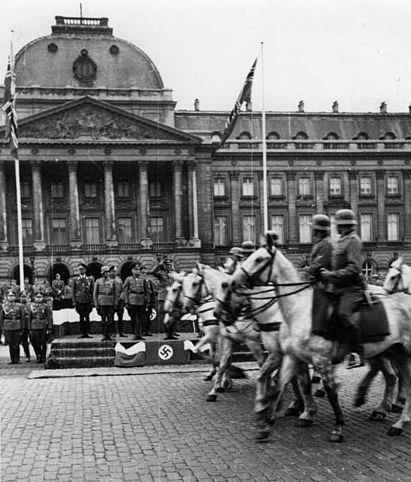
Civilian hostages
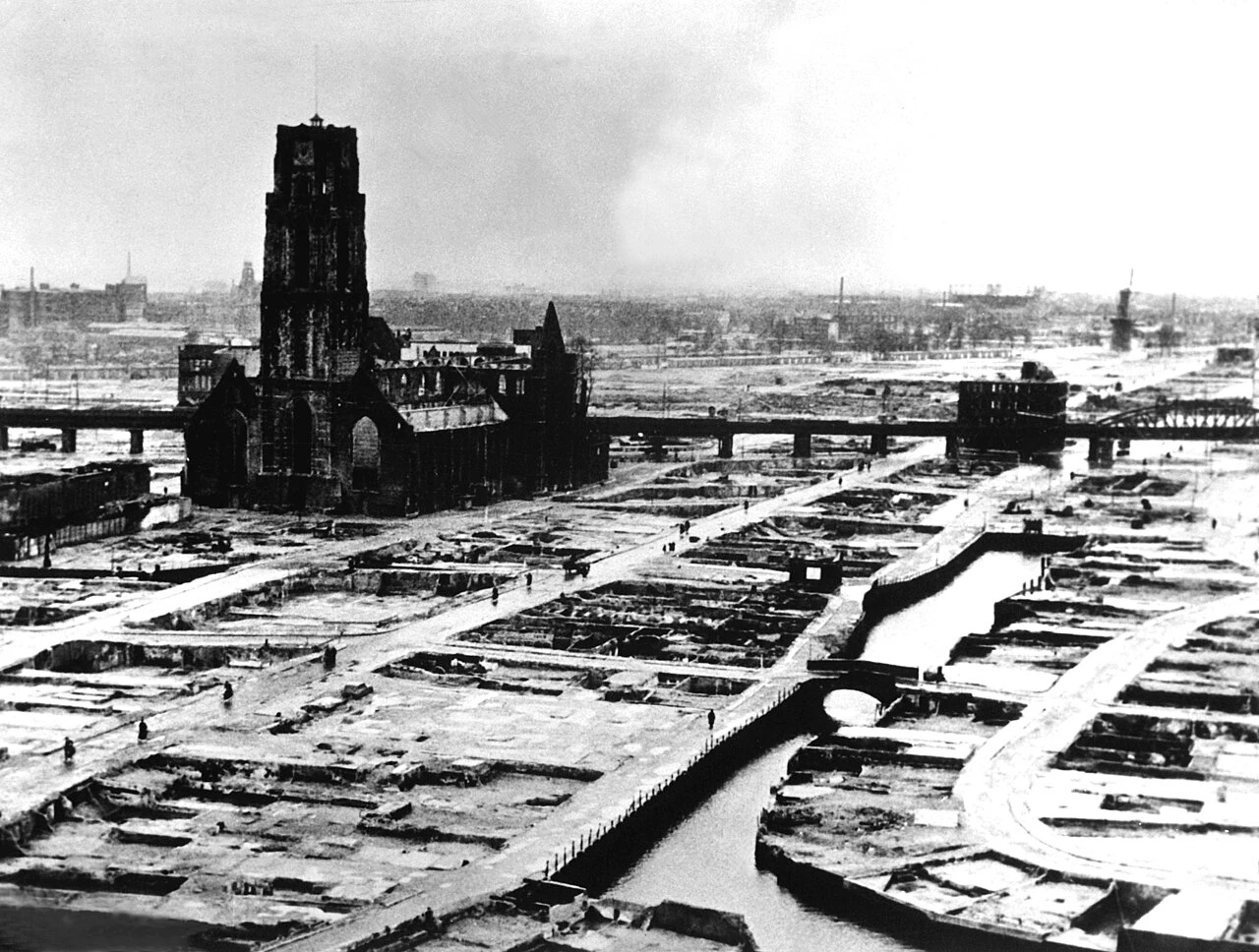
Rotterdam under the threat from the air
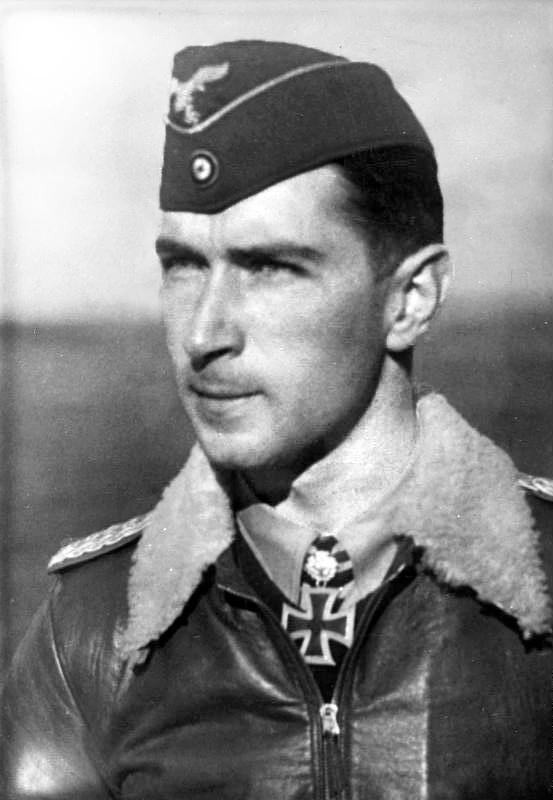
Mölders above the columns — 18 May
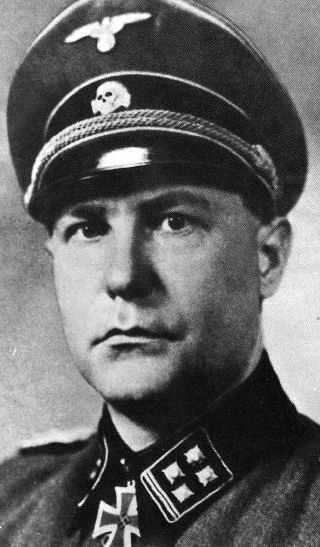
Le Paradis — the barn at Cornet-Malo

The Plunder of Art
Wormhoudt — the 7th company SS-LAH
Chasselay — the captured tirailleurs
Himmler's memorandum to the Führer
The torpedo boat and the lit Meknes
A doctor and the grey form
Civilian hostages
Rotterdam under the threat from the air
Mölders above the columns — 18 May
Le Paradis — the barn at Cornet-Malo
The Plunder of Art
Wormhoudt — the 7th company SS-LAH
Chasselay — the captured tirailleurs
Himmler's memorandum to the Führer
The torpedo boat and the lit Meknes