
By mid-August 1939, war seems only weeks away. Rear Admiral , who commands the young German submarine fleet, has limited means at his disposal — a few dozen submarines, of which only a fraction are fit to operate far out in the Atlantic, for want of the large programme he had been demanding.
The question of the moment is that of pre-positioning. If war breaks out, the submarines will take days to reach their operational zones, to the west of the British Isles and along the commercial routes. Sending them out now, in peacetime, would allow them to be on station on the first day; but it is a momentous gesture, one that may be perceived as a provocation and reveal German intentions.
Dönitz must decide. Sail from mid-August towards the waiting zones, at the risk of alerting the adversary and worsening the tension? Keep the submarines in port until the declaration of war, so as not to provoke, even at the cost of losing precious days? Or send out only part of the fleet as a discreet covering force? The choice will determine the effectiveness of the submarine war from its very first hours.
Should Dönitz send his submarines into position in the Atlantic before war is even declared?
The Kriegsmarine chooses A: from the second half of August 1939, most of the available submarines sail discreetly towards their waiting zones in the Atlantic, joined by the pocket battleships Graf Spee and Deutschland. Thus, when war breaks out, the submarines are already on station: on the very first day, one of them sinks the liner Athenia, tragically opening the Battle of the Atlantic. The August pre-positioning gives Germany an immediate head start in the war on commerce — but the small number of available submarines, a consequence of the choices made under Plan Z, will limit its scope. The pocket battleships deployed at the same moment will also pose a lasting threat to Allied sea lanes.
Learn more about this event
Related polls
10
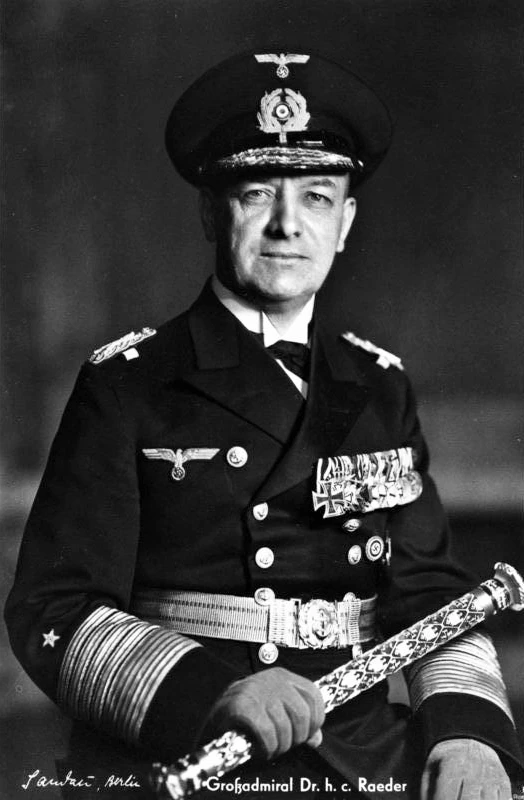
Plan Z
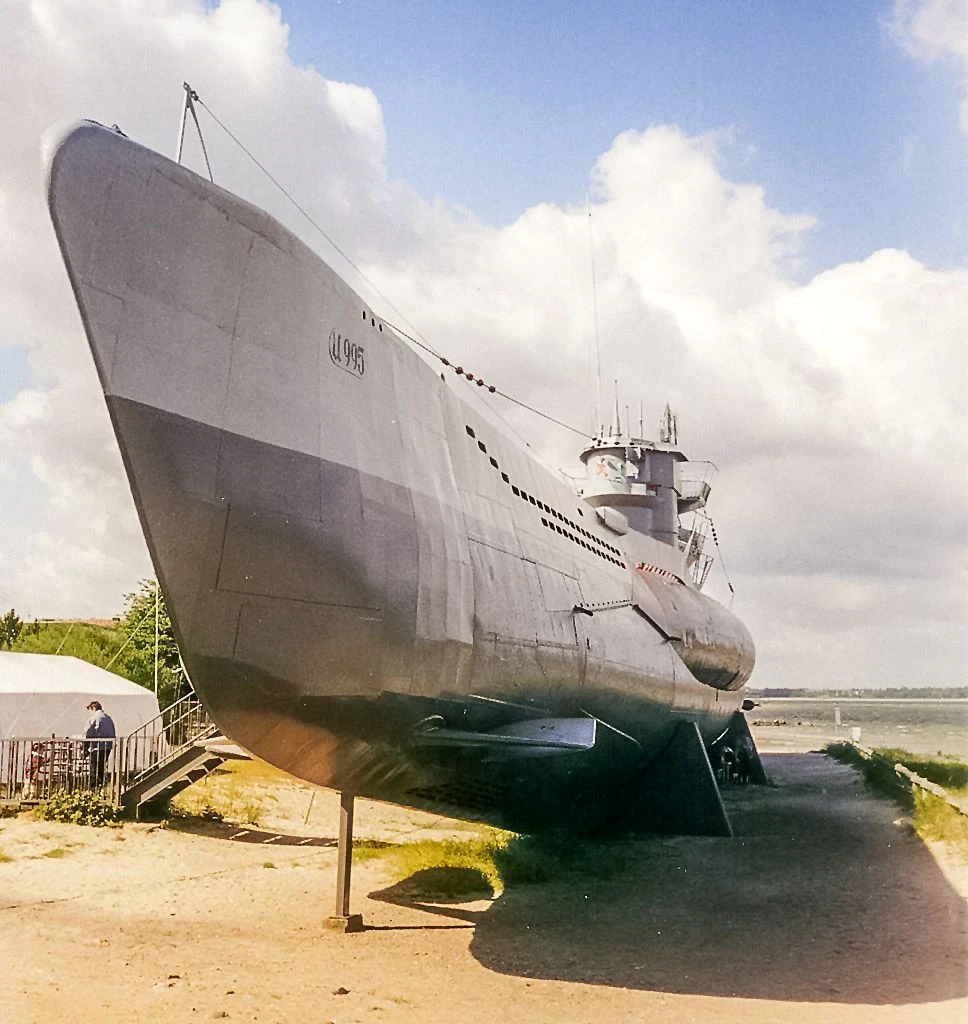
Dönitz at Sengwarden — the winter pause
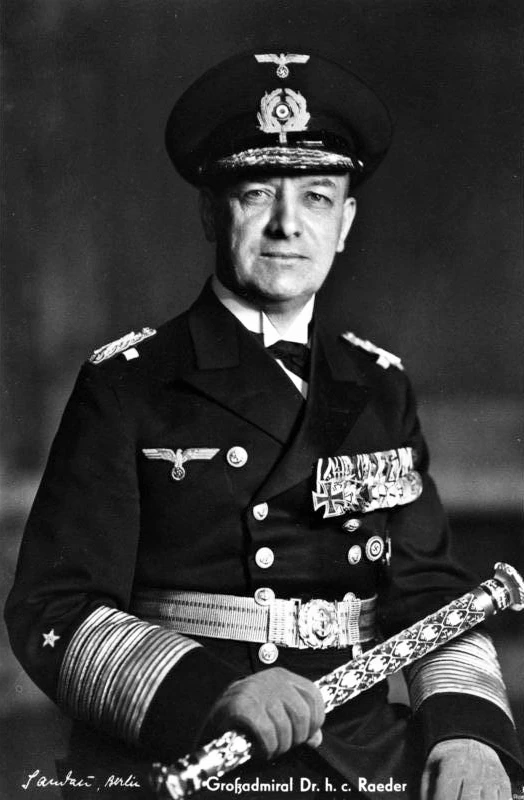
Raeder and the Seelöwe gamble
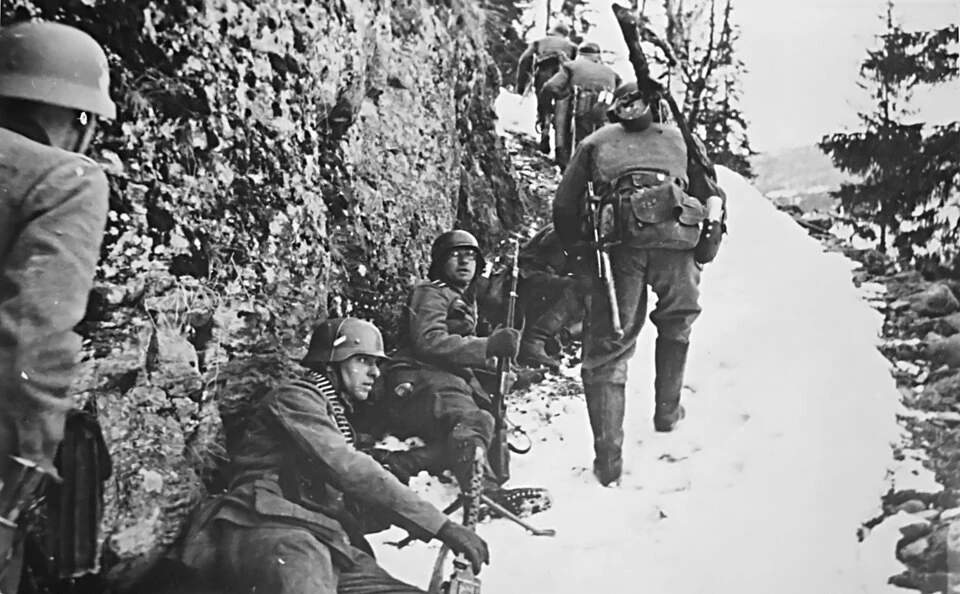
Weserübung — directive of 1 March
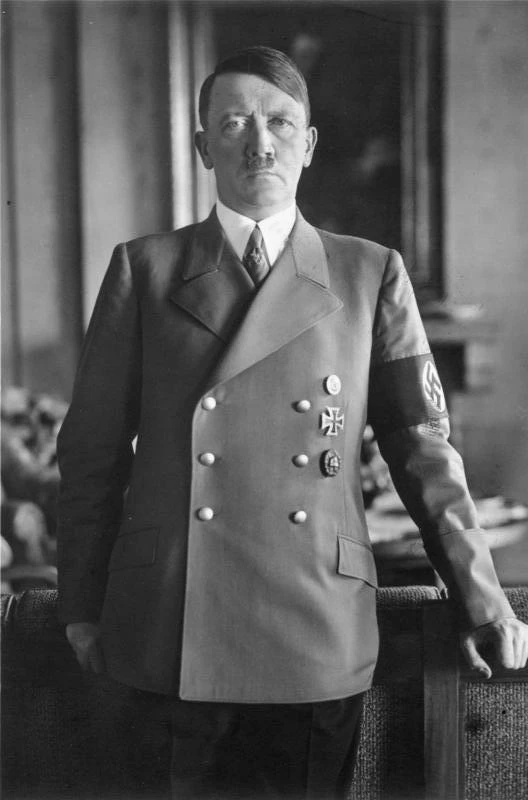
The Obersalzberg Speech
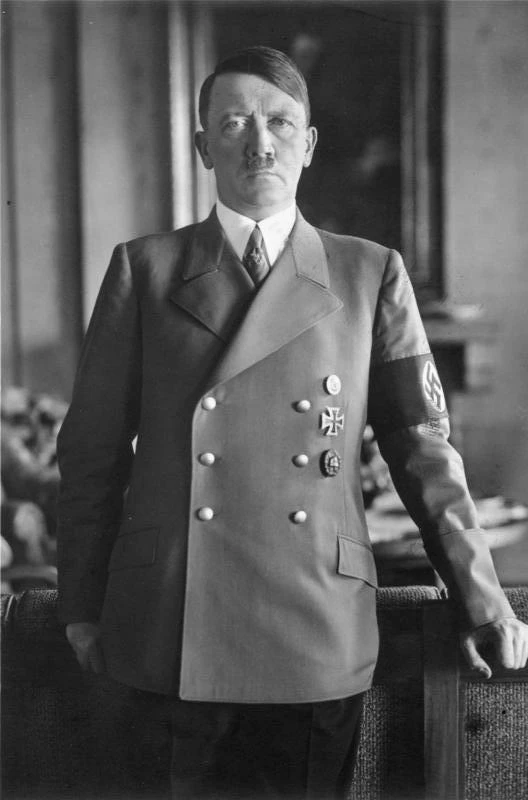
Hitler Postpones Fall Weiss
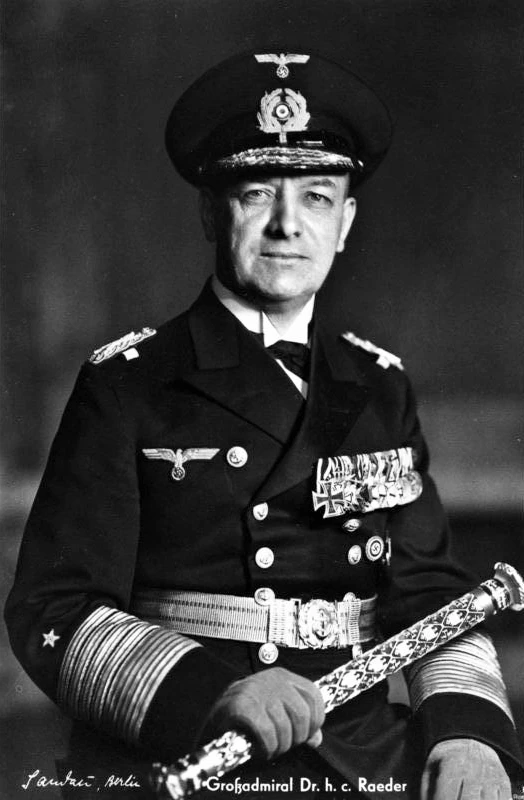
Send out the Bismarck alone, or wait for her sisters
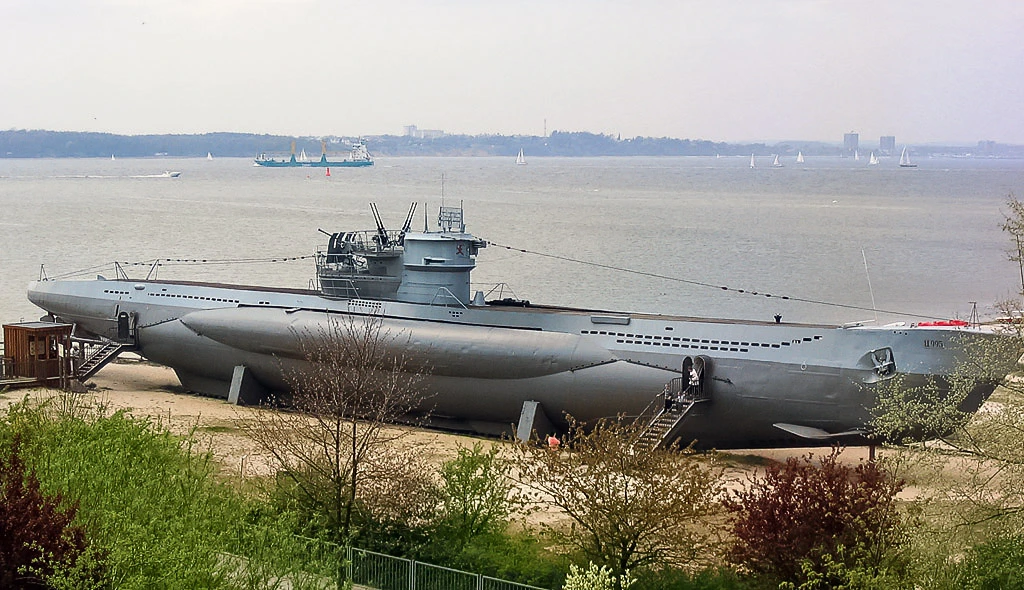
Thirty submarines a month, or next to nothing
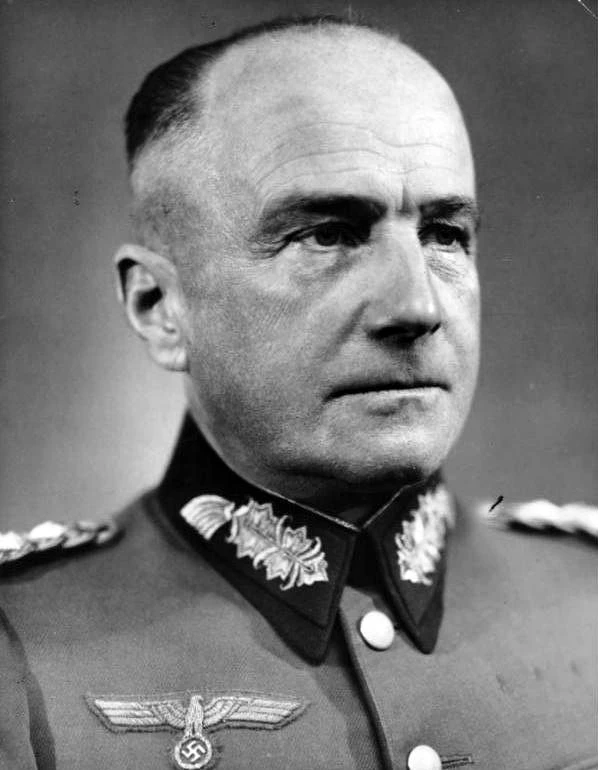
Brauchitsch — Reich Chancellery, 5 November
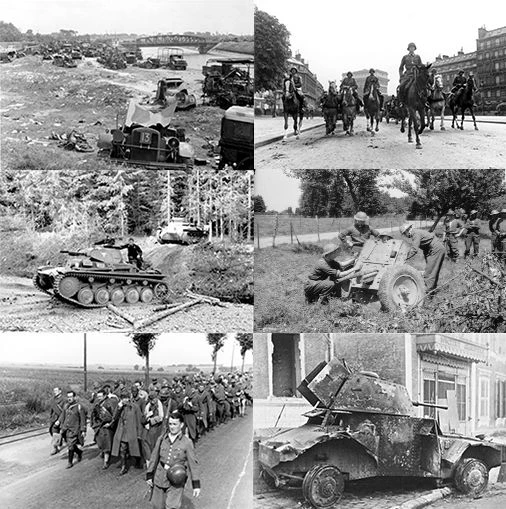
Hitler and Fall Gelb — 29 postponements
Plan Z
Dönitz at Sengwarden — the winter pause
Raeder and the Seelöwe gamble
Weserübung — directive of 1 March
The Obersalzberg Speech
Hitler Postpones Fall Weiss
Send out the Bismarck alone, or wait for her sisters
Thirty submarines a month, or next to nothing
Brauchitsch — Reich Chancellery, 5 November