
Founding the Free Belgian Forces
After the capitulation, a few thousand Belgian servicemen and volunteers reached Great Britain, by way of France, Spain or the sea. There, in camps (notably in Wales), the question of organisation arises: what to do with these scattered men, in a country preparing to face Germany alone?
For these servicemen, the issue is to reconstitute a Belgian fighting force. To organise into autonomous Belgian units, under the authority of the London government, in order to continue the war under their own colours. To integrate directly into the British forces (RAF, Royal Navy), which is quicker but at the cost of national identity. Or to wait for sufficient manpower and resources before forming a genuine army.
The challenge is real: limited numbers, equipment to be found, a status to be negotiated with the British, and a Belgian government in exile whose authority is contested by the "Royal Question". But the symbolic stakes are major: to show that Belgium continues the fight, and to prepare the Belgian contribution to the liberation.
Should the Belgian servicemen form autonomous Belgian units, integrate into the British forces, or wait for sufficient resources?
The Belgians combine A and B: from 1940, they begin to organise Free Belgian Forces in Great Britain (camps in Wales, notably at Tenby), while also joining the RAF (Belgian squadrons) and the Royal Navy. These nuclei will give rise to the (), which will land in Normandy in 1944 and take part in the liberation of Belgium, as well as to Belgian squadrons and naval units. Modest at the outset, these forces embody the continuity of the Belgian fight alongside the Allies and prepare the country's contribution to its own liberation. Their founding, in the summer of 1940, is the military act of free Belgium.
Learn more about this event
Related polls
10
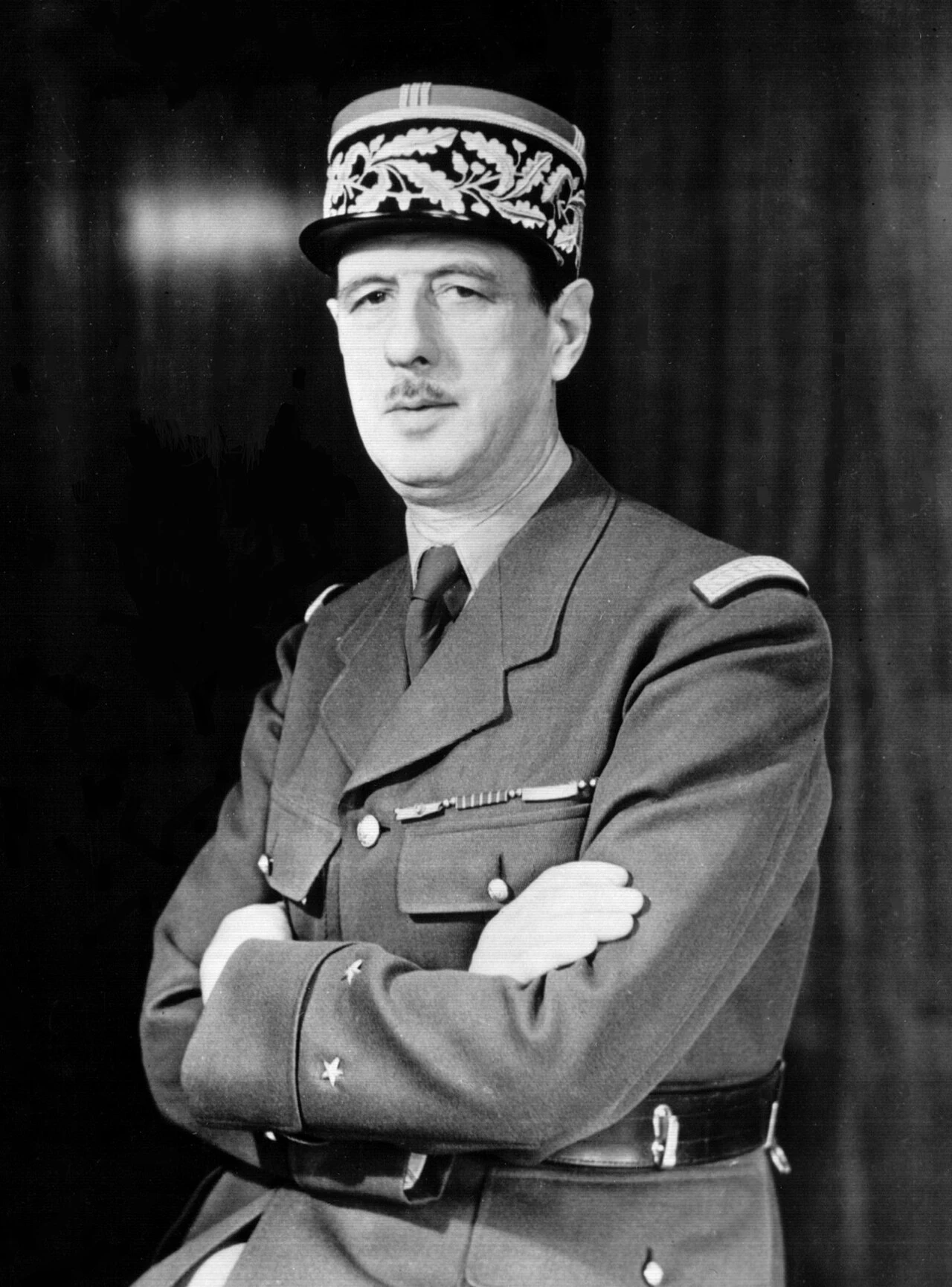
De Gaulle at the BBC microphone — 18 June, 18:00
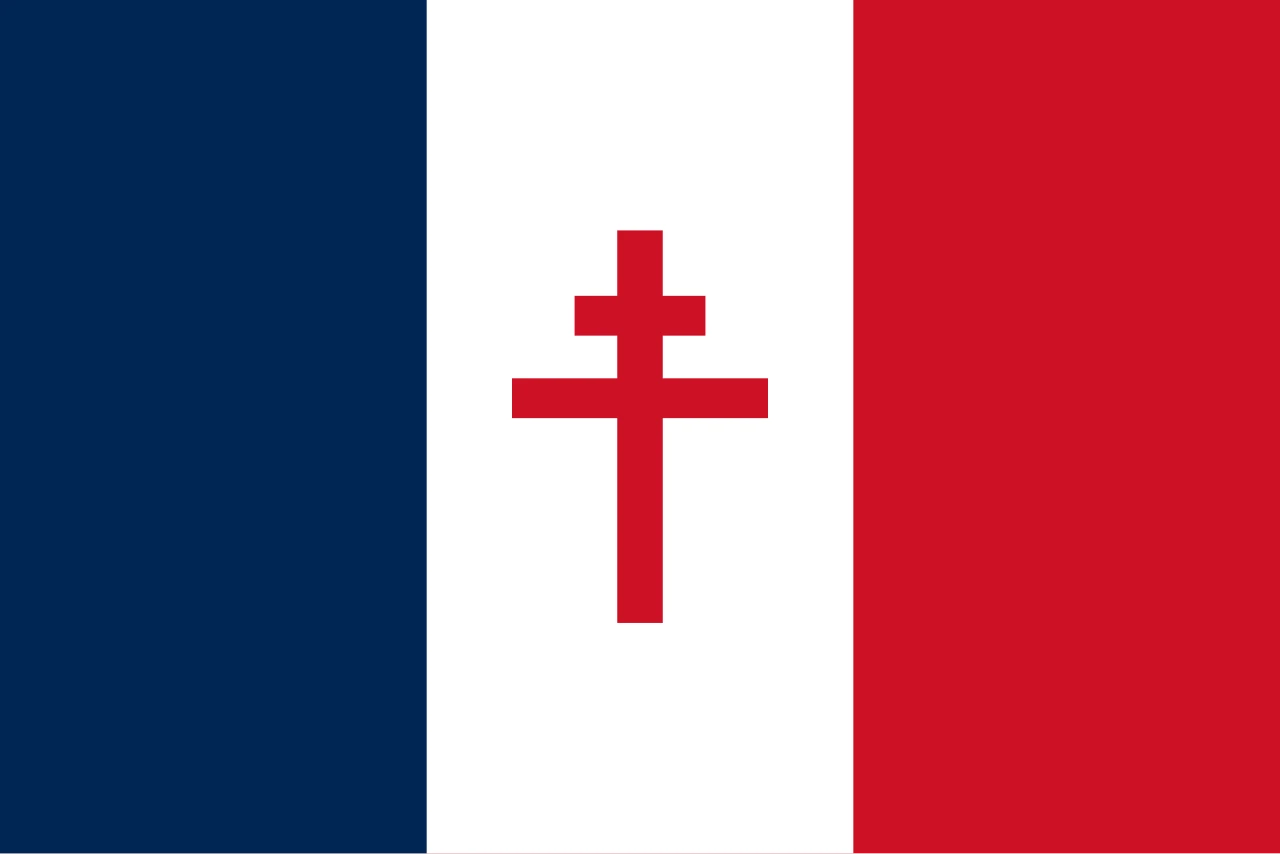
The French in London — Who Joins?
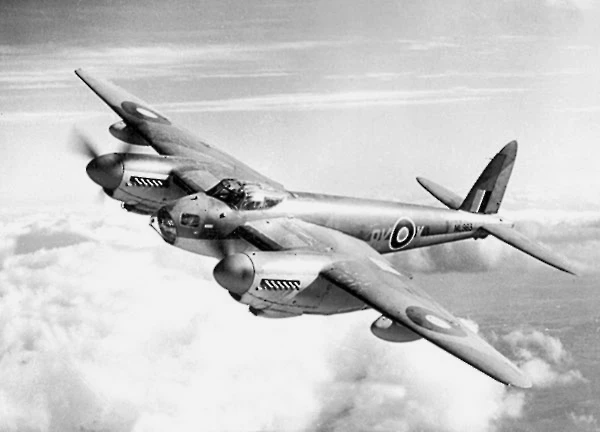
Joining the free air forces
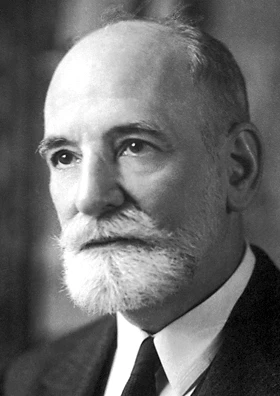
René Cassin Reaches London — 29 June
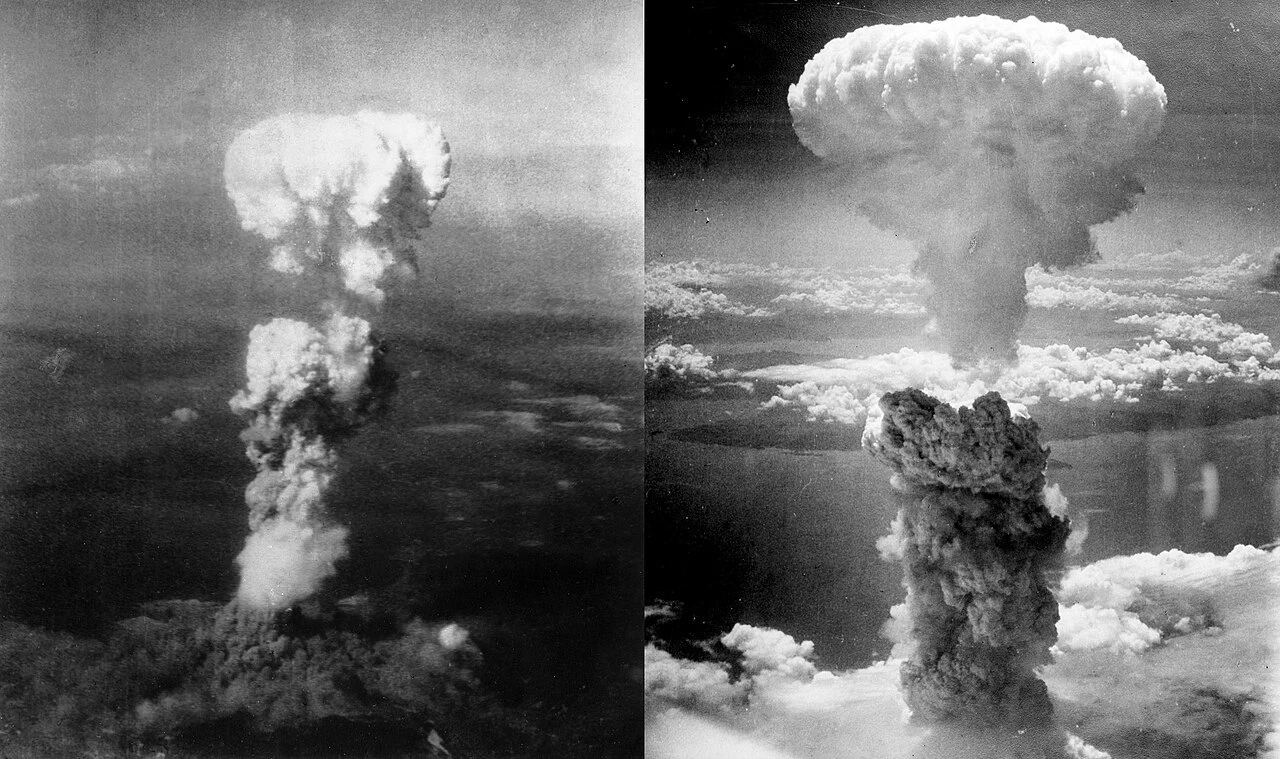
Hide the Weapons or Hand Them In
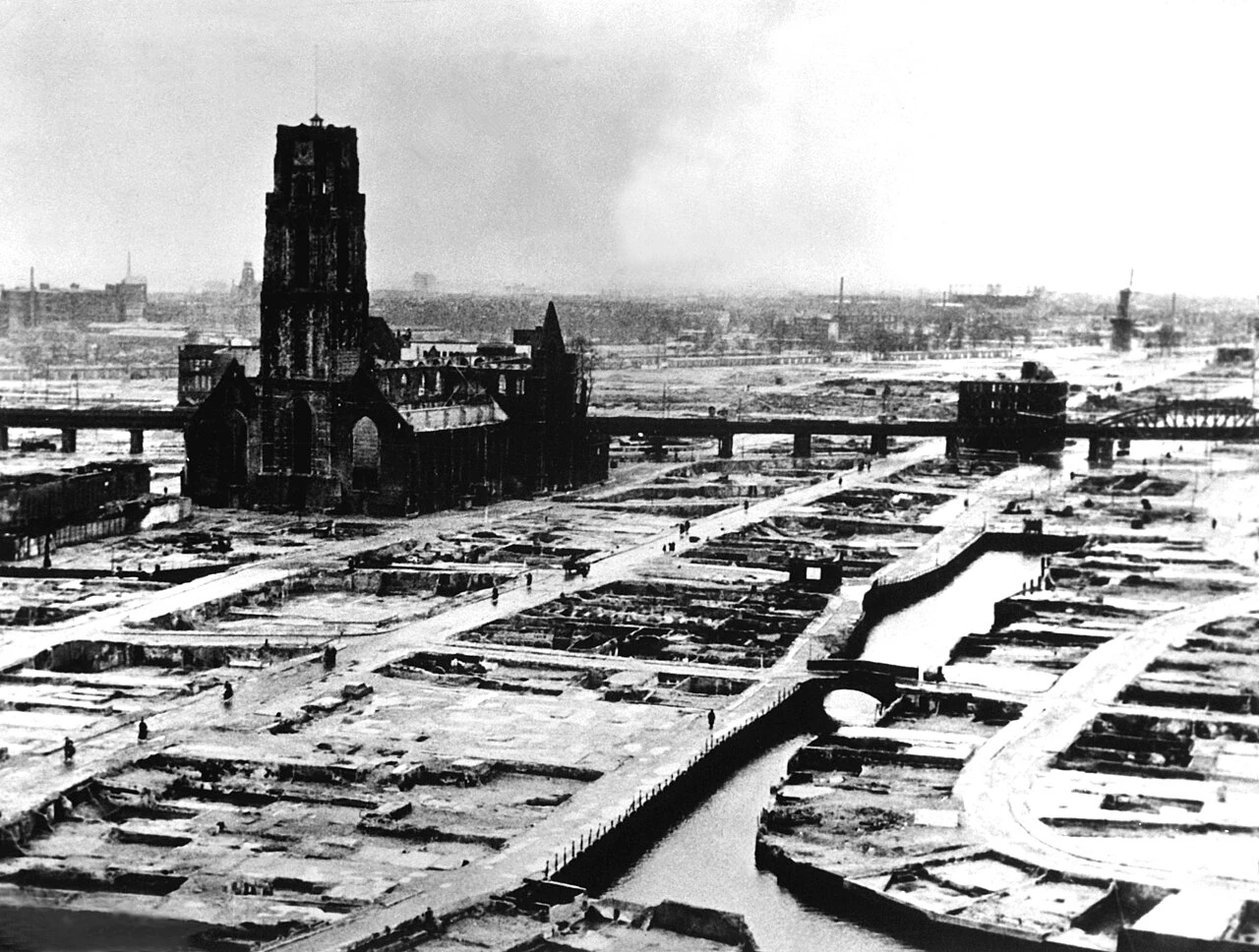
Hiding an Allied soldier
The Free-Shooter of Information — Listening to London
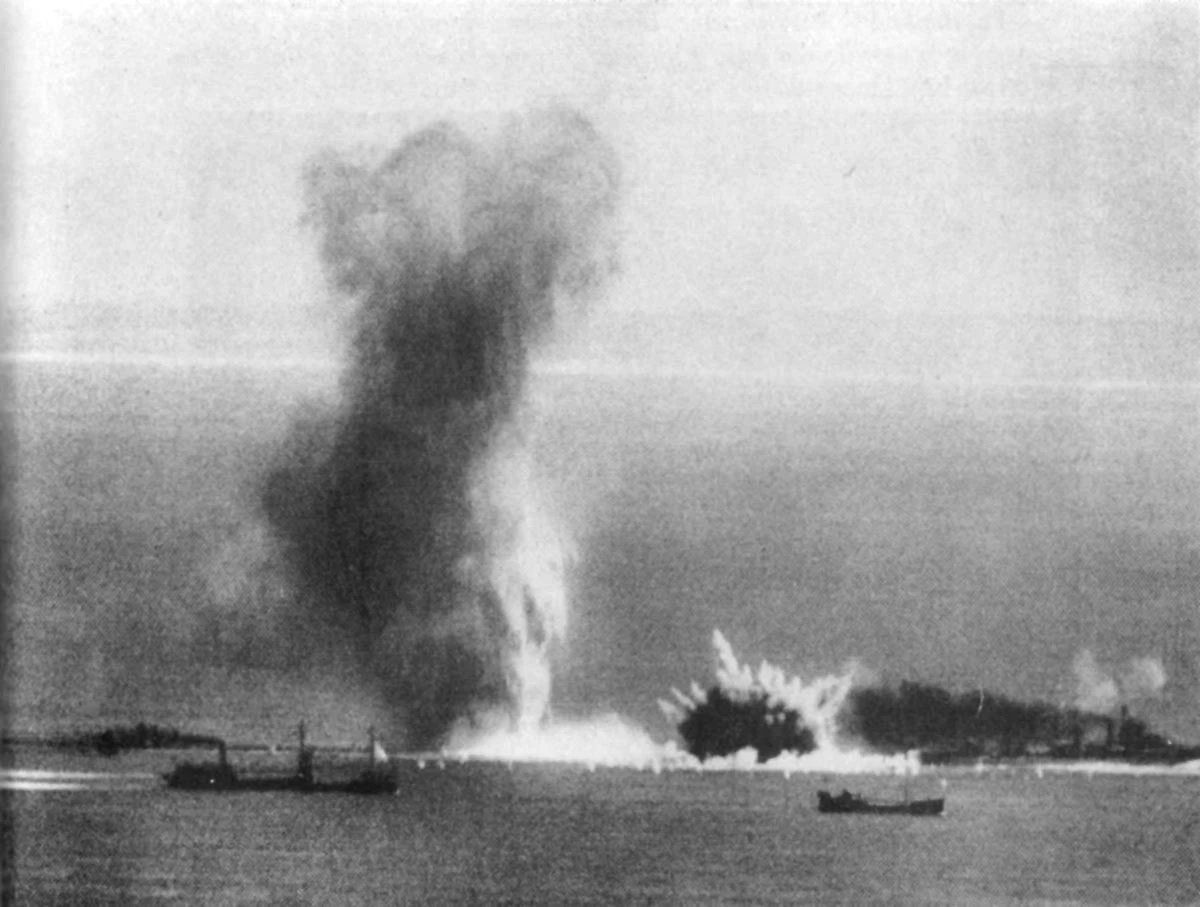
The Kanalkampf — withdraw the destroyers?
The First Arrests
Sikorski leaves Bordeaux — 18 June
De Gaulle at the BBC microphone — 18 June, 18:00
The French in London — Who Joins?
Joining the free air forces
René Cassin Reaches London — 29 June
Hide the Weapons or Hand Them In
Hiding an Allied soldier
The Free-Shooter of Information — Listening to London
The Kanalkampf — withdraw the destroyers?
The First Arrests