
As the invasion approaches, the National Bank of Belgium must put its gold reserves — a considerable national treasure — out of reach so that they do not fall into the hands of the occupier. Part of it has been placed abroad (United Kingdom, United States), but a substantial stock must still be evacuated in haste.
The choice of refuge carries heavy consequences. Entrusting the gold to France, an ally and neighbour, seems natural and safe — but what will happen if France herself is defeated? Sending it further afield (United Kingdom, America, the colonies) is safer but harder to organise in haste.
The directors can entrust the gold to the Bank of France, out of Allied solidarity and convenience. Send it as far away as possible (United Kingdom, United States, Africa) to remove it from any continental risk. Or disperse the deposit among several destinations. The fate of this treasure — and trust in an ally who might also succumb — is at stake.
Should the National Bank entrust its gold to France, send it as far away as possible, or disperse it?
A significant part of the Belgian gold is entrusted to the Bank of France (A) — a decision that would turn out badly. France, supposed to put it into safekeeping overseas (via Dakar), capitulates; under Vichy, and against a backdrop of German pressure, this Belgian gold is partly transferred to the German Reichsbank. After the war, the National Bank of Belgium would bring a long legal action against the Bank of France, which would have to compensate Belgium. The affair of the Belgian gold illustrates the risk of entrusting a national treasure to an ally who is himself defeated, and becomes one of the major financial disputes of the post-war period. The portion sent further afield (London, the United States), by contrast, was preserved.
Learn more about this event
Related polls
10
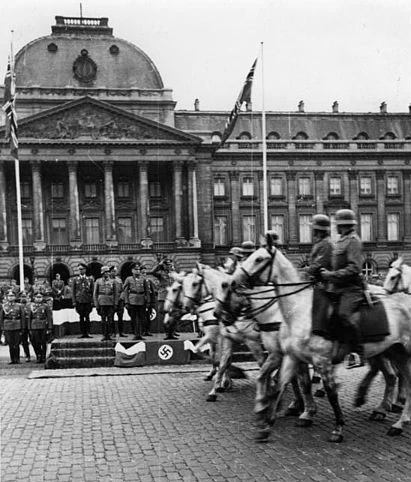
The Galopin Doctrine — whether to produce under the occupier

FN Herstal, May 1940 — a few hours ahead of the occupier
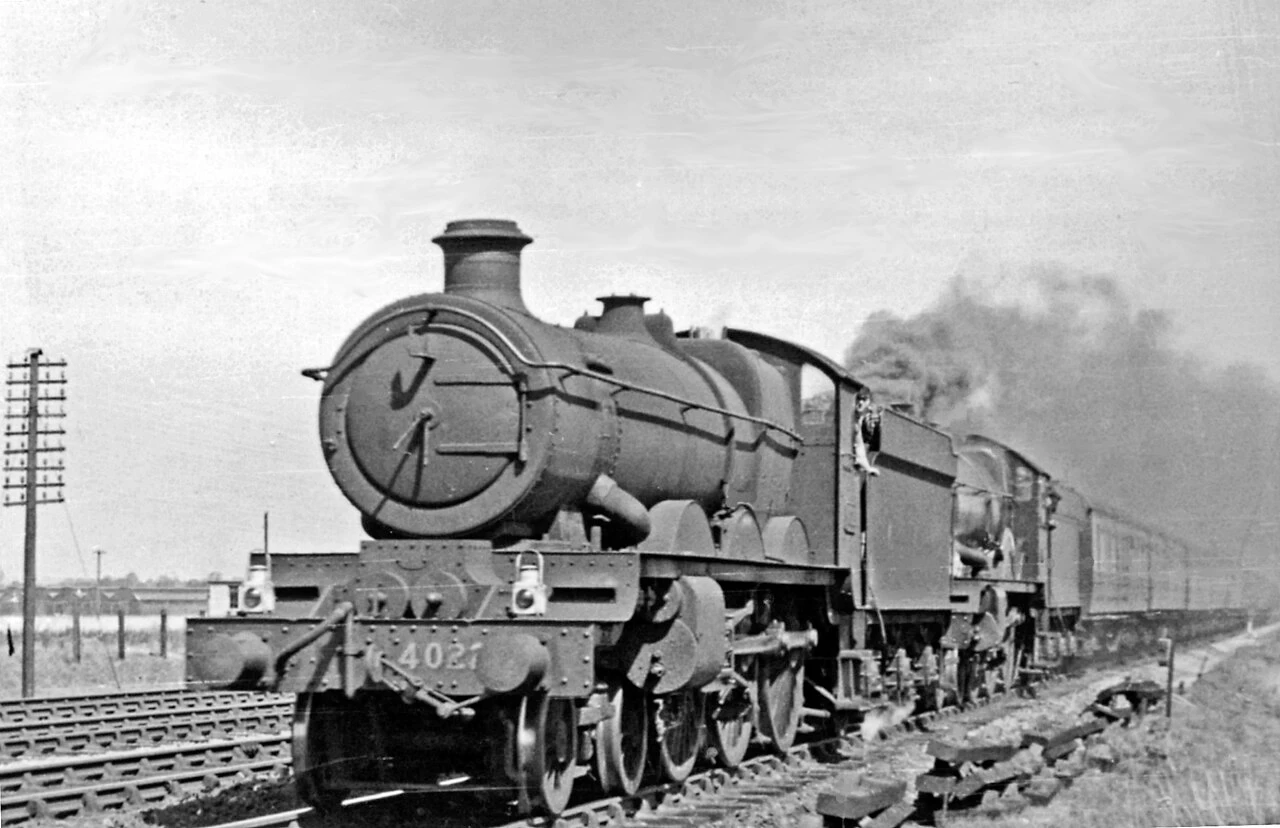
The Belgian railways under occupation
The roads for the refugees or for the army

Sabotaging the fuel depots

The nation's gold against the invader
Organised plunder — the mark at 12.50 F

Forty tonnes of gold trapped at Ostend
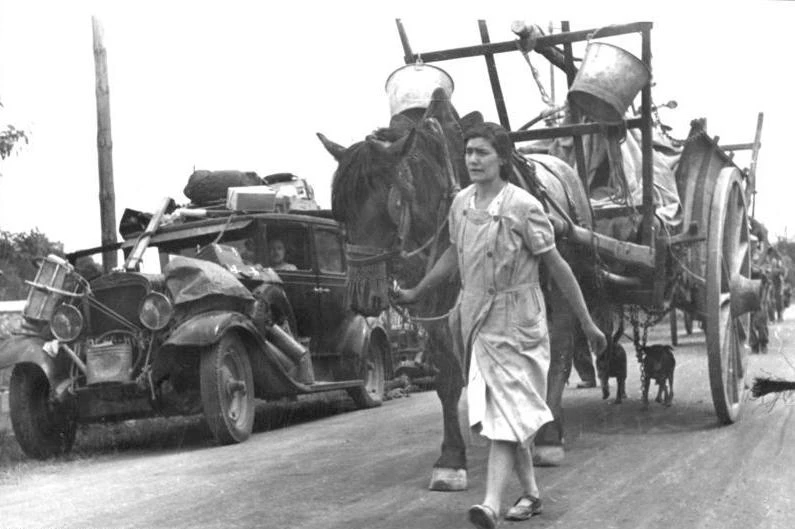
The Repatriation of the Refugees
Provisioning and the Black Market
The Galopin Doctrine — whether to produce under the occupier
FN Herstal, May 1940 — a few hours ahead of the occupier
The Belgian railways under occupation
The roads for the refugees or for the army
Sabotaging the fuel depots
The nation's gold against the invader
Organised plunder — the mark at 12.50 F
Forty tonnes of gold trapped at Ostend
The Repatriation of the Refugees